

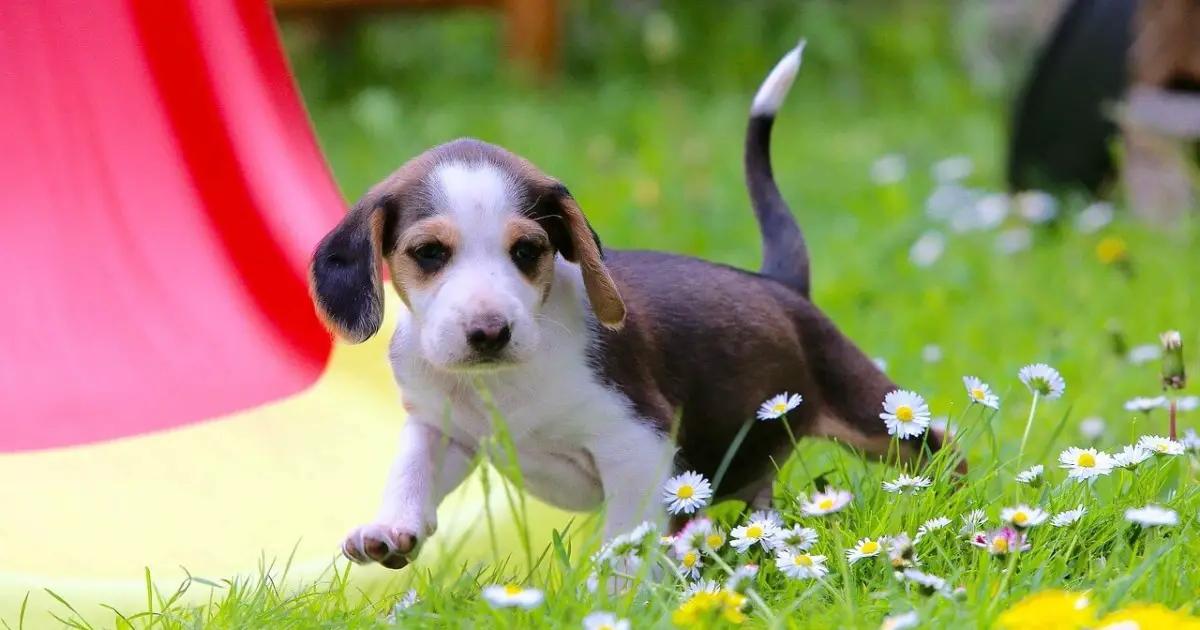
- Breed category: Hound (scent hound)
- Country of origin: Germany
- Typical height: 40 to 53 cm at the withers1
- Coat: Short, dense
- Common colours: Red to yellow with a black saddle or blanket, with white “Bracken” markings (often a blaze, chest, legs, tail tip)1
- Exercise needs: High, built for long days on the move
- Grooming needs: Low to moderate
- Common health watch-outs: Ear irritation or infection risk (long, hanging ears), orthopaedic issues can occur in medium to large active dogs
People often come across the “German Hound” name after noticing a dog that looks a bit like a smaller, neater scenthound, long ears, athletic frame, and a nose that seems switched on the moment it hits grass. Sometimes it is through hunting circles, sometimes through breed lists, and sometimes because a rescue dog has “Deutsche Bracke” written on the paperwork and you are trying to picture what life with that dog actually feels like.
It is tempting to assume a hound is either a single purpose hunting dog, or a laidback family pet. In practice, the Deutsche Bracke sits in the middle. It can be affectionate and sociable at home, but its behaviour outdoors is strongly shaped by scent and movement. The nose often leads, and that changes what “good exercise” and “good training” look like day to day.
Living well with this breed is less about perfect obedience, and more about building routines that respect instinct, keep the body conditioned, and prevent small issues, like ears that stay damp after a swim, from turning into bigger problems.
Where the Deutsche Bracke came from
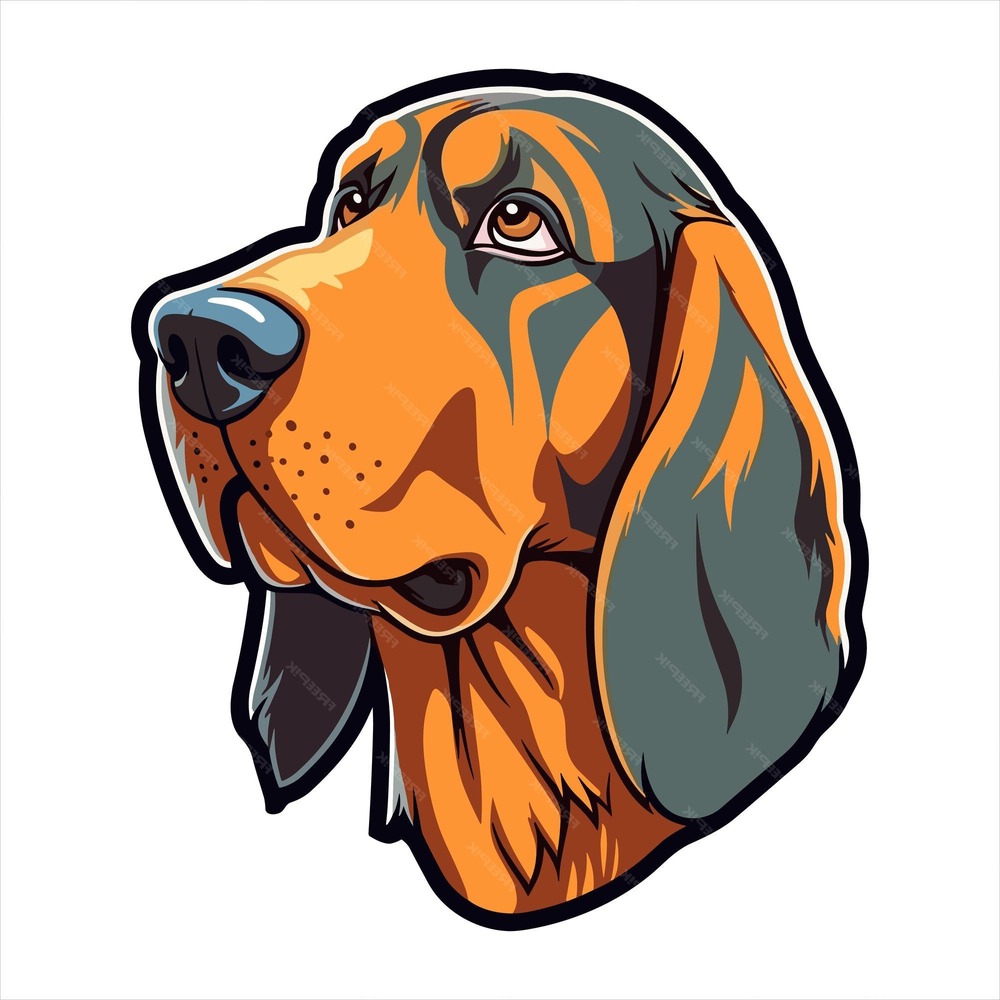
The German Hound is more accurately known as the Deutsche Bracke, a German scenthound recognised by the FCI (standard number 299).2 It was developed for traditional “Bracke” hunting, which relies on a dog’s ability to follow scent steadily over distance and work in partnership with people.
In north west Germany, several regional hound types were brought together under one umbrella through the work of breed organisations. Historical summaries describe a club founded in Olpe in 1896, with the unified type officially called “Deutsche Bracke” from 1900.2
That background matters because it explains the modern dog. You are not looking at a decorative hound or a short burst sprinter. You are looking at a dog built to keep going, and to stay mentally engaged while doing it.
Temperament in real households
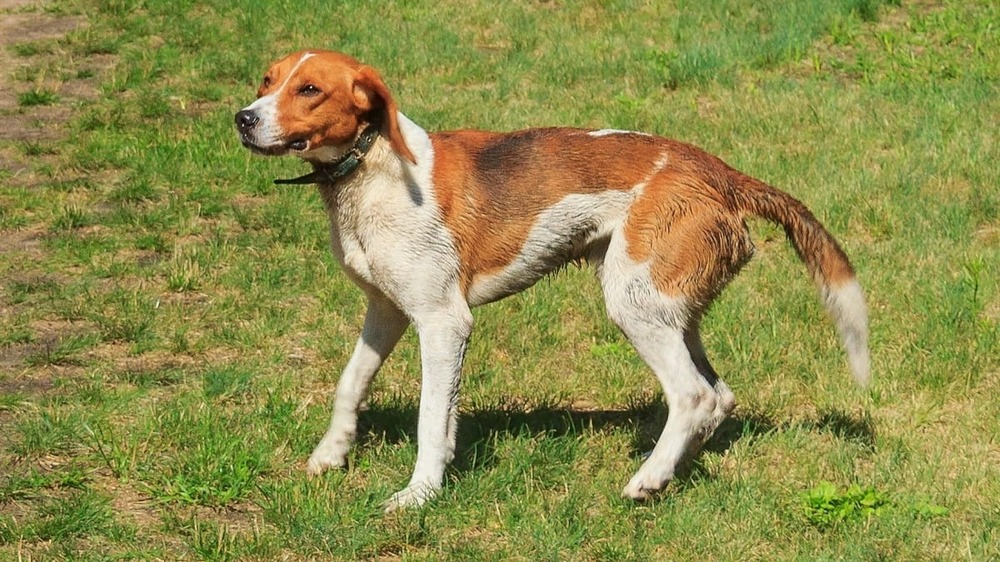
A well socialised Deutsche Bracke is often friendly with familiar people and comfortable in a busy home, especially when it has enough outlets for movement and sniffing. Many owners describe a dog that settles nicely indoors after a proper outing, then comes back “online” the moment there is a chance to get outside again.
It can help to think of this breed as environment-led. In the lounge room, you may see calm, easy company. In a park with fresh scents, the same dog may become far more single minded. That is not stubbornness so much as normal hound wiring.
With children and other animals, the usual principles apply: supervision, thoughtful introductions, and realistic expectations. A scenthound may be gentle with kids, but it can also be strong on lead and easily distracted outdoors, so handling skills matter as much as temperament.
Training that suits a scent hound
Deutsche Bracken tend to learn well when training feels worthwhile. Positive reinforcement, clear repetition, and rewards that compete with the environment will usually get you further than trying to “out-stern” a dog that is following a scent trail.
Practical training focus areas that often pay off include:
- Recall with management: practise in safe, enclosed areas first, then expand gradually. Long lines are your friend while skills are still forming.
- Lead manners: build a habit of checking in, rather than trying to eliminate sniffing altogether.
- Settle skills: teach calm behaviour at home so rest becomes a cue, not an accident.
If the dog is young, early socialisation helps it handle everyday life with less friction. The aim is not to flatten personality, but to make the world feel predictable enough that the dog can think, even when it is excited.
Exercise and enrichment, what “enough” looks like
This is a high activity breed. A short lap of the block may meet the calendar requirement of “a walk”, but it rarely meets the dog’s needs for steady movement and sniffing time. If you are deciding whether this breed suits your life, it helps to picture the dog you will have on an average Tuesday, not the dog you imagine on your best weekend.
Many hounds do well with a mix of:
- long, varied walks where sniffing is allowed
- hikes on a lead or long line
- scent games (scatter feeding, hide and seek with food, scent trails)
- structured play that stays low impact on joints
Exercise needs also tie into housing. High energy dogs are not automatically “unsuitable” for smaller spaces, but they do need you to provide daily activity and stimulation. Consider your routines, access to safe walking areas, and your ability to keep a dog securely contained.3
Health to watch: ears, joints, and general conditioning
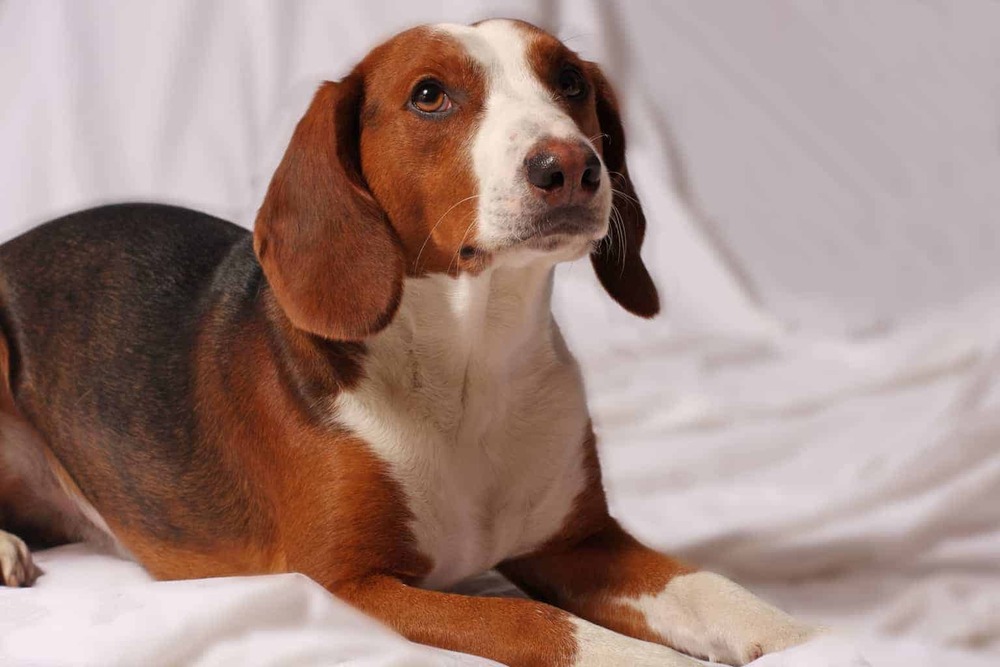
No single article can predict an individual dog’s health, but the Deutsche Bracke’s shape gives you a couple of sensible watch points. Long, hanging ears can reduce airflow to the ear canal and trap moisture, which can increase the risk of irritation and infection in dogs that are prone to ear trouble.4, 5
Hip dysplasia is often discussed in active, medium to large dogs. It is a developmental condition influenced by genetics and other factors, and signs do not always match X-ray findings. Keeping dogs lean and building appropriate muscle can be part of sensible risk management, guided by your vet.6
See your veterinarian promptly if you notice head shaking, redness, odour, discharge, or sensitivity around the ears. Those signs can have several causes, and early treatment is usually simpler than waiting.
Grooming and everyday care
The coat is generally straightforward. A short, dense coat benefits from occasional brushing, particularly when shedding increases seasonally. The bigger routine is often the small checks that prevent problems: paws after long walks, nails, teeth, and ears after swimming or bathing.
Ear care is a common topic for floppy eared dogs, and the details matter. Cornell’s veterinary guidance advises using cotton pads or balls to wipe what you can reach safely, and avoiding cotton swabs that can push debris deeper. It also notes that cleaning frequency varies and that overcleaning can irritate healthy ears.4
In everyday terms: keep ears dry after water, look for changes, and ask your vet what “routine” should mean for your individual dog.
Feeding for a working shaped body
A Deutsche Bracke is at its best when it is fit, not heavy. Because hounds can be food motivated and active dogs can still gain weight if intake outpaces output, it helps to monitor condition rather than relying on the scoop alone. Veterinary organisations encourage regular nutritional assessment, including body condition scoring, so feeding stays matched to the dog in front of you, at this life stage, with this activity level.7
If you are unsure whether your dog is a healthy weight, ask your vet to show you how to assess body condition and muscle, then re-check it every few weeks as routines change. Small adjustments early are easier than big changes later.
Choosing a German Hound thoughtfully
The Deutsche Bracke tends to suit people who genuinely enjoy getting outside most days, and who do not mind a dog that experiences the world through its nose first. If you want a dog that stays visually focused on you in distracting spaces without much training, you may find this breed frustrating.
When you are deciding, look beyond a list of traits and consider the practical parts of life: time, containment, local walking options, and how you will handle adolescence, when scent interest can become intense. Australian welfare guidance on choosing a dog emphasises matching exercise needs, living conditions, and the reality that individual dogs vary, even within a “type”.3
If you can meet those needs, the reward is often a steady companion with a strong work ethic, an observant presence at home, and a style of outdoor engagement that can make even familiar walking tracks feel new again.
References
- DogsGlobal (FCI text excerpt): Deutsche Bracke standard, size and colour
- Wikipedia (German): Deutsche Bracke overview, history and FCI classification
- RSPCA Pet Insurance Australia: Considerations when choosing a dog (exercise, size, living conditions)
- Cornell University College of Veterinary Medicine: How to clean your dog’s ears
- American Kennel Club: How to clean a dog’s ears (safe technique and mistakes to avoid)
- VCA Animal Hospitals: Hip dysplasia in dogs (overview, causes, management)
- WSAVA: Global Nutrition Guidelines (nutritional assessment and body condition tools)