

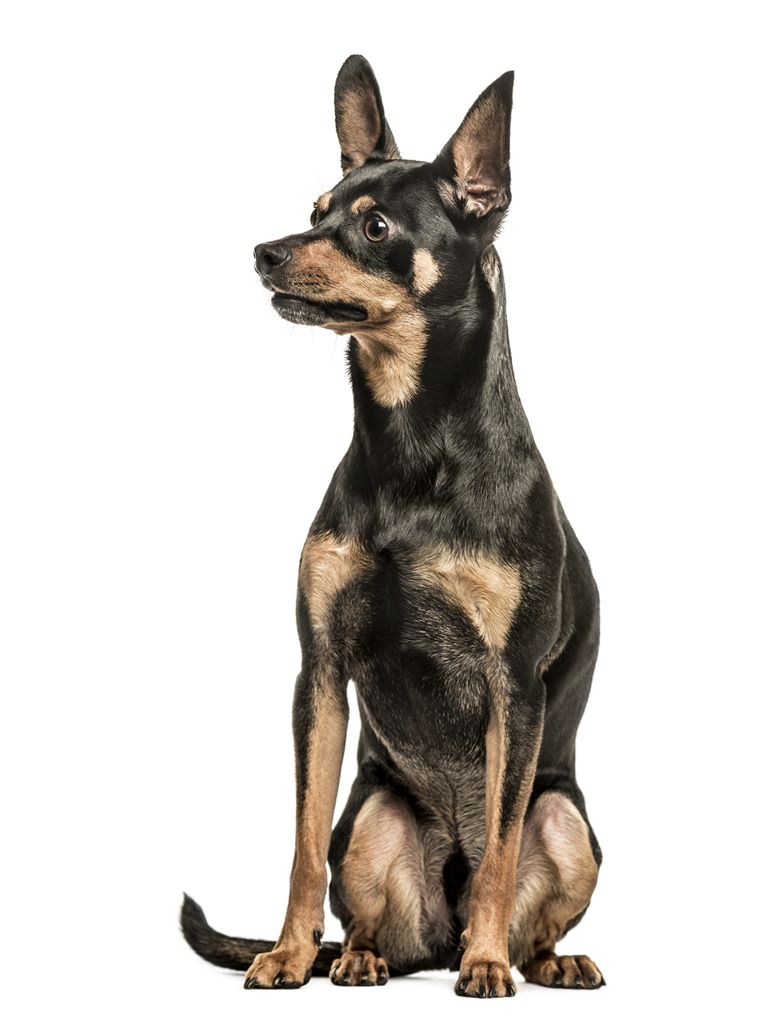
People often notice German Pinschers in one of two ways. Sometimes it is a sharp, athletic dog in the park that seems to clock everything happening around it. Other times it is a friend’s dog who looks sleek and contained indoors, then suddenly switches on outside, scanning, chasing leaves, ready for the next job.
It can be tempting to assume a short-coated, medium-sized dog will be straightforward, a bit of exercise, a quick brush, and you are done. With German Pinschers, the practical reality is a little more layered. They are typically bright, physical, and quick to form habits, which means the home set-up and daily rhythm matter as much as the breed label.
When they fit, they can be deeply satisfying to live with, especially for people who enjoy training and movement. When they do not, it is often because their needs were underestimated, not because the dog is “bad” or “stubborn”.
- Breed category: Working (AKC), Utility (Dogs Australia)
- Country of origin: Germany
- Height: about 43 to 51 cm
- Weight: commonly 11 to 20 kg
- Life expectancy: often 12 to 14 years
- Coat: short, smooth, moderate shedding
- Energy level: high, needs daily physical and mental work
- Good to know: strong prey drive is common, some can be sensitive to cold
Where the German Pinscher comes from, and why it still shows
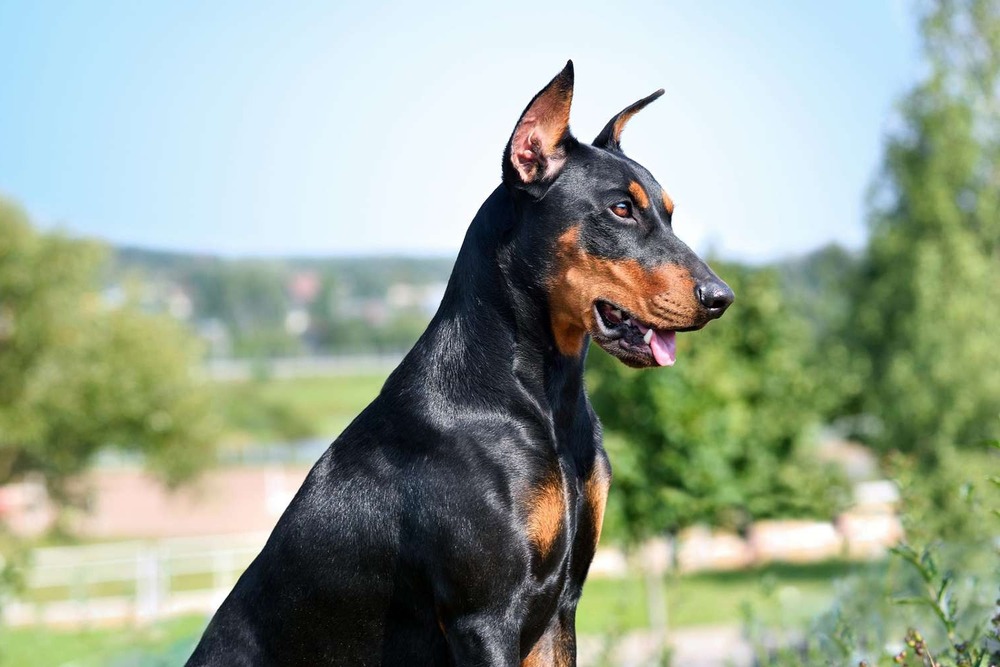
The German Pinscher developed as an all-purpose farm and stable dog in Germany, valued for vermin control and for being a capable watchdog. That background still comes through in many modern dogs: quick reactions, a watchful presence at home, and a tendency to take movement seriously.
They also sit within a broader pinscher and schnauzer family of breeds. In formal breed classification, the German Pinscher is recognised by the Federation Cynologique Internationale (FCI) as Deutscher Pinscher, and it sits in the pinscher and schnauzer group rather than herding or gundog categories.1
If you meet one that seems to patrol the house, or notices visitors before you do, that is not unusual. It is often a mix of natural vigilance plus learning what matters in your household.
Temperament in real homes, bright, watchful, and sometimes busy
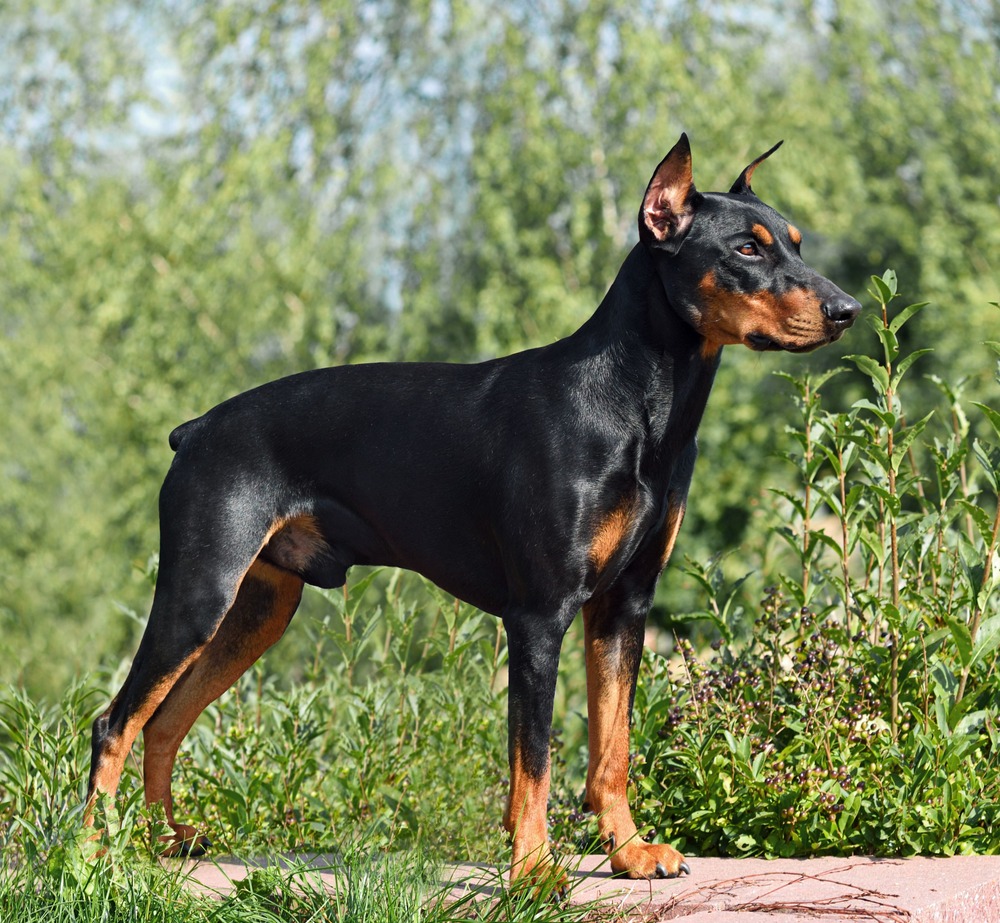
German Pinschers are typically described as alert, self-possessed, playful, loyal, and watchful. Those words can sound tidy on paper. In practice, they often look like a dog who follows the day closely, checks the fence line, and wants to be involved in whatever you are doing.2
Independence is part of the package. Many learn quickly, but they also tend to notice patterns and test whether a rule is always a rule. That can be a feature, not a flaw, if you enjoy training and can keep boundaries calm and consistent.
They are often affectionate with their people, but it is wise to avoid assuming every German Pinscher will love all strangers or every dog they meet. Social comfort varies by individual and early experience, and some will always prefer a little space at first.
Living with kids and other pets
In many families, German Pinschers do well with children, particularly when the dog has been raised with them or carefully introduced. Their athleticism can be wonderful in an active household, but it can also mean accidental knocks, especially with younger kids.
If you are bringing one into a home with cats or small pets, it helps to be honest about prey drive. Early management matters, plus slow introductions, clear barriers when you cannot supervise, and reinforcement for calm behaviour around small animals.
Useful household habits include:
- Supervised interactions until you are confident in the dog’s arousal levels and recovery
- Teaching kids to avoid hugging, cornering, or disturbing a resting dog
- Giving the dog a predictable rest zone, and honouring it
Training and exercise, what “enough” usually looks like

German Pinschers usually do best when exercise is not only physical. A brisk walk helps, but many also need problem-solving, scent work, and training games to settle well. Think in terms of daily outlets for both legs and brain.
Consistency beats intensity. A huge weekend run followed by quiet weekdays often leads to a dog who struggles to switch off. A steadier pattern, even if it is shorter, tends to work better for long-term behaviour.
Training approaches that often suit the breed include reward-based work, short sessions, and clear repetition. If you feel stuck, it is worth working with a qualified trainer who can help you build engagement without turning every interaction into a contest.
For dogs living in apartments, the environment can work well provided you can reliably meet exercise needs. A backyard is helpful, but it is not a complete plan on its own. Regular walks and enrichment still matter for physical health and for the dog’s social exposure.3
Health to watch, and what breeders and vets often discuss
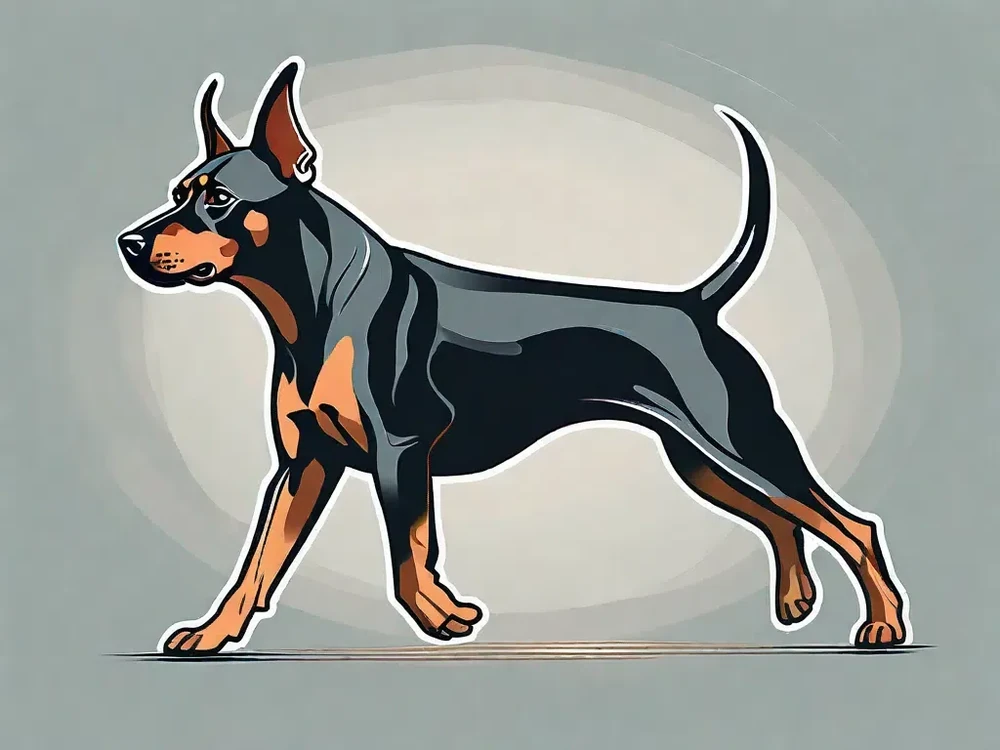
No breed is “health proof”, and German Pinschers are no exception. Like many medium-sized athletic dogs, orthopaedic issues can occur, including hip dysplasia. Hip dysplasia is a developmental condition influenced by multiple factors, including genetics and growth, and it can lead to osteoarthritis over time.4
Another topic that comes up in the breed is von Willebrand’s disease (vWD), an inherited bleeding disorder. It is not the first issue every owner encounters, but it is relevant in breeding conversations and worth asking about in health testing discussions.5
If you are choosing a puppy, it is reasonable to ask what health screening the parents have had, and how results are interpreted. If you already own a German Pinscher, a practical approach is to focus on weight management, fitness, and early assessment if you notice stiffness, changes in gait, or reluctance to jump.
Grooming and coat care, simple, but not zero-effort
The German Pinscher coat is short and generally low-maintenance. A weekly brush or rub-down can help with shedding and keeps skin and coat in good condition. You will still see hair in the house, particularly in warmer months, but it tends to be manageable.
Because the coat is short, many German Pinschers feel the cold more than people expect. In colder weather, they may benefit from a well-fitted coat on walks, especially if they are standing around at training or sport rather than moving continuously.
Also, check ears, nails, and teeth routinely. Dental disease is common in dogs overall, and home care can make a meaningful difference over a lifetime. If you use dental chews, consider products with the VOHC Seal of Acceptance and choose the correct size for your dog, with supervision while chewing.6
Feeding and body condition, supporting an athletic dog
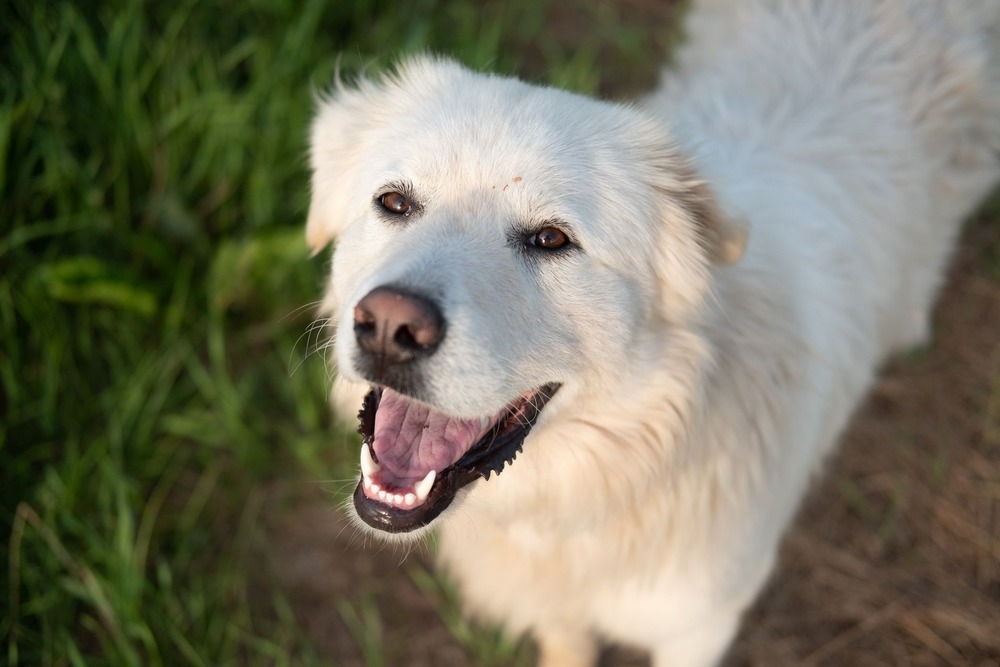
German Pinschers tend to look naturally lean and “tucked up”, so it can be easy to overfeed if you are comparing them to stockier breeds. Aim for a visible waist and a body that feels fit rather than padded.
Portion needs vary with age, desexing status, and activity. A dog doing training, running, or sport will often need a different energy intake than a dog whose exercise is mostly neighbourhood walks. Your vet can help you assess body condition and adjust food without guesswork.
If weight creeps up, do not blame yourself, it is common, and it is fixable. Small changes add up, especially when you keep treats part of the plan rather than “extras”. The RSPCA has sensible guidance on preventing obesity, including daily activity and careful feeding habits.3
Breed standards and practical expectations (including ears and tail)
Breed standards describe the ideal characteristics for conformation showing, and they can also be useful for understanding what “typical” looks like. In Australia, Dogs Australia lists the German Pinscher standard in the Utility group, describing a well-balanced, smooth-coated, medium-sized dog with elegant outlines, plus an alert, high-spirited temperament.2
You may also notice variation in ears and tails across countries and across individual dogs. Some dogs have natural ears and tails. Others may have altered ear or tail presentation depending on local rules, breeder choices, and the dog’s background. It is worth focusing on soundness and behaviour over cosmetic details.
Recognition and a quick note on dates
If you see different years listed for American Kennel Club recognition, you are not imagining it. The German Pinscher appeared in the AKC Miscellaneous Class in 2001, and later became eligible to compete in the AKC Working Group from 1 January 2003. AKC listings commonly refer to 2003 as the year recognised.7, 8
Final thoughts, who tends to love this breed
A German Pinscher often suits people who like a dog with opinions, stamina, and a sense of presence. They can be a pleasure to train and live with when the day includes regular movement, a bit of structure, and ongoing social learning.
If you are drawn to the look but unsure about the pace, it is worth meeting adult dogs, not only puppies, and talking to breeders and rescue groups about the dog’s daily needs. The best matches usually come from clear expectations rather than a perfect list of traits.
References
- Federation Cynologique Internationale (FCI), Deutscher Pinscher (No. 184) breed information
- Dogs NSW (Dogs Australia), German Pinscher breed standard (last updated 22 May 2009)
- RSPCA Australia, 4 ways to avoid obesity in your dog
- Merck Veterinary Manual (Pet Owner Version), Hip dysplasia in dogs
- German Pinscher Club of America, Health information on von Willebrand’s disease (vWD)
- Veterinary Oral Health Council (VOHC), Accepted Products list
- American Kennel Club (AKC), Breeds by Year Recognized
- American Kennel Club (AKC), German Pinscher history and recognition notes