

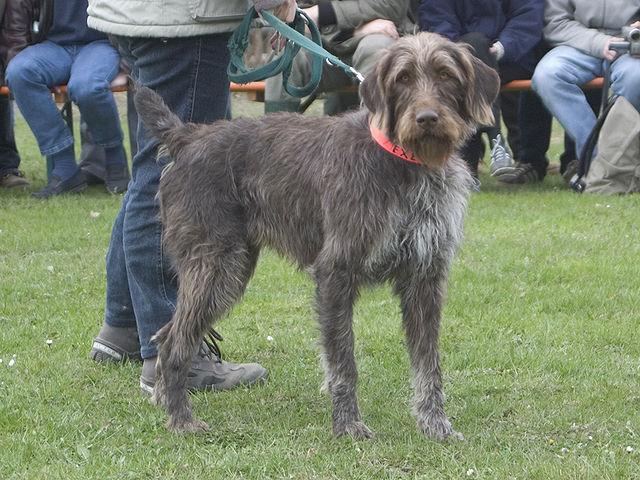
You might first notice a German Roughhaired Pointer because of the coat, that bristly, outdoorsy look that seems built for scrub, water, and long days in the paddock. Or you meet one at a park and realise the dog is not simply “energetic”, it is switched on, nose down, scanning, always ready for the next job.
It is tempting to treat that intensity as something a few extra walks will fix. In practice, this breed tends to do best when its daily life has purpose and variety, not just exercise for exercise’s sake. When those needs are met, you often see a calm, steady dog at home, and a very capable worker outside.
In Germany the breed is known as the Deutsch Stichelhaar, and while it is less common than other German pointing breeds, the aim behind it is familiar: a practical, tough-coated gundog that can hunt, retrieve, track, and cope with rough cover and weather.1
At a glance: what a German Roughhaired Pointer is built to do
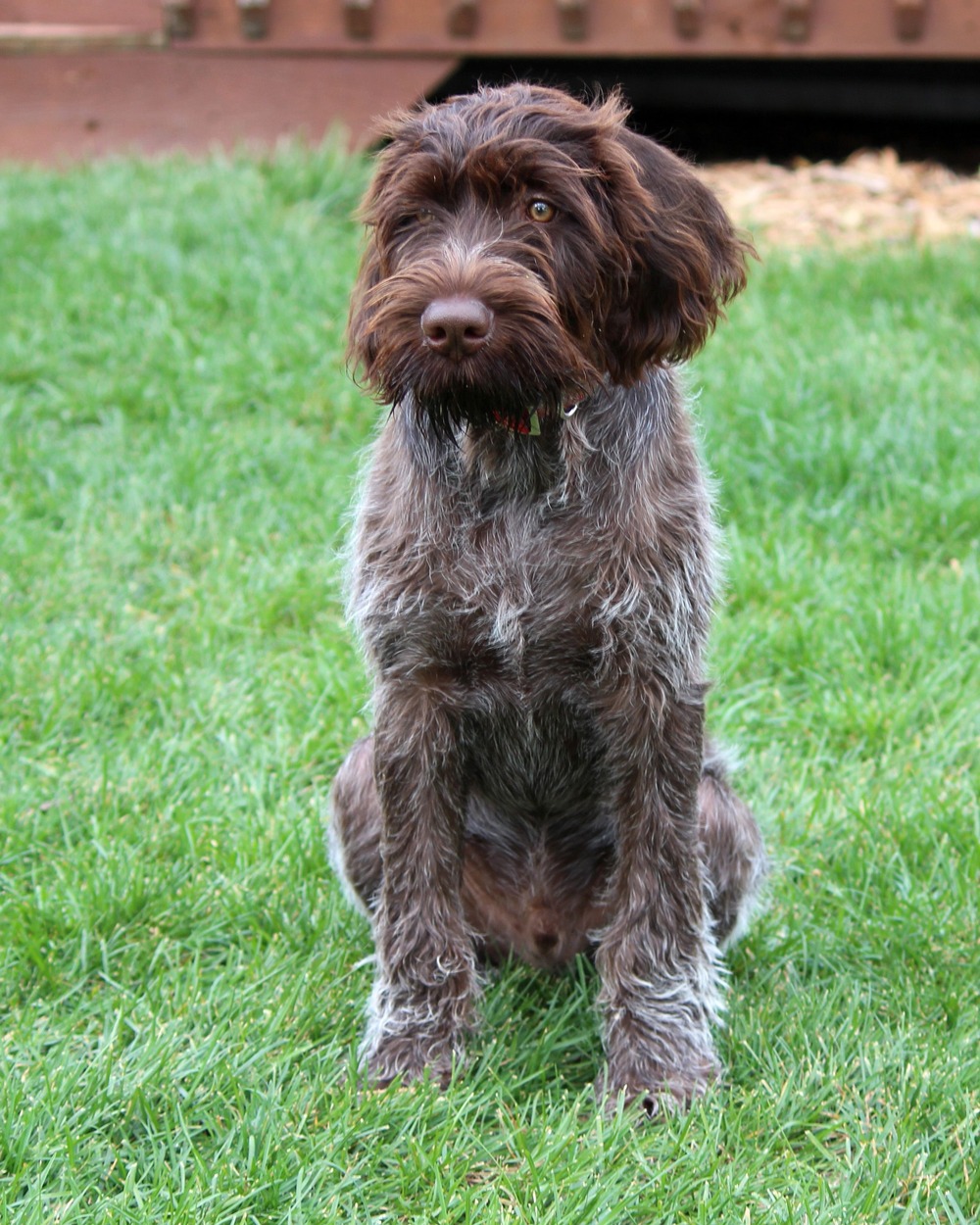
The German Roughhaired Pointer sits in the broader “hunt, point, retrieve” tradition of gundogs. That history shows up in day to day behaviour: strong scenting, persistence, and an instinct to use the body confidently in the environment.
- Breed group: pointing dog (gundog type)
- Origin: Germany
- Size: medium to large, athletic build
- Coat: harsh, bristly, weather-resistant
- Typical lifespan: often quoted around 12 to 14 years
Because the breed is comparatively uncommon in Australia, you may also come across mix-ups in naming. The German Roughhaired Pointer (Deutsch Stichelhaar) is not the same breed as the German Wirehaired Pointer (Deutsch Drahthaar), even though they can look similar at a glance and are often described in similar “rugged gundog” language.1, 6
Where the breed came from, and why the coat matters
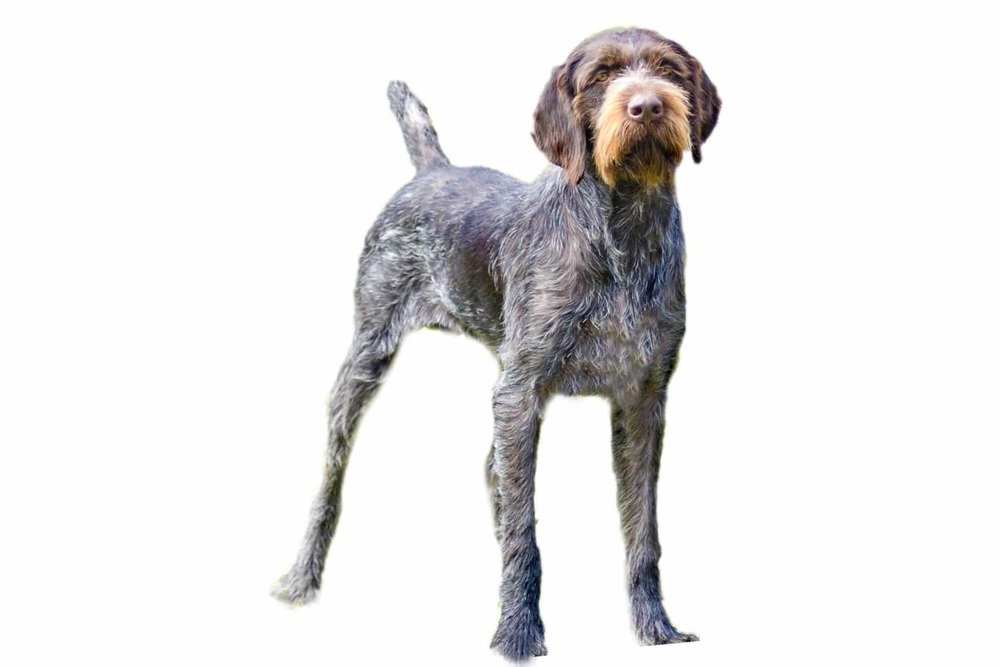
German hunters historically valued dogs that could work across mixed terrain and conditions. The Deutsch Stichelhaar developed as part of that wider effort to shape versatile pointing dogs, and its defining feature is right there in the name: a stiff, harsh coat designed to cope with thick cover and poor weather.1, 2
Modern breed standards and profiles still describe the dog in practical terms: strong, medium to large, with pronounced eyebrows and facial furnishings, and a coat that is bristly rather than soft or silky.2, 5
In official international classification, the Deutsch Stichelhaar is listed under FCI Group 7 (Pointing Dogs), with working trials noted as part of the breed’s framework.2
Appearance and temperament: what you tend to live with
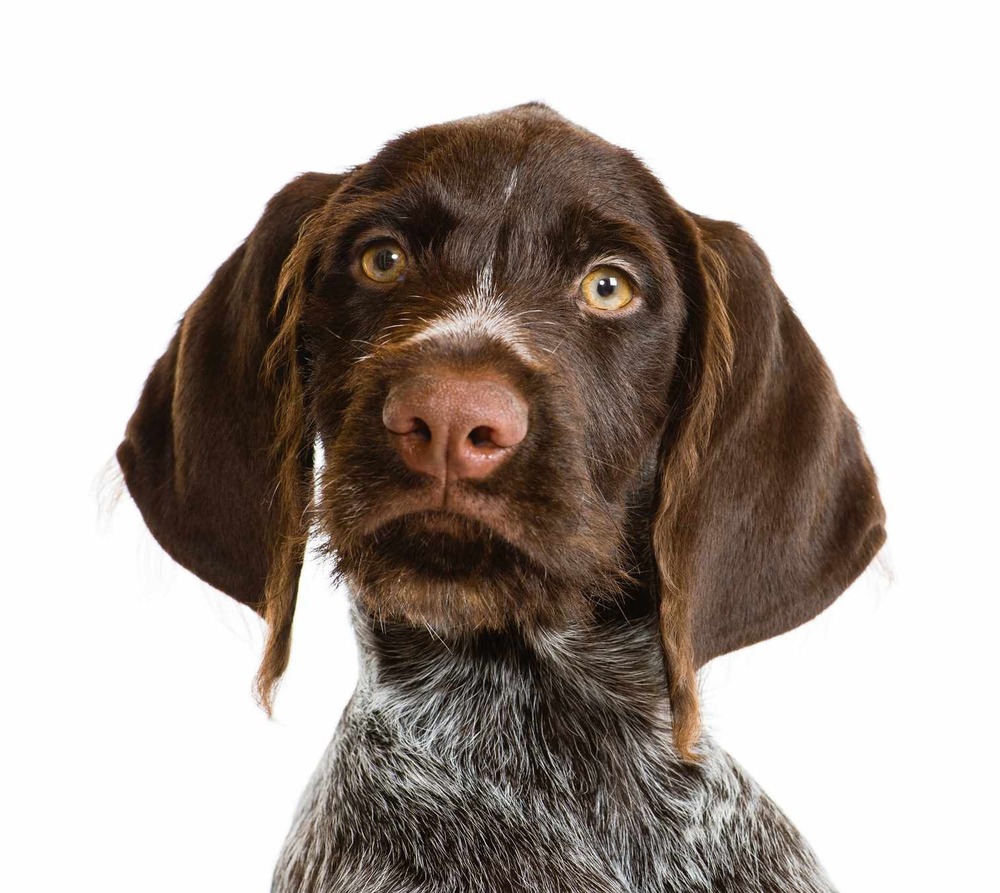
This is a robust, functional dog, not delicate, not ornamental. The outline is athletic, with enough bone to move through scrub and hold up to repeated work. Coat colours are typically various browns and roans, sometimes with white markings, which is consistent across breed descriptions.1, 2
Temperament is usually described in steady, capable terms rather than “clownish” or “velcro”. Breed standards commonly emphasise a dog that is calm and courageous, with self-control. That does not mean low-energy, it means the dog should be able to think while working and settle when the day is done.5
In a household, what people often find most noticeable is the combination of drive and sensitivity to routine. When the dog gets consistent outlets, you are more likely to see settled indoor behaviour. When it does not, you can see pacing, vocalising, and the kind of busy behaviour that looks like mischief but is often unmet need.
Family life, kids, and other pets
With children, the biggest factor is usually not “is the breed good with kids”, but whether adults can manage the dog’s size, strength, and arousal during play. Many gundog types are social and people-focused, but a large, enthusiastic dog can still knock a small child over without meaning to.
For most homes, sensible management looks like this:
- Supervise active play with kids, especially around visitors and high-excitement moments.
- Teach children not to grab facial hair, ears, or tail, and to leave the dog alone while it is eating or resting.
- Plan decompression time each day, where the dog can rest without being followed or climbed on.
With other animals, remember what the breed was selected for. Many individuals can live well with other dogs, and sometimes with cats, but early socialisation and ongoing management matter, particularly around fast-moving small pets. If you are unsure, it is worth getting support from a trainer who uses reward-based methods (more on that below).8, 9
Training that suits a thinking, high-drive gundog
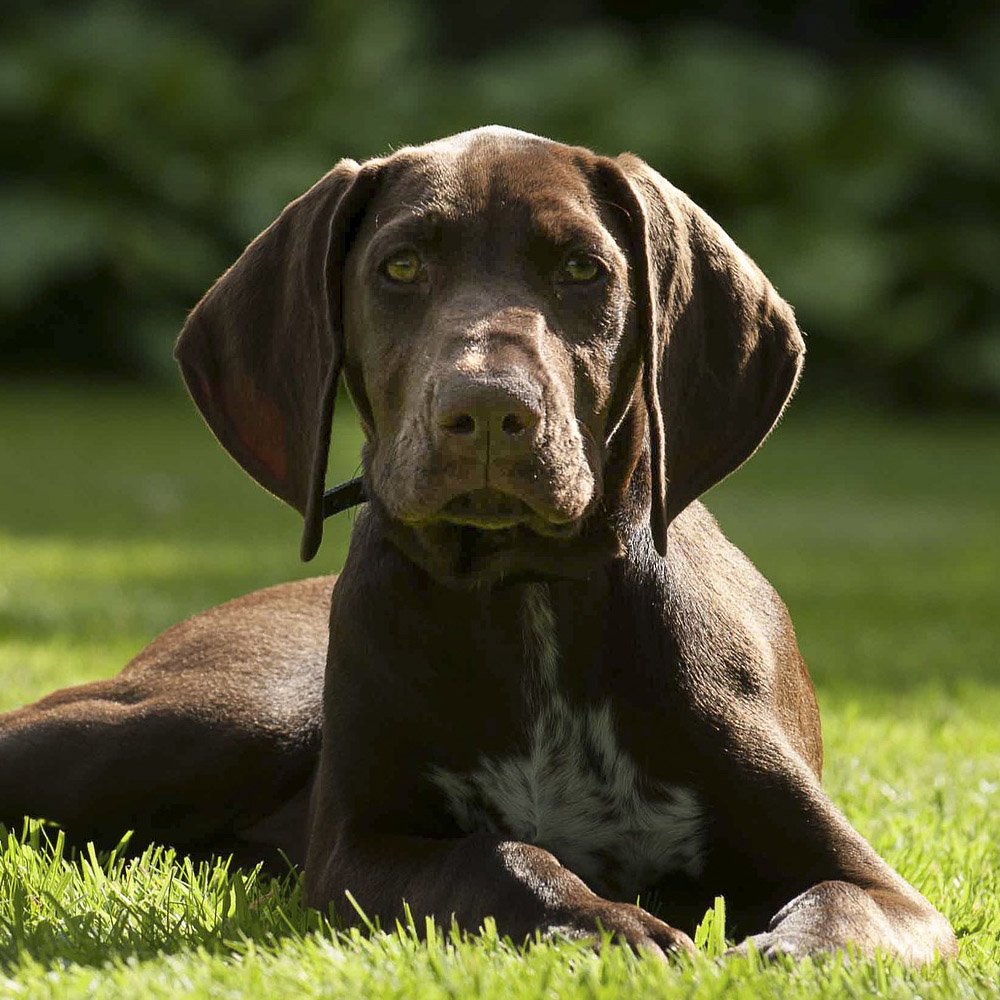
Because these dogs are typically intelligent and persistent, training tends to go best when it is clear, consistent, and motivating. It also helps to be realistic about what you are training for. A recall in the backyard is one thing. A recall off scent in an open area is another.
Veterinary behaviour guidance and major animal welfare organisations consistently recommend reward-based training, and caution against aversive tools and methods because of risks to welfare and the human-animal bond.7, 8, 9
Practical training priorities
If you live with a German Roughhaired Pointer, these are the skills that tend to make day to day life smoother:
- Recall with layers: start on a long line, practise around mild distractions, then gradually increase difficulty.
- Settle skills: teach a mat or bed behaviour, and reinforce calm, not just “busy obedience”.
- Handling tolerance: ears, paws, coat brushing, and vet-style touch, built slowly with treats.
- Polite greetings: a sit or four paws on the floor, practised with visitors and at gates.
If you are seeing reactivity, guarding, or intense chasing that feels hard to interrupt, getting early advice from your vet is a sensible step. A referral to a qualified behaviour professional can save months of frustration, and can prevent “quick fixes” from becoming long-term problems.7, 8
Exercise and enrichment: more than just kilometres
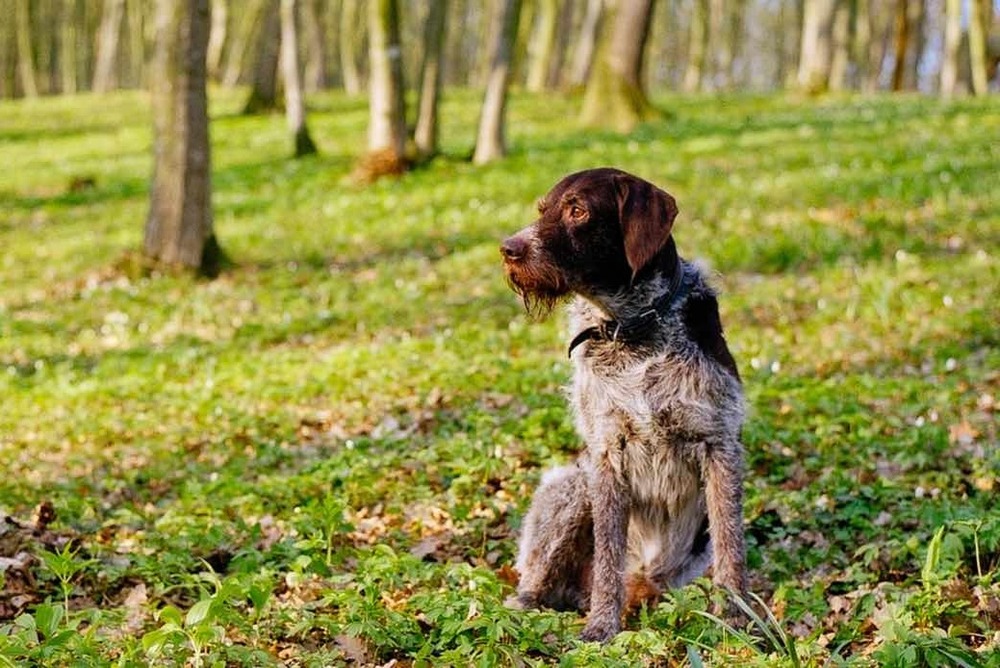
High-energy gundogs are often described as needing lots of exercise, which is true, but incomplete. Many owners discover that long runs can build fitness faster than it builds satisfaction. What helps most is a mix of movement and problem-solving.
Good outlets often include:
- Sniff-heavy walks where the dog can investigate and decompress.
- Retrieve games with rules, short reps, and rest breaks.
- Swimming, if safe and introduced gradually.
- Food puzzles, scatter feeding, and basic nosework games at home.
For a breed with working roots, structured activities can be especially helpful. If you hunt, field work is an obvious fit. If you do not, consider dog sports that reward focus and cooperation, or scent work that gives the nose a job.
Health considerations and preventative care
No breed is free of health risk, and even within a breed there is variation between lines. Two issues commonly mentioned for medium to large, active dogs, and for floppy-eared dogs, are hip dysplasia and ear disease.
Hips and joints
Canine hip dysplasia involves abnormal development of the hip joint, and signs can vary widely. Some dogs show pain and lameness, while others cope for a long time before arthritis becomes obvious. Weight management, appropriate exercise, and breeder health screening all matter here.3
Ears
Drop ears can create a warm, less ventilated ear canal, which can contribute to otitis externa in some dogs. If you notice head shaking, ear scratching, odour, redness, or discharge, it is best to see your vet rather than repeatedly cleaning at home, since treatment depends on what is actually happening in the canal and whether the eardrum is intact.4
A simple, practical rule is act early on ear signs. Chronic ear problems can become much harder to manage, and may involve underlying triggers such as allergy or foreign material (for example, grass seeds).4
Coat care, shedding, and day to day grooming
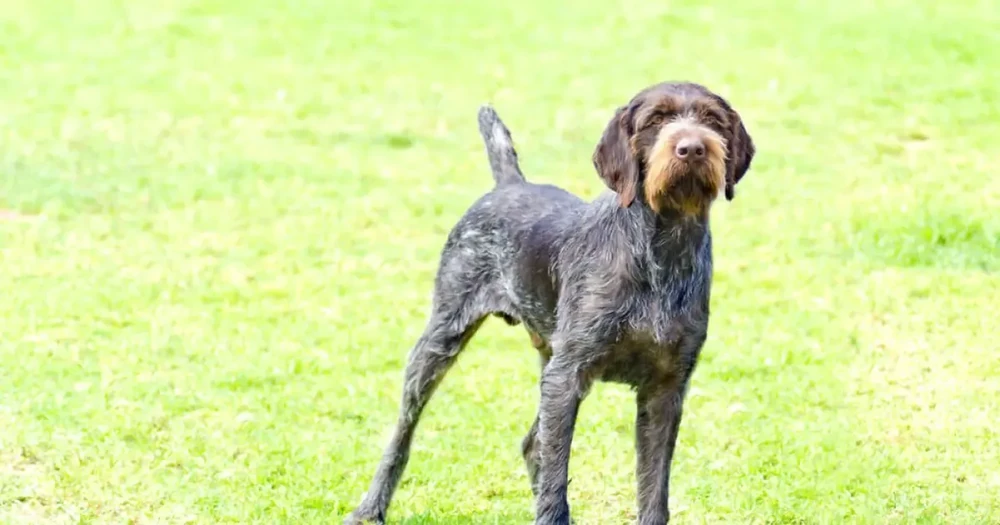
The rough coat is protective, but it is not maintenance-free. Regular brushing helps remove debris and loose hair, and it gives you a chance to check the skin after bush walks.
Most households do well with:
- Brush once or twice weekly, more often if the coat is picking up burrs or seeds.
- Check ears after swimming and after long grass sessions.
- Trim nails as needed, and keep an eye on paw pads, especially in hot weather.
If the coat becomes soft, fluffy, or prone to matting, it can be worth speaking to a groomer who has experience with harsh-coated breeds, as technique matters.
Feeding an active dog without overthinking labels
German Roughhaired Pointers tend to carry muscle well when they are exercised appropriately, but they can also gain weight if the exercise drops while meals and treats stay the same. For joint health and long-term comfort, keeping a lean body condition is one of the quiet wins of dog care.
When choosing food, it helps to look beyond marketing language. The World Small Animal Veterinary Association (WSAVA) nutrition resources highlight that ingredient lists can be misleading, and that diet selection is best done with attention to the overall formulation, quality control, and whether the diet is complete and balanced for your dog’s life stage.10
If you are training a lot, treats matter nutritionally. You can reserve part of the daily ration for training, use small pieces, and choose rewards that your dog values without turning every session into a high-calorie event.
Living well with the breed
The German Roughhaired Pointer can be a deeply rewarding dog for the right home. The key is to appreciate what the dog was built for, and to make room for those instincts in a modern life.
If you are considering the breed, the most useful question is often not “is this dog easy”, but can my routine support daily movement, daily mental work, and calm, consistent training. When the answer is yes, these dogs often show their best qualities, steady companionship, capability, and a real readiness to partner with you.
References
- Wikipedia: German Roughhaired Pointer (Deutsch Stichelhaar)
- Federation Cynologique Internationale (FCI): Deutsch Stichelhaar (No. 232)
- Orthopedic Foundation for Animals (OFA): Hip Dysplasia
- Australian Veterinary Prescribing Guidelines (University of Melbourne): Otitis externa and ear care
- United Kennel Club (UKC): German Rough Haired Pointer breed standard
- Wikipedia: German Wirehaired Pointer (for comparison and common mix-ups)
- American Veterinary Society of Animal Behavior (AVSAB): Position Statements and Humane Dog Training
- RSPCA Knowledgebase: Reward-based dog training and why the RSPCA supports it
- RSPCA Knowledgebase: Training recommendations and avoiding aversive methods
- WSAVA: Global Nutrition Guidelines