

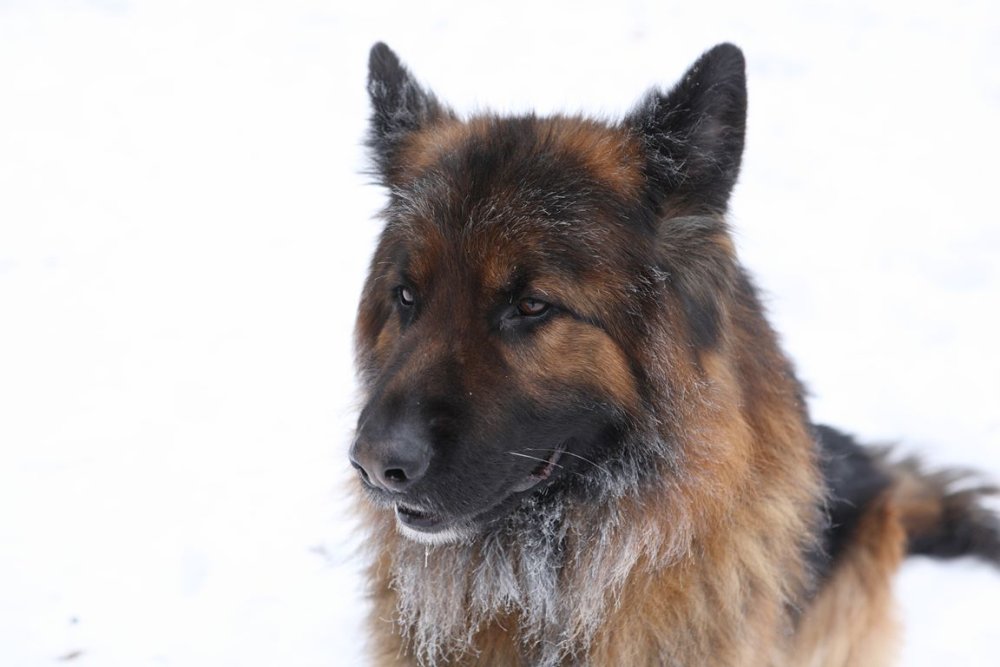
You usually do not go looking for a German Shepherd in the abstract. You notice one at the park that seems tuned in to its person, you meet a calm, steady dog at a friend’s house, or you find yourself weighing up a breed that can be both a companion and a capable helper.
German Shepherds have a reputation for being clever and protective, and both can be true. What people often miss is how much those qualities depend on daily life: the right kind of social contact, clear training, enough movement, and a home that understands what a working breed needs in order to settle.
If you are considering a German Shepherd, or living with one already, it helps to look past the headlines. A well-bred, well-raised Shepherd can be an adaptable family dog. A bored or poorly managed Shepherd can become hard work very quickly, not out of spite, but because the dog is doing the best it can with the skills and outlets it has.
German Shepherd snapshot
Breed group: Working (herding origins).
- Height: dogs 60 to 65 cm, bitches 55 to 60 cm at the withers.1
- Weight: dogs 30 to 40 kg, bitches 22 to 32 kg.1
- Coat: double coat, sheds year-round, heavier seasonal sheds are common.
- Typical lifespan: often around 9 to 13 years, with wide variation depending on breeding and health care.
- Temperament: commonly alert, trainable, people-focused, and capable of guarding behaviour in the right context.
Where the breed came from, and why it still matters
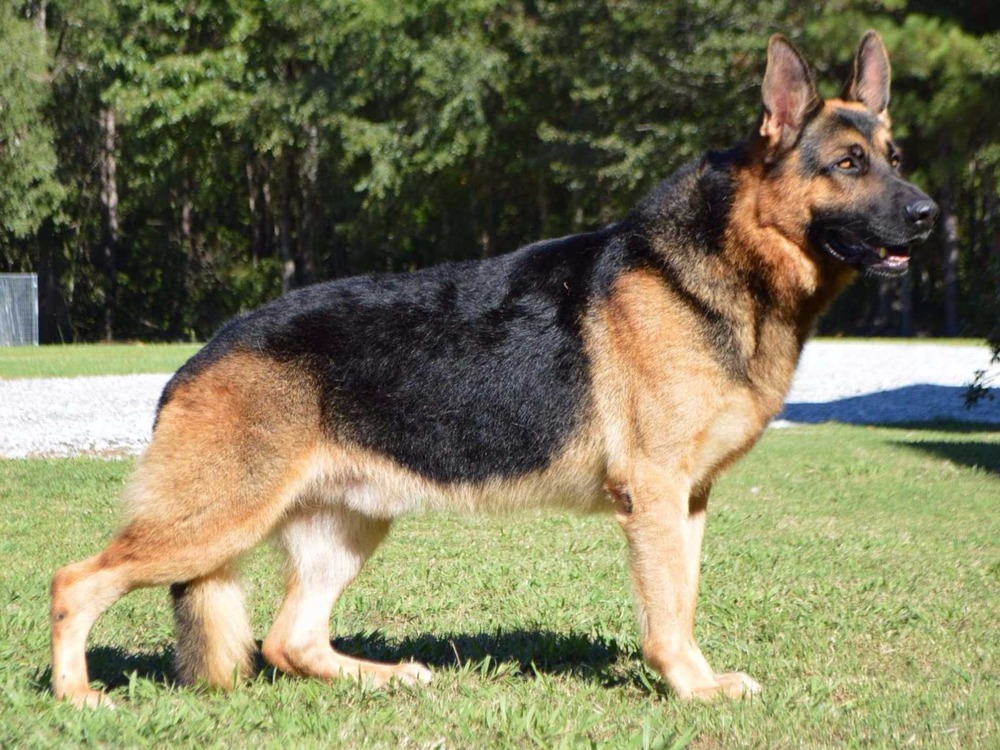
The German Shepherd Dog was developed from regional herding and farm dogs in Germany, shaped into a more consistent “type” at the end of the 1800s. Captain Max von Stephanitz is closely associated with that early standardisation, including the purchase and registration of Horand von Grafrath in 1899, often described as the first dog registered as a German Shepherd Dog.2, 3
That origin story matters because it explains the modern dog. The classic Shepherd strengths, such as endurance, responsiveness to handling, and readiness to notice change in the environment, are exactly what made a good herding and property dog. In a suburban life, those same traits can show up as high awareness and a strong preference for being included in what is happening.
Breed standards still emphasise function. Australian breed guidance describes a medium-sized, slightly elongated, muscular dog, where structure supports an enduring, efficient gait, and where appearance is secondary to usefulness as a working dog.1
Appearance and movement: what is normal, what is a red flag
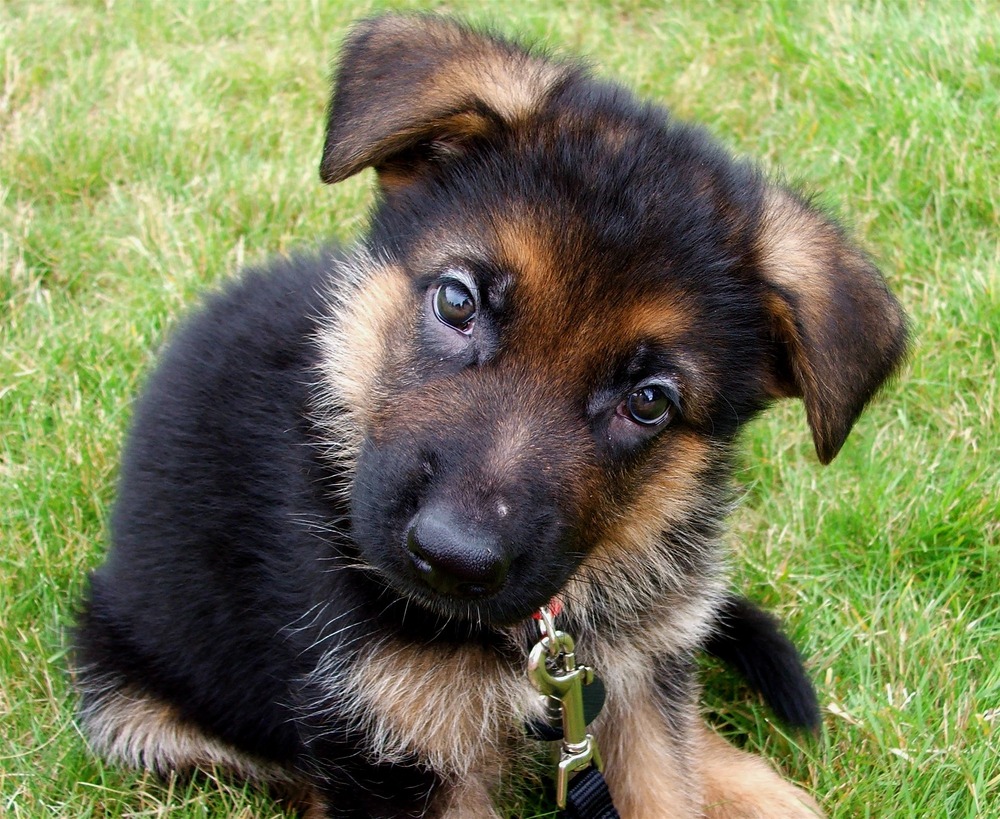
Most German Shepherds are instantly recognisable: upright ears, a strong neck and forequarters, and an outline built for covering ground. Coat length can vary (shorter “stock coat” and longer coats exist), and colours include black and tan, sable, and all-black.
It is worth knowing that “German Shepherd” is not one uniform look. Lines bred primarily for work can differ in build and energy from lines bred mainly for the show ring. That does not automatically make one better than the other, but it does mean you should match the dog in front of you to the life you can realistically provide.
When you are meeting breeders or assessing a rescue dog, pay attention to how the dog moves. A smooth, balanced gait and an ability to get up and down comfortably matter more than dramatic angles or an exaggerated silhouette. If you notice persistent lameness, bunny-hopping behind, reluctance to jump, or stiffness after rest, it is sensible to ask your vet about orthopaedic screening and management.
Temperament in real homes: loyal does not mean easy
German Shepherds are often described as loyal, intelligent, and protective. In practice, that can look like a dog that tracks you from room to room, learns routines quickly, and alerts when someone comes to the door.
The tricky part is that these dogs can also be sensitive to their environment. A Shepherd that is under-socialised or repeatedly pushed past its comfort level may become reactive, overly vigilant, or hard to settle. This is not a character flaw. It is often a combination of genetics, early experience, and day-to-day management.
If you want a German Shepherd as a family dog, aim for steady confidence, not sharpness. Good breeders prioritise stable temperaments, and good handlers keep life predictable: clear rules, plenty of rest, and enough mental work that the dog does not create its own job.
Living with children and other animals
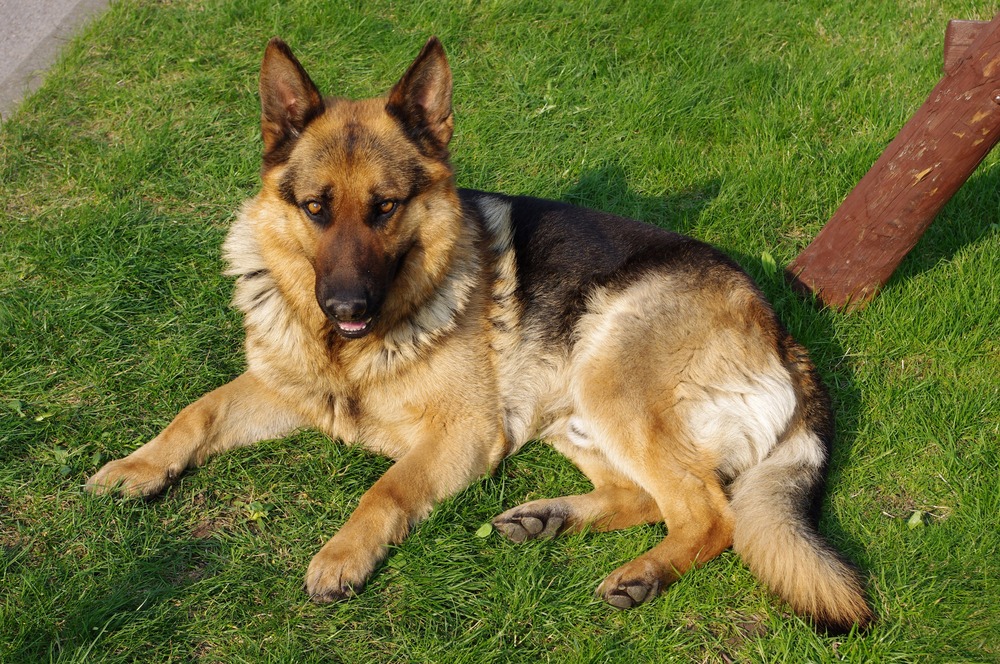
Many German Shepherds can live well with children, particularly when the dog is raised with them and the adults supervise closely. It helps to think in terms of safety systems rather than trust. Children can move unpredictably, grab, squeal, and run, which can trigger chasing, herding, or guarding behaviours in some dogs.
With other pets, outcomes vary. Early, thoughtful introductions are important, and some individuals will always need management around smaller animals. If you are adopting an adult Shepherd, ask the rescue for detail about prior cat or dog exposure, and plan for a slow, structured settling-in period.
- Supervise child and dog interactions, especially around food, toys, and resting spots.
- Teach children simple, safe habits, such as not hugging the dog, not climbing on the dog, and letting the dog walk away.
- Use baby gates, crates, and separate feeding areas to reduce preventable friction.
Training and socialisation that suits the breed
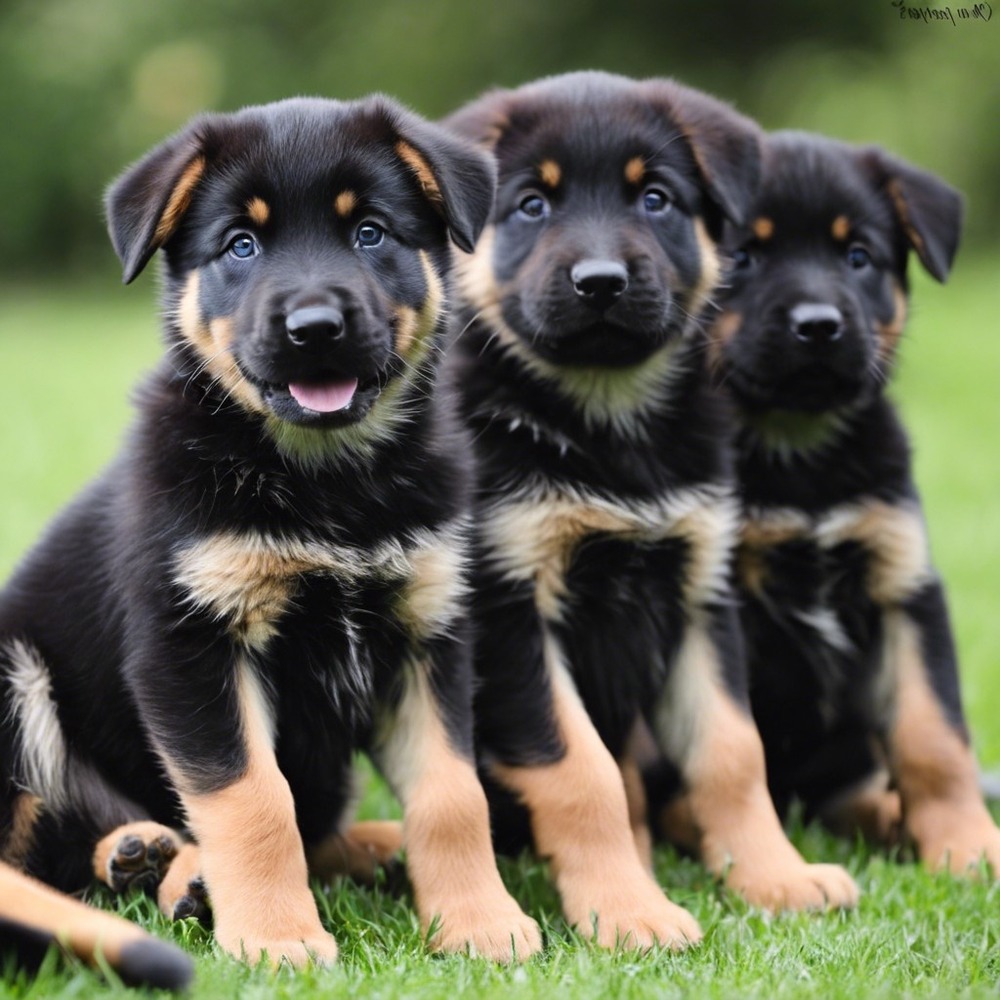
German Shepherds tend to learn quickly, which can be wonderful and inconvenient. They do not just learn “sit”, they learn the entire pattern of what earns attention. That is why consistency matters more than intensity, and why short, regular sessions often beat long, exhausting drills.
Reward-based training is strongly supported by major animal welfare organisations. The RSPCA, for example, recommends training built around positive reinforcement and advises avoiding aversive techniques and equipment that rely on pain, fear, or intimidation, because these can increase risks for both dogs and people and may worsen behavioural issues.4
A practical approach for most households is to focus on three everyday skills early:
- relaxing on a mat or bed while life happens around them
- coming when called, including away from distractions
- walking calmly on lead without constant correction
Socialisation is not about flooding a puppy with experiences. It is about carefully pairing new sights, sounds, people, and dogs with good outcomes, and backing off before the dog is overwhelmed. If you are unsure, a qualified reward-based trainer can help you plan safe exposure that suits your dog’s stage of development.
Exercise and mental work: the part people underestimate
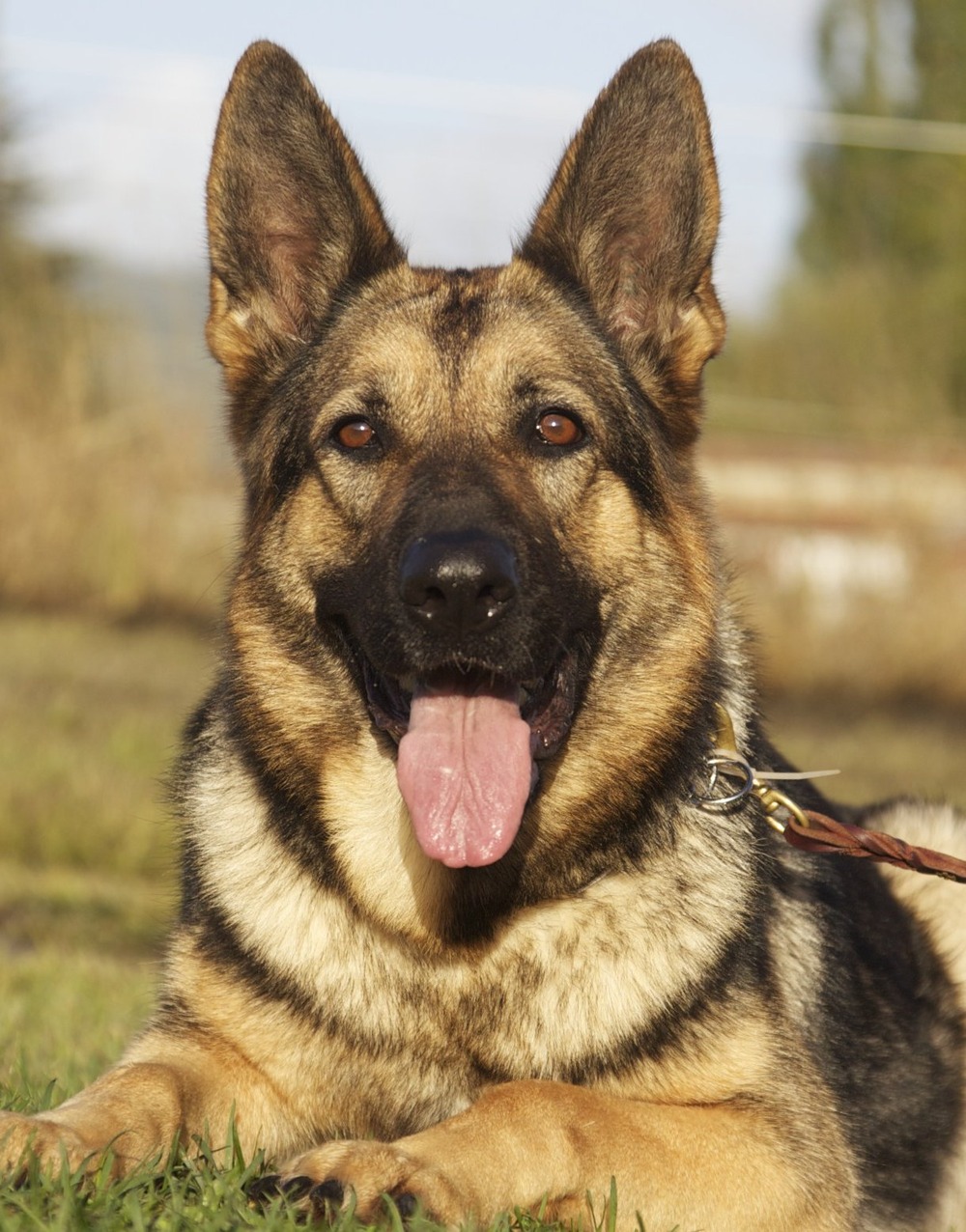
Most German Shepherds need daily movement, but just as importantly, they need a sense of purpose. For some dogs that is obedience and scent games. For others it is structured play, carrying a toy on walks, or learning to settle in busy places.
Aim for a blend of aerobic exercise and brain work, and watch the dog in front of you. A young, fit Shepherd might thrive on longer walks and training games. A dog with joint concerns may do better with lower-impact exercise, more sniffing, and shorter sessions spread across the day.
If your dog seems “tired but wired” in the evenings, it can be a sign that the day has been stimulating but not settling. Building a routine that includes calm downtime, chewing, and quiet enrichment often helps as much as adding extra kilometres.
Health considerations to plan for
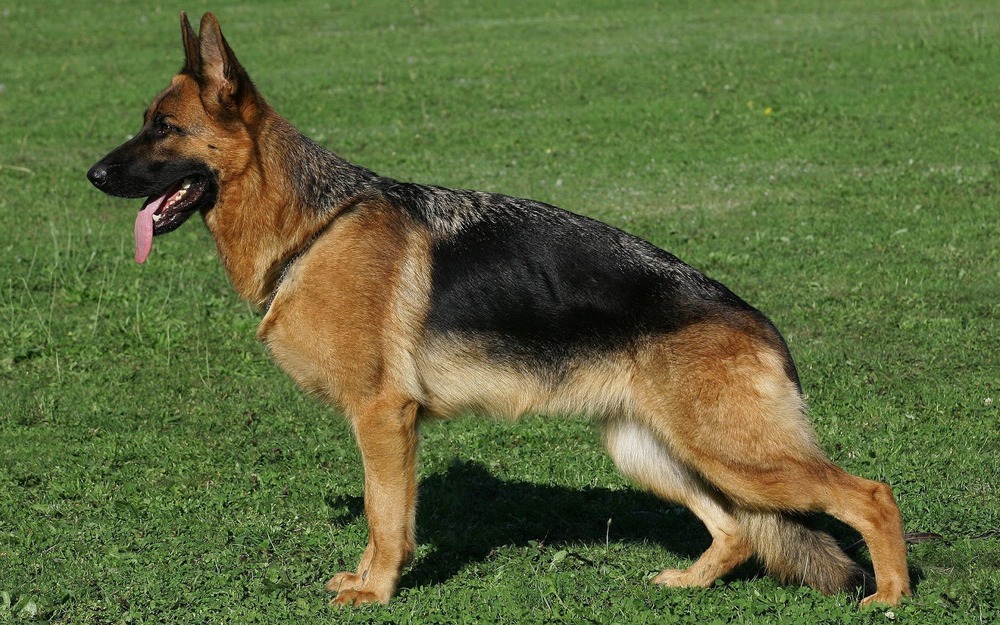
German Shepherds can be robust dogs, but they are also associated with some predictable health risks. Hip and elbow dysplasia are well-recognised concerns in the breed, and responsible breeders use screening programs to reduce risk over generations.1, 5
Digestive emergencies are also worth understanding. Gastric dilatation-volvulus (GDV), often called “bloat”, is a sudden, life-threatening condition where the stomach distends and can twist. Large, deep-chested dogs are at increased risk, and GDV requires immediate veterinary treatment.6, 7
Seek urgent veterinary help if you see repeated unproductive retching, a rapidly enlarging abdomen, collapse, or obvious distress. If you own a large breed dog, ask your vet about practical risk reduction steps and whether preventive gastropexy is relevant for your dog.6, 7
Grooming and coat care (and how to stay sane in shedding season)
The German Shepherd double coat is designed for outdoor work, so it sheds. Regular brushing helps keep the undercoat from compacting and reduces the amount that ends up in your house. It also gives you a chance to notice skin changes, parasites, new lumps, or sore spots early.
Many owners find a simple routine works best:
- quick brush-through a few times a week
- more frequent undercoat work during heavier seasonal sheds
- baths only when needed, using a dog-appropriate shampoo so you do not strip the coat oils
If your dog’s coat becomes dull, flaky, or unusually smelly, treat it as a health clue rather than a grooming failure. Skin and coat changes can be linked to parasites, allergies, endocrine issues, or diet, and your vet can help you narrow it down.
Feeding: focus on the whole diet, not the marketing
German Shepherds do best on a diet that suits their life stage, body condition, and activity level. That sounds obvious, but it is easy to get pulled into ingredient-list debates, especially online.
The World Small Animal Veterinary Association (WSAVA) Global Nutrition Guidelines emphasise the importance of an individual nutritional assessment, including diet history, body condition scoring, and tailoring recommendations to the individual animal, rather than relying on assumptions or marketing claims.8
Two practical points that help many Shepherd households:
- Monitor body condition and adjust portions early, because gradual weight gain can sneak up and it matters for joints.
- For dogs at risk of gulping meals, use slower feeding methods and consider splitting daily food into multiple smaller meals, which is commonly advised in GDV risk discussions.6, 7
If you are considering supplements (for joints, skin, or digestion), it is worth checking in with your vet first so you are not doubling up ingredients or missing a treatable medical cause.
Famous German Shepherds, and what pop culture leaves out
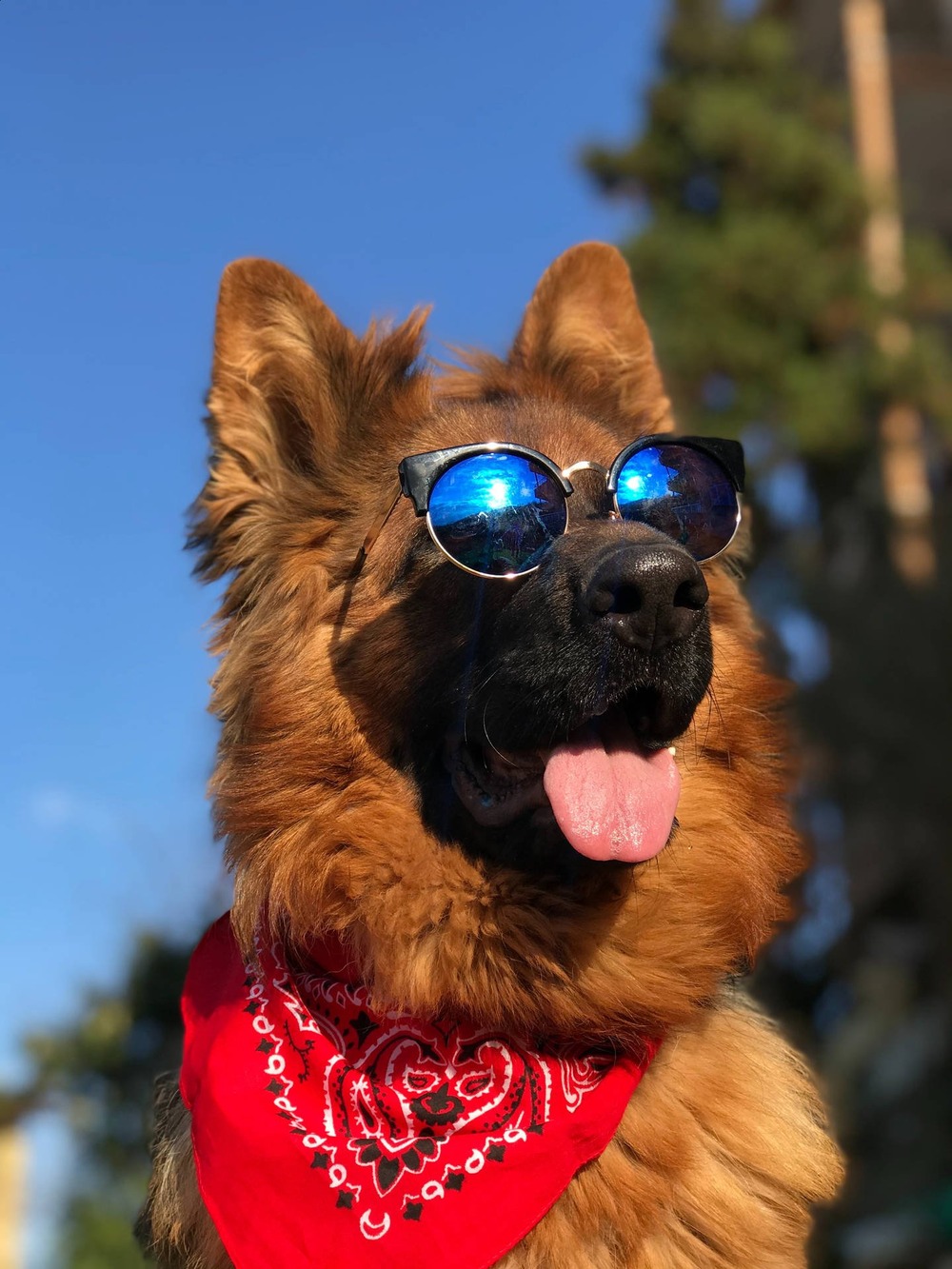
German Shepherds have been featured heavily in film, television, and working roles, which has shaped public expectations. Rin Tin Tin is one of the best-known examples, rising to fame in early Hollywood and helping cement the breed’s reputation for trainability and presence.9
Pop culture tends to show the polished result: a dog that performs on cue, travels well, and ignores distractions. The real story is usually quieter. It is the daily repetition, the skill of the handler, and a dog whose needs are met consistently enough that good behaviour becomes easy.
Final thoughts
A German Shepherd can be a remarkably capable companion. The breed often suits people who like training, enjoy routine, and are happy to include a dog in daily life rather than trying to fit the dog around it.
If you are choosing a puppy, take your time with the breeder, ask about health screening, and look for stable temperaments in the parents. If you are adopting, focus on what the dog does in real contexts, and plan support early. With the right match and thoughtful care, the best of the German Shepherd is not flashy at all. It is steady, responsive, and quietly reliable.
References
- Dogs Australia (ANKC). German Shepherd Dog breed standard
- German Shepherd Dog Council of Australia. Breed standard and background
- Encyclopaedia Britannica. German shepherd
- RSPCA Knowledgebase. Training recommendations and reward-based methods
- Orthopedic Foundation for Animals (OFA). Hip dysplasia in dogs
- Cornell University College of Veterinary Medicine. Gastric dilatation volvulus (GDV) or bloat
- American College of Veterinary Surgeons (ACVS). GDV and gastropexy
- WSAVA. Global Nutrition Guidelines
- Encyclopaedia Britannica. Rin Tin Tin