

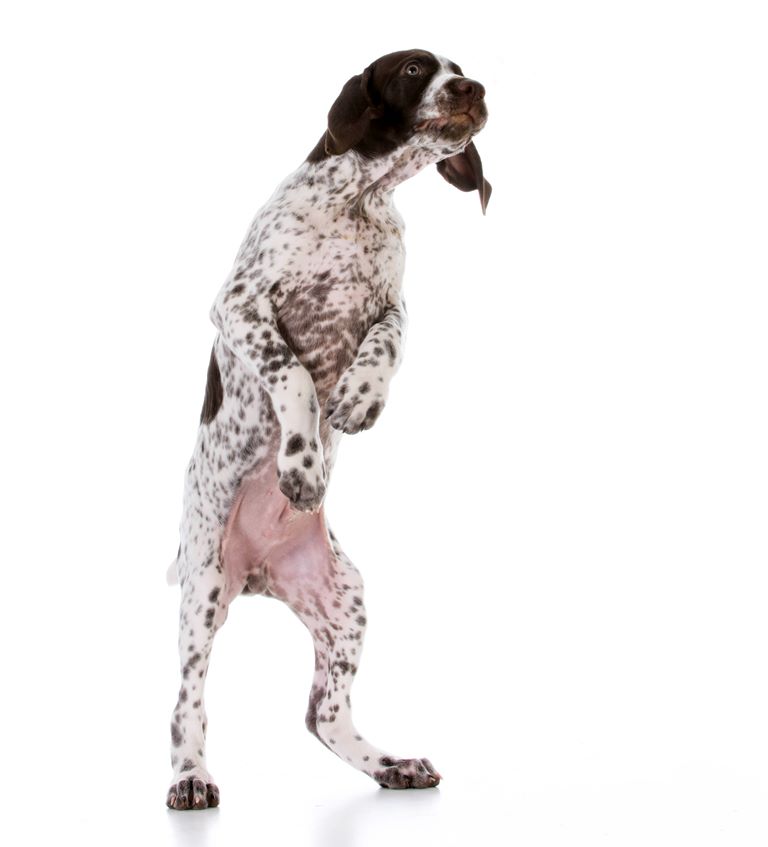
You might meet a German Shorthaired Pointer at the park and notice two things straight away: the effortless athleticism, and the way they seem to be taking in every scent, sound, and movement around them. They are the sort of dog that looks ready for the next activity, even when they are standing still.
It is easy to assume a “hunting dog” is only for hunters, or that high energy just means “needs a bigger backyard”. In practice, this breed tends to do best with something more specific: daily work for body and brain, clear routines, and people who enjoy training as part of ordinary life.
When those pieces are in place, German Shorthaired Pointers can be remarkably steady companions. When they are missing, owners often find themselves dealing with restless pacing, scavenging, or a dog that looks “naughty” when it is really just under-stimulated. Understanding what the breed was built to do helps you set up a home that suits them.
- Breed group: Gundog (sporting type)1
- Height: males about 58 to 64 cm, females about 53 to 59 cm1
- Weight: females about 20 to 27 kg, males about 25 to 32 kg (typical ranges)2
- Life expectancy: often around 10 to 14 years3
- Coat: short, dense, generally low maintenance, moderate shedding
Where the breed came from, and why it still shows

The German Shorthaired Pointer was developed in Germany as a versatile gundog, expected to hunt on land and in water, track, point, and retrieve. That “all-rounder” brief is still written into the modern dog: strong endurance, a keen nose, and a tendency to stay busy if you do not give them a job.
The Australian breed standard describes an animal built for strength, endurance, and speed, with a firm, balanced temperament and a body just slightly longer than tall.1 That functional build matters for everyday owners because it explains why many GSPs thrive on longer, purposeful outings rather than a quick lap around the block.
You will also see the working influence in the way many individuals move through the world. They often scan, quarter, and investigate, sometimes with that classic “pointer” stillness when something interesting catches their attention. It is not stubbornness, it is a normal behaviour pattern for a dog bred to locate game.
Appearance and the little physical details that matter
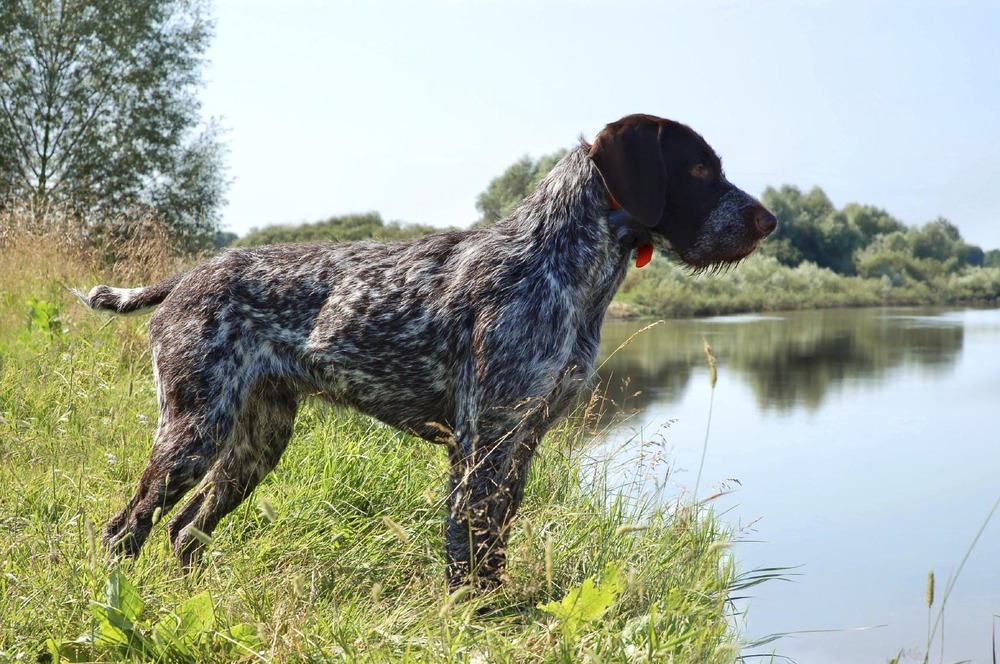
Most people recognise the sleek coat and athletic outline, but the details are worth understanding because they link directly to care. The coat is short and close, which is convenient for grooming, but it also means some dogs can feel the cold more than you might expect on winter mornings or after swimming.
Colours commonly seen include solid liver, or liver and white in various patterns such as ticking and roan.4 In some standards, black and white combinations are also recognised, depending on the kennel club and country.4
Many German Shorthaired Pointers have slightly webbed feet, which can help with swimming. More important than the trivia is the practical outcome: this is often a dog that genuinely enjoys water work, and swimming can be a helpful low-impact option if you are managing joints or building fitness gradually.
Temperament in real homes
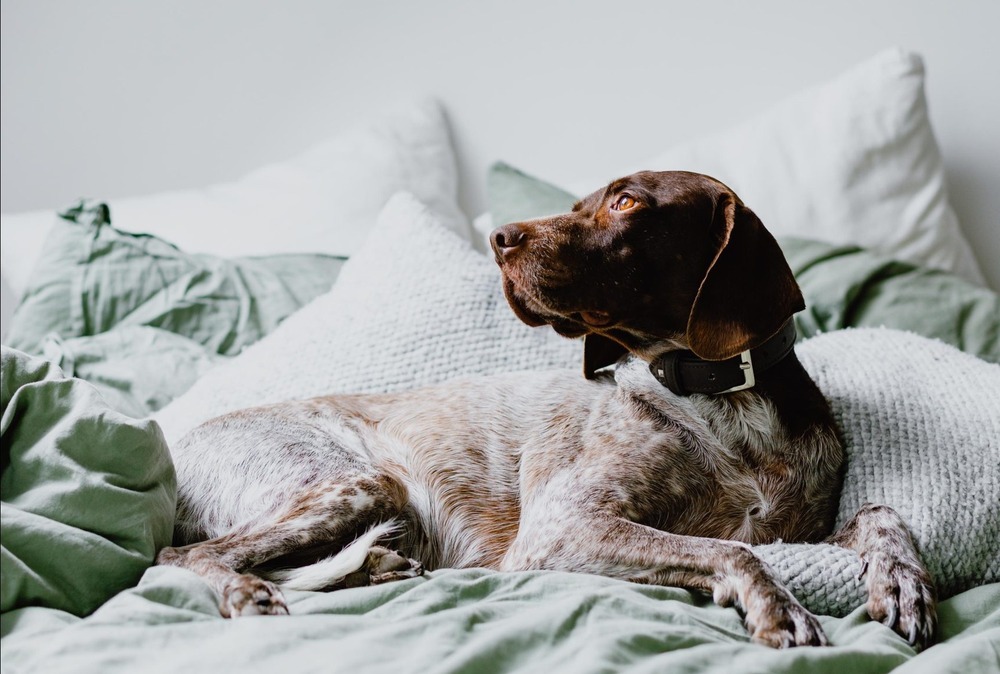
Well-bred, well-managed GSPs are commonly described as friendly, intelligent, and willing to work with people. Breed standards tend to emphasise steadiness and reliability rather than sharpness or nervousness.1 Still, individual dogs vary, and early experiences can shape how confident they feel in new places.
A common misconception is that a “high energy” dog simply needs more kilometres. Many German Shorthaired Pointers need that too, but they also need structured mental outlets: sniffing games, retrieving, tracking-style walks, obedience foundations, or dog sports. Without this, you can end up with a dog that is physically fit and mentally frustrated.
With children, the key issue is often not aggression but enthusiasm. Their play can be bouncy and physical. Calm adult supervision, teaching kids dog-safe handling, and building a reliable “settle” cue can make family life smoother for everyone.
Training that suits the breed

German Shorthaired Pointers usually respond best to training that is clear, consistent, and rewarding. Reward-based training is widely recommended by animal welfare and veterinary behaviour organisations, both for effectiveness and for supporting welfare.5, 6
It helps to think in terms of what you are building, not what you are stopping. For many GSP households, the practical priorities are:
- Recall foundations, taught gradually and proofed around distractions.
- Loose lead walking that makes room for sniffing and decompression.
- Impulse control games (wait, leave it, settle) that fit into daily routines.
- Safe socialisation, so the dog learns to cope with novel people, dogs, and environments without becoming overwhelmed.
If you are working on reactivity, separation distress, or chasing behaviour that feels out of control, it can be worth involving your vet early. They can rule out pain or health factors, and refer you to an appropriately qualified trainer or veterinary behaviourist.
Exercise and enrichment, beyond “a walk a day”
Most German Shorthaired Pointers need substantial daily activity, and they tend to do best when it is varied. Running next to a bike might look impressive, but plenty of GSPs get more settled from a combination of aerobic exercise and nose-led work.
Good options include brisk walks with sniffing time, recall games, swimming, retrieving, and sports such as agility, obedience, and tracking. A useful rule of thumb is to aim for consistent daily outlets, not occasional giant weekends followed by quiet weekdays.
In Australian conditions, heat management needs to be part of the plan. On very hot days, shift exercise to early morning or later evening, keep sessions shorter, and avoid hot surfaces. If you cannot hold the back of your hand on the pavement for more than a few seconds, it is too hot for paws.7
Health patterns to be aware of
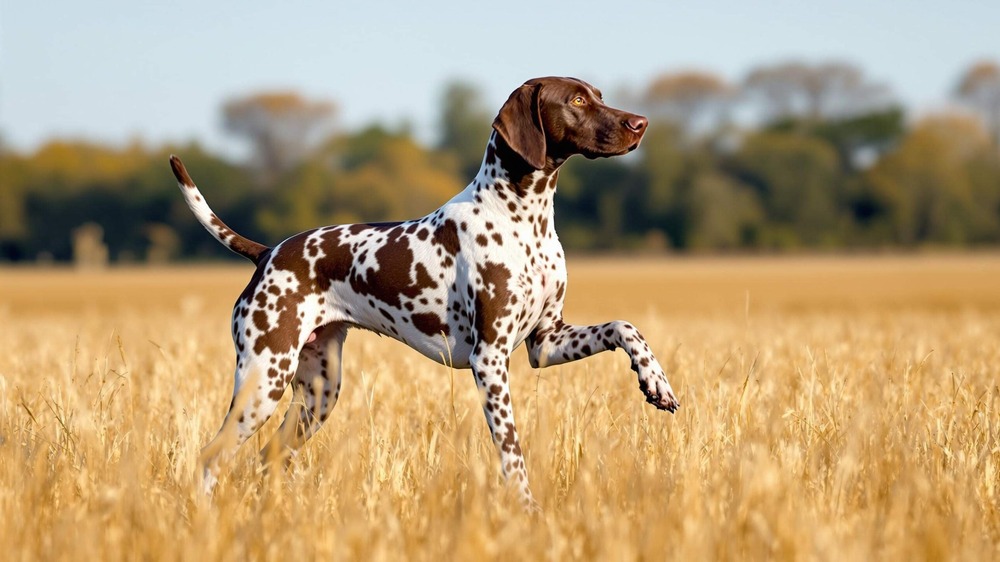
No breed is “problem free”, but German Shorthaired Pointers are often considered generally healthy when responsibly bred. Conditions owners and vets commonly keep in mind include hip dysplasia, some inherited eye issues, and (in deep-chested dogs) the risk of gastric dilatation-volvulus (bloat).3
Rather than trying to diagnose anything at home, the practical approach is to ask good questions before you buy or adopt. What health testing is done in the lines? Can the breeder explain results in plain language? If you are adopting, what is known about the dog’s history and previous injuries?
Day to day, keep an eye on ears, especially after swimming or bathing. Floppy ears can trap moisture, which can contribute to ear inflammation in some dogs. If you notice persistent head shaking, ear odour, redness, or sensitivity, it is time for a vet check.
Grooming and everyday care

Coat care is usually straightforward. A weekly brush with a rubber grooming mitt or soft brush removes loose hair and helps you check for grass seeds, ticks, and minor skin issues. Many owners find a quick brush after outdoor adventures becomes a useful routine, not just for shedding control but for early detection of problems.
Nails, teeth, and ears are the other “quiet essentials”. If nails are clicking on hard floors, they are often overdue. For teeth, aim for regular brushing, and use vet advice if you are choosing dental diets or chews.
Because these dogs often live active lives, small injuries can happen. If you notice a new limp, a sudden reluctance to jump, or changes in gait, do not assume it is just tiredness. Pain can be subtle, and early veterinary advice can prevent longer-term issues.
Feeding and keeping a healthy body condition
GSPs are typically enthusiastic eaters, and they burn a lot of energy when exercised properly. That combination can make feeding feel tricky because appetite does not always match true calorie needs, especially if exercise drops due to weather, injury, or life changes.
Veterinary nutrition guidance often emphasises choosing a complete and balanced diet, then adjusting amounts based on the individual dog’s body condition and lifestyle. Tools such as body condition scoring and regular weight checks help keep decisions practical rather than guesswork.8
Treats are not the enemy, especially for training, but they add up. If you train with food daily, measure some of the dog’s regular ration into a pouch and use that for rewards. It is a simple way to support steady weight management without making training harder.
Living arrangements, and who the breed suits best
German Shorthaired Pointers can live in many settings, including smaller homes, but they rarely do well with long stretches of boredom. “Apartment friendly” is less about square metres and more about whether the dog gets consistent exercise, enrichment, and time with people.
This breed is often a good match for active households, people who enjoy training, and those who like getting outdoors in most weather. It can be a difficult match for people who want a low-energy companion, or who cannot provide daily outlets for physical activity and sniffing-based enrichment.
If you are on the fence, spend time with adult GSPs, not just puppies. Talk to reputable breeders, rescue groups, and trainers who understand the breed. The goal is not perfection, it is fit.
Final thoughts
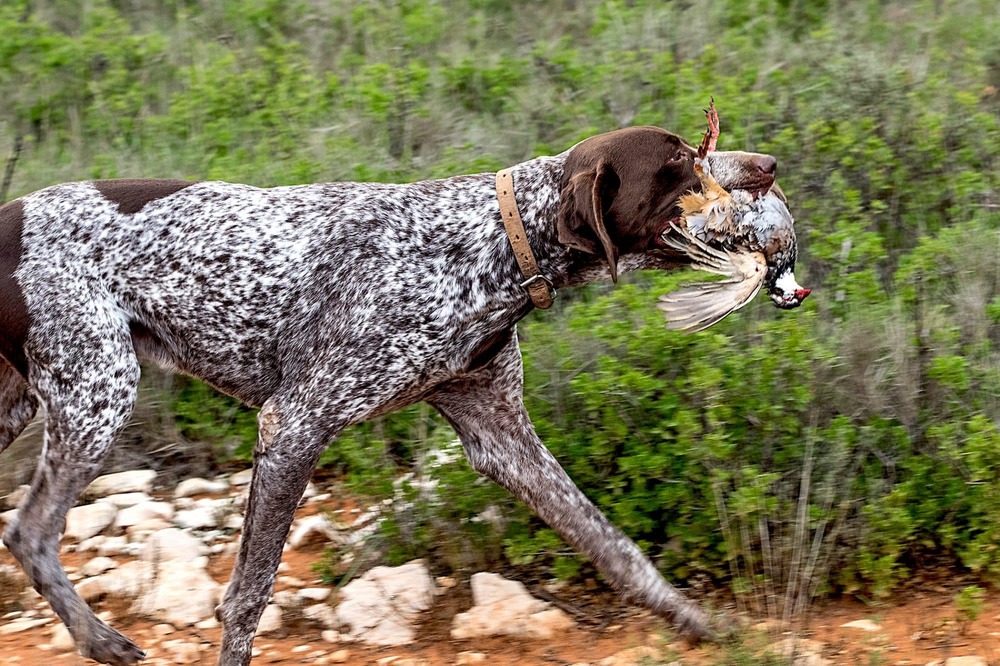
A German Shorthaired Pointer is often at their best when life includes movement, training, and companionship, not as “extras”, but as normal parts of the day. They tend to be bright, capable dogs who notice everything, which is a joy when you can channel it, and a challenge when you cannot.
If you like the idea of a dog that can come running, swimming, learning, and then curl up nearby once their needs are met, this breed can be deeply rewarding. The clearest way to respect a GSP is to plan for what they are: a versatile working dog who has moved into family life, not away from their instincts.
References
- Dogs Australia (ANKC), German Shorthaired Pointer Breed Standard
- Dogz Online, German Shorthaired Pointer breed information (Australia)
- Guild Insurance Vets Choice, German Short-haired Pointer breed guide
- German Shorthaired Pointer Club of America, Breed Standard
- RSPCA Australia Knowledgebase, Training recommendations (reward-based training)
- American Veterinary Society of Animal Behavior (AVSAB), Position statements (including Humane Dog Training)
- RSPCA Australia, Keeping your pet safe during heat
- World Small Animal Veterinary Association (WSAVA), Global Nutrition Guidelines