

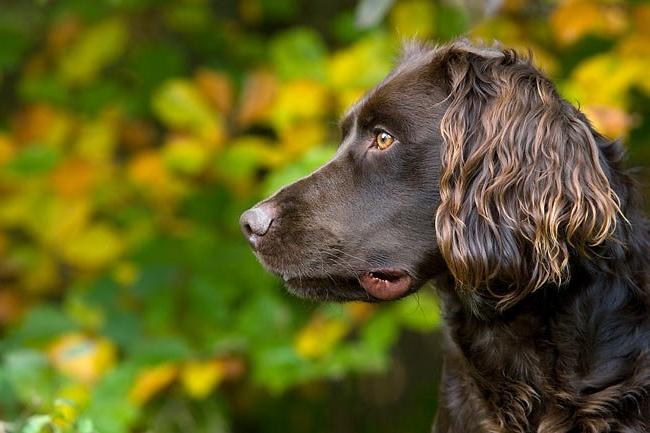
You might come across the German Spaniel because you have seen a sturdy, wavy-coated gundog in the bush, or because someone has mentioned the Deutscher Wachtelhund as a “do everything” hunting dog. Then you try to look it up and find only a handful of clear, consistent details.
Part of the confusion is that German Spaniels are still relatively uncommon outside Germany, and they are talked about in a very practical way by the people who keep them. They are not a fashion breed. They are a working dog first, with the kind of temperament and needs that make a lot more sense once you picture them doing the job they were bred for.
For the right home, this is a deeply capable, steady companion, but “right home” matters. It is less about whether they are “good dogs” and more about whether you can offer enough movement, training, and purpose to match what is in front of you.
- Breed category: Gundog
- Country of origin: Germany
- Height: Males 48 to 54 cm, females 45 to 52 cm
- Weight: Typically 18 to 30 kg
- Life expectancy: Around 12 to 14 years
- Coat: Dense, usually wavy, weather-protective
- Colours: Brown or red, also roan patterns
- Energy level: Very high
- Grooming: Moderate, regular brushing
The German Spaniel in context
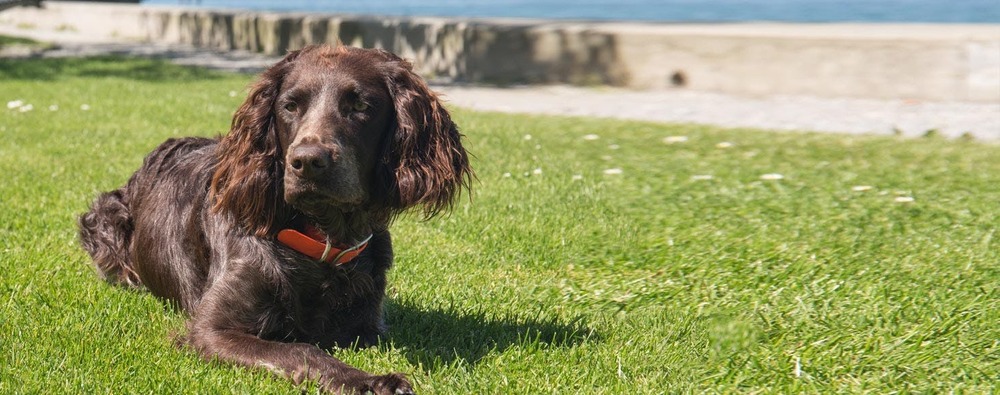
The German Spaniel is better known by its German name, Deutscher Wachtelhund, and it sits in the broader family of European hunting dogs designed to search cover, follow scent, flush game, and retrieve. In other words, it is built for hours of methodical work rather than short bursts of activity.
In Germany, the breed is closely tied to hunting culture and working tests, which helps explain why it is not especially widespread as a general companion dog in many other countries. The official international recognition by the FCI dates to 3 December 1954, and the breed is placed in Group 8 (retrievers, flushing dogs, water dogs).1
If you are used to spaniels that are mainly kept as family pets, this one can feel a little different. The German Spaniel is typically more single-minded outdoors, with a strong interest in scent, movement, and tracking. That is not “stubbornness” so much as a dog doing exactly what it was selected for.
Temperament and suitability at home
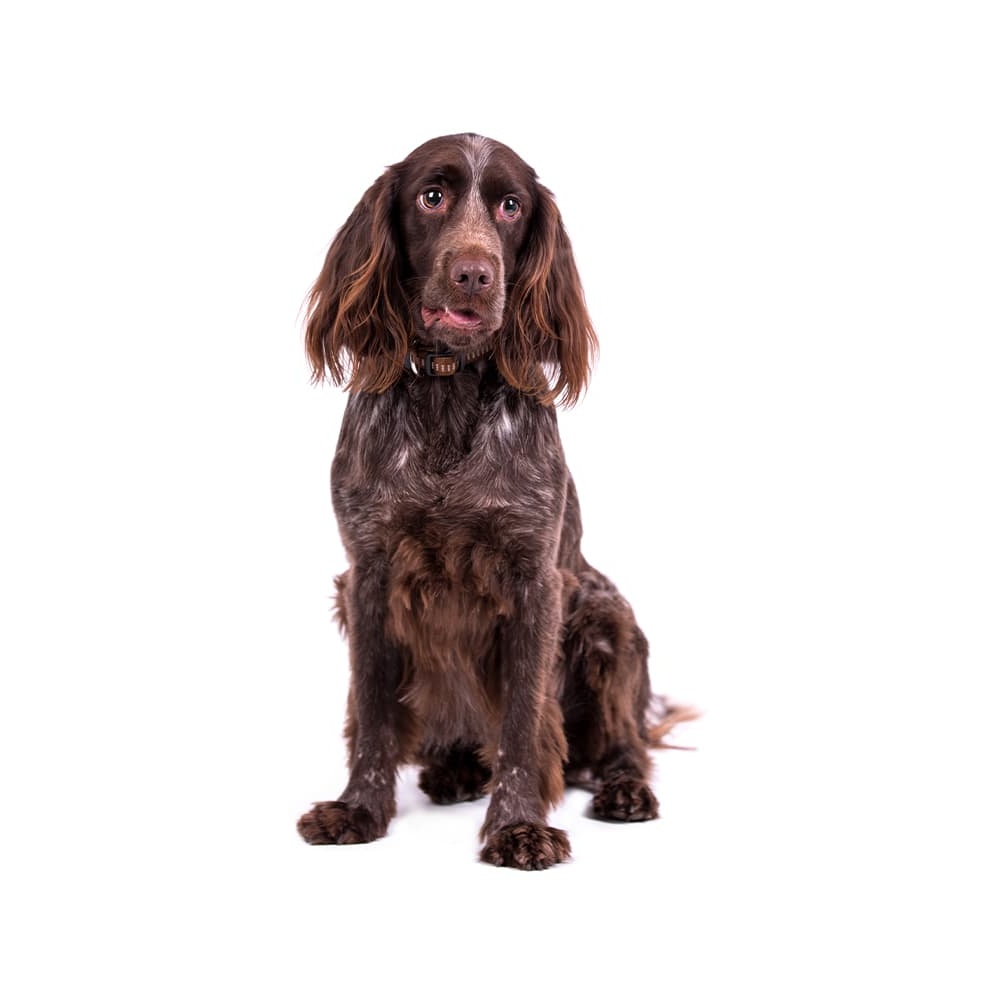
Most German Spaniels are people-oriented and tend to settle best when they are included in daily life. They often do well with families who enjoy being outside, and who like training as an ongoing conversation rather than a one-off puppy class.
What can surprise new owners is the combination of warmth at home and intensity outdoors. A Wachtelhund may look relaxed on the couch, then switch on quickly when it hits scent. That switch is normal, and it is manageable, but it needs planning.
They can be good with children when supervised and taught calmly, especially if the dog has had thoughtful socialisation. With other pets, outcomes vary. Many do fine with other dogs, while small animals may trigger chasing. Early, structured introductions help, but it is sensible to assume there is at least some prey drive in the mix.2
Training and exercise, what “high energy” really means
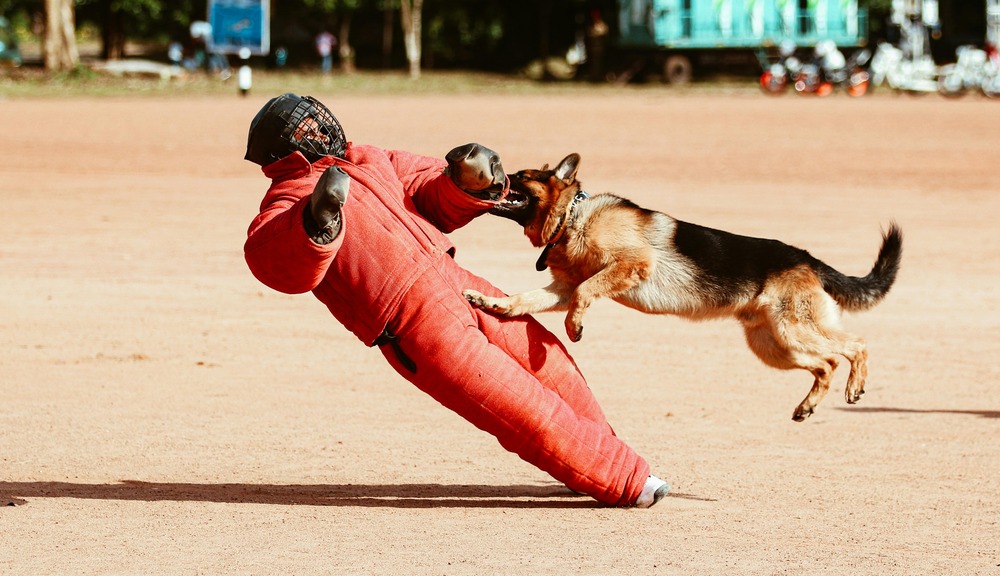
For this breed, exercise is not only about distance. A long walk on a lead can help, but it will rarely be enough on its own. These dogs are often at their best when they get a blend of movement and problem-solving.
Practical outlets that suit many German Spaniels include:
- Scent work and tracking games (even simple “find it” setups at home)
- Retrieving with rules, not just endless throwing
- Hiking and varied terrain, where safe and legal
- Swimming in appropriate conditions (with supervision)
- Training sessions that stay short, clear, and regular
Positive reinforcement methods tend to work well, particularly when you reward focus around distractions. If recall feels shaky in the early months, that is common in scent-driven dogs. The aim is not to “win” a battle of wills, it is to build a history of reinforcement that makes checking in with you the easy choice.
Health considerations to discuss with a vet
The German Spaniel is generally robust, but like many medium-to-large, athletic breeds, hip dysplasia is a recognised concern across the wider dog population. If you are buying a puppy, ask what health screening the breeder does, and what they can show you about the parents’ hip status and overall soundness.
Hip dysplasia is influenced by genetics and environment. Weight management, appropriate exercise while growing, and sensible conditioning all matter. For breeders and researchers, large hip scoring databases have long been used to understand risk and guide selection, including the work supported by the Orthopedic Foundation for Animals (OFA).3, 4
Long, floppy ears also mean some dogs are more prone to ear inflammation or infection, particularly if they swim regularly or have underlying allergies. The goal is not constant cleaning, but calm monitoring and good technique when cleaning is genuinely needed.5, 6
Coat, ears, and everyday grooming
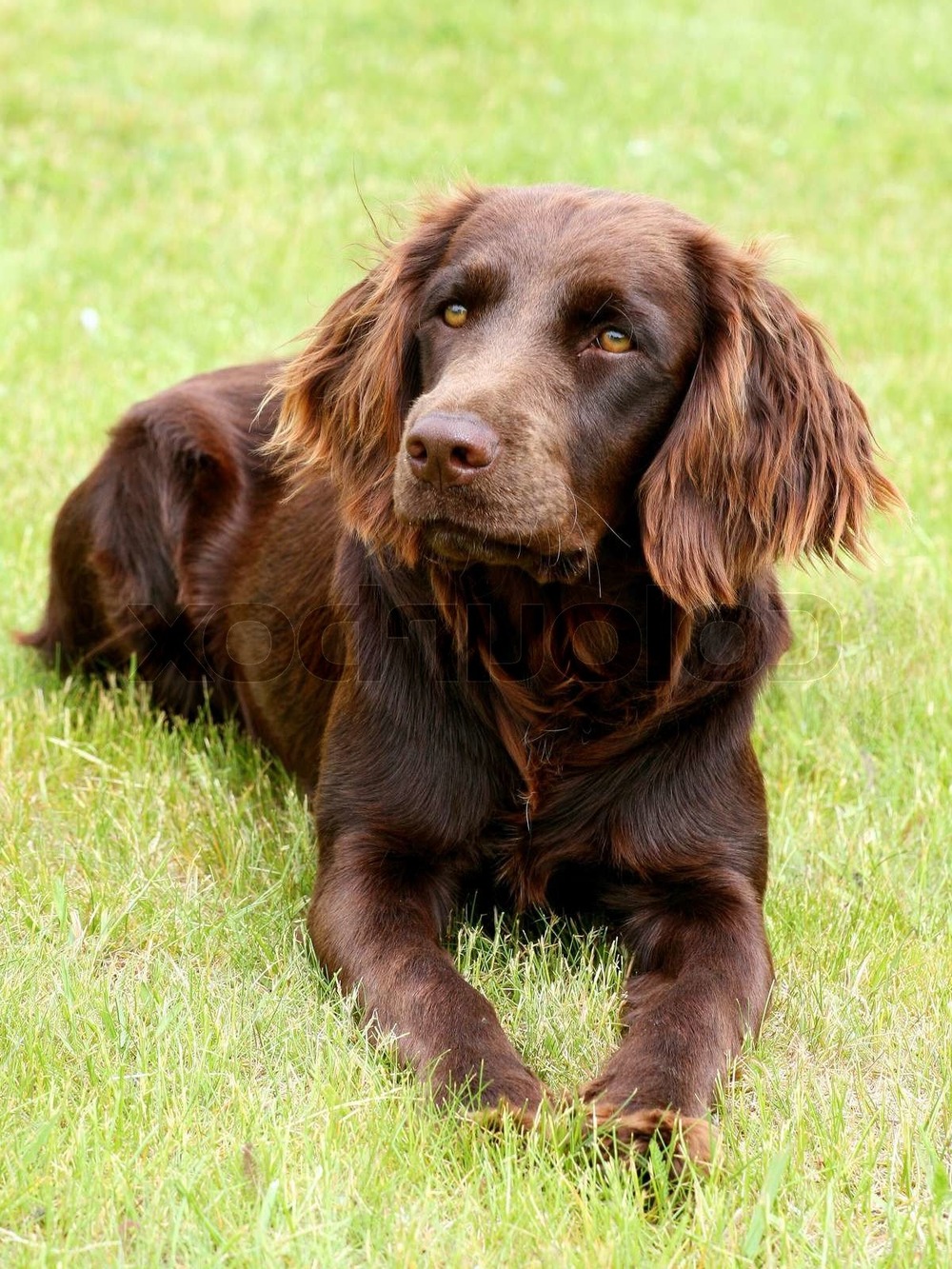
The coat is one of the breed’s practical strengths. It is designed to cope with weather and cover, and it can pick up burrs and debris when the dog is working through scrub. Regular brushing helps prevent mats, and it is also a good time to check paws, armpits, and behind the ears.
Ear care is worth approaching with a light, steady hand. If your vet has suggested routine cleaning, use a dog-specific ear cleaner, avoid cotton buds, and stop if the ear seems painful or very inflamed. Many veterinary sources recommend wiping only what you can easily reach, letting the dog shake their head after cleaner is applied, and avoiding irritants such as alcohol or hydrogen peroxide.5, 6
Feeding and keeping condition steady
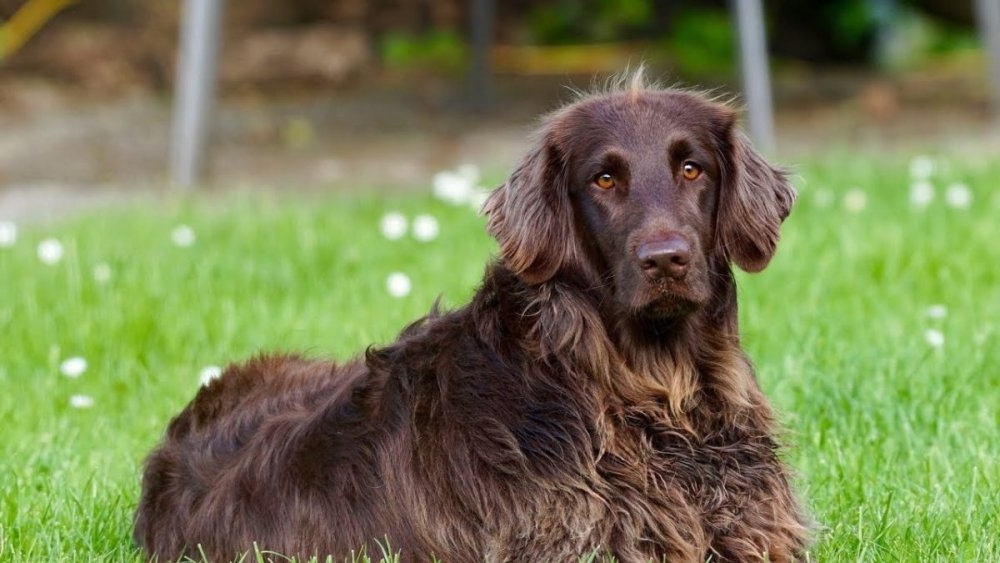
German Spaniels tend to do best on a consistent, balanced diet that matches their workload. The trick is not finding a “magic” food. It is keeping the dog in lean, athletic condition and adjusting portions as seasons and activity levels change.
If food labels feel like a maze, veterinary organisations such as WSAVA recommend focusing on the overall quality control behind a diet and using veterinary support for individual planning, especially for highly active dogs or dogs with medical issues.7
It is also worth being clear about food hazards, particularly in busy households and during gatherings. Grapes and raisins are widely listed as dangerous for dogs, even in small amounts, and onions can also be harmful. If you are ever unsure, treat it as a safety question, not a debate, and check with your vet or an animal poison helpline.8
Living with a rare working breed
“Rare” can sound glamorous, but in practice it often means you may wait for the right litter, travel to meet breeders, and do more homework than you would for a more common breed. It can also mean fewer local trainers have hands-on experience with the Wachtelhund’s particular blend of stamina and scent focus.
That is not a reason to avoid the breed. It is simply a prompt to go slowly. Meet adult dogs if you can, ask about typical daily routines, and be honest about your own time and energy. The best match is usually the home that can offer a working dog’s life, even without hunting, through structured activity and consistent training.
Final thoughts
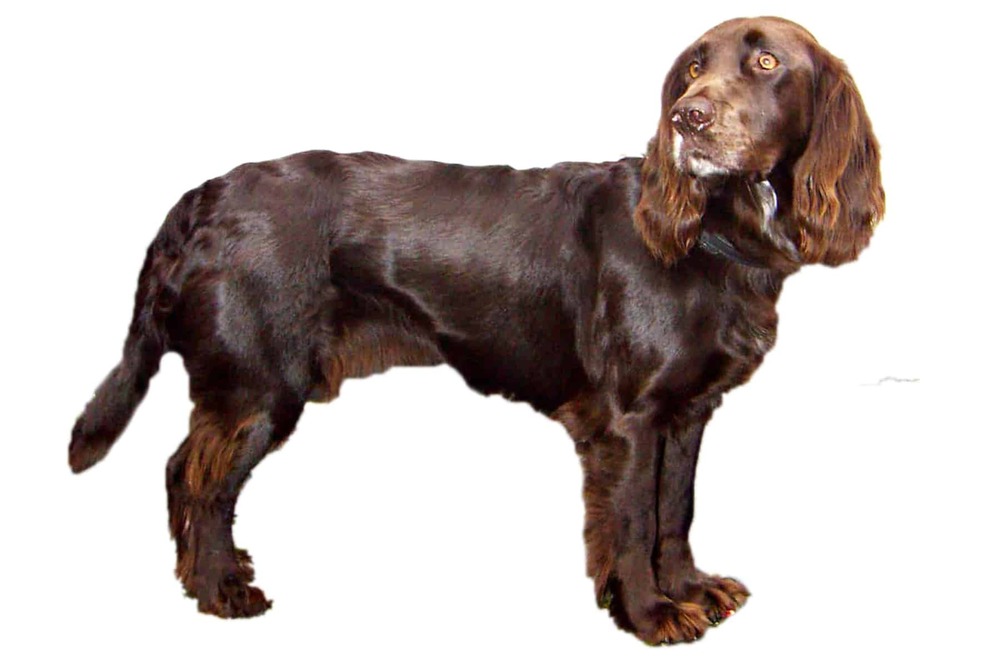
The German Spaniel is not trying to be everybody’s dog. It is a specialist gundog that can also live well as a companion, provided its instincts are understood and given a sensible outlet.
If you enjoy training, spend time outdoors, and like a dog that is observant and ready to work, this breed can be a steady, rewarding presence. If your life is more indoor, low-routine, or you want a dog content with minimal exercise, it may be kinder to choose a breed with lower drive.
References
- FCI: Deutscher Wachtelhund (Breed No. 104)
- German Spaniel (Deutscher Wachtelhund) overview
- Orthopedic Foundation for Animals (OFA): About and mission
- Cornell University College of Veterinary Medicine: OFA database and hip scoring context
- Cornell University College of Veterinary Medicine: How to clean your dog’s ears
- American Kennel Club: How to clean a dog’s ears
- WSAVA: Global Nutrition Guidelines
- FOUR PAWS Australia: Dangerous foods for dogs