

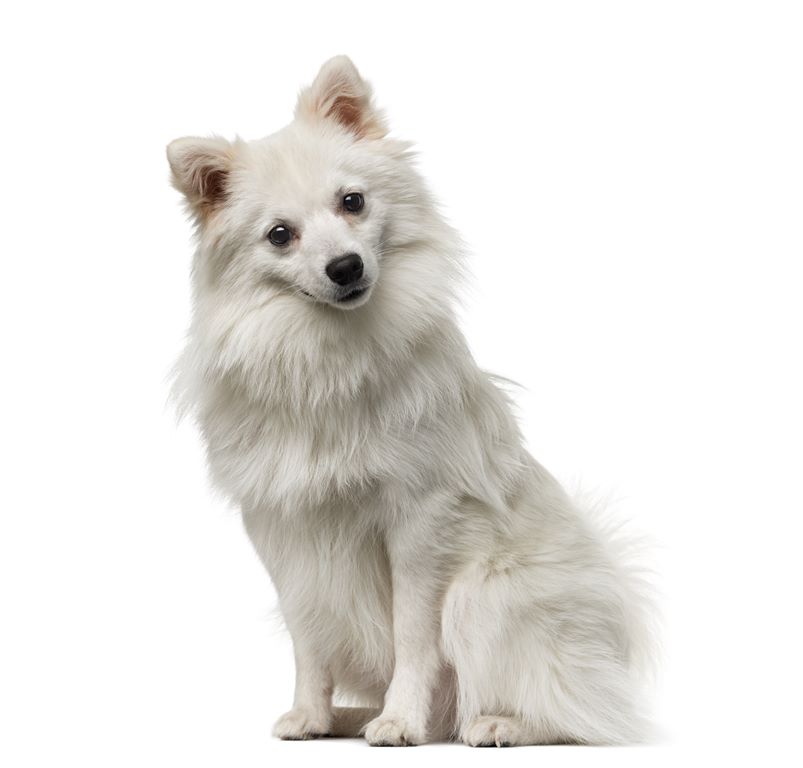
People usually notice the German Spitz in small, everyday moments. A compact dog with a fox-like face and an impressive ruff, standing alert at the window and announcing visitors with conviction. Or a fluffy companion who looks like a lap dog, yet has the bright, busy energy of a dog that was bred to keep an eye on things.
It is easy to assume they are simply “pretty little dogs”, and some are happy to be carried from place to place. But the German Spitz is often at their best when they have a job, even if that job is just joining the household routine, learning cues, and having something constructive to do with their sharp mind.
For the right home, they can be deeply rewarding. For the wrong one, the same traits that make them engaging, watchfulness, voice, and independence, can become tiring. Understanding what sits underneath the fluff is what makes living with this breed work in practice.
German Spitz at a glance
In Australia, the German Spitz is commonly seen in two size varieties, Mittel and Klein. Their breed standard sets them up as small to medium companion dogs with a bold outline, a dense double coat, prick ears, and a tail carried over the back.1
- Breed category: Companion dog and alert watchdog
- Height (breed standard): Klein 23 to 29 cm, Mittel 30 to 38 cm1
- Coat: Dense double coat, not a “trimmed” breed in the show standard1
- Typical temperament: Alert and lively, people-oriented, often vocal
- Commonly discussed health concerns: Patellar luxation, dental care needs typical of small dogs, plus eye concerns in some lines5, 6
History and origin
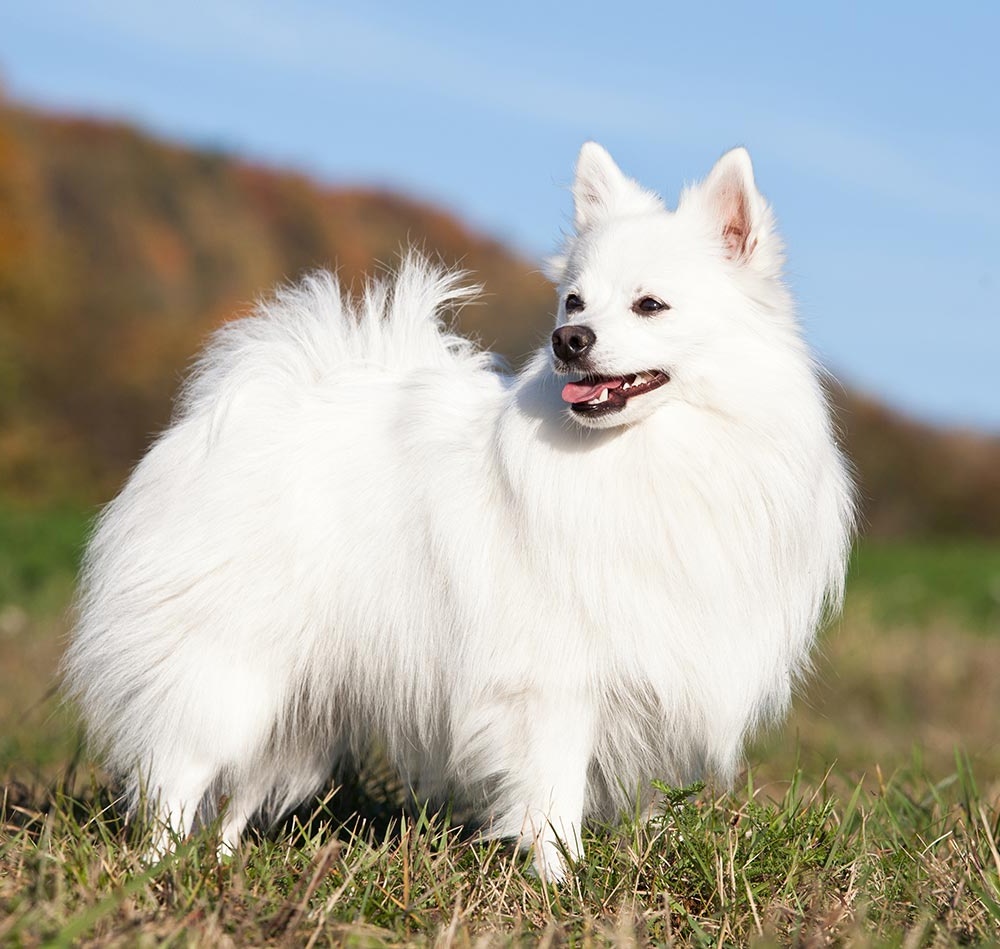
The German Spitz is part of the wider “spitz” family of dogs, a group known for a wedge-shaped head, upright ears, and a weather-resistant coat. The international breed classification recognises the German Spitz as a German breed with multiple varieties, including Wolfspitz (Keeshond), Grossspitz, Mittelspitz, Kleinspitz, and Zwergspitz (Pomeranian).2
Historically, these dogs were valued as watchful companions. They did not need to be large to be useful. A dog that notices everything, barks readily, and stays close to home can be a very effective deterrent, and that “early warning system” remains one of the most consistent traits owners talk about today.
You will sometimes see claims that the German Spitz is “one of the oldest breeds in Central Europe”. There is a long history of spitz-type dogs across Europe, but precise “oldest breed” statements are hard to prove because earlier dogs were not recorded the way modern pedigree breeds are. What is more practical is this: the German Spitz is a long-established type, shaped over generations for attentiveness, hardiness, and close companionship.
Physical characteristics
A well-bred German Spitz looks balanced and “up on their toes”, with a compact body, a proud neck ruff, and that distinctive plume tail carried forward over the back. The coat is a true double coat, soft undercoat plus longer, straight outer coat, designed to stand off the body rather than lie flat.1
In the Australian breed standard for Mittel and Klein, height is clearly defined, but weight is not set as a fixed number. That matters because a small German Spitz can become overweight surprisingly easily, especially if treats are generous and exercise is irregular. Body condition and fitness are more useful markers than a single number on the scale.1, 7
Colour varies widely. In Australia, many colours and markings are accepted (with some exclusions such as merle in the Dogs Australia standard).1
Temperament and behaviour in real homes
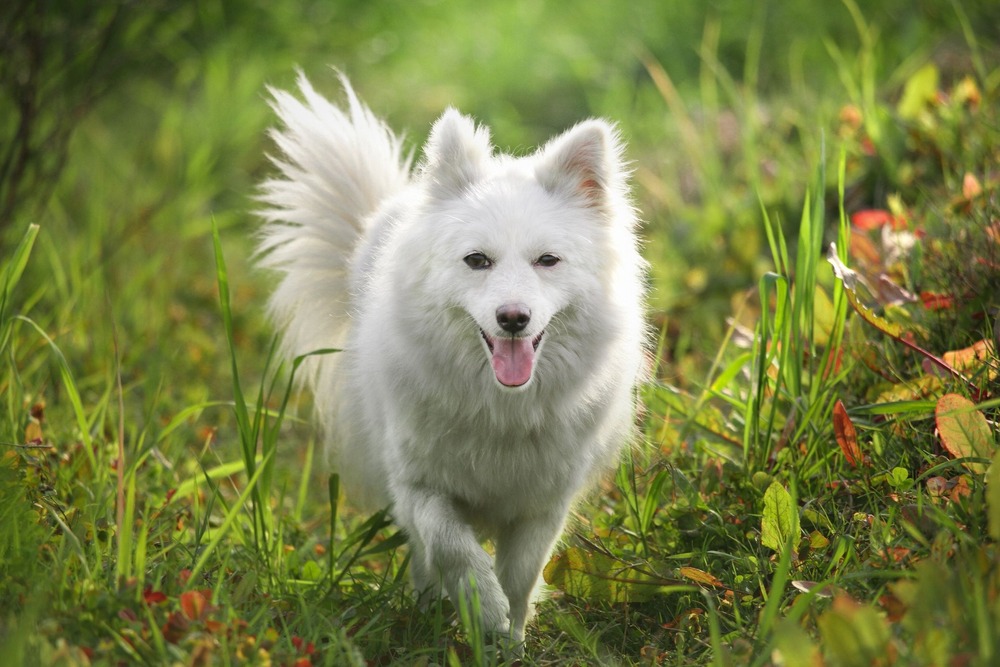
German Spitz dogs tend to be tuned-in. They watch patterns, notice changes, and are quick to respond. For many households, that is a big part of the appeal. The flip side is that they can practise that skill too often, especially in busy environments where there are frequent hallway noises, neighbours, delivery drivers, or passing dogs.
It can help to think of barking as information rather than “naughtiness”. You can work with it by teaching an alternative behaviour, rewarding quiet, and managing the environment, for example limiting access to the front window at peak times. Noise habits are easier to shape early, before barking becomes the default response to every small stimulus.
With children, they often do best with calm, respectful handling and predictable routines. Many are affectionate, but some are sensitive about being grabbed, crowded, or woken suddenly. Supervision and teaching kids how to approach and touch dogs safely matters for any breed, but it is especially important for smaller dogs who can be easily startled or injured by rough play.
With other pets, early, low-pressure introductions are usually the difference between “we can all share the space” and ongoing tension. Most German Spitz can live well with other dogs, and many with cats, if the early setup is thoughtful and the dog is rewarded for calm choices.
Training and exercise needs
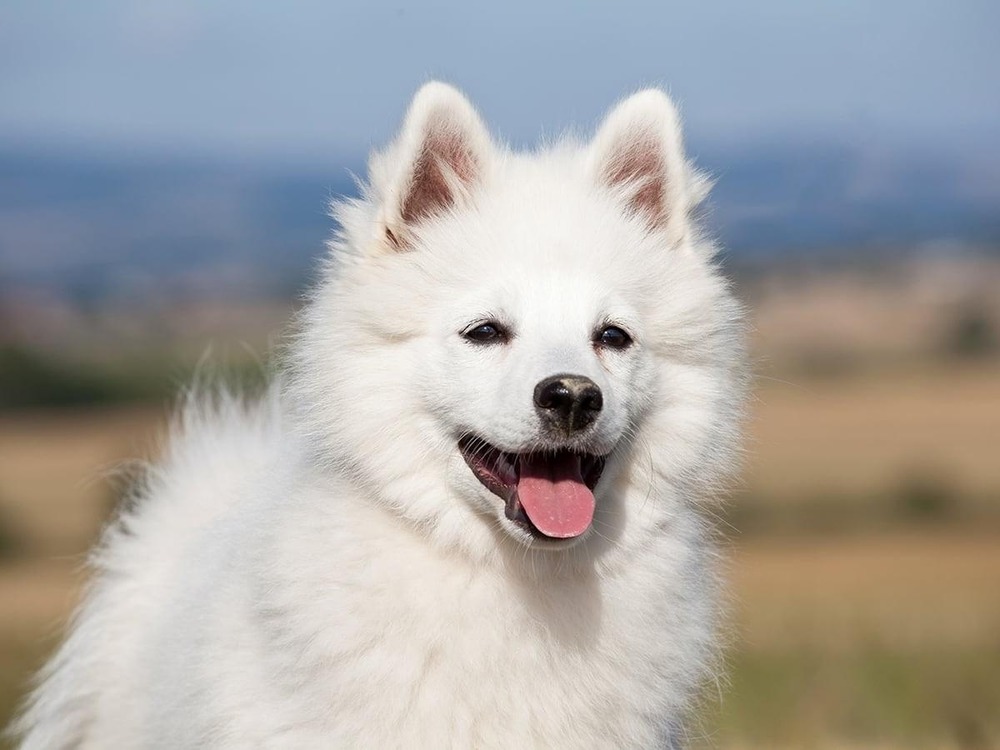
The German Spitz is bright, and that can look like “easy to train”. Sometimes it is. Sometimes it is more like “quick to learn what works”. They can be responsive and enthusiastic, but they also tend to have an independent streak, especially if training is repetitive or unclear.
Short sessions with rewards that genuinely matter to the dog usually work best. Many respond well to food, but toys, games, and access to favourite activities can be just as effective. If you are stuck, it is often not stubbornness so much as a mismatch between the cue, the reward, and the distraction level.
Exercise needs are typically moderate, but they do need daily movement and mental work. Think of it as two parts:
- Physical outlets: brisk walks, play, safe off-lead time where appropriate
- Mental outlets: scent games, puzzle feeders, short training, simple agility foundations
Also consider heat management. A thick double coat can make hot days uncomfortable, and dogs can overheat quickly if exercise is pushed at the wrong time. Choose early morning or evening walks in summer, keep water available, and learn the warning signs of heat stress and heatstroke.8
Health and lifespan
Many German Spitz live long lives, and a sensible routine goes a long way: appropriate body weight, regular vet checks, dental care, and good parasite control. Small dogs are not “maintenance free” just because they are small.
One condition often discussed in small breeds is patellar luxation, where the kneecap sits outside its normal groove. It can show up as an intermittent skipping gait or varying hindlimb lameness. Severity varies, and management depends on the grade and the dog’s comfort and function, ranging from conservative care to surgery in more serious cases.5, 6
Dental health is another practical consideration. Smaller dogs can be prone to dental disease, and home care makes a difference. Many vets recommend regular tooth brushing and professional dental checks as needed, rather than waiting for bad breath to become the first obvious sign.9
Grooming and coat care
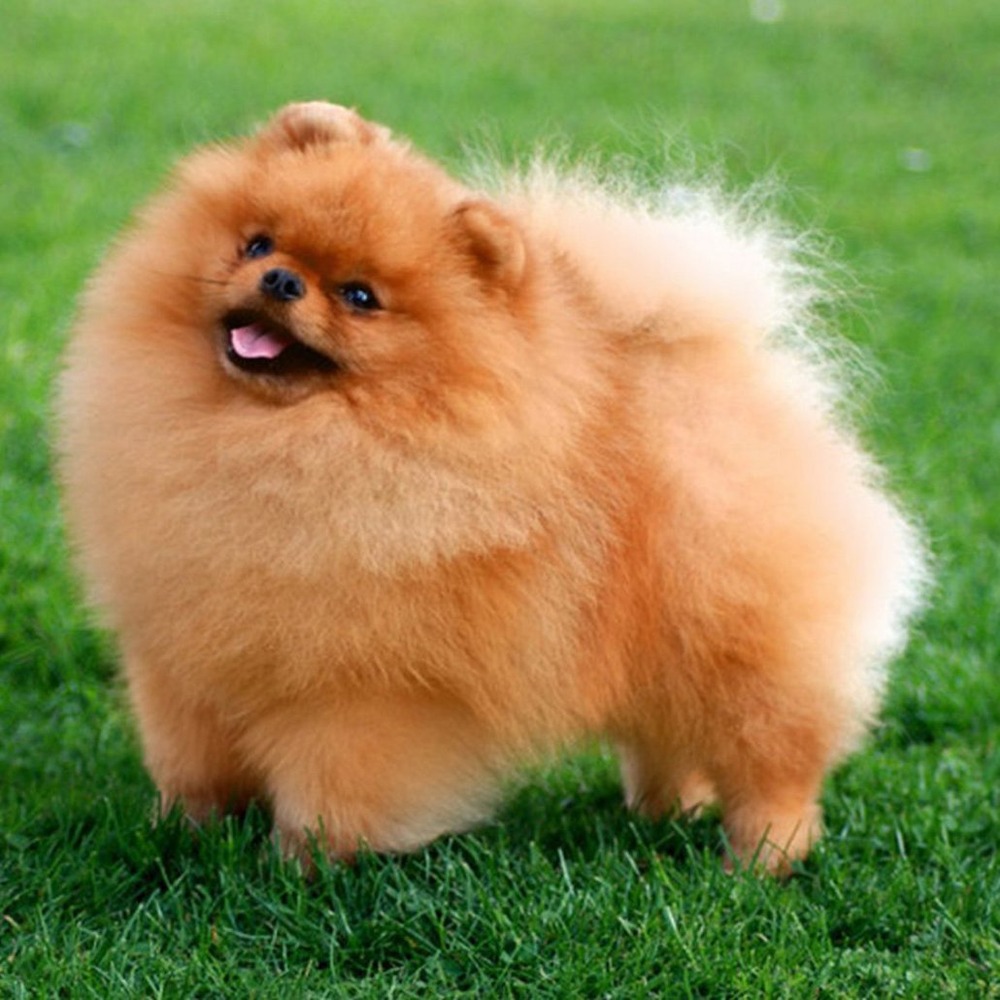
The coat is one of the breed’s joys, and one of its chores. It is designed to stand off the body, so heavy clipping is usually unnecessary and can interfere with coat function. The Dogs Australia standard also makes it clear this is not meant to be a sculpted, shaped breed, aside from basic tidying in limited areas.1
A practical routine for most homes is a thorough brush a few times a week, with extra attention behind the ears, under the collar area, and around the trousers. During heavier seasonal shedding, you may need to increase grooming for a period to prevent mats from forming close to the skin.
If you are bathing at home, rinse thoroughly and dry properly. A damp undercoat can contribute to skin irritation. When in doubt, a good groomer can show you the right tools for your dog’s coat texture, rather than treating all “fluffy coats” as the same.
Diet and nutrition
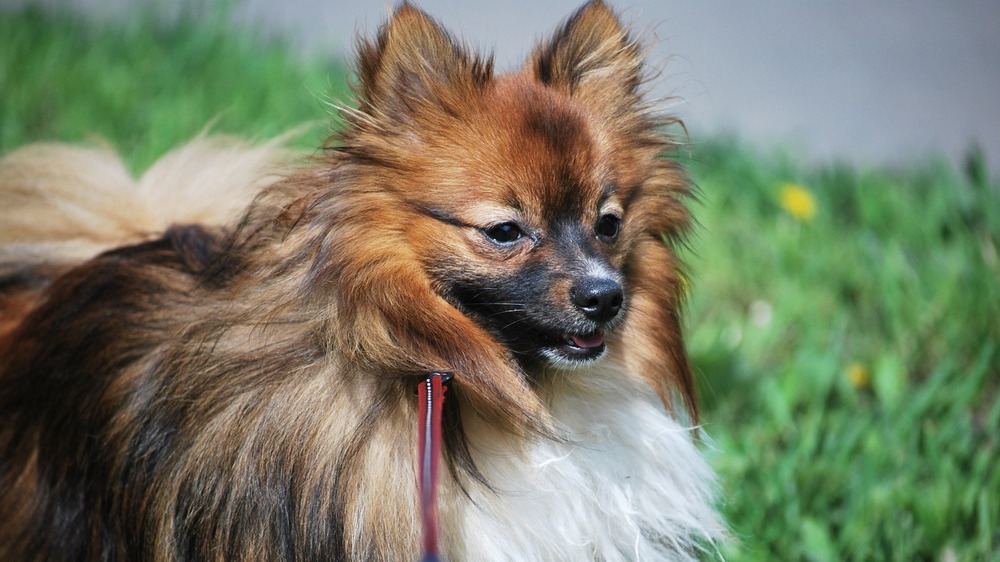
Feeding a German Spitz well is less about finding the “perfect” food and more about consistency, balance, and keeping them in a healthy body condition. Many owners are surprised by how little food a small dog actually needs once treats and training rewards are included.
For most dogs, a complete and balanced commercial diet is a sensible foundation, and your vet can help adjust amounts to your dog’s age, activity level, and body condition score. The RSPCA also notes the importance of not overfeeding, and keeping fresh water available at all times.7
If you are trying to choose between brands, be wary of making decisions based on marketing or ingredient lists alone. The WSAVA Global Nutrition Guidelines include tools to help owners evaluate pet foods more realistically, including what to look for beyond the ingredient panel.3, 4
It is also worth being clear about common food hazards. Many everyday human foods can be toxic to dogs, including chocolate, grapes and raisins, onions, and alcohol. If you are unsure about a food, check a reputable source or ask your veterinarian before offering it.7
Living well with a German Spitz
A German Spitz suits people who enjoy an engaged little dog, one who wants to participate, notice things, and be included. They often do best when their day has shape: a walk, a short training session, a rest, a bit of play, then time close to the household again.
If you value quiet above all else, this may not be your easiest breed. If you enjoy a dog with opinions, quick learning, and a strong sense of “who is coming up the path”, they can be wonderful. The key is to treat their alertness as a trait to guide, not something to “switch off”. Management plus training usually gets you further than frustration.
References
- Dogs Australia (ANKC): German Spitz (Mittel & Klein) breed standard
- Fédération Cynologique Internationale (FCI): Deutscher Spitz (No. 97)
- WSAVA: Global Nutrition Guidelines
- WSAVA: Global Nutrition Committee
- Merck Veterinary Manual: Patellar luxation in dogs and cats
- American College of Veterinary Surgeons (ACVS): Patellar luxations (kneecap dislocation)
- RSPCA Australia Knowledgebase: What should I feed my dog?
- RSPCA Australia: Warm weather worries, protect pets from heatstroke
- Australian Veterinary Association (AVA): Dog care (including dental care guidance)