

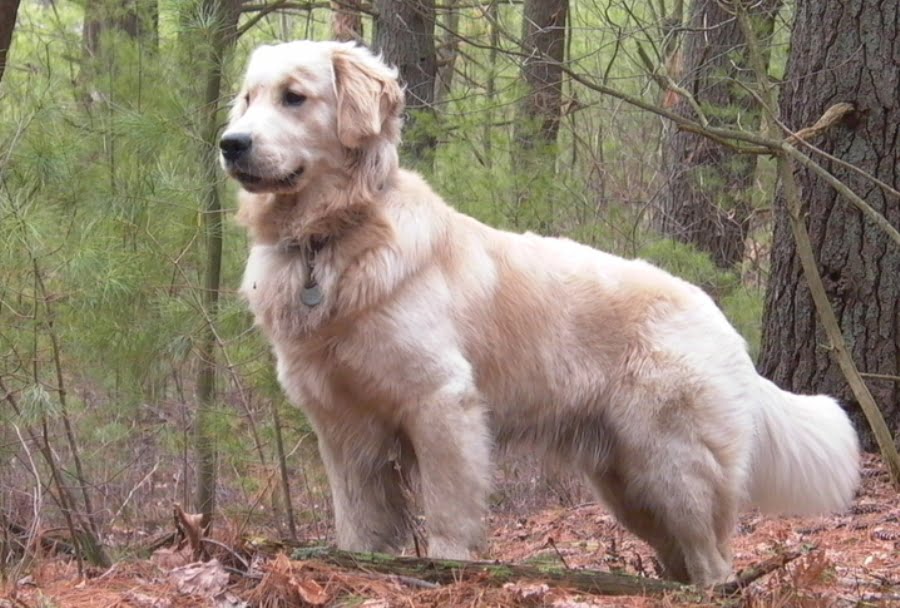
People often first notice Golden Retrievers in everyday moments: one calmly waiting outside a cafe, one trotting beside a jogger, or one doing that gentle, slightly clumsy thing where they try to greet everyone at once. They look like easy dogs, and in many ways they can be, but their friendliness is only part of the picture.
A Golden Retriever is a sporting dog built to work alongside people for long stretches of time. That history still shows up at home, in their need for company, their love of carrying things, and their tendency to get a bit messy if life becomes too quiet or too sedentary. Understanding where those instincts come from helps you make better decisions about training, exercise, grooming, and even how you set up your day.
This breed can suit a wide range of households, but they do best when expectations are realistic: steady daily activity, patient training, and care that matches their coat and body. When those needs are met, Golden Retrievers tend to be beautifully adaptable companions.
At a glance: Golden Retriever essentials
- Breed group: Sporting (gundog)
- Origin: Scotland
- Height (at withers): Dogs 56 to 61 cm, bitches 51 to 56 cm1
- Life expectancy: Commonly around 10 to 12 years (varies with health, size, and care)
- Coat: Flat or wavy with feathering, dense water-resisting undercoat1
- Temperament: Typically kindly, friendly, and confident1
- Best fit: People who can provide daily exercise and companionship, and are comfortable with shedding
History and development

Golden Retrievers developed in Scotland in the late 1800s, shaped by the practical demands of shooting and retrieving. They needed to work close to people, handle cold water, and carry game without damaging it. That mix of athleticism and softness is still visible today in their build, coat, and mouth shape.
The breed is strongly associated with Dudley Marjoribanks (Lord Tweedmouth), whose breeding records describe early crossings that contributed to the modern Golden Retriever. Accounts commonly mention a yellow retriever type paired with a Tweed Water Spaniel, along with other gundog and scenting breeds used at the time.2, 3
It is worth remembering that origin stories are often simplified in popular writing. What matters in practice is what the history produced: a dog with retrieving drive, a strong desire to work with humans, and a temperament that usually suits busy social environments.
Physical characteristics

Goldens are medium to large dogs with a balanced, athletic outline. Breed standards describe a coat that can be flat or wavy, with feathering and a dense undercoat designed to resist water. Colour is any shade of cream or gold, with red and mahogany not considered typical for the breed standard in Australia.1
That coat is not just decorative. It helps a dog stay warm and functional in wet conditions, and it also means many Goldens shed generously, particularly with seasonal coat changes. In Australian summers, a thick coat can also contribute to overheating risk if exercise and shade are not managed sensibly.4, 5
Physically, they are built for endurance rather than sprinting. If a Golden looks “too chunky” or tires quickly, it is often less about laziness and more about lifestyle and body condition. A vet can help you assess this, but owners can also learn to monitor body condition at home using recognised body condition score tools.6
Temperament and behaviour in real homes
Golden Retrievers are widely described as kindly, friendly, and confident, and many do live up to that reputation.1 Still, it helps to think in terms of tendencies rather than guarantees. Individual personality, early experiences, and health can all shift behaviour in meaningful ways.
In day to day life, you might see a Golden:
- seeking proximity to people and becoming unsettled if left alone for long periods
- carrying toys, socks, or random “treasures” around the house
- greeting guests with a full body wag that needs some training to stay polite
These behaviours are often easiest to live with when you plan for them. A Golden is usually not trying to be difficult if they become boisterous or mouthy. More often, they are under-exercised, under-stimulated, over-aroused, or simply young.
If you have children or other pets, supervision and good management still matter. Many Goldens are gentle, but size and enthusiasm can knock a small child over, and adolescent dogs can be pushy without meaning harm.
Training and exercise needs

Training tends to go well with Goldens because many are highly motivated by food, play, and social contact. The key is not “hard” training, but clear, consistent practice. Short sessions repeated often usually beat long sessions that end with everyone frustrated.
Early socialisation matters, but it does not mean flooding a puppy with constant novelty. It is more about creating calm, positive exposures that teach the dog the world is predictable and safe. Many behaviour problems that show up later, including reactivity on lead or anxiety when left alone, are easier to prevent than to fix.
Exercise needs vary by age and temperament, but most adult Goldens need a meaningful daily outlet. That usually includes a combination of:
- brisk walking or jogging (suited to the dog’s fitness and joints)
- retrieving games, scent games, or training drills for mental work
- off lead time where safe and legal, with reliable recall training
In hot weather, manage activity carefully. Heat stress can build quickly, especially in dogs that are overweight, have thick coats, or have underlying health issues. If your dog is panting hard, drooling excessively, seems weak, vomits, or collapses, treat it as urgent and contact a vet promptly.4, 5
Health and lifespan
Like many medium to large breeds, Golden Retrievers can be affected by issues such as hip and elbow dysplasia, eye conditions, and heart disease. The practical takeaway is not to assume illness, but to plan for prevention: thoughtful breeding choices, sensible growth and exercise in puppyhood, weight management, and routine veterinary checks.
Keeping a Golden in a healthy body condition is one of the most useful things an owner can do. Even small amounts of extra weight can add load to joints and reduce heat tolerance. If you are unsure what “healthy” looks like, body condition scoring guides are a helpful starting point, and your vet can show you what to feel for on your own dog.6
When choosing a breeder, ask what health testing they do and why. If adopting, ask what is known about the dog’s background, and assume you may need a settling-in period where behaviour and health become clearer over time.
Grooming and coat care

The Golden coat is designed to protect, and it needs regular maintenance to stay comfortable. Brushing a few times a week is often enough for routine care, but many owners find they need more during seasonal shedding.
Focus on areas where tangles and mats tend to form, including behind the ears, under the collar, the feathering on legs, and the tail. Matting is not just cosmetic. It can pull on skin, trap moisture, and make it harder to spot parasites or irritation.
Bathing can be occasional rather than frequent, unless your dog is a dedicated mud enthusiast. Use dog-specific products, rinse thoroughly, and dry the coat well. If you are unsure, a groomer can demonstrate a practical routine that suits your dog’s coat texture and your household.
Diet and nutrition

Most Goldens thrive on a complete and balanced diet, but the tricky part is portioning. This is a breed that often enjoys food, and it is easy to overestimate how much exercise “covers” extra calories. Treats, chews, and table scraps add up quickly.
Veterinary nutrition guidelines emphasise that nutrition should be reviewed regularly, not just when a dog is unwell. If your dog’s weight is creeping up, it is worth adjusting intake early rather than waiting until it becomes a bigger project. Using a body condition score can help you make changes based on the dog in front of you, not a number on a bag.6
If you are considering a home-prepared diet, do it with veterinary guidance. Well-intentioned homemade feeding can become unbalanced without proper formulation.
Living with a Golden Retriever
A Golden Retriever can fit into many lifestyles, including suburban homes and some apartment setups, but only if their daily needs are met. Space helps, but it does not replace time. The dogs that struggle most are often the ones who get plenty of backyard access but not enough engagement.
It also helps to plan for the practical realities: hair in the house, muddy paws, the occasional soggy tennis ball placed gently on your knee, and a dog that wants to be involved in whatever you are doing.
If you are deciding whether the breed suits you, the best question is not “are Goldens easy?”. It is whether you can offer steady companionship, training, and activity, even when life is busy. When the answer is yes, they tend to repay it with calm steadiness and a willingness to meet you where you are.
References
- Breed Standard, National Golden Retriever Council (Australia)
- Golden Retriever breed information, American Kennel Club
- Tweed Water Spaniel (background on Golden Retriever ancestry), Wikipedia
- Warm weather worries, protect pets from heatstroke, RSPCA Australia
- Keeping pets safe in the heat, RSPCA NSW
- WSAVA Global Nutrition Guidelines (including body condition score tools)
- Heatstroke (hyperthermia) in dogs, RSPCA Pet Insurance
- How to keep your pets cool in hot weather, ABC News (Australia)