

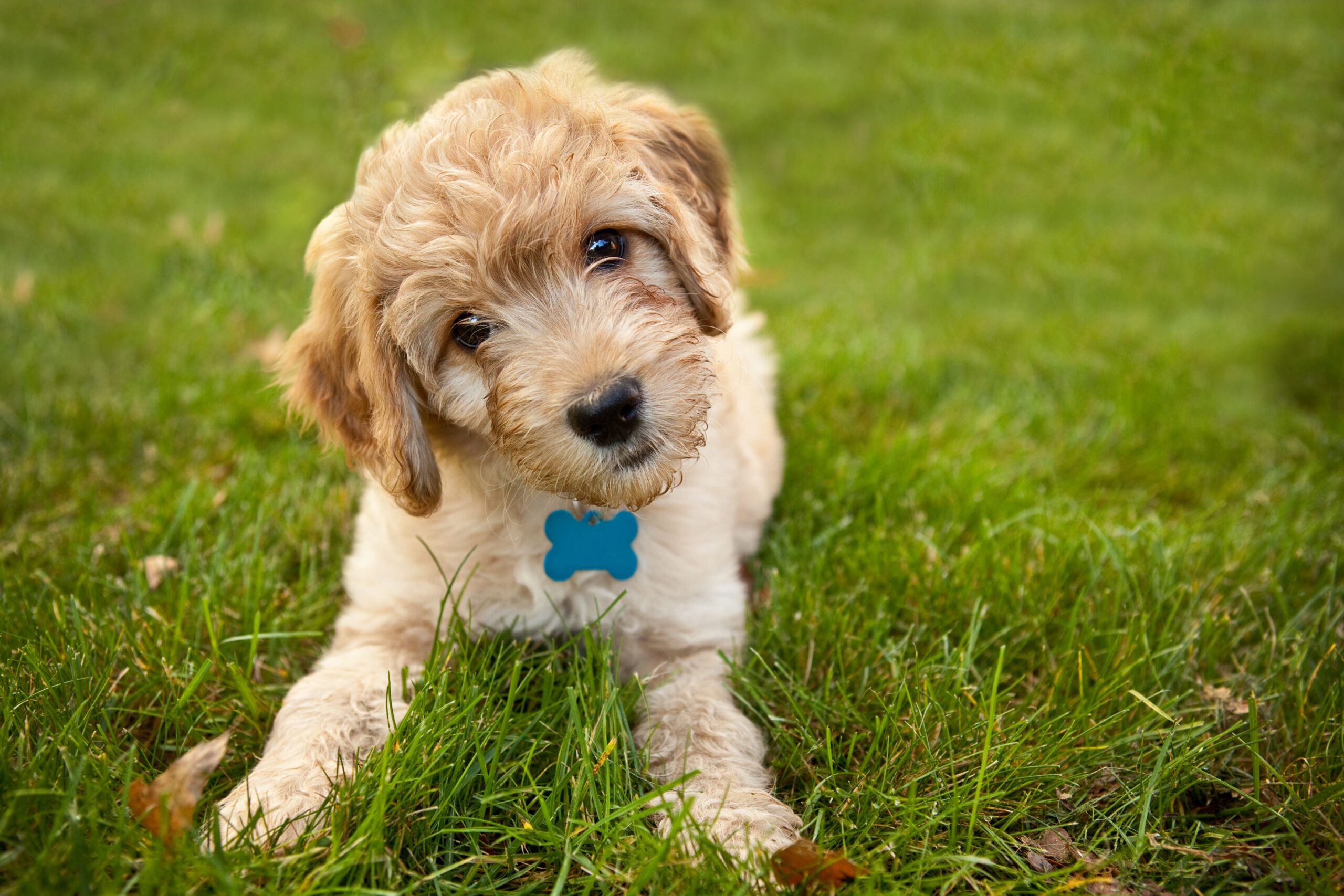
You might first notice it at the park: a curly, teddy-bear-coated dog that greets everyone, then trots back as if it has been practising recall its whole life. Someone calls out, “It’s a Goldendoodle,” and soon the usual questions follow. Are they really low-shedding? Do they suit families? Are they easier than other dogs?
Goldendoodles can be wonderful companions, but they are not a single, predictable “breed type” so much as a family of crosses. Coat, size, energy and even how much grooming they need can vary a lot, even within the same litter. That variability is part of the appeal for some people, and a source of confusion for others.
It helps to think of the Goldendoodle less as a guaranteed bundle of traits, and more as a dog shaped by its parents, its early experiences, and the daily choices made at home. When you understand what tends to go well for these dogs, and what can quietly go wrong, they are much easier to live with.
At a glance: what a Goldendoodle is (and is not)
A Goldendoodle is a cross between a Golden Retriever and a Poodle. In practice, you will also see “multigen” Goldendoodles (Goldendoodle to Goldendoodle) and a range of sizes based on the Poodle side. Because they are crossbred, there is no single official standard for size, coat or temperament.
Many people seek Goldendoodles for a coat that sheds less and for an easy-going, social nature. Both are possible, but neither is guaranteed. It is also worth holding the word “hypoallergenic” lightly. No dog is truly allergy-free, and individual reactions vary a lot from person to person.
History and origin
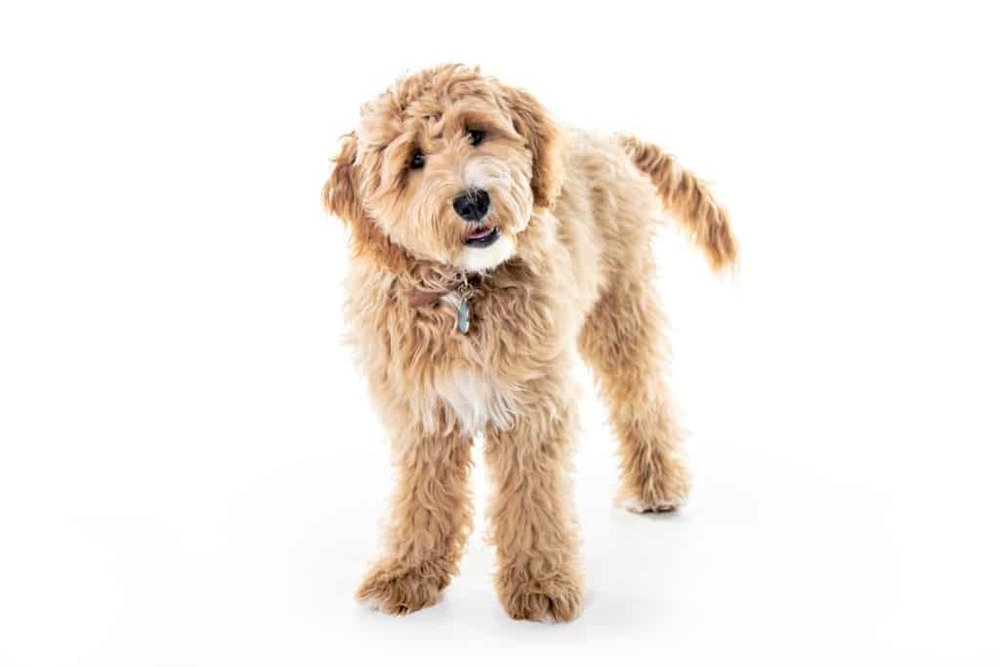
Goldendoodles began appearing in the late 20th century, during a broader rise in deliberately bred crosses aimed at combining companionable temperaments with coats that may shed less. The idea is simple: take the Golden Retriever’s biddable, people-oriented nature and blend it with the Poodle’s trainability and coat type.
In Australia, these crosses became popular quickly, particularly with families wanting an active dog that can join in with beach walks, weekend sport and busy households. Popularity, though, brings a mixed picture. Breeding goals and practices can range from careful and health-focused to purely market-driven, so it pays to look past the label and toward the individual dog and breeder.
Coat and appearance: why there is so much variation
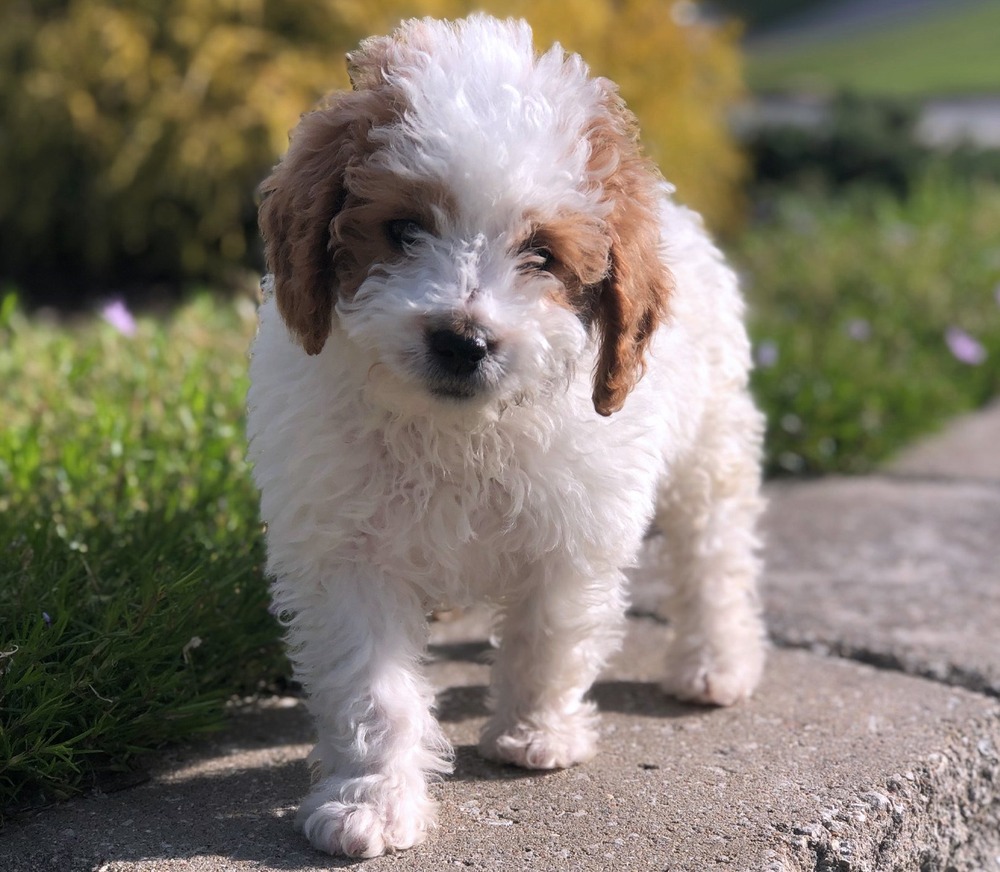
Goldendoodles often have a wavy to curly coat, floppy ears and a soft expression that many people find appealing. But coat type is not fixed. Some have looser waves and shed more, others have tight curls that shed less but mat more easily. Even the same dog can change coat texture as it matures.
Size varies too. You might meet a compact dog suited to a smaller home, or a much larger, athletic dog that takes up the back seat and most of the couch. If you are choosing a puppy, it is sensible to ask about the parents’ size and to accept a margin of surprise.
If allergies are part of your decision, focus on what you can observe rather than what you are promised. Spend time with the adult dogs in the breeding line if possible, and remember that allergens come from saliva and skin as well as coat. Trial exposure matters more than marketing language.
Temperament and behaviour in day-to-day life
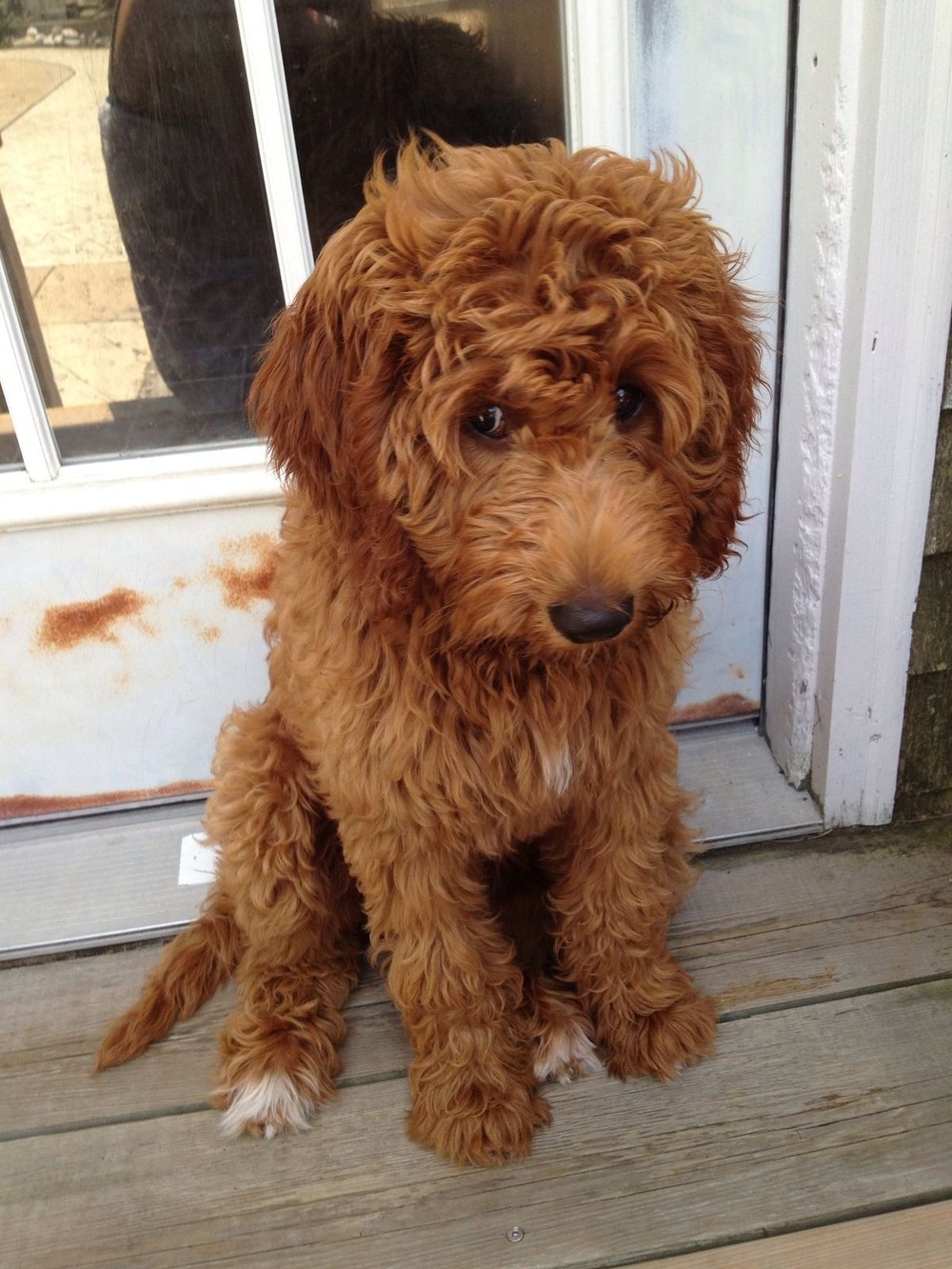
Many Goldendoodles are socially motivated dogs who enjoy being near people. That can look like a dog that follows you from room to room, checks in frequently on walks, and is keen to be included. It can also mean they find long stretches alone more difficult than you expected, especially if they have not been gradually taught how to settle.
They are often bright and quick to learn, which is a gift and a responsibility. Without enough structure, some become busy, mouthy, barky, or a little too enthusiastic with greetings. With steady training and calm routines, that same energy can become a dog that is genuinely enjoyable to live with.
A gentle note about “therapy dog” talk: some Goldendoodles do excellent work because they are sociable and trainable, but that is not automatic. Temperament is individual, and the training for assistance and therapy work is specific and careful.
Training and exercise: what tends to work best
Goldendoodles usually respond well to reward-based training. A lot of owners find they do best with short sessions that are frequent, upbeat and consistent. Harsh methods tend to create confusion or worry, especially in more sensitive dogs, and can make everyday handling and grooming harder than it needs to be.
Early socialisation matters, but it helps to redefine it. It is not about meeting everyone. It is about learning to be calm around normal life: the pram going past, a jogger, a dog behind a fence, kids playing, the clink of grooming tools. Calm exposure beats constant excitement.
Most Goldendoodles need daily activity, but the right amount depends on age, size and temperament. A helpful mix is:
- a walk with sniffing time (not just marching)
- play that does not tip into frantic over-arousal
- basic training games for mental work
Because many have a thicker coat, plan exercise with temperature in mind. Hot weather changes everything. If your dog is panting heavily, slowing down, or looking unsettled, treat it as feedback, not stubbornness. Heat stress and heatstroke can escalate quickly and should be taken seriously.5, 6
Health considerations and lifespan

Many Goldendoodles live around 10 to 15 years, but health outcomes depend heavily on genetics, weight, conditioning, and preventive care. Like their parent breeds, they can be prone to issues such as hip dysplasia and eye conditions, and their floppy, hairy ears can make ear problems more likely if moisture is trapped and the ear canal is not well ventilated.1, 2
It is tempting to assume crossbreeding automatically means better health. Sometimes it can help, but the evidence is more nuanced, particularly for popular “designer” crosses where demand can drive poor breeding decisions. Recent reporting on peer-reviewed research into poodle crosses suggests health outcomes are often similar to the founder breeds overall, rather than consistently improved through “hybrid vigour”.7
If you are buying a puppy, one of the most practical questions is what health screening the breeder does on the parents, and whether results are documented. In the US and many other countries, structured screening programs exist for purebred parents, including hip and eye evaluations. While Goldendoodles themselves are not part of a single recognised kennel club standard, understanding what is recommended for Poodles (and, by extension, often relevant to a Goldendoodle’s risk profile) can guide your questions.2, 4
Grooming and ongoing maintenance
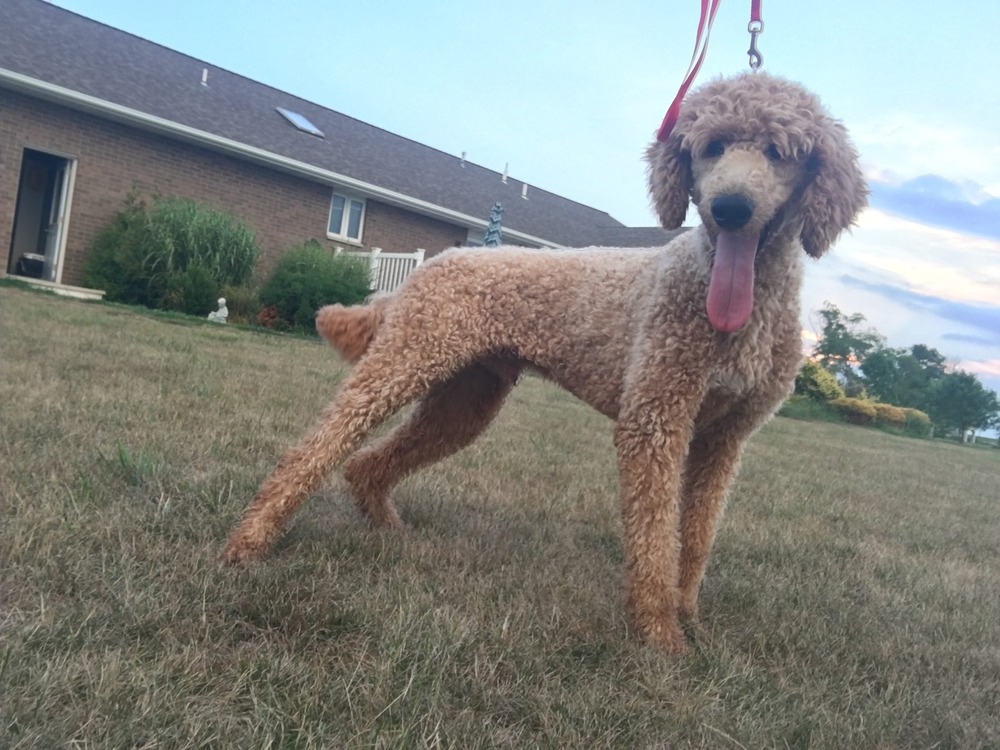
A Goldendoodle coat can be soft and lovely, and also surprisingly high-maintenance. The dogs that shed less are often the ones that mat more. Mats form quietly, especially behind the ears, under the collar, in the armpits and around the groin. Once mats are tight, they can pull on skin and make brushing uncomfortable.
A sustainable routine usually includes:
- brushing several times a week, focusing on friction spots
- regular professional grooms (often every 6 to 8 weeks, depending on coat and lifestyle)
- routine ear checks and drying after swimming or bathing
It also helps to teach handling early: standing calmly for brushing, allowing paws to be held, accepting a gentle look inside the ears. That work pays off for the rest of the dog’s life. Grooming training is training, not just hygiene.
Feeding, weight, and the boring basics that matter
Goldendoodles do well on a balanced diet suited to their life stage and size, but the bigger lever for long-term health is often body condition. Keeping your dog lean supports joints and stamina, and makes heat management easier in summer.
Dental care is another quiet factor. Many owners only discover dental disease when breath changes or the dog becomes reluctant to chew. Home toothbrushing and veterinary dental checks can prevent a lot of discomfort later on.8
If you want a practical “day to day” target, aim for a dog that can settle after exercise, maintains a stable weight, and has predictable toileting and appetite. Those ordinary signs often tell you more than breed stereotypes.
Choosing a Goldendoodle: questions worth asking

When people end up overwhelmed, it is rarely because the dog is “bad”. It is usually a mismatch between expectations and reality: the grooming, the energy, the need for company, the cost of training and veterinary care.
If you are deciding whether a Goldendoodle fits your life, the most useful questions are often simple:
- How much time can we realistically give to exercise and enrichment every day?
- Are we prepared for professional grooming costs and home brushing?
- What happens on long workdays, and how will the dog learn to be alone?
- What health screening has been done on the parents, and can it be shown in writing?3, 9
If you are adopting rather than buying, you may not have full history, and that is okay. In that case, focus on what you can assess now: temperament, coat upkeep, how the dog copes with handling, and whether your household can meet its needs. The RSPCA’s general guidance on choosing and adopting a dog is a sensible starting point for thinking about fit and welfare.3
Living well with a Goldendoodle
A well-supported Goldendoodle often becomes the sort of dog people quietly rely on, a companion that fits into family rhythms and enjoys learning how the household works. That outcome is less about finding the “perfect” doodle and more about building the basics: training, grooming habits, appropriate exercise, and a thoughtful approach to heat and health.
If you keep your expectations flexible and pay attention to the dog in front of you, Goldendoodles can be deeply rewarding. Consistency beats cleverness, and the ordinary routines are usually what make the difference.
References
- Poodle Club of America: Health Concerns
- Orthopedic Foundation for Animals (OFA): CHIC Program
- RSPCA Australia: Adopting a dog or puppy
- American Kennel Club (AKC): Non-Sporting Group Health Testing Requirements (includes Poodle)
- RSPCA Australia: Keeping your pet safe during the heat
- RSPCA Pet Insurance: Heatstroke (hyperthermia) guide for cats and dogs
- ABC News: Research on whether designer crossbred dogs are healthier than purebreds
- RSPCA Knowledgebase: Maintaining your dog’s dental health
- RSPCA Australia: Warm weather worries, protect pets from heatstroke