

People often first notice the Gończy Polski because of a particular “hound” look: long ears, a steady gaze, and a body that seems built for movement rather than lounging. Sometimes it comes up after meeting one in the bush on a long walk, or hearing about a Polish hunting dog from friends overseas, and wondering what living with that kind of dog is actually like day to day.
It is tempting to assume that a working scent hound will either be “too full on” for home life, or effortlessly obedient because it was bred to cooperate with people. In practice, the Gończy Polski tends to sit in the more interesting middle ground. They can be deeply attached to their household, but their nose and stamina can also pull them into their own agenda if you do not plan for it.
What matters most is not whether the breed is “good” or “bad” for families, but whether their needs match the life you can honestly offer, especially around exercise, safe off-lead freedom, and training that works with a scent-driven brain.
At a glance: the Gończy Polski
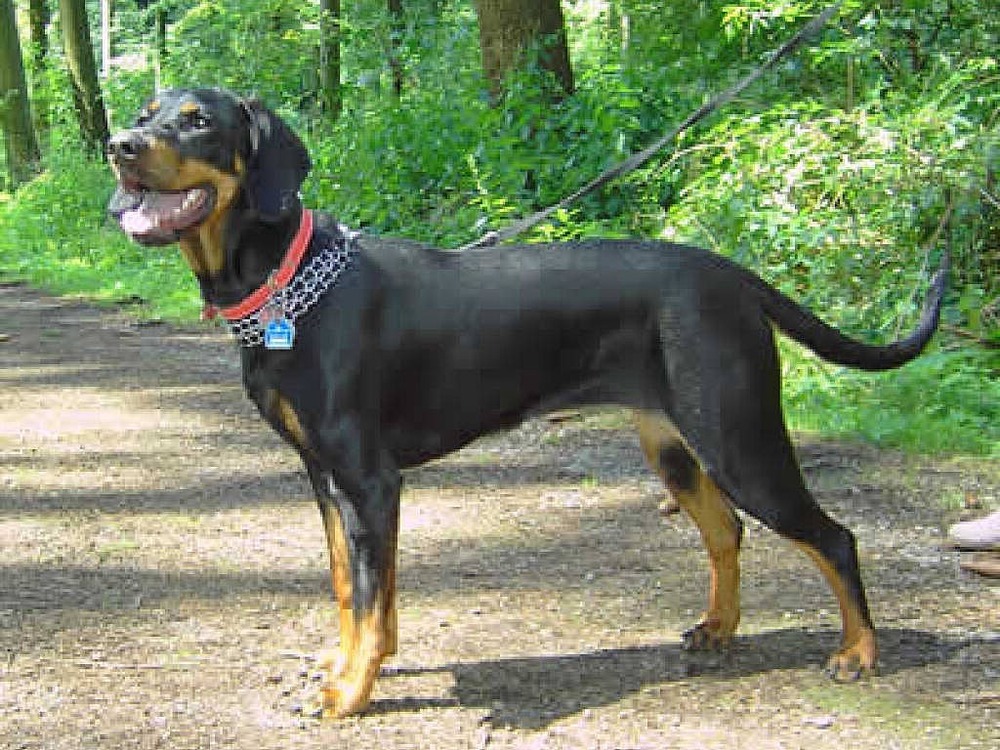
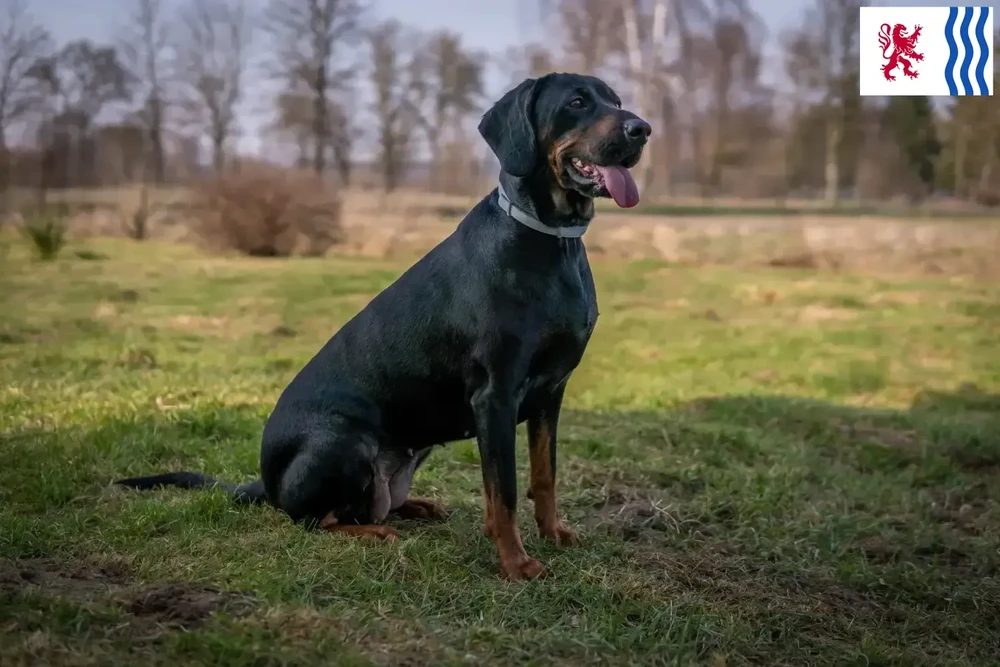
Also known as the Polish Hunting Dog, the Gończy Polski is a medium-sized scent hound from Poland, developed for tracking and hunting work in forested and mountainous terrain.1, 2
- Breed group: Scent hounds and related breeds (FCI Group 6)1
- Typical size: Males about 55 to 59 cm, females about 50 to 55 cm at the withers1
- Coat: Short, dense, generally easy care1
- Common colours: Black and tan, brown and tan, or red (depending on lines and descriptions used)1, 3
In many countries the breed is still uncommon, so meeting one in person can be rare. That also means it is worth taking extra care when evaluating breeders, pedigrees, and health testing, because you may be relying on a smaller pool of dogs.
Origins and what the breed was built to do
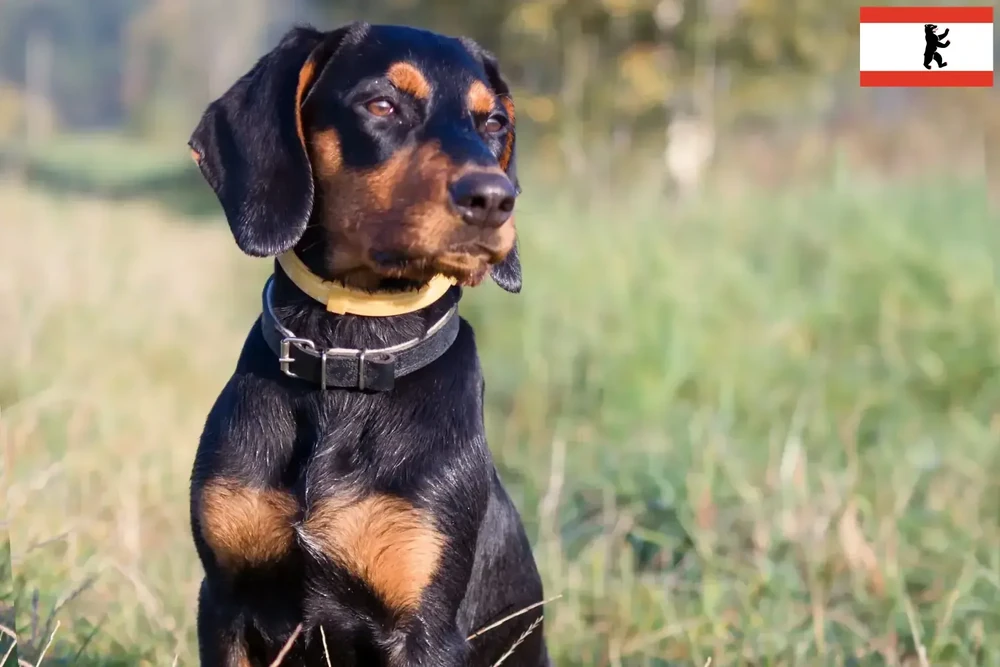
The Gończy Polski was developed as a hunting and tracking dog in Poland. If you look at the official breed classification, it sits clearly in the scent hound world, which helps explain the way many of these dogs move through life: nose first, body following, brain fully engaged.1, 2
One detail that often gets muddled online is recognition. The breed was accepted by the FCI on a provisional basis on 10 November 2006, and later recognised on a definitive basis on 7 November 2017. The current published standard dates from 23 November 2017 (with the official valid standard published 7 November 2017, as listed by the FCI).1
Those dates are less about paperwork and more about context. They point to a breed that has long local roots, but more recent international visibility, which is part of why information can be inconsistent from source to source.
Temperament in real homes
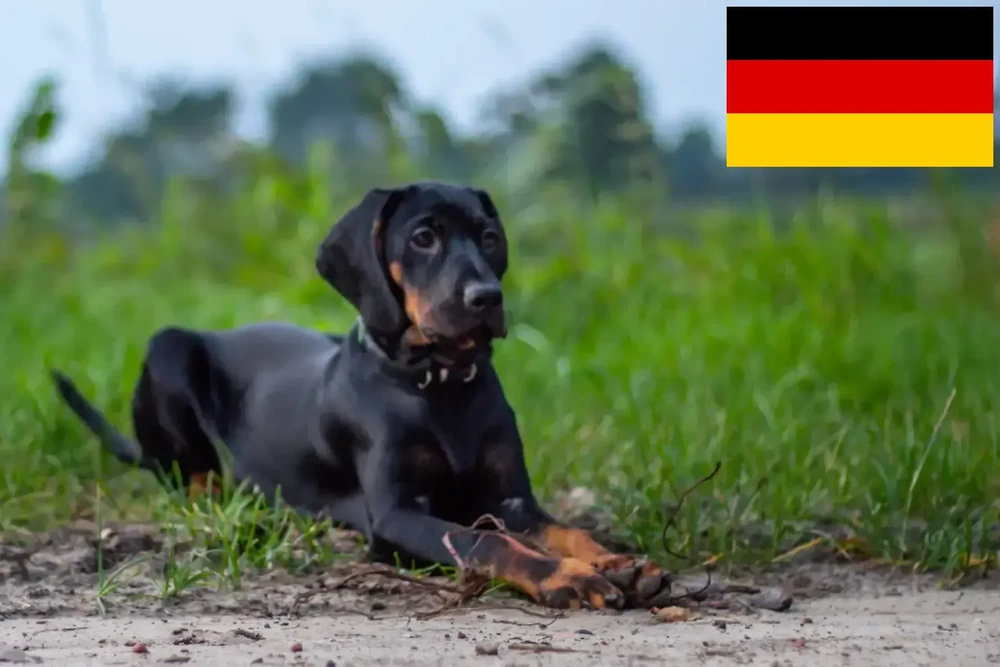
Most people who enjoy hounds appreciate the same thing: a dog that feels steady, capable, and switched on without being frantic. The Gończy Polski is often described as agile and intelligent, and many owners find they do best when given meaningful daily outlets for that working drive, not just a quick stroll.3
With children and visitors, a lot comes down to socialisation and the dog’s individual nature. A scent hound can be sociable and family-oriented, but it can also be more independent than people expect, especially in adolescence. If you are picturing a dog that automatically checks in every 30 seconds, this may not be the breed that delivers that experience.
With other pets, planning matters. A Gończy Polski is bred to follow scent and pursue game, so it is wise to assume a level of prey drive may exist. Early, thoughtful introductions and ongoing management are usually more reliable than hoping instinct will “switch off”.
Training that suits a scent hound brain
Training often goes best when you treat recall and loose-lead walking as skills you build patiently, not behaviours you demand once and expect forever. For many Gończy Polski dogs, the environment is rewarding in itself. A fresh scent trail can be more compelling than praise, particularly in new places.
Positive reinforcement and clear routines tend to work well, but it helps to be strategic about the rewards. Higher value food, short sessions, and practising around distractions in a gradual way can make more difference than repeating the same cue more loudly.
If you want off-lead time, think in terms of safety systems rather than trust as a single leap. Many owners do best with combinations such as:
- Long-line walks for sniffing freedom while keeping control
- Secure, fenced areas for sprinting and exploring
- Scent games at home so the dog gets to “do the job” in an appropriate way
Exercise and enrichment: what “high energy” really means
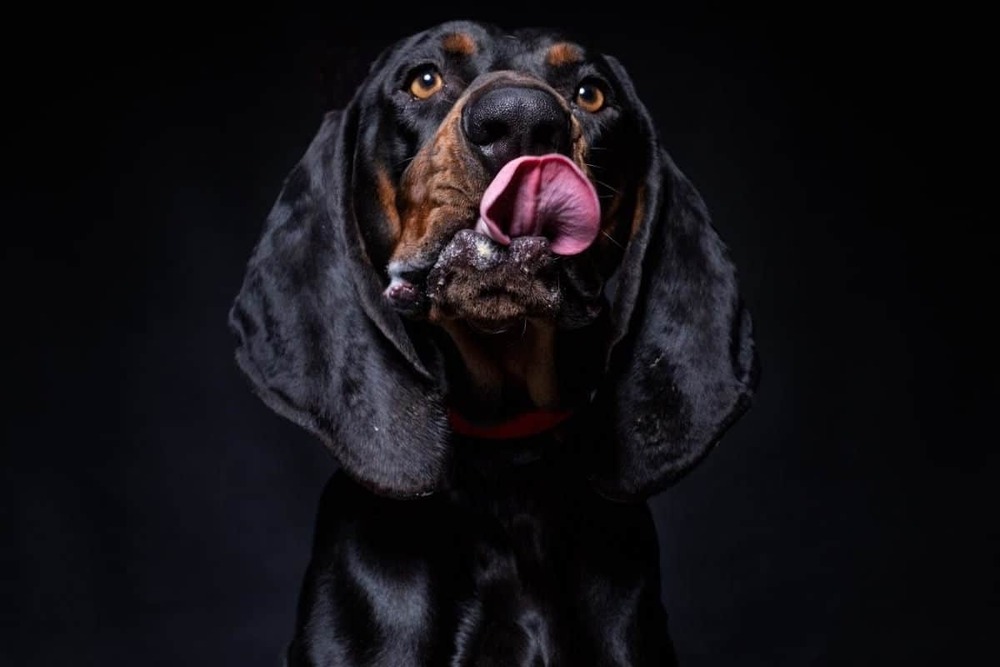
Some breed profiles reduce exercise to a number of kilometres. With the Gończy Polski, the bigger picture is stamina plus curiosity. They often need both physical exercise and the chance to use their nose. The UK Kennel Club, for example, notes exercise needs of more than two hours per day for the Polish Hunting Dog (listed as an interim breed in the UK), which aligns with the broader reality of living with an active working hound.4
That does not mean every day must be a huge hike, but it does mean the dog will likely cope better when you alternate:
- Long, steady walks with sniff time
- Faster runs or structured play in safe spaces
- Short training sessions that add mental effort
When exercise is consistently too low, the problems people label as “stubborn” often look more like restlessness, scavenging, vocalising, and a dog that struggles to settle.
Health considerations and sensible prevention
No single article can promise which conditions an individual dog will or will not face. Still, two practical themes are worth taking seriously in hounds with athletic builds and drop ears: joint care and ear care.
Hips and long-term joint comfort
Hip dysplasia exists across many breeds. It is influenced by multiple factors, with genetics playing a major role, and growth rate and weight also affecting outcomes.6
For puppies, the most protective approach is usually simple and unglamorous: maintain a healthy body condition, avoid overfeeding, and keep exercise age-appropriate while the body is developing. If you are buying a puppy, ask what hip screening is done in that breeding line and how results are shared.
Ears and recurrent infections
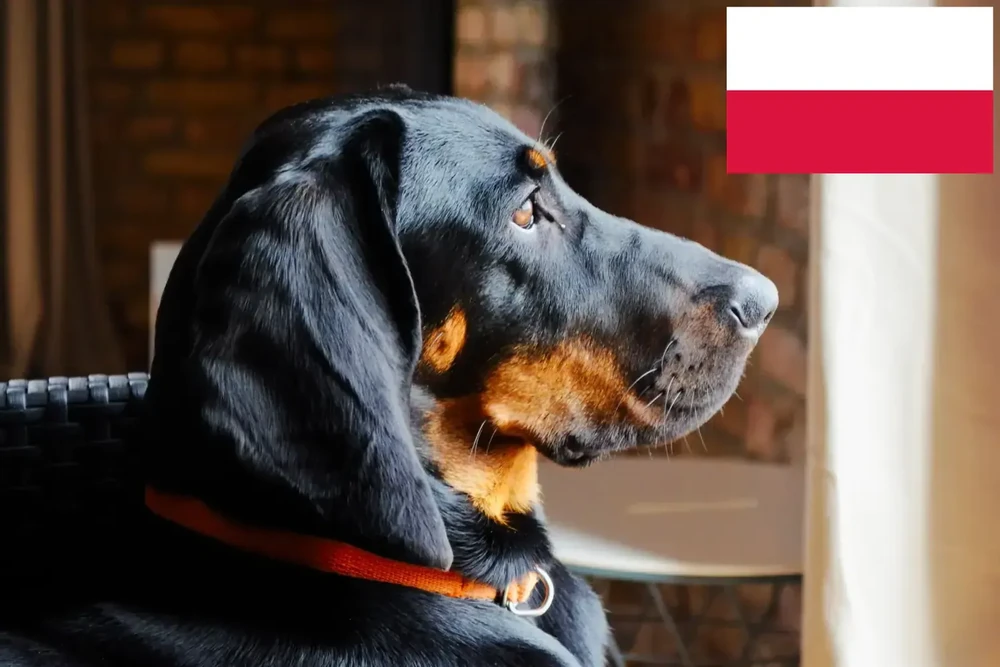
Dogs with floppy ears can be more prone to ear infections because reduced airflow can help moisture and debris linger. Allergies, yeast or bacteria, parasites, and foreign bodies can also contribute.7
Practical prevention often looks like routine ear checks, drying ears after swimming, and seeing your vet promptly if you notice head shaking, redness, odour, or sensitivity. Regular cleaning is sometimes recommended, but it should be guided by your vet, especially if infections recur.
Grooming and coat care
The Gończy Polski’s coat is short and tends to be straightforward to maintain. A weekly brush is often enough to lift out dead hair and keep the coat in good condition, with more frequent brushing during heavier shedding periods.
What matters more than “beauty grooming” is the quiet, routine care that supports comfort and early detection: nails, paws, ears, and a quick scan for ticks, grass seeds, and minor injuries after bush walks.
Feeding and body condition
If you talk to vets and trainers, you will hear the same message repeated in different ways: diet affects everything from energy levels to joint load. The World Small Animal Veterinary Association (WSAVA) emphasises structured nutritional assessment and choosing diets based on reliable information, not marketing cues like ingredient list trends.8
For an active, medium-sized hound, the goal is usually a diet that is complete and balanced for life stage, and a feeding plan that keeps the dog lean rather than “solid”. If you can easily feel ribs with a light cover, and see a waist from above, you are generally in the right zone.
If you are unsure, ask your vet to score body condition and help you set a realistic target weight. It is one of the simplest interventions with the best long-term payoff.
Is the Gończy Polski a good match for your life?
It helps to decide based on lifestyle, not aesthetics. A Gończy Polski can be a wonderful companion for the right household, but they are rarely a “fit anywhere” dog.
You are more likely to enjoy this breed if you can offer consistent daily exercise, training that respects their instincts, and secure ways to explore outdoors safely. You might struggle if you need a dog that is reliably off-lead in unfenced areas, or if most days are short walks around the block.
If you are considering a puppy, try to meet adult dogs too, not just the most charming youngster in the litter. Adult temperament gives you a clearer picture of what you are actually bringing home.
References
- FCI: Gończy Polski (No. 354) breed information and recognition dates
- FCI: Official breed standard PDF for Gończy Polski (Polish Hunting Dog)
- The Kennel Club (UK): Polish Hunting Dog (Imp) breed information
- The Kennel Club (UK): Interim breed standard for Polish Hunting Dog (effective 1 April 2025)
- Związek Kynologiczny w Polsce (ZKwP) Łódź: Gończy Polski information and breed background (Polish)
- American College of Veterinary Surgeons: Canine hip dysplasia overview
- The Animal Medical Center: Ear infections in pets, causes, risk factors, and treatment
- WSAVA: Global Nutrition Guidelines
- The Kennel Club (UK): Hound breed standards overview