

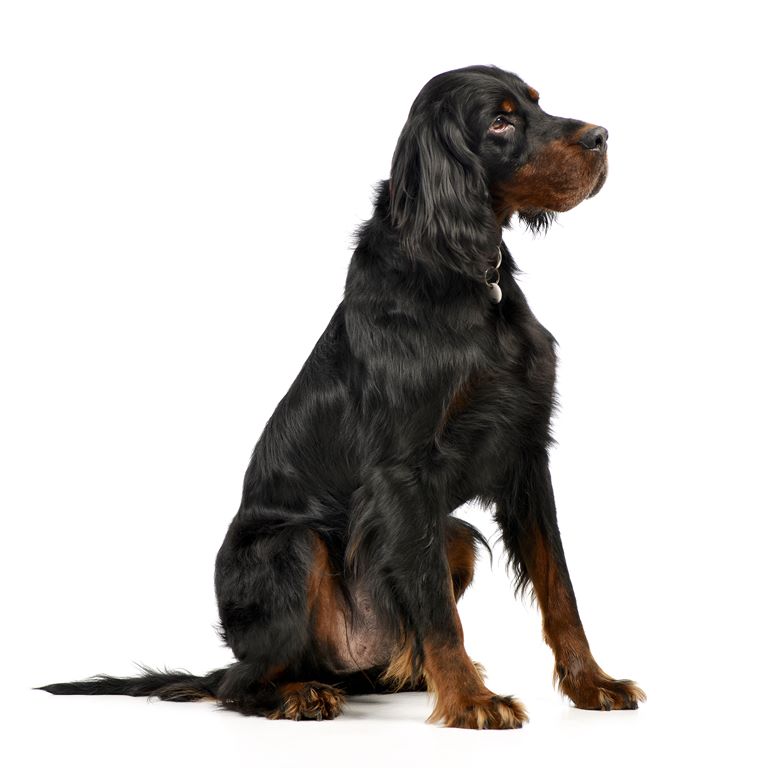
You might notice it first on a walk or at a local obedience class: a black-and-tan dog with a soft, feathered outline and a way of moving that looks both steady and purposeful. People often assume that sort of elegance comes with a quiet temperament. With the Gordon Setter, the truth is a little more practical.
These are gundogs bred to cover ground, think for themselves, and stay engaged for long stretches. In day-to-day life that can look like a dog who is affectionate and closely bonded at home, but also genuinely busy in mind and body. If their needs are met, they tend to settle well. If they are not, the dog will usually find its own projects.
For the right household, a Gordon Setter can be a deeply satisfying companion: loyal, trainable, and happiest when included. The key is understanding what sits under that glossy coat, and making decisions that fit your lifestyle, climate, and time.
- Breed category: Gundog
- Country of origin: Scotland
- Typical height: Dogs 66 cm, bitches 62 cm1, 2
- Typical weight: Dogs 29.5 kg, bitches 25.5 kg1, 2
- Typical lifespan: Around 10 to 12 years6
- Exercise needs: High, daily physical and mental work
- Coat: Long, silky, feathered
- Colour: Black with rich tan markings, small white spot on chest may be permitted in some standards1, 2
- Overall maintenance: Moderate to high (exercise, coat care, training)
History and origin
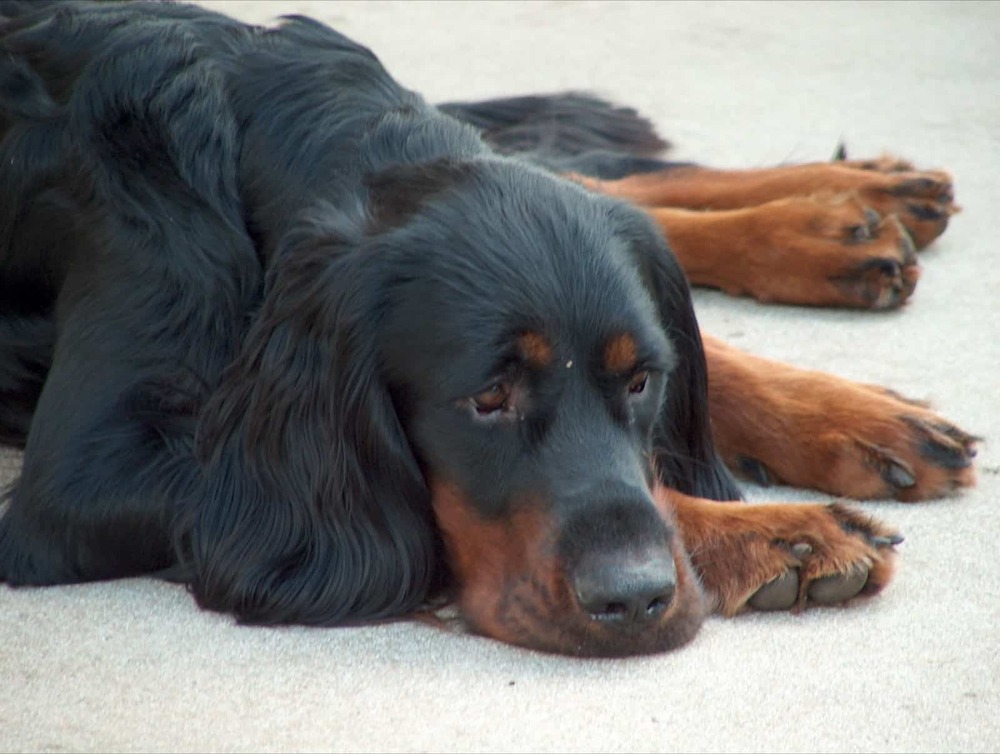
The Gordon Setter developed in Scotland as a dog suited to working over rough country in pursuit of gamebirds. The modern breed is strongly associated with the Duke of Gordon, whose kennels helped shape the type people recognise today.7
That working background matters because it helps explain the breed’s everyday strengths and challenges. Gordon Setters were selected to search, range, and keep going. They are often at their best when life includes time outside, room to move, and a handler who enjoys training rather than simply managing behaviour.
It is a sporting breed first and foremost. Even in a suburban home, many Gordons will still show the traits that made them useful in the field: persistence with scent, a tendency to roam if given the chance, and a need for purposeful activity.
Physical characteristics
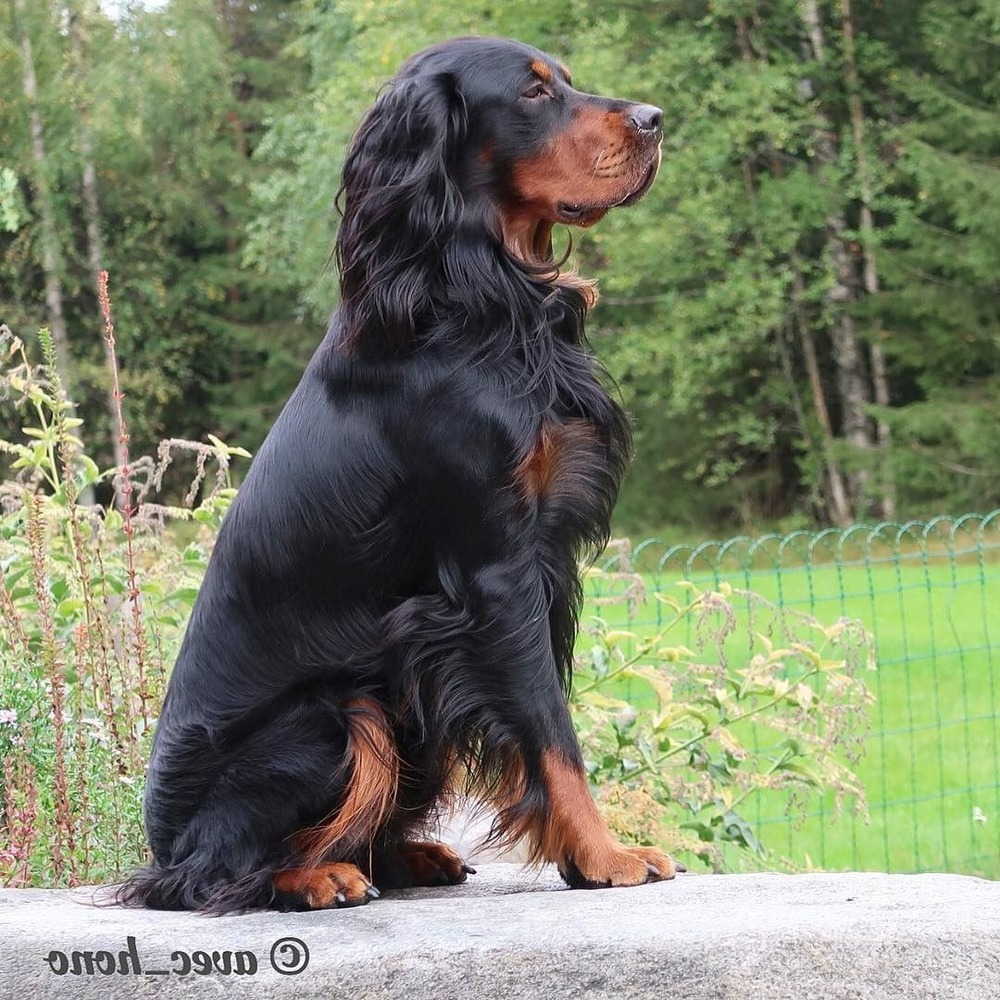
The breed standard describes a good-sized, sturdy dog with a straight or slightly wavy coat and clear black-and-tan colouring.1, 2, 8 In Australia you will often hear people describe them as solid rather than racy, with enough substance to work all day.
Those feathered ears, legs, and tail are part of the appeal, but they are also the areas that collect burrs, grass seeds, and mud. If you live where bindis and grass awns are common, it pays to treat post-walk checks as routine rather than occasional.
Typical size range is around 66 cm for dogs and 62 cm for bitches, with weights around 29.5 kg and 25.5 kg respectively, although individuals vary.1, 2
Temperament and behaviour in everyday life

Well-raised Gordon Setters are commonly described as loyal, affectionate, and attentive. Many bond closely with their people and prefer to be involved rather than left to their own devices for long periods.6, 8
At the same time, they are not usually a “switch-off” breed. Their working heritage can show up as scanning, sniffing, and a steady interest in what is happening around them. In practice, this means they tend to do best with a mix of exercise, training, and calm time indoors, not exercise alone.
With children, the picture is often good, but it depends on the dog’s maturity and the household’s expectations. Young Gordons can be boisterous in the way many adolescent gundogs are. Supervised interactions, teaching kids dog-safe handling, and giving the dog a quiet retreat space make a big difference.
With other pets, early socialisation helps, and management matters around small animals. Pointing and chasing are not “bad behaviour” in the moral sense, they are patterns that can be reinforced by practice. A long line, secure fencing, and reward-based recall work are sensible defaults.
Training and exercise needs

Gordon Setters usually respond best to training that is patient, consistent, and rewarding. Harsh handling tends to create avoidance or conflict, while soft, unclear handling often creates a dog who learns to negotiate. Clear reinforcement and steady practice are the sweet spot.
A common mistake is to focus only on physical exercise. Yes, they need to move, but they also need to use their nose and brain. Many owners have good results with:
- long sniffy walks (not just marching)
- retrieve games with structure, including “wait” and “bring”
- basic scent games in the garden
- obedience, rally, or field-style training for those who enjoy it
Because the breed can be inclined to follow scent, recall is worth treating as a long-term project. Build it with distance, distractions, and rewards, and use management tools (fences, long lines) until it is reliable in the situations you actually face.
Health and lifespan
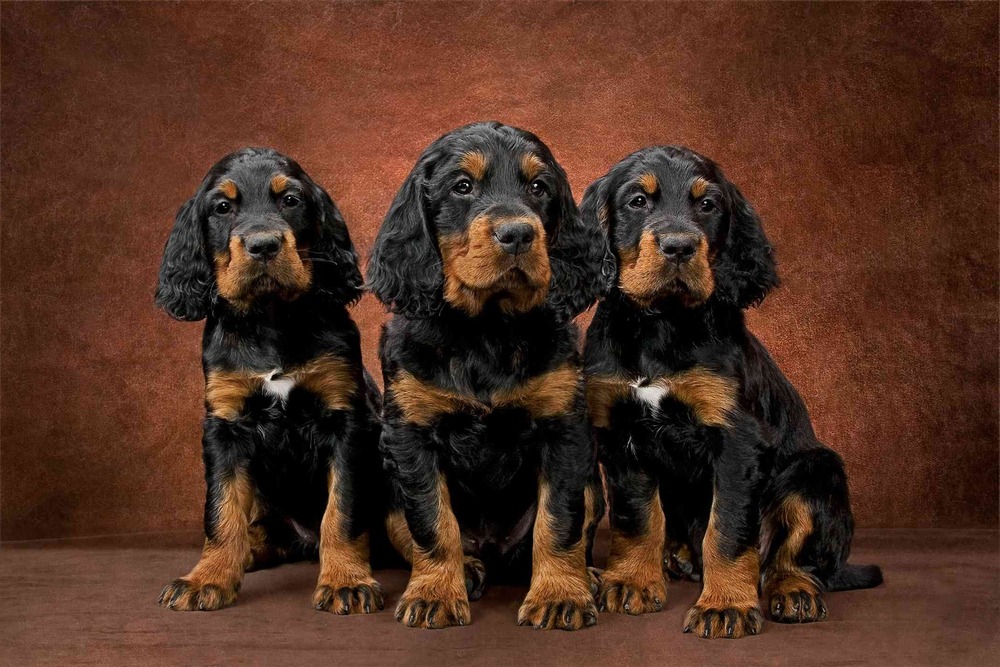
Average lifespan is often quoted at around 10 to 12 years, with variation depending on genetics, body condition, and overall care.6
As with many medium-to-large breeds, it is sensible to discuss screening and family history with breeders and your vet. Conditions commonly mentioned in breed information include hip dysplasia and certain eye disorders (such as progressive retinal atrophy).6, 9
Another practical topic for deep-chested breeds is gastric dilatation-volvulus (GDV), sometimes called bloat. The risk is not only about what food you feed, but also feeding practices. Guidance commonly includes splitting meals (rather than one large meal) and discouraging rapid eating.9
If you are in a hot part of Australia, remember that a dark-coated, active dog can overheat quickly with exercise in warm weather. Adjust walk times, offer shade and water, and learn the early signs of heat stress so you can act early.10
Grooming and maintenance
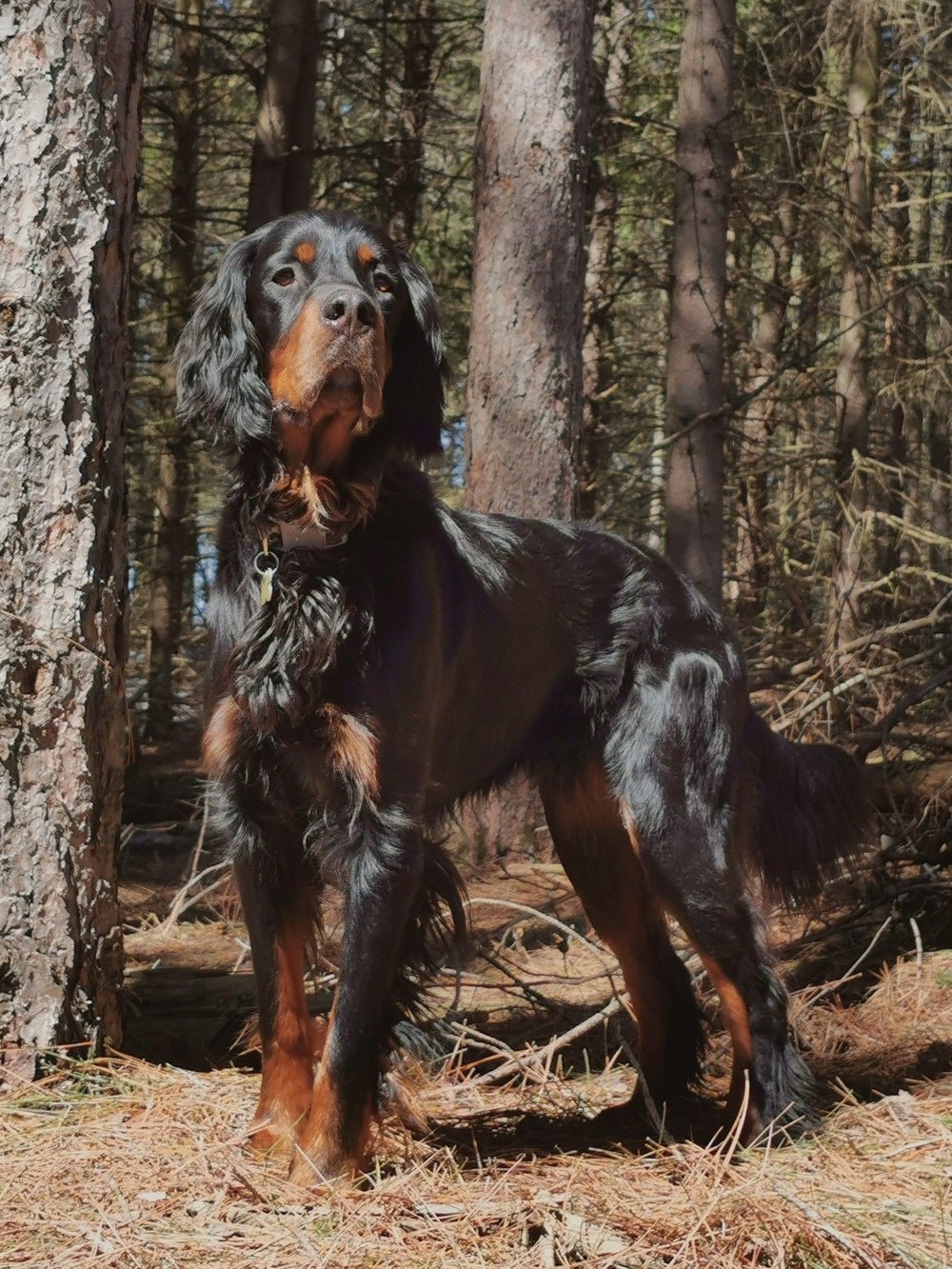
The coat is one of the breed’s joys, but it asks for routine. Regular brushing helps prevent mats in the feathering and makes it easier to spot grass seeds, ticks, minor wounds, and skin irritation. Many Gordon owners find that two or three thorough brushes a week is realistic, with more during seasonal shed.
Ears deserve special attention. Long, hanging ears can trap moisture and debris, and many vets recommend checking ears regularly and cleaning only as needed with appropriate products, rather than over-cleaning.5
If you prefer a tidy outline, a light scissor-trim of feet and feathering can be helpful, especially for dogs who are frequently in long grass or mud. If you are unsure, a groomer who is familiar with feathered sporting breeds can show you what to maintain at home without taking the coat too short.
Diet and nutrition
For a dog built to work, food choices are less about chasing trends and more about meeting energy needs while keeping the dog lean. A Gordon Setter carrying extra weight is not just a cosmetic issue, it can increase strain on joints and reduce stamina.
It helps to choose a diet that is labelled complete and balanced for your dog’s life stage, and to make changes gradually if you switch foods. The World Small Animal Veterinary Association (WSAVA) emphasises the value of individual nutritional assessment with your veterinary team, rather than one-size-fits-all advice.4
If your dog gulps meals, consider slowing down eating using a puzzle feeder or other strategies, and split daily intake across two or three meals if advised for your dog’s situation.9
Is a Gordon Setter the right fit?
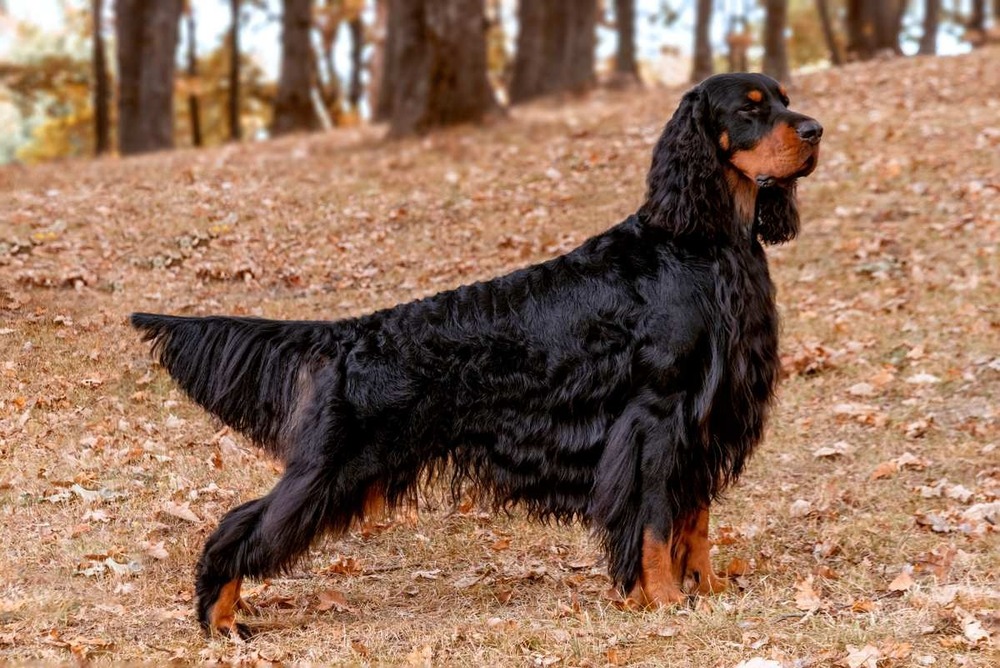
People often fall for the look first, then learn about the lifestyle second. It is worth flipping that order. A Gordon Setter tends to thrive with owners who enjoy training, have time for daily activity, and can offer secure space and companionship.
This breed can be a lovely match if you want a dog who is present, responsive, and up for doing things together. If your weeks are packed, you prefer a low-shedding coat, or you need a dog who is content with short walks most days, it may be kinder to admire Gordons from a distance.
Best outcomes usually come from aligning the dog’s needs with your real routine, then supporting that with early training, good breeding choices, and a steady relationship built over time.
References
- Dogs Queensland (ANKC): Gordon Setter breed standard
- The Kennel Club (UK): Gordon Setter breed standard
- The Gordon Setter Association: Breed standard (as issued by The Kennel Club)
- WSAVA Global Nutrition Committee: Nutrition resources and guidance
- Purina UK: Gordon Setter overview (care, grooming, ears)
- American Kennel Club (AKC): Gordon Setter breed information
- AKC Expert Advice: Setter breeds overview (Gordon Setter history notes)
- Gordon Setter Club of America: Breed standard
- Purina Institute: Canine gastric dilatation-volvulus (GDV) feeding management
- RSPCA Knowledgebase: Signs of heat stroke in pets