

You might come across a Grand Griffon Vendéen because you have seen a shaggy, long-legged hound in a photo and wondered what, exactly, you were looking at. Or you may have met one out walking and noticed the combination of a relaxed, sociable presence and a nose that seems permanently switched on.
It is easy to assume that a big French scenthound is only for hunters. In practice, the picture is more nuanced. The Grand Griffon Vendéen is still very much shaped by its original job, which means stamina, voice, and scent drive. Those traits can be a delight in the right home, and frustrating in the wrong one.
If you are considering the breed, it helps to think less about the look and more about the day-to-day. How much space do you have, how often can you get out for long walks, and how comfortable are you living with a dog that likes to follow its nose?
At a glance: the Grand Griffon Vendéen
The Grand Griffon Vendéen is a large French scenthound developed for hunting big game over difficult terrain, often working in a pack. Breed standards describe a robust, well-proportioned hound with a harsh, rough coat and an active, determined way of moving.1, 2
- FCI group: Group 6 (Scenthounds and related breeds), Section 1.1 (Large-sized hounds)1
- Typical height: males about 62 to 68 cm, females about 60 to 65 cm2
- Coat: rough, fairly long, with undercoat2
- Temperament notes: described as docile, but also willing and passionate, and needing skilled handling2
Life expectancy figures vary by source and by lines, but many owners plan for a medium-to-large dog lifespan, with ongoing attention to weight, joints, ears, and general conditioning.
History and origin
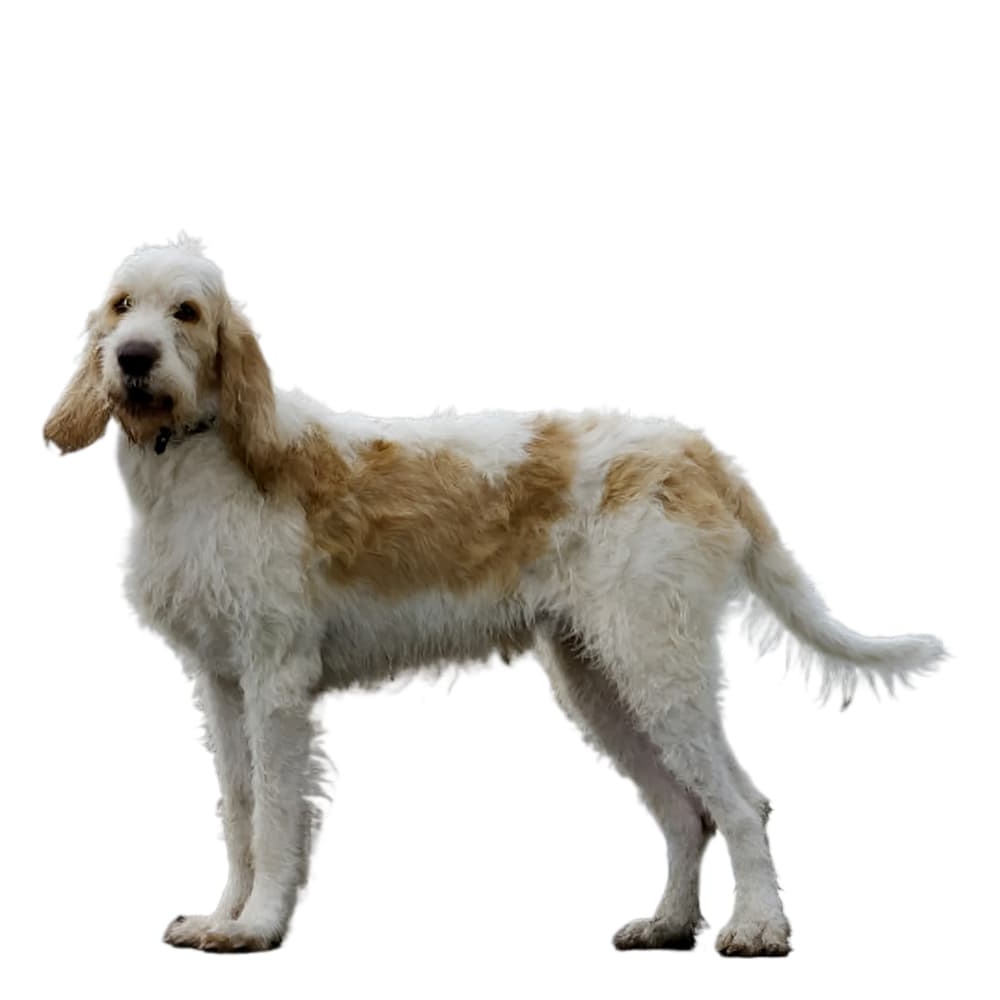
The breed comes from the Vendée region of France, and the modern standard reflects a long history of French hounds selected for scenting ability, voice, and the capacity to work through thick cover. The standard also notes that these dogs needed large territories, which is a useful clue when you are picturing daily life with one.2
In practical terms, their history shows up as persistence on a scent trail, a tendency to range if given the chance, and a willingness to push through brambles and rough ground. Those are brilliant traits for the job, and they are also why secure fencing and reliable recall training matter so much in pet homes.
Physical characteristics
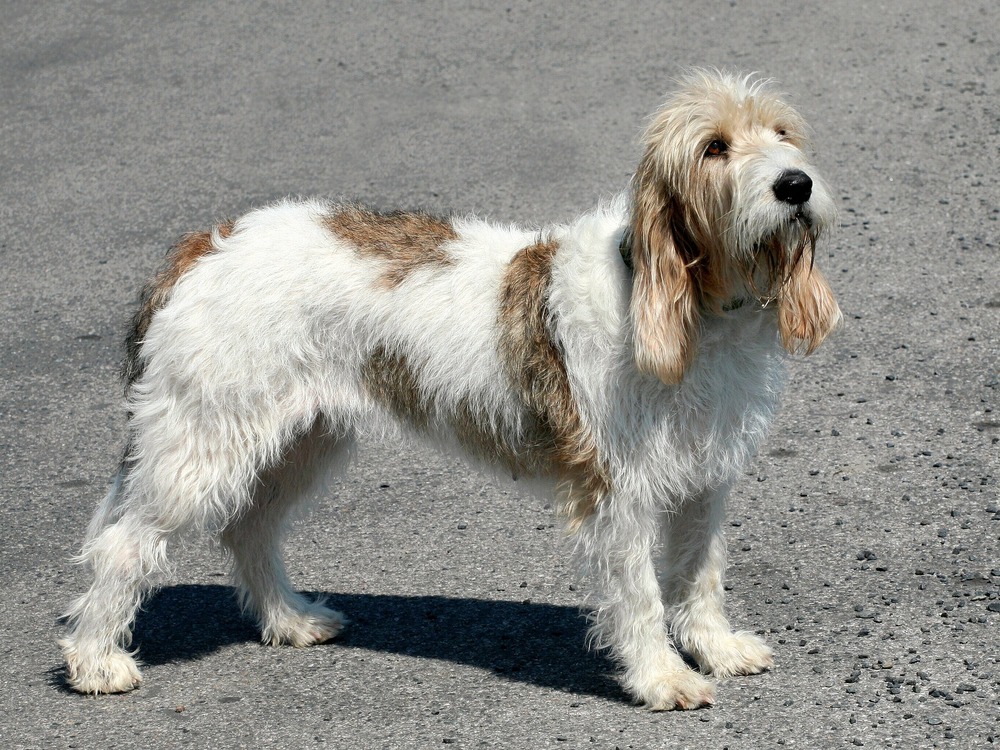
The Grand Griffon Vendéen is the tallest of the Vendéen griffon types, and should look athletic rather than heavy. The FCI lists it as a large-sized hound, with a build designed for endurance rather than short bursts of speed.1, 2
The coat is a big part of the breed’s identity. It is described as coarse and fairly long with a dense undercoat, with pronounced eyebrows and moustache. That coat helps protect the dog in scrub and cold, but it can also trap burrs and seeds after bush walks, so post-walk checks become part of your normal routine.4
Temperament and everyday behaviour
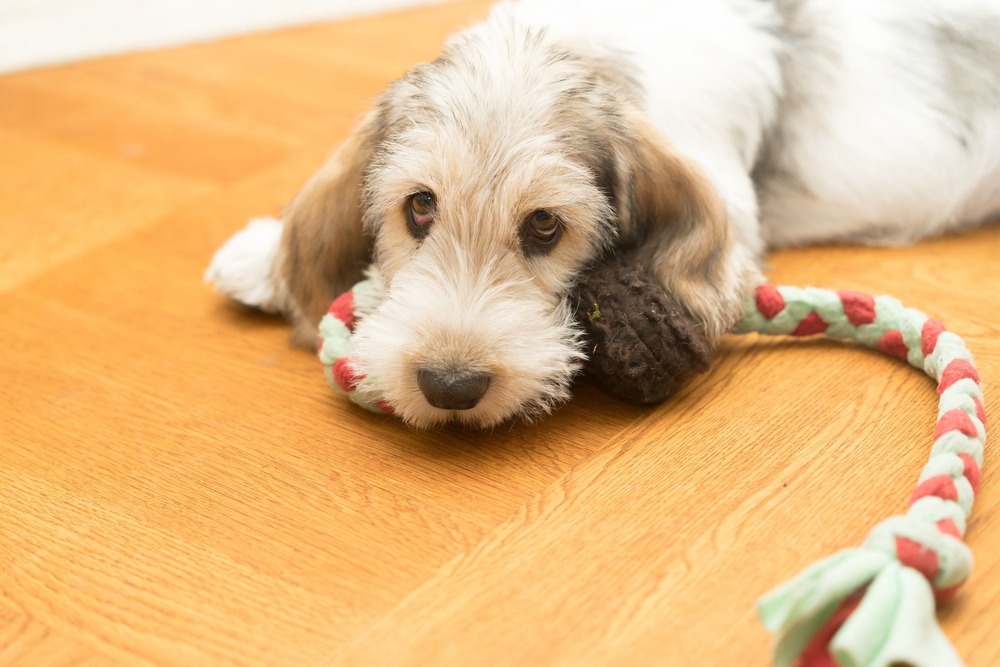
Most scenthounds share a particular style of independence: they can be social and responsive, yet still make their own decisions once something interesting hits the ground. The breed standard language is telling here, describing the Grand Griffon Vendéen as docile, but determined.2
That does not mean they cannot be trained. It usually means training works best when it is consistent, reward-based, and built around realistic expectations. A scenthound that is asked to ignore every smell all the time is being set up to fail. A scenthound that is taught when sniffing is allowed, how to check in, and how to work with you on a long line often becomes far easier to live with.
Vocalising is also part of the package. Many hounds have a strong voice, and the FCI standard explicitly notes a good throat (voice). In suburbia, that can translate to a dog that bays when excited, bored, or following a scent line along the fence. Planning for sound management is kinder than hoping it will never happen.2
Training and exercise needs
These are active dogs that were built to keep going. They tend to do best with daily walks that are long enough to be satisfying, plus opportunities for structured sniffing, tracking-style games, or scenthound sports. If exercise is rushed or purely physical, many hounds still feel under-done because their brain has not had much to do.
If you are starting from puppyhood, early socialisation and gentle exposure to the world matters, but so does teaching practical skills that protect the dog. In scenthounds, that often includes:
- Long-line recall practice in safe, low-distraction places before expecting reliability outdoors.
- Loose lead walking, because a strong dog that follows its nose can easily pull a handler off balance.
- Settle skills for home, so the dog can switch off between adventures.
Because this breed has a rough coat and was developed for outdoor work, people sometimes underestimate heat risk. In warm weather, adjust exercise timing, prioritise shade and water, and watch for early signs of overheating. Heatstroke is a veterinary emergency, and prevention is always easier than treatment.6, 7
Health considerations and lifespan
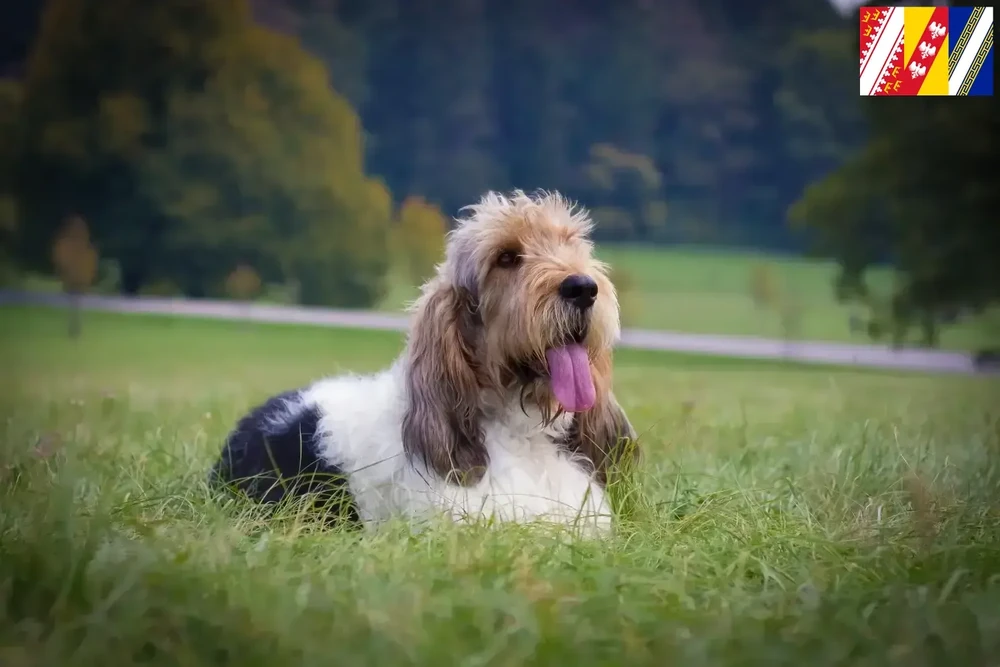
No breed is free of health risk, and large, athletic dogs benefit from thoughtful management across their whole life. One commonly discussed issue in larger dogs is hip dysplasia, which involves joint laxity and can lead to arthritis and reduced comfort over time. Genetics is a major risk factor, and growth rate and body condition can influence how problems show up.8
Long, pendulous ears can also create a warm, low-airflow environment that is more prone to ear trouble in some dogs. The goal is not aggressive cleaning. It is regular checks, keeping ears dry after swims, and getting veterinary guidance if you notice odour, redness, head shaking, or sensitivity.9
If you are buying a puppy, ask what health screening is done in the line, and ask to see documentation. If you are adopting an adult, a baseline vet check helps you plan exercise and weight management appropriately.
Grooming and general maintenance
The coat is designed to be practical, not polished. Weekly brushing is a reasonable starting point for many dogs, with extra attention after bush walks to remove seeds, burrs, and leaf litter. Many owners also do light tidying rather than heavy clipping, since the harsh coat has a purpose.
Maintenance tends to sit in the middle range: not a wash-and-wear short coat, but also not a constant salon schedule. What matters most is consistency, particularly around:
- Coat checks after outdoor time
- Nails and paw pads, especially if the dog runs on rough ground
- Ear checks and drying after water
- Teeth, because dental disease is common across breeds
Diet and nutrition
The right food is the one that suits your dog’s age, activity level, and health status, and that you can feed consistently while keeping a stable body condition. Nutrition advice online can get noisy, so it is worth grounding decisions in veterinary guidance and reputable frameworks such as the WSAVA Global Nutrition Guidelines, which emphasise individual assessment rather than one-size-fits-all rules.10
For large, active dogs, a steady approach usually works best: measured meals, treats accounted for, and regular weight checks. If you can easily feel ribs with light pressure and see a defined waist, you are generally in a good place. If you are not sure, your vet can help you score body condition and adjust portions gradually.
Is the Grand Griffon Vendéen likely to suit your life?
This is a breed that tends to flourish when its instincts have somewhere to go. People who enjoy long walks, hiking, and training that includes scent work often find the relationship deeply satisfying. People who want a quiet, low-drive dog that stays close off lead without much training often feel outmatched.
If you are on the fence, it can help to spend time with breed people and see what the adult dogs are like in everyday settings. The Grand Griffon Vendéen is not common everywhere, but the best impressions usually come from meeting the dogs, not reading a checklist.
References
- Fédération Cynologique Internationale (FCI): Grand Griffon Vendéen (No. 282)
- Club du Griffon Vendéen: FCI Standard No. 282 (Grand Griffon Vendéen)
- United Kennel Club (UKC): Grand Griffon Vendéen Breed Standard
- American Kennel Club (AKC): How to Remove Burrs From Your Dog’s Coat
- American Kennel Club (AKC): Why Dogs Pull on the Leash
- RSPCA Pet Insurance: Heatstroke (Hyperthermia) Guide for Cats and Dogs
- RSPCA Australia: Keeping your pet safe during the heat
- American College of Veterinary Surgeons: Canine Hip Dysplasia
- Veterinary Partner (VIN): Ear Infections in Dogs (Otitis Externa)
- WSAVA: Global Nutrition Guidelines