

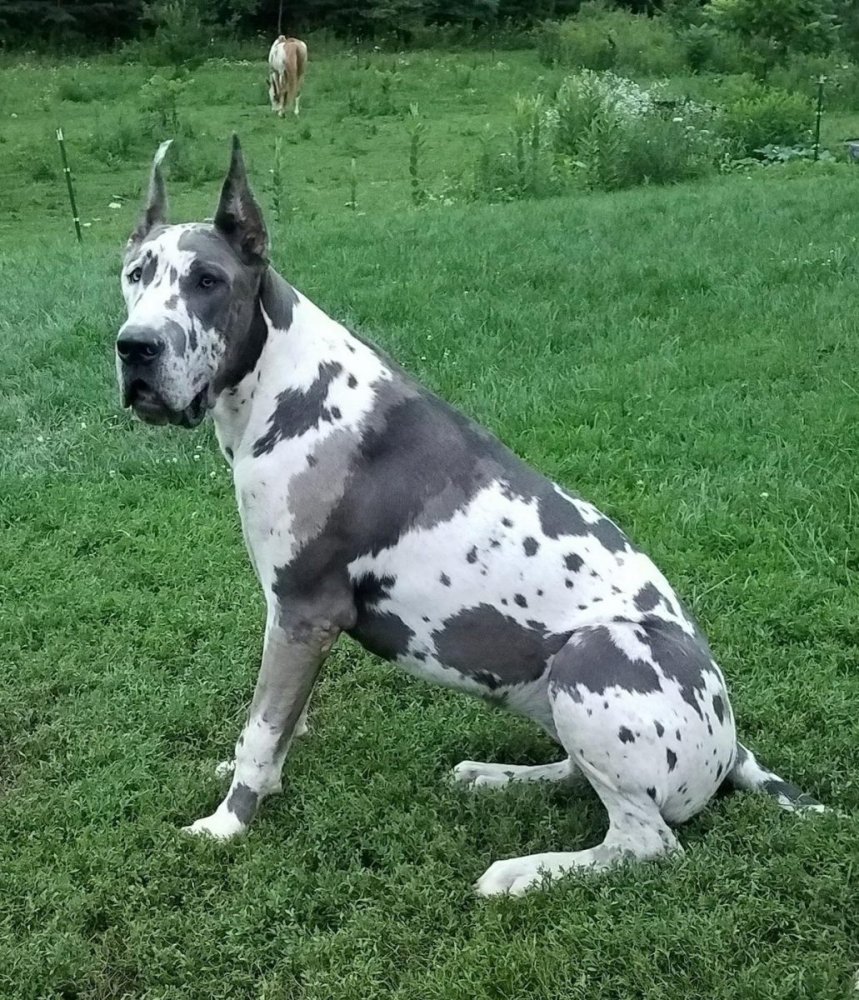
You might first notice a Great Dane because they seem to appear out of proportion to the world around them. They turn up at a local park like a small horse on a lead, or you see one folded neatly into the back seat of a hatchback. Then there is the quiet contradiction: this is a dog with serious size, yet they often move through everyday life with surprising softness.
A lot of what people hear about Great Danes is true in spirit but unhelpful in practice. Yes, they are commonly called gentle giants, and yes, they can suit family homes. But living well with a giant breed is less about being brave and more about getting the basics right early, from training and feeding routines to house set-up and knowing which health risks deserve respect.
If you are considering a Great Dane, or already share your home with one, it helps to look past the headline facts. What matters is how their size shapes their needs, and how small daily decisions, like when you exercise them or how you feed them, can make life easier for everyone.
Great Dane basics at a glance
- Group: Working
- Origin: Germany
- Height (adult): dogs at least 76 cm, bitches at least 71 cm (breed standard minimums)
- Weight (adult): dogs at least 54 kg, bitches at least 46 kg (breed standard minimums)
- Coat: short and smooth
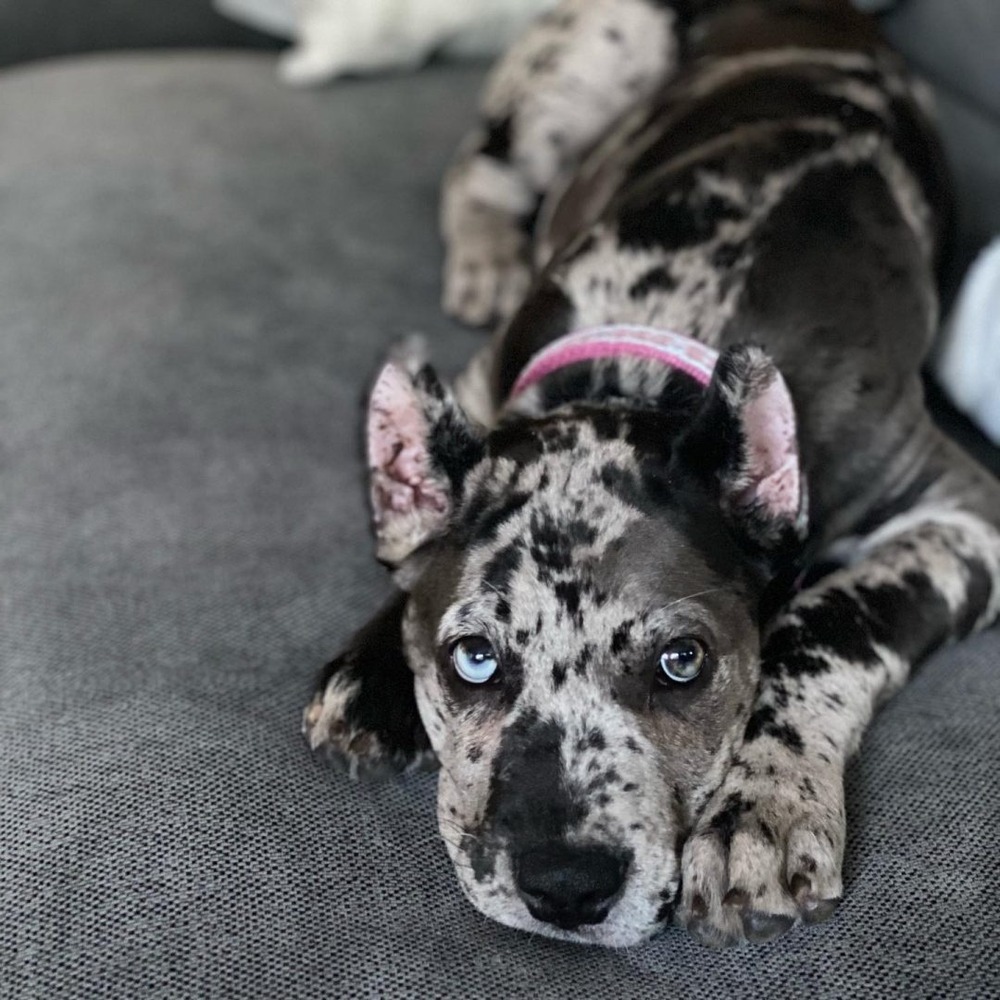
- Common colours: fawn, brindle, blue, black, harlequin (plus other recognised patterns in some standards)
- Typical lifespan: around 7 to 10 years
- Exercise needs: moderate, usually daily walks plus gentle play
- Grooming: low to moderate, weekly brushing suits most
- Watch-outs: drool, joint stress during growth, and higher risk of bloat (GDV) in deep-chested breeds
Where Great Danes come from, and what that history explains
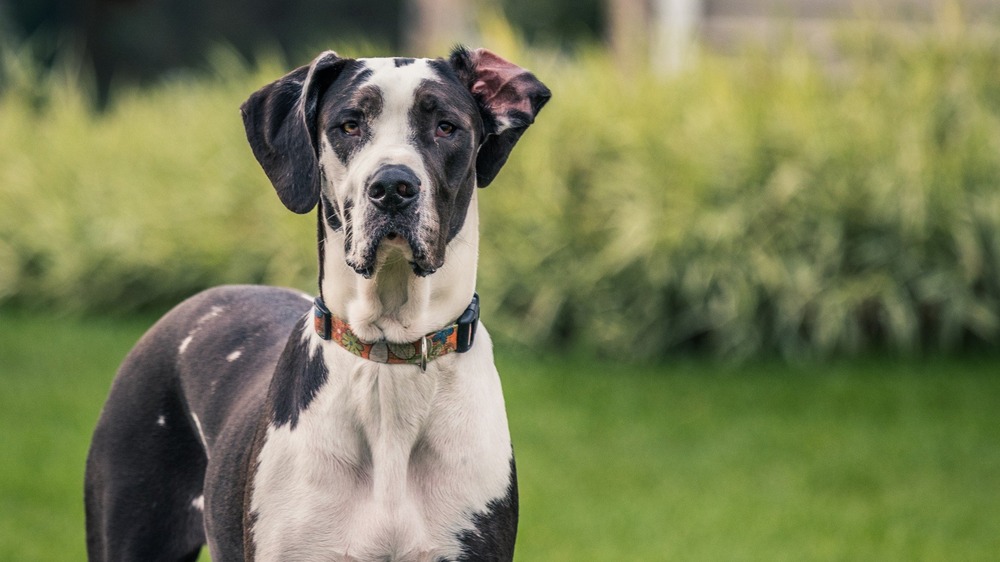
Great Danes were developed in Europe as large, athletic hunting and estate dogs, with Germany playing a central role in the breed we recognise today.1 Over time, they shifted from working roles into companionship, which is one reason you can still see both sides of them: the steady household presence and the sudden, impressive power when they choose to move.
It is common to hear that Great Danes descend from mastiff-type dogs, with later breeding shaping a taller, more elegant outline. Rather than getting too attached to a single neat origin story, it is more useful to notice what the breed was selected for: size, reach, and composure under pressure. Those qualities are part of why training matters so much, because an untrained giant does not need to be “naughty” to be hard to live with.
Why they are called the “Apollo of dogs”
The nickname tends to come back to outline and movement: long lines, a proud head carriage, and a kind of effortless stride when the body is fit and joints are comfortable. It is less about being showy, and more about the way a well-bred, well-managed Dane can look calm and balanced even when they fill a doorway.
Temperament in real homes: gentle, social, and very physical
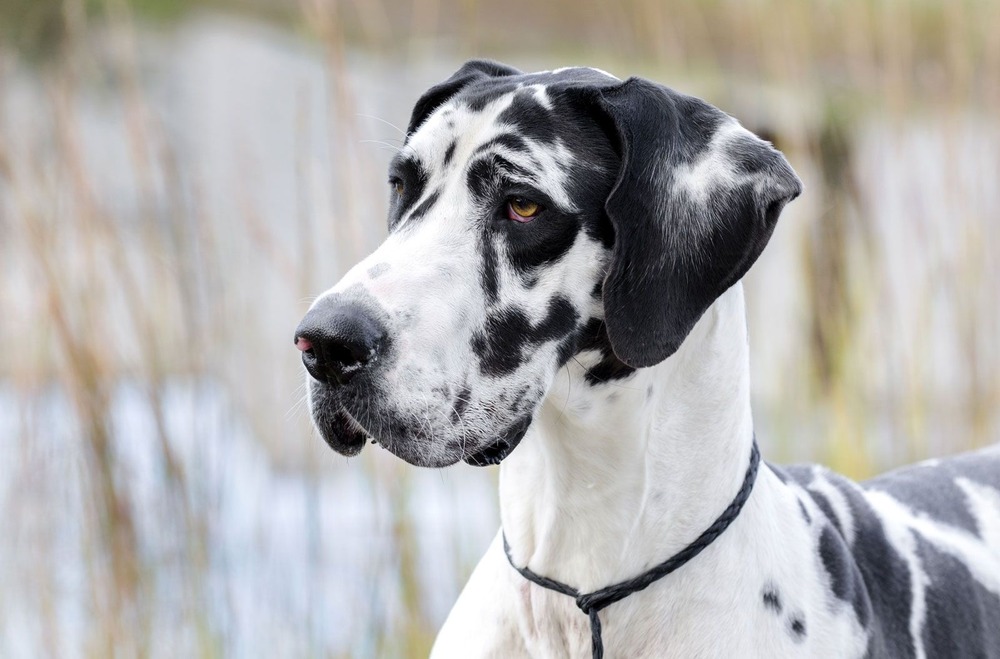
Many Great Danes are affectionate and people-focused, often happiest when they can keep tabs on the household from a nearby spot.2, 3 They are frequently described as gentle, and that is often accurate, but it can hide an important point: gentle does not mean untrained.
Because they are tall and strong, the everyday behaviours that are merely annoying in a smaller dog can become genuinely difficult at Dane scale. Jumping up, pulling on lead, barging past a child at the hall table, or leaning heavily when excited can all be managed, but it is best done early, kindly, and consistently.
Children, visitors, and other pets
Great Danes are often patient with children, especially when they have been properly socialised and the children are coached in calm, respectful handling.2 The main risk in family settings is usually accidental, not deliberate. A happy Dane can knock over a toddler without meaning to. Thoughtful supervision, predictable routines, and teaching a solid “place” or mat behaviour can make day-to-day life feel calmer.
With other pets, early introductions and steady exposure tend to help. Some Danes live peacefully with cats and smaller dogs, but it is sensible to assume that any large dog needs guidance around fragile animals, particularly during adolescence when energy rises and self-control is still forming.
Training that suits a giant breed
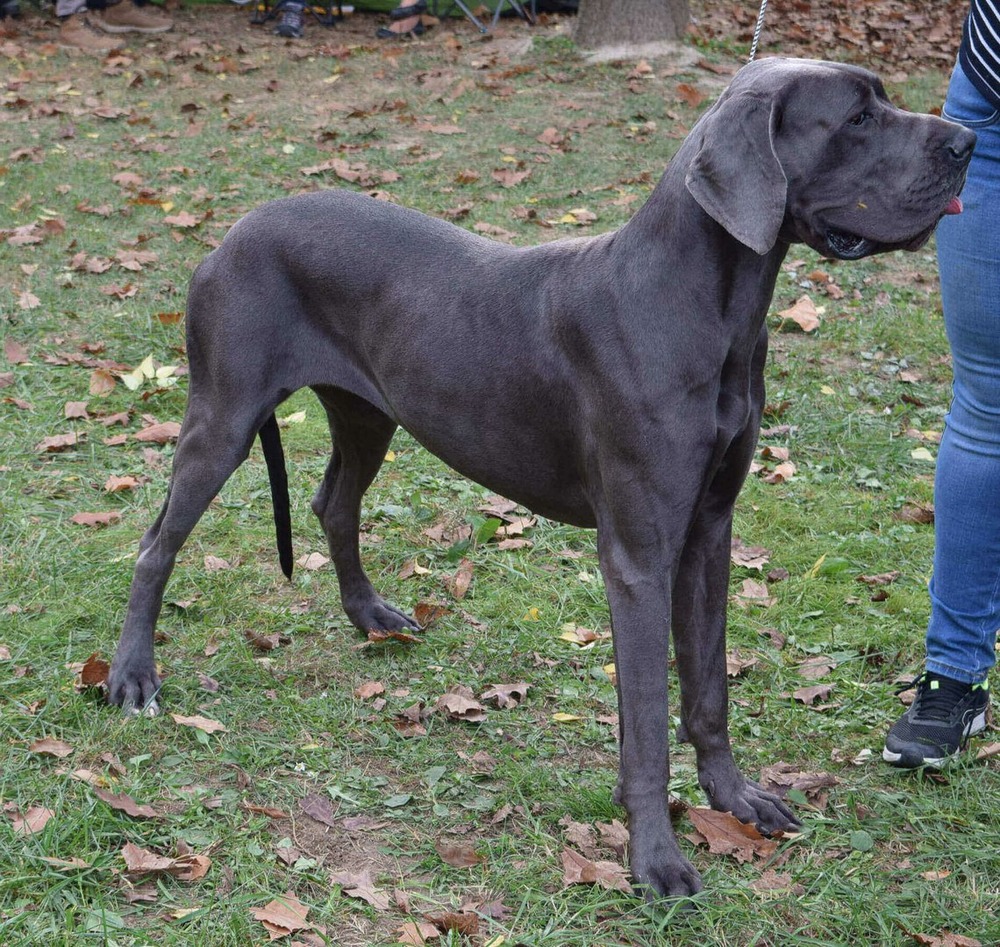
The most effective Great Dane training often looks almost boring from the outside. You are not trying to “dominate” anything. You are building a dog who can move through public spaces safely, settle when asked, and respond to cues even when excited.
Reward-based training, clear boundaries, and repetition tend to work well, particularly when sessions are short and timed around the dog’s attention span.4 For many Danes, the big wins are:
- Loose-lead walking from puppyhood, before strength arrives
- A reliable recall in low-distraction areas, plus realistic management in public
- “Off” and “place” cues to prevent leaning, jumping, and crowding
- Comfort with gentle handling, brushing, nail trims, and vet-style touching
Exercise, without overdoing it
Adult Great Danes often do well with daily walks and chances to sniff and move, plus light play. Many look like they could run all day, but the body is heavy, and joints and soft tissues can take a beating if exercise is intense and repetitive.
For puppies and adolescents, it is worth discussing growth, weight, and appropriate activity with your vet. A lean, steadily growing youngster is generally easier on their skeleton than a puppy pushed to grow fast or carry extra weight.
Health considerations that deserve steady attention
Great Danes are not “fragile”, but they are a giant breed with some known risks. The commonly discussed issues include joint disease, heart disease, and gastric dilatation-volvulus (GDV), which is often called bloat.2, 3 Their typical lifespan is also shorter than many smaller breeds, which can shape how people think about insurance, budgeting, and preventative care.2, 3
Bloat (GDV): what it looks like, and why routines matter
GDV is a genuine emergency that is more common in deep-chested breeds. If you ever see signs such as a suddenly swollen abdomen, repeated unproductive retching, restlessness, drooling, or rapid decline, treat it as urgent and contact an emergency vet immediately.5
Prevention is not perfect, but daily habits can reduce risk. Common recommendations include feeding multiple smaller meals, slowing down fast eaters, and avoiding vigorous exercise around meals.5, 6 Some dogs at higher risk may also be candidates for a preventive gastropexy, which you can discuss with your veterinarian.6
Grooming, drool, and the practical side of sharing a house
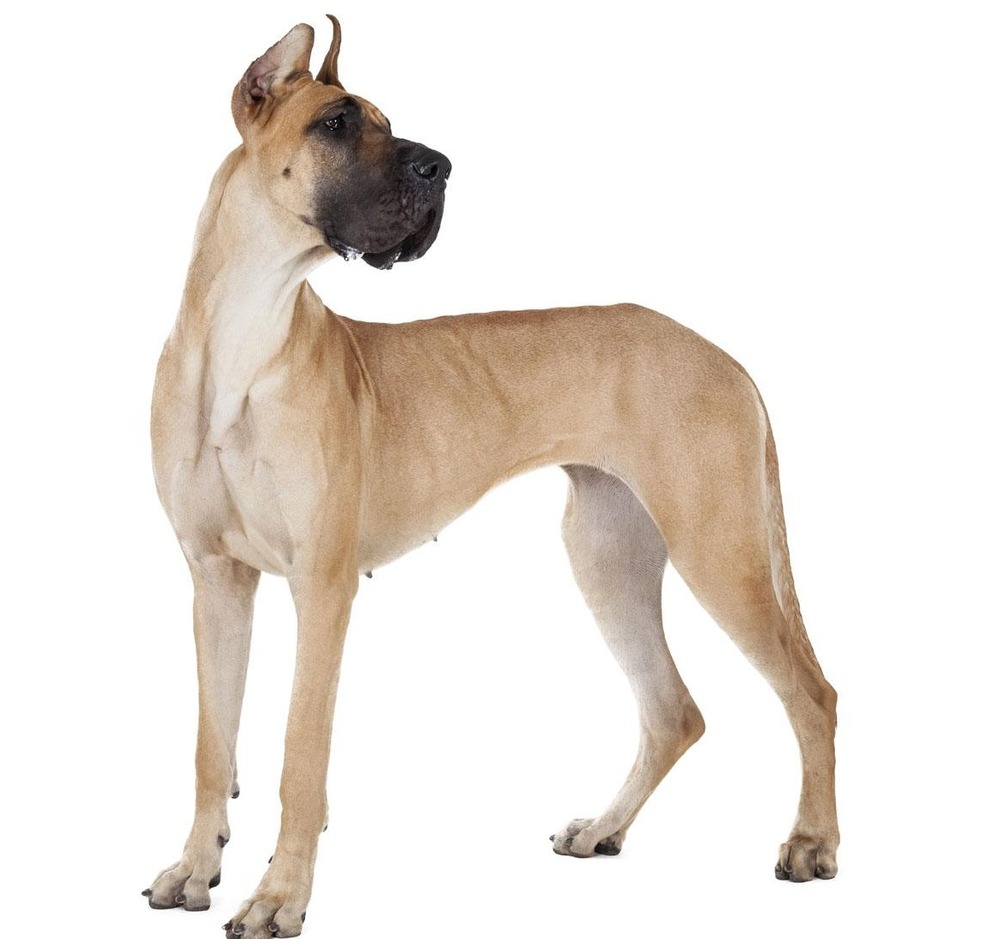
Great Danes have a short coat, so grooming is usually straightforward: a weekly brush helps with shedding and gives you a chance to check skin, ears, and lumps. Most of the real “maintenance” is not coat. It is the practical reality of a giant body in a human home.
Drool varies between individuals, but it can be significant. You may find that keeping a small towel near food and water stations makes life simpler. The same goes for non-slip mats on slippery floors and a bed that supports elbows and hips, especially as the dog ages.
Space and apartment living
Great Danes can live in smaller homes if their daily needs are met, but it helps to think in terms of layout rather than square metres. Narrow corridors, steep stairs, and polished floors can be harder than a modest home with easy access to a quiet walking route.
Feeding a Great Dane: growth, joints, and safer meal habits
Nutrition matters for all dogs, but it can feel more consequential with a Dane because the margin for error is smaller. Rapid growth, excess body weight, or an unbalanced diet can put extra pressure on developing joints.
Many owners choose a diet formulated for large or giant breeds, particularly during growth, and adjust portions to keep the dog lean rather than “solid”. If you are unsure, your vet can help you assess body condition and make a plan that suits your dog’s age and activity.
Given the risk of GDV, it is also sensible to treat mealtimes as part of health management. For many Danes, the most helpful habits are smaller meals split across the day, slow-feeding strategies for dogs who gulp, and calm downtime before and after eating.5, 6
Living with a Great Dane: what people tend to love most
People who fall for Great Danes often do so for the quiet companionship. Many Danes are not busy dogs in the house. They are present, observant, and content to be near you, as long as their body is comfortable and their basic needs are met.
They also have a particular social effect in public. Strangers will want to talk, children will point, and you will likely be asked “how big will they get?” more times than you can count. A calm Dane with good lead manners makes those moments pleasant instead of stressful.
If you want a dog who feels like part of the household rhythm, and you are willing to do the unglamorous work, training early, feeding thoughtfully, and respecting their health risks, a Great Dane can be a deeply satisfying companion.
References
- The Kennel Club (UK): Great Dane breed standard
- American Kennel Club: Great Dane life span and health issues
- PetMD: Great Dane breed health and care
- RSPCA Knowledgebase: How should I train my dog?
- American Animal Hospital Association (AAHA): Understanding canine bloat (GDV)
- PetMD: Gastric dilatation-volvulus (GDV) in dogs
- WSAVA: Global Nutrition Guidelines
- RSPCA Knowledgebase: What should I feed my dog?
- RSPCA Knowledgebase: What is the best way to socialise my dog?