

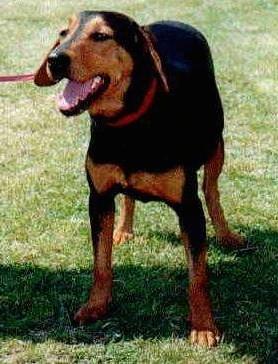
People usually come across the Greek Harehound (also called the Hellenic Hound) in a fairly ordinary way. You might meet one at a park and notice the lean, athletic outline, the long ears, and the way the nose seems to switch on the moment there is a scent trail. Or you might be comparing medium hounds and wondering why some cope beautifully with long, steady exercise, while others struggle without constant variety and purpose.
It can be tempting to think a hunting hound is only for hunters, or that a short coat automatically means an “easy” dog. With Greek Harehounds, the day to day reality tends to sit in the middle. They are often social and companionable at home, but they are also built for moving through rough country with their nose down, and that heritage shows up in training, management, and how you plan your week.
When the fit is right, they are rewarding to live with: a dog that enjoys routine, outdoor time, and calm, consistent handling. When the fit is wrong, the same strengths can become friction points, particularly around recall, containment, and boredom.
Breed snapshot: what a Greek Harehound is
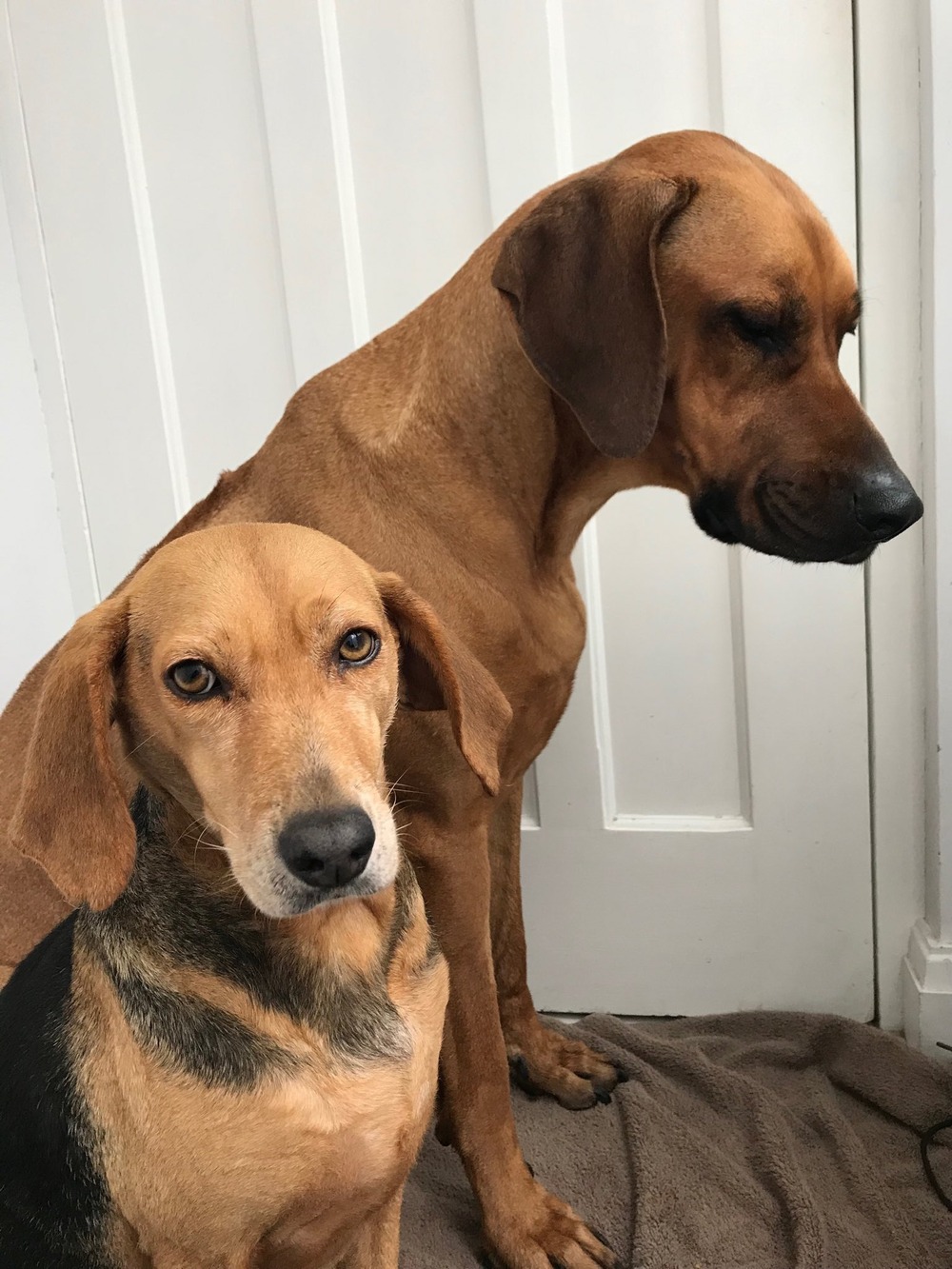
The Greek Harehound is a medium sized scent hound developed in Greece for tracking and pursuing hare. In the FCI system the breed is listed as Hellenic Hound (Hellinikos Ichnilatis), breed number 214, in the scent hound group.1
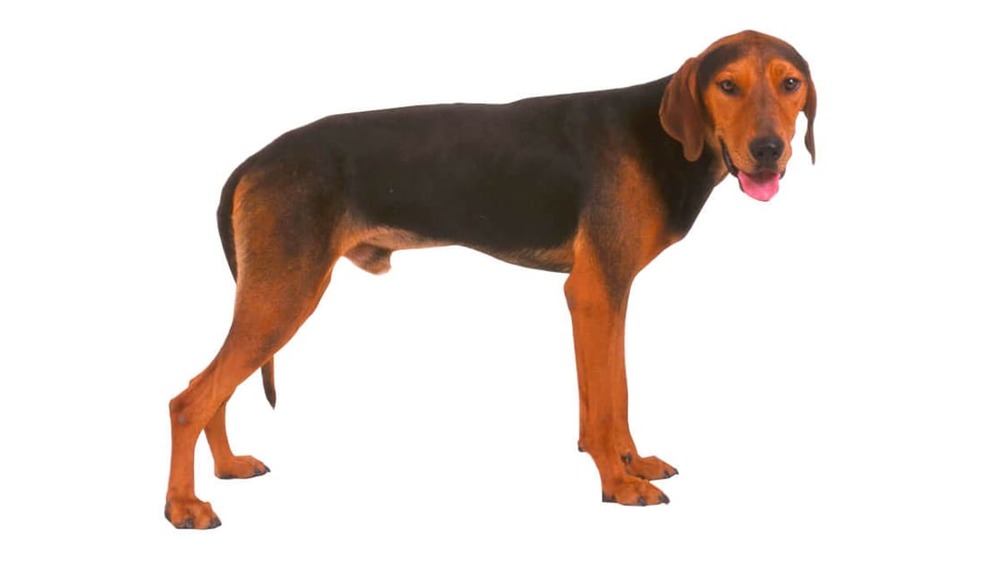
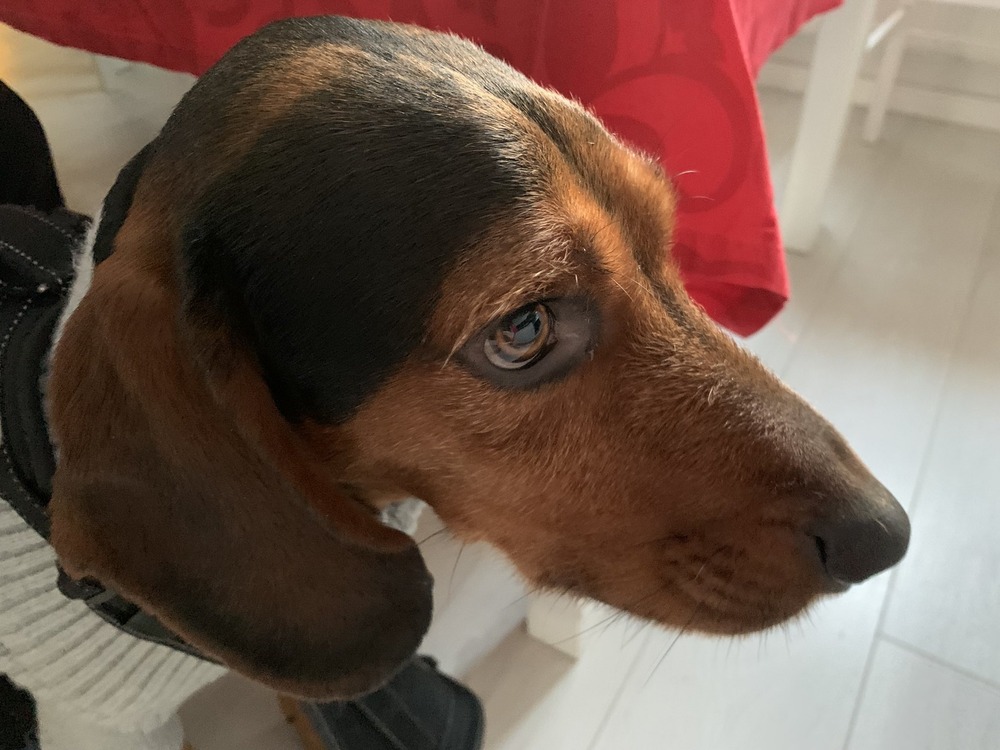
You will often see fairly consistent physical themes: a lean, athletic frame; a short, dense coat; and long, hanging ears. Breed descriptions commonly note that black and tan is the typical, and often the only, accepted colour pattern for the Greek Harehound.2
- Group: Scent hound (FCI Group 6)1
- General size: Medium, built for stamina rather than bulk
- Coat: Short, low maintenance, but not “no maintenance”
- Core trait: Strong scenting and trail focus
Where they came from, and why it still matters
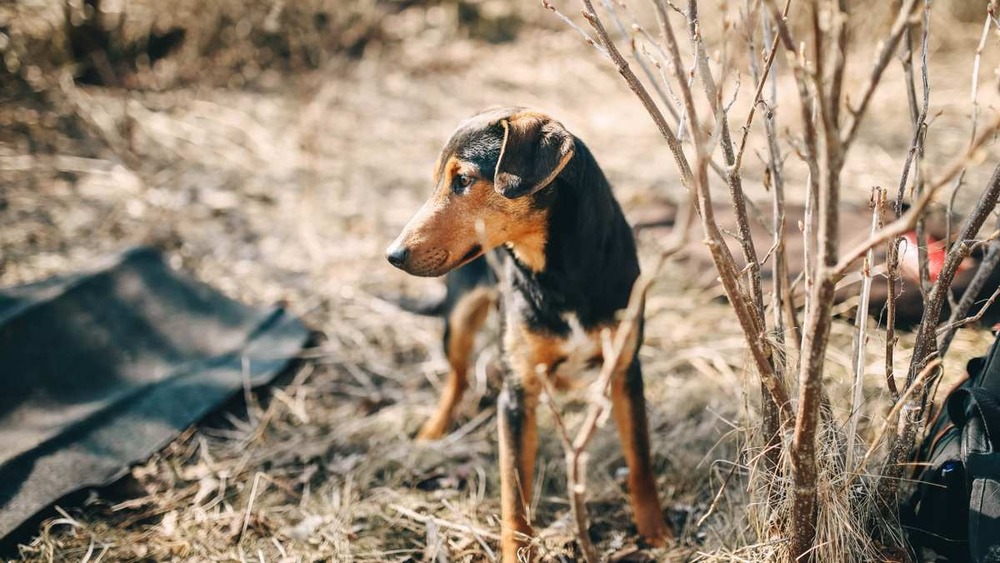
It helps to think of this breed less as a general purpose pet and more as a specialist. The Greek Harehound was shaped by work that demanded steady endurance, independence over distance, and a brain that could keep sorting scent information while moving over uneven ground. Even in a suburban home, those priorities can still surface as a dog that likes to follow its nose and make its own decisions when the environment is interesting.
The breed is recognised by the Federation Cynologique Internationale (FCI). The FCI listing also helps clarify the timeline people sometimes muddle: the FCI shows definitive acceptance on 16 October 1959, and publication of the English standard dated 19 March 1996.1
If you enjoy training, this history can be a gift. You are not trying to “stop” the dog being a hound so much as you are learning how to live well with hound instincts, and how to give them safe outlets.
Temperament and behaviour in everyday homes
Greek Harehounds are often described as energetic and engaged with the world. Many are friendly with people they know, and can be pleasant family dogs when their exercise, training, and boundaries are in place. What tends to surprise first time hound owners is not “naughtiness”, but the way scent can override everything else.
In practical terms, this can look like:
- Selective hearing outdoors, especially when a scent trail appears
- Strong interest in moving wildlife, which can complicate off lead freedom
- A need for both physical exercise and sniffing based mental work
With children, the usual guidelines apply. Supervision, teaching kids how to approach and handle dogs gently, and making sure the dog has a quiet place to retreat all matter more than breed stereotypes.
Training and exercise: setting expectations early
Most Greek Harehounds do best with reward based training that is consistent, calm, and practical. Harsh corrections can backfire with many scent hounds, partly because the environment itself is so reinforcing. When the world smells like a story, your reward has to compete with that story.
Aim to start with the basics, then keep proofing them in gradually harder places:
- Recall and emergency recall, built slowly with high value rewards
- Loose lead walking and “check in” habits
- Settle on a mat, so the dog learns how to switch off indoors
Exercise needs vary by individual, but hounds generally benefit from daily movement. Australian RSPCA guidance also emphasises regular daily exercise (often at least once a day), alongside safe, sensible choices around heat and overexertion.3, 4
For many Greek Harehounds, the sweet spot is a mix of:
- Long walks where sniffing is allowed
- Secure area free running (fenced, safe, and supervised)
- Scent games at home, such as scatter feeding or simple track style searches
Health notes, including hips and ears
No breed is completely free of health issues, and individual dogs can vary widely. Two topics that commonly come up with medium athletic breeds like this are hips and ears.
Hip dysplasia is a general condition seen across many breeds, influenced by genetics and environment. If you are buying a puppy, ask what screening the breeder does, and what the results mean in plain language. Organisations such as the Orthopedic Foundation for Animals (OFA) outline hip dysplasia screening approaches and maintain health databases used by many breeders and veterinarians.5
Ear infections (otitis externa) are also worth taking seriously. Long, floppy ear flaps can reduce airflow and trap moisture and debris, which can increase risk in some dogs, particularly if allergies, swimming, or grass seeds are in the picture.6
Always see your vet if you notice head shaking, ear scratching, odour, redness, discharge, or sensitivity around the ears. Early treatment is usually simpler than chronic, recurring inflammation.
Grooming, coat care, and the small routines that help
The Greek Harehound’s coat is short and generally straightforward, but it still benefits from regular brushing. A quick weekly brush removes loose hair, helps you spot skin problems early, and can be a calm handling routine that supports nail trims and general care.
Keep an eye on:
- Ears, especially after wet weather, swimming, or long grass walks
- Paws, for grass seeds and small cuts
- Nails, which can overgrow in dogs that mostly walk on softer ground
Bathing is occasional for most dogs, unless they are regularly getting into mud, salt water, or farm smells. If you do bathe, make sure ears are dried appropriately, and speak to your vet if your dog has a history of ear trouble.
Feeding and keeping a working body condition

Greek Harehounds tend to look naturally lean, and that can confuse people who are used to rounder “pet dog” shapes. A better approach is to feed for body condition and function, not for the size of the scoop.
The WSAVA Global Nutrition Guidelines encourage routine nutrition assessment, including using body condition score tools and taking a clear diet history. This is a helpful framework if you are adjusting food for a high activity dog, or if you are trying to prevent gradual weight gain.7
Practical, non fussy feeding habits that often help:
- Weigh food for a few weeks, rather than guessing by volume
- Account for treats as part of the daily intake
- Recheck body condition every couple of weeks, especially after changes in exercise
For general owner guidance on preventing obesity, the RSPCA notes that overfeeding is a common driver of weight gain and that daily exercise supports healthy weight maintenance.8
Is this the right breed for you?
The best matches tend to be people who enjoy moving, who like training as an ongoing practice, and who can offer secure outdoor space or reliable access to safe, fenced exercise areas. If you love the idea of a dog that can join you on long walks and hikes, and you are comfortable managing prey drive thoughtfully, the Greek Harehound can be a good fit.
On the other hand, if you need a dog that will reliably ignore scents, cope with minimal exercise, or be content with a quick toilet walk most days, a scent hound is likely to feel like hard work. That is not a failure, it is simply a mismatch of needs.
When in doubt, talk with breed clubs, experienced hound people, and your vet. If you can, meet adult dogs, not just puppies. Adult behaviour is the clearest window into the life you are choosing.
References
- FCI: Hellenic Hound (Hellinikos Ichnilatis) breed profile and standard publication dates
- Wikipedia: Greek Harehound (overview and commonly cited characteristics)
- RSPCA Pet Insurance: Essential dog care information (exercise and training basics)
- RSPCA Pet Insurance: How to safely exercise your dog or puppy
- Orthopedic Foundation for Animals (OFA): Hip dysplasia information
- Animal Medical Center: Ear infections in pets (causes, risk factors, and care)
- WSAVA: Global Nutrition Guidelines and body condition score resources
- RSPCA Australia: Ways to avoid obesity in your dog