

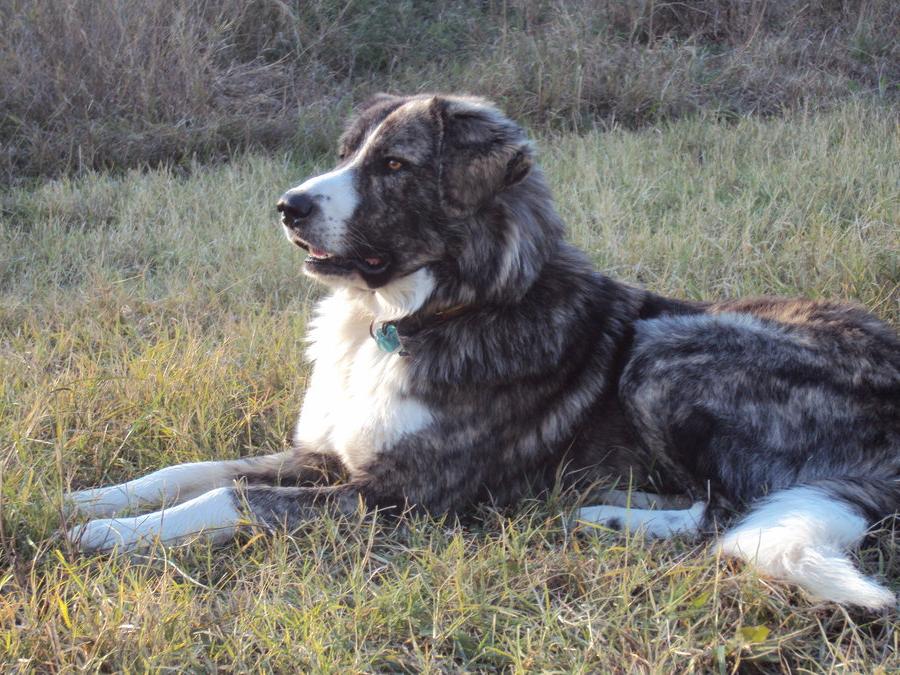
People usually start looking into the Greek Shepherd Dog after noticing a certain type of dog in photos from rural Greece: big, steady on its feet, often pale-coated, standing quietly near sheep or goats rather than running around them. Sometimes the search begins closer to home, after meeting a livestock guardian breed and wondering which dogs are built for watchfulness and staying power, not tricks and constant direction.
It is easy to assume that a “shepherd dog” means a herding dog. The Greek Shepherd Dog (also called the Greek Sheepdog, or Ellinikos Poimenikos) sits in a different tradition. This is a livestock guardian, selected to live alongside animals, make its own decisions, and respond when something feels out of place.1, 2, 3
That difference matters in everyday life. A dog bred to stay calm with a flock, conserve energy, and take threats seriously can be wonderful in the right setting, and surprisingly difficult in the wrong one. Understanding what the breed was made to do is the simplest way to make sense of its size, independence, and protective behaviour.
- Breed category: Working (livestock guardian)
- Country of origin: Greece
- Typical height: Males often 66 to 75 cm, females often 60 to 67 cm (varies by line)
- Typical weight: Males often about 40 to 55 kg, females often about 32 to 45 kg (varies by condition and type)
- Typical lifespan: Around 10 to 12 years
- Coat: Dense double coat
- Shedding: Moderate to high, seasonal blow-outs
- Temperament: Loyal, protective, independent
- Exercise needs: High, but more “endurance and purpose” than constant sprinting
- Apartment friendly: Generally not ideal
Heritage: a mountain livestock guardian, not a herding dog
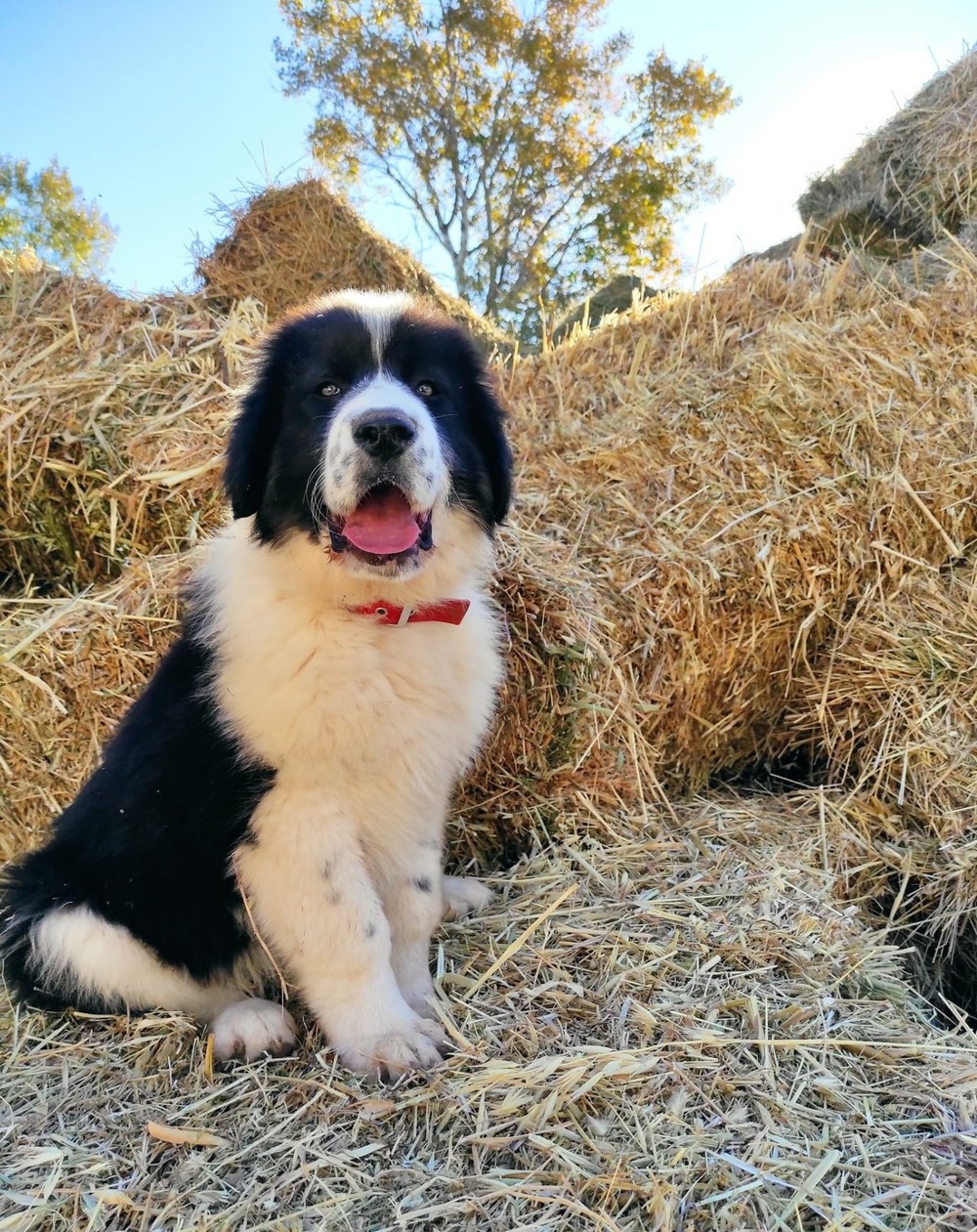
The Greek Shepherd Dog developed in a working context where dogs had to cope with weather, distance, and difficult terrain, often with limited resources. In those conditions, the job is not to gather stock on cue. It is to stay with the animals, notice what is changing around them, and respond decisively when predators or unfamiliar dogs approach.1, 2, 3
Modern conservation and farming groups in Greece still describe the breed as part of rural heritage, valued for practical protection against large carnivores such as wolves and bears in mountain regions. That long working partnership is one reason the breed tends to be steady with “its own” people and animals, and reserved with strangers.2
Why the name confuses people
“Shepherd dog” can sound like “dog that herds”. Livestock guardians are different: they are selected for persistence, judgement, and a willingness to hold ground. That independence is not stubbornness so much as an inherited habit of making decisions without waiting for instructions.
Appearance and physical traits
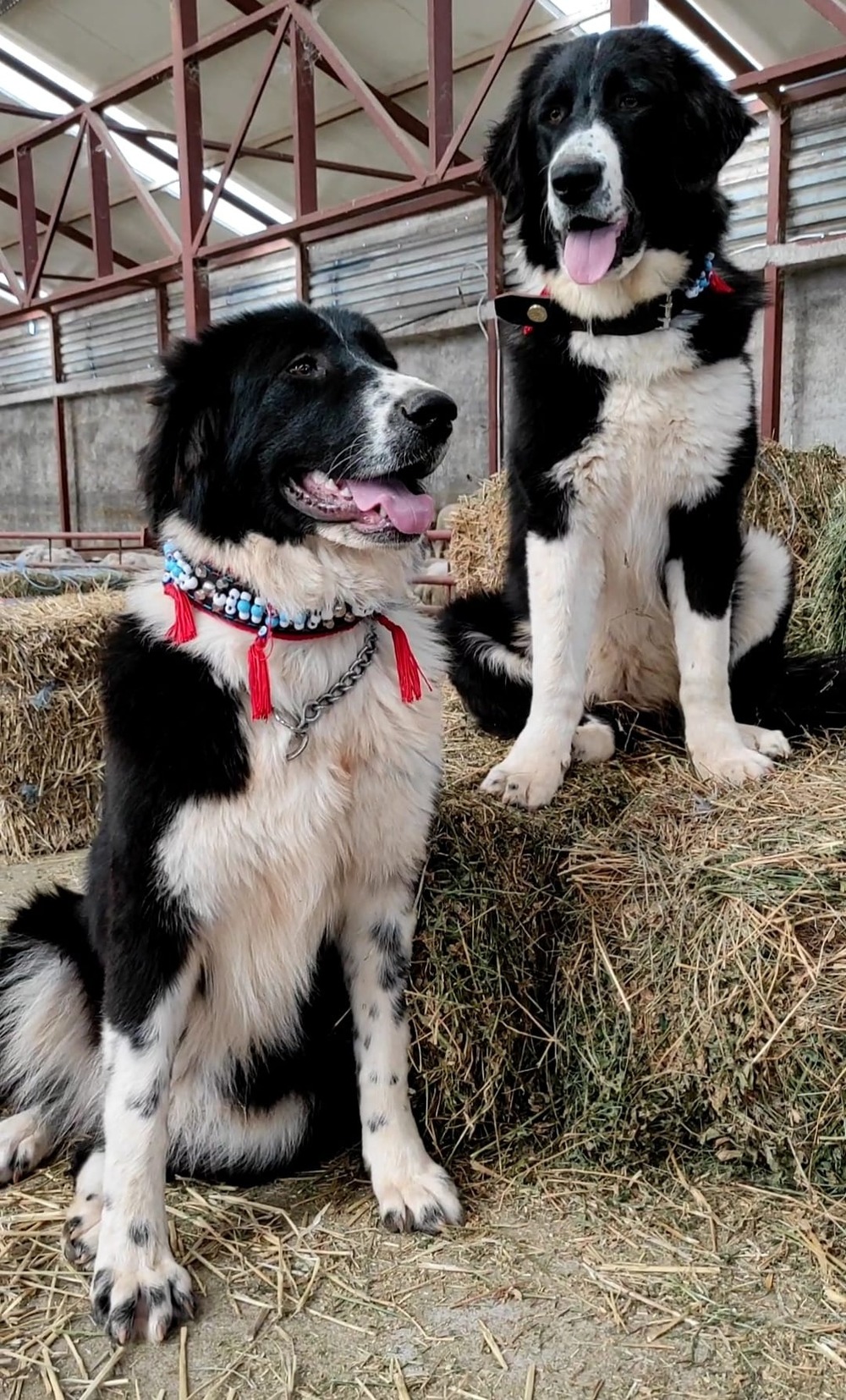
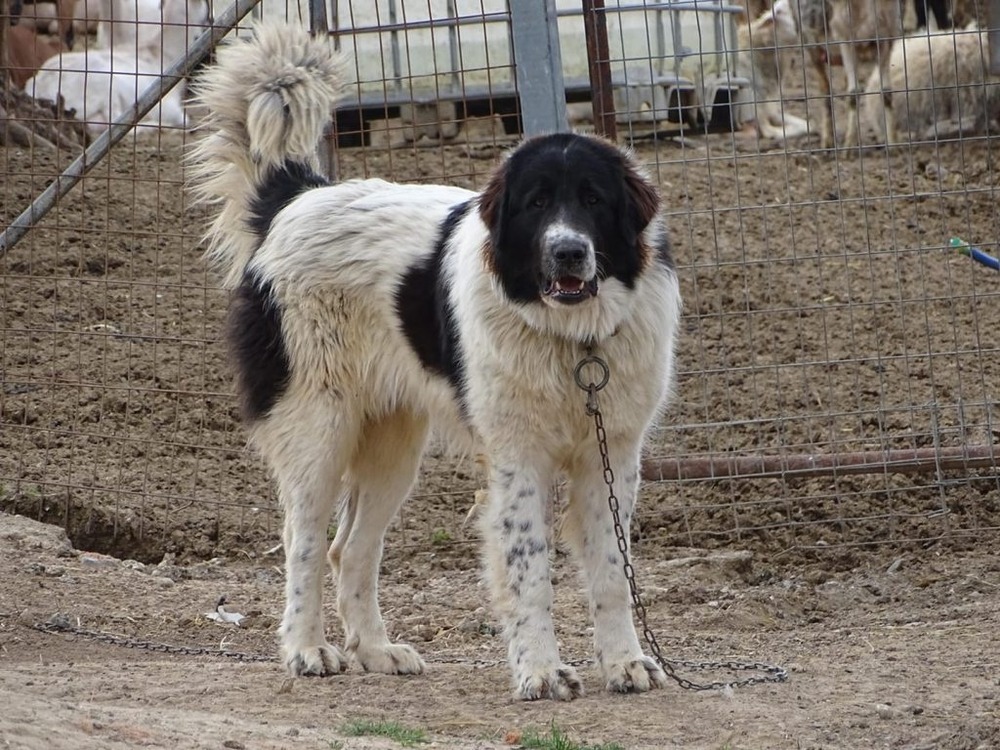
Greek Shepherd Dogs are large, powerfully built dogs with a dense, weatherproof coat. Colours can be varied, including white, black, brown, and mixed patterns, reflecting the fact that they were shaped primarily by function rather than a narrow show look.1, 3
You will often see a broad head, strong bone, and a body that reads as “all-day capable” rather than refined. Many mature slowly, which can show up both in their physical development and in how long it takes their social confidence to settle into something predictable.3
Coat and climate comfort
A thick double coat helps in cold and wet conditions. In warm Australian summers, that same coat means you need to be thoughtful about shade, water, and exercise timing. Heat stress is not subtle when it arrives, so it is worth knowing the early signs and planning around hot days.7, 8
Temperament: loyalty, watchfulness, and independence
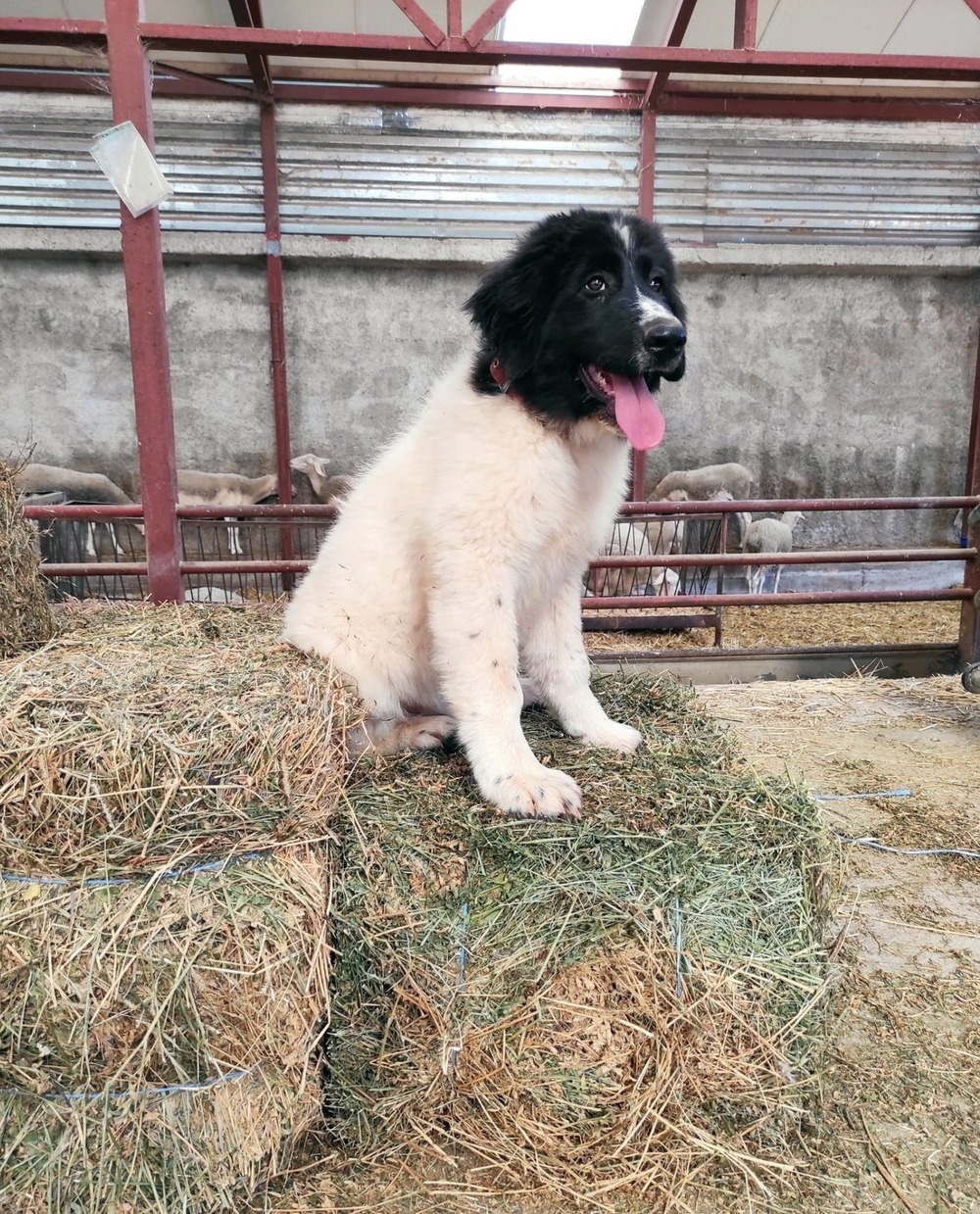
The breed is widely described as devoted to its people and highly protective, with a naturally cautious approach to unfamiliar visitors. In a family setting, that often looks like a dog that chooses a vantage point, watches the gate, and takes its time warming up.1, 3
It can help to think in terms of thresholds. A livestock guardian may seem calm for long stretches, then react quickly when something crosses a line it considers important, such as a stranger entering the property unexpectedly. That is why early socialisation and management matter more than teaching lots of commands.
Family life, children, and other pets
Many Greek Shepherd Dogs can live well with children in a well-run home, particularly when the dog is raised with them and adults supervise interactions. With other pets, outcomes vary. Dogs with strong guarding instincts can be excellent with animals they accept as “theirs”, but introductions should be slow, structured, and realistic about the dog’s size and confidence.
If you are hoping for a dog that happily greets every visitor, spends a lot of time at cafes, or tolerates unpredictable handling, this may not be the easiest match. A better fit is a home that values steadiness, routine, and clear boundaries.
Training and daily exercise
Training tends to go best when it respects what the dog is. These are intelligent dogs, but they are not always keen on repetition, and they are usually sensitive to unfair handling. Reward-based approaches are widely recommended because they build cooperation without escalating conflict, which is especially important in large, powerful breeds.5, 6
A useful goal is not “perfect obedience”. It is reliable everyday skills, such as calm greetings, loose-lead walking, settling, coming when called within realistic limits, and being comfortable with handling for vet checks and grooming.
Exercise that suits a guardian mind
Greek Shepherd Dogs often need substantial movement, but they also need purpose. Long, steady walks, property patrols (where appropriate and secure), scent work, and training sessions that involve problem-solving usually suit them better than constant high-arousal games.
In hot weather, plan walks early or late, prioritise shade and water, and watch for signs of overheating such as heavy panting, drooling, weakness, vomiting, or confusion. If you suspect heat stress, cool the dog with room-temperature to cool water and seek veterinary help promptly.7, 8
Health considerations and preventative care
No breed is free of health issues, and large dogs come with some predictable themes. Hip dysplasia is often discussed in big, heavy breeds, and it is sensible to ask breeders what screening they do, and to keep young dogs lean while they grow.9
Eye conditions are another area to treat seriously. Not every line will have problems, but routine vet checks and, where relevant, specialist eye examinations can help catch issues early and support responsible breeding decisions.10
Everyday prevention that makes a difference
- Weight management to reduce stress on joints, especially during growth.
- Regular veterinary visits, parasite control, dental care, and nail maintenance.
- Heat planning: shade, ventilation, cool water, and adjusted exercise on hot days.7, 8
Grooming: practical coat care, not constant fuss
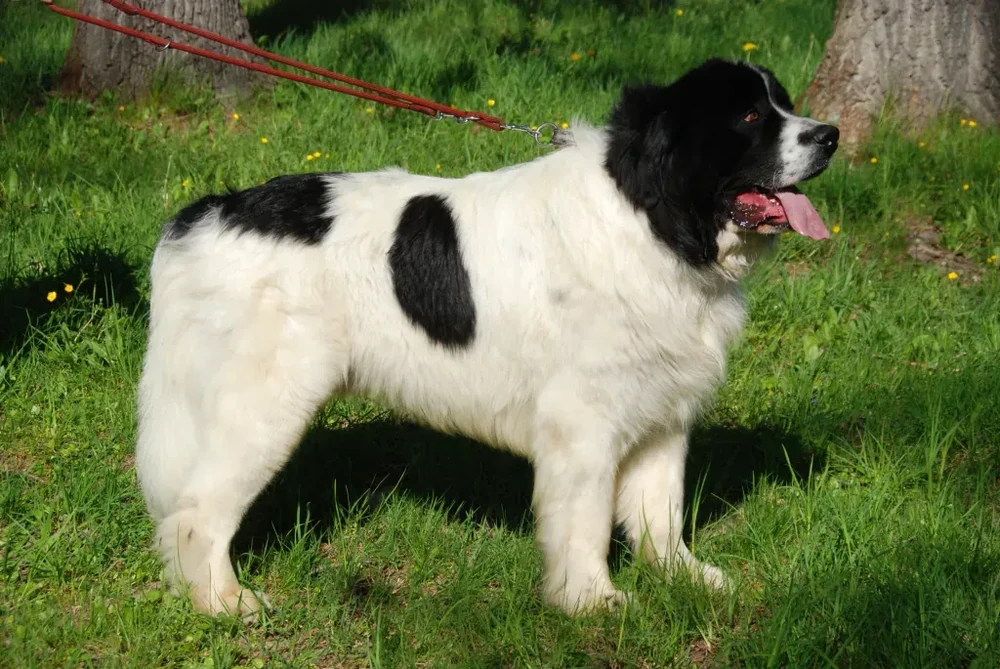
The coat is designed to work. Most of the year, brushing a few times a week helps remove loose hair and keeps the undercoat from compacting. During seasonal sheds, you may need more frequent sessions to stay ahead of matting and hair build-up.
Bathing can be occasional. Over-bathing can dry the skin and strip natural oils, which matters in double-coated breeds. Many owners find that regular brushing, checking ears and paws, and keeping the dog dry after wet weather does most of the heavy lifting.
Feeding and nutrition: supporting steady growth and a working body
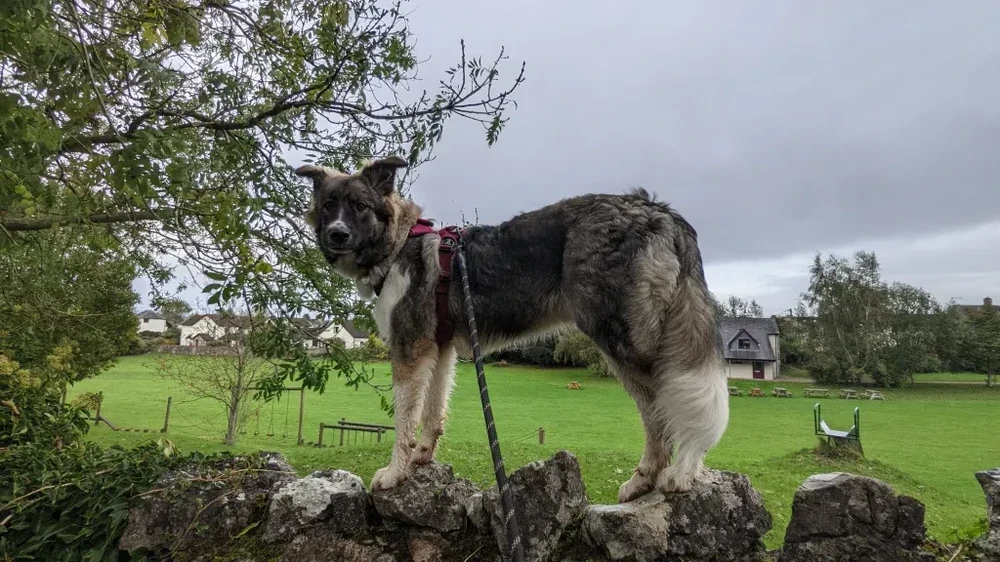
Large, slow-maturing dogs benefit from nutrition that supports controlled growth and stable body condition. It is worth choosing a diet from a manufacturer that can answer basic quality-control questions, and having your vet help you adjust amounts based on your dog’s condition, not just the label on the bag.4
Be careful with the common shortcut of picking food based only on the ingredient list. It sounds sensible, but it does not reliably tell you whether the diet is balanced, well-formulated, or appropriately tested.4
Feeding rhythm
Many adult dogs do well on two meals a day. Puppies usually need smaller, more frequent meals, then gradually move to fewer feeds as they mature. If you are unsure, your vet can tailor a plan based on your dog’s growth rate, activity, and body condition.
Choosing the right home: where this breed tends to thrive
Greek Shepherd Dogs tend to shine in homes with space, secure fencing, and an owner who enjoys building quiet, steady habits. They often suit rural and semi-rural life well, and some suburban homes can work if the dog’s guarding behaviour is managed thoughtfully and neighbours are considered.
They are usually not an easy choice for first-time owners, not because they are “bad dogs”, but because the combination of size, independence, and protective instincts can overwhelm a casual setup. If you do bring one into your life, it helps to line up a reward-based trainer early and plan for slow, consistent social exposure rather than intense “meet everyone” outings.5, 6
Final thoughts
The Greek Shepherd Dog makes the most sense when you view it through its original purpose. This is a dog shaped to live alongside animals, watch the edges of the property, and respond when something does not fit. In the right home, that can translate into a calm, deeply steady companion with a strong sense of place.
If you are considering the breed, aim to meet adult dogs, ask direct questions about health screening and temperament, and be honest about your daily life. With livestock guardians, the best outcomes usually come from matching the dog to the job, even if that “job” is simply being a thoughtful, well-managed guardian in a modern household.
References
- Wikipedia: Greek Shepherd
- ARCTUROS: Greek Shepherd Dogs
- Kennel Club of Greece (KOE): Greek Sheepdog (Hellinikos Pimenikos) breed standard (English translation)
- WSAVA: Global Nutrition Guidelines
- RSPCA Pet Insurance (Australia): Positive reinforcement training
- RSPCA ACT: Dog training school (reward-based training)
- RSPCA ACT: Hot weather advice for pets
- NSW Government: Prepare pets and livestock for an emergency (heat safety and heat stress signs)
- American Veterinary Medical Association (AVMA): Hip dysplasia in dogs
- Orthopedic Foundation for Animals (OFA): Eye disease and CAER eye certification overview