

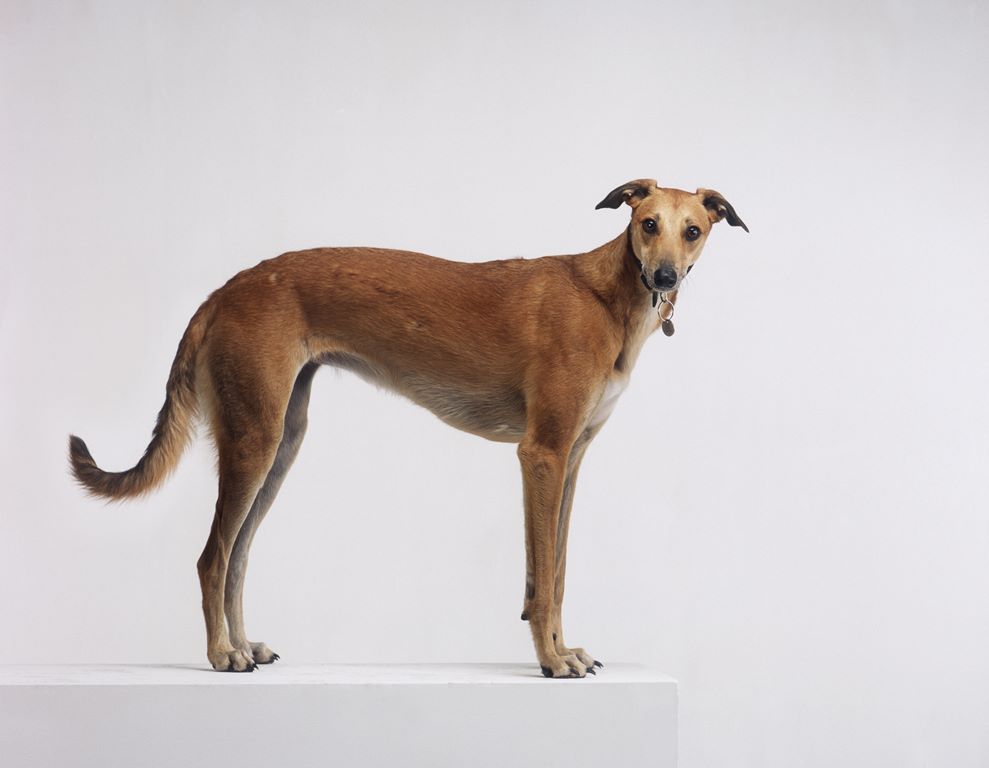
People often meet their first Greyhound as a surprise: a tall, fine-boned dog asleep on the sofa, folded up like a deckchair, and so quiet you forget they are there. It can be hard to reconcile that gentle house-dog presence with everything you have heard about racing, speed, and high energy.
Greyhounds do have an athletic history, and they are built for short, explosive sprints. But day to day, many are calm, affectionate companions who prefer predictable routines, soft bedding, and a chance to stretch their legs safely rather than hours of constant activity.
If you are considering a Greyhound, or living with one and trying to make sense of their quirks, it helps to look past the stereotypes. The practical details, from prey drive to sensitivity to cold to a few breed-typical health risks, shape what good care actually looks like in a normal household.
Greyhound basics at a glance
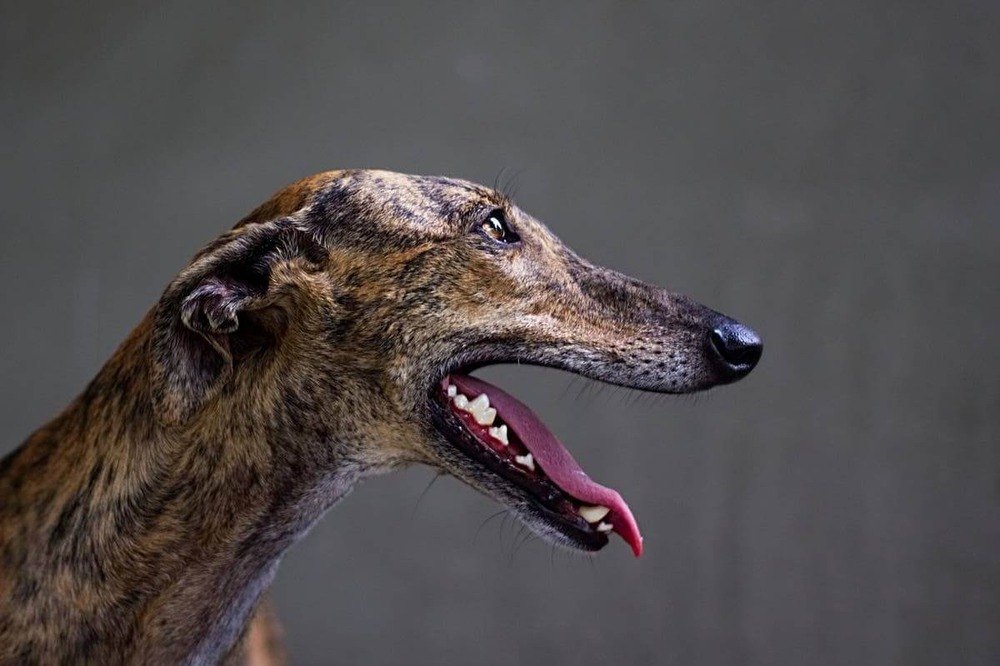
- Breed group: Sighthound (Hound group)
- Origin: United Kingdom
- Typical height: Dogs 71 to 76 cm, bitches 69 to 71 cm1
- Typical weight: Dogs about 29 to 32 kg, bitches about 27 to 29 kg (many fall outside this range)2
- Coat: Short, smooth, low grooming needs2
- Life expectancy: Often around 10 to 13 years (individuals vary)3
What makes a Greyhound a Greyhound
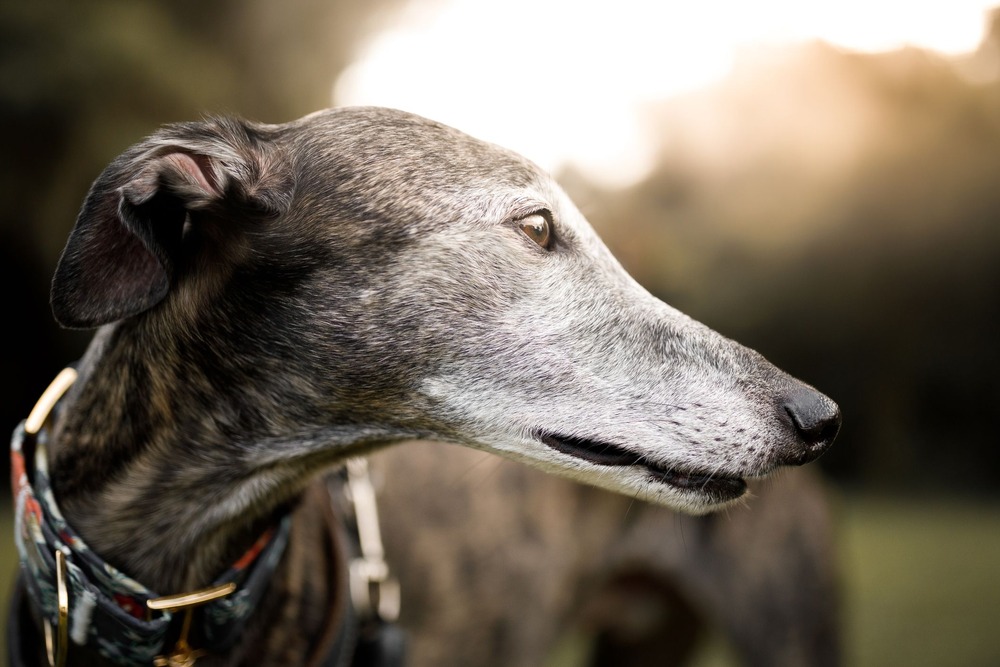
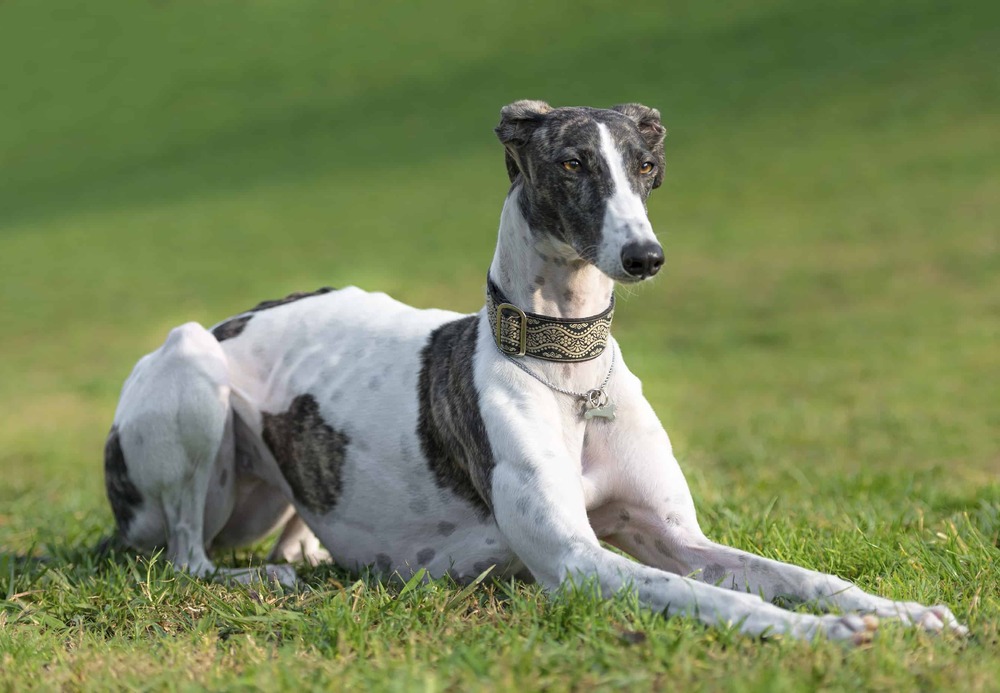
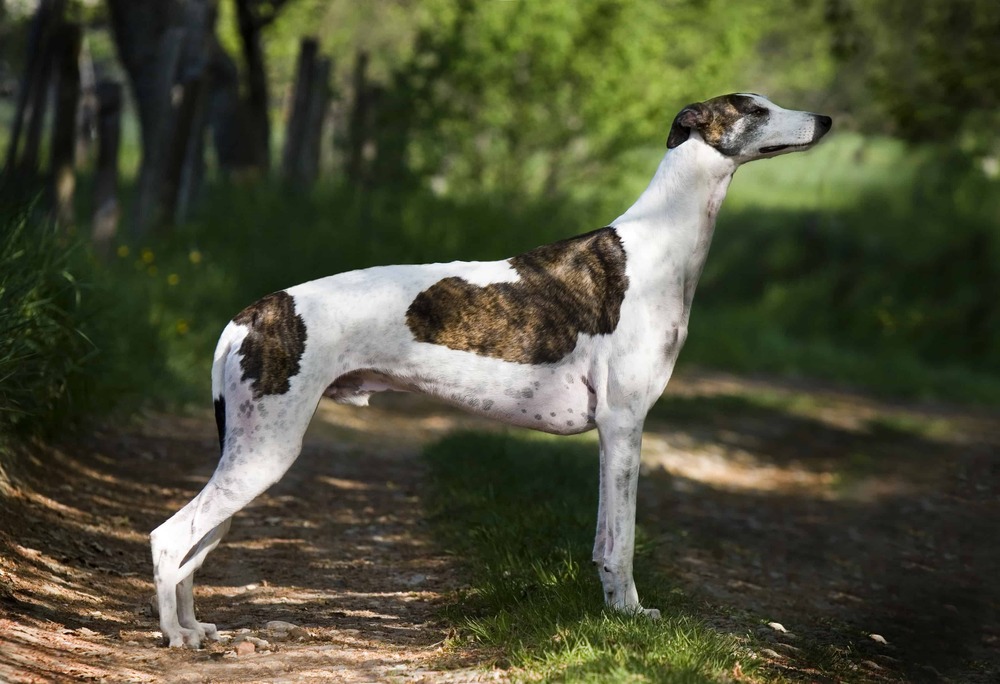
The Greyhound is a specialist: a dog designed to spot movement and chase at speed. Their deep chest, narrow waist, long limbs, and flexible spine are all part of that sprinting engine. Breed standards describe a short, fine coat and a build that prioritises efficient movement rather than bulk.1, 2
A useful way to think about Greyhounds is that they are sprinters, not endurance athletes. Many love a brief run, then settle quickly. In a home, that can look like a dog who is energetic in bursts but otherwise quite content to rest.
They also tend to have relatively little body fat compared with many other breeds. In practical terms, this often means they appreciate warm layers in winter and soft, supportive bedding to help reduce pressure points on bony areas.3
Temperament and family fit
Many Greyhounds are quietly social: they enjoy being near their people, but they are not always demanding about it. A lot of owners describe them as polite housemates, and that is often a fair summary, provided their basic needs are met.
In family settings, what matters most is less about the breed label and more about the individual dog, their history, and how the household is set up. Retired racers, for example, can transition well to pet life, but they may need time to learn stairs, slippery floors, glass doors, and the general busyness of a typical home.
With children, Greyhounds are often gentle, but they are also large, fast-moving dogs with thin skin. Calm handling, supervision, and teaching kids to give the dog space when resting tends to keep everyone safe and comfortable.
Prey drive and living with other pets
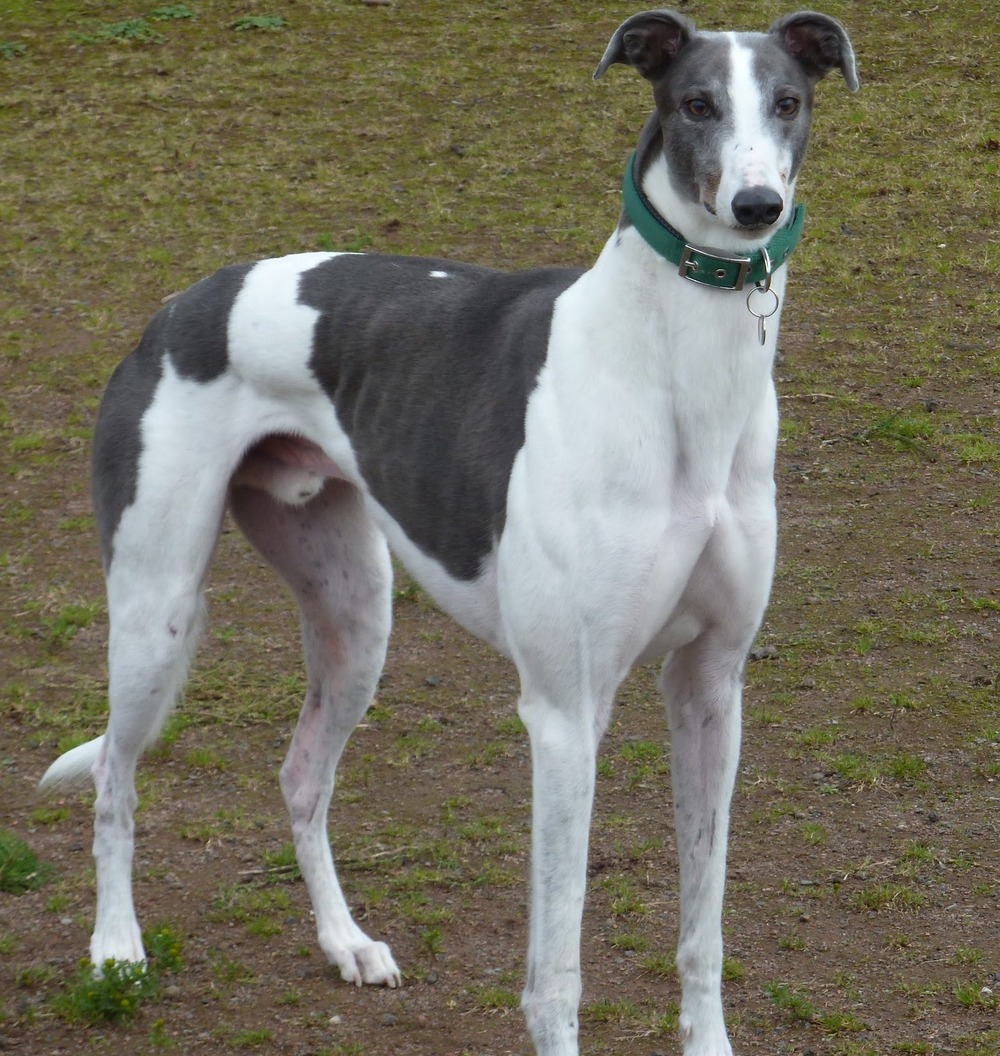
It is common to hear that Greyhounds are good with other animals, and many are. It is also true that Greyhounds are sighthounds, and some have a strong instinct to chase fast, small moving creatures.
This does not mean a Greyhound cannot live with cats or small dogs. It does mean you should assume management comes first, especially early on. That can include:
- slow introductions and using barriers (baby gates, pens) at first
- muzzle training for safety during introductions when appropriate
- secure fencing and a plan for doors and driveways
- choosing walking routes where sudden encounters with small animals are less likely
If you are adopting, ask the rescue group about cat-testing and small-dog suitability, and remember that behaviour can change across contexts. A dog who ignores a cat at a shelter may respond differently to a running cat in a hallway at home.
Training and exercise, what actually works
Greyhounds are often sensitive to pressure and can shut down with harsh handling. They usually do best with calm, reward-based training, clear routines, and short sessions that end before anyone gets frustrated.
Exercise needs are frequently misunderstood. Most Greyhounds do well with daily walks, some sniffy exploring, and occasional opportunities to run in a secure space. Many breed guides describe them as relatively laid-back, with modest daily exercise time compared with some working breeds.3
One point that is less negotiable is safety. A Greyhound can accelerate quickly, and recall can be unreliable when a chase instinct is triggered. For many households, the safest default is an on-lead dog outside fenced areas.
Health considerations to discuss with your vet
Greyhounds are not a fragile breed, but they do come with a few patterns that are worth knowing about so you can prevent problems rather than react to them.
Gastric dilatation-volvulus (GDV), often called bloat, is a sudden, life-threatening condition where the stomach distends and can twist. Deep-chested dogs are at higher risk, and it is treated as an emergency.4, 5
Many owners find it reassuring to learn the early signs and have a plan for after-hours veterinary care. Common warning signs can include a swollen abdomen, repeated unproductive retching, restlessness, drooling, and signs of collapse. If you suspect GDV, seek urgent veterinary help rather than waiting to see if it passes.4, 5
Greyhounds are also well known for their value as blood donors. Dogs that are DEA 1.1 negative are considered universal donors, and Greyhounds are among the breeds more likely to fit that profile, which is part of why they are commonly recruited for donor programs.6
Grooming, coat care, and everyday comfort
For most Greyhounds, grooming is pleasantly simple. The short coat is easy to maintain with an occasional brush, and baths can be infrequent unless the dog has rolled in something unpleasant.
Where Greyhounds often need extra thought is not their coat, but their comfort. Because many are lean with prominent bony points, it is worth treating good bedding as part of basic care, not a luxury. Watch for calluses or sore patches on elbows and hips, and talk with your vet if you notice recurring skin issues.
They can also feel the cold more than some thicker-coated breeds. A well-fitted coat in winter, and warm sleeping spots away from draughts, can make a noticeable difference to their willingness to go for walks and settle at home.
Feeding and nutrition, keeping it practical
Greyhounds generally do best on a complete, balanced diet that suits their age and health needs. The most useful day-to-day goal is steady body condition, not a specific number on the scales.
If GDV risk is on your mind, it can help to focus on the basics that many veterinary sources discuss: avoiding one very large daily meal, slowing down fast eaters, and being sensible about hard exercise straight after meals. The evidence is not simple, and no single change prevents GDV in every dog, but small routine choices can reduce avoidable risk factors.4, 5, 7
If your dog eats quickly, a slow feeder bowl or scattering kibble can help. If your Greyhound is newly adopted, expect their appetite and body condition to change during the settling-in period, and book a check-in with your vet to confirm a healthy weight target.
Closing thoughts
Greyhounds are often described as elegant, and that is true, but it does not capture the whole picture. In many homes they are quietly funny dogs, remarkably good at relaxing, and surprisingly easy to live with once you understand what drives their behaviour.
The best Greyhound care tends to be unglamorous: safe management around small animals, steady training, sensible exercise, warm bedding, and knowing what an emergency looks like. Get those foundations right, and their famous speed becomes just one part of a much gentler everyday story.
References
- The Kennel Club (UK): Greyhound breed standard
- Greyhound Club of America: AKC official standard for the Greyhound
- Hill’s Pet Nutrition: Greyhound breed profile
- Cornell University College of Veterinary Medicine: Gastric dilatation volvulus (GDV) or bloat
- American College of Veterinary Surgeons: Gastric dilatation and volvulus (GDV) and gastropexy
- AKC Canine Health Foundation: Canine blood donation and universal donors
- American Animal Hospital Association (AAHA): Understanding canine bloat (GDV)
- Today’s Veterinary Practice: GDV stabilisation and surgery overview
- US National Park Service: Dogs and hot weather safety