

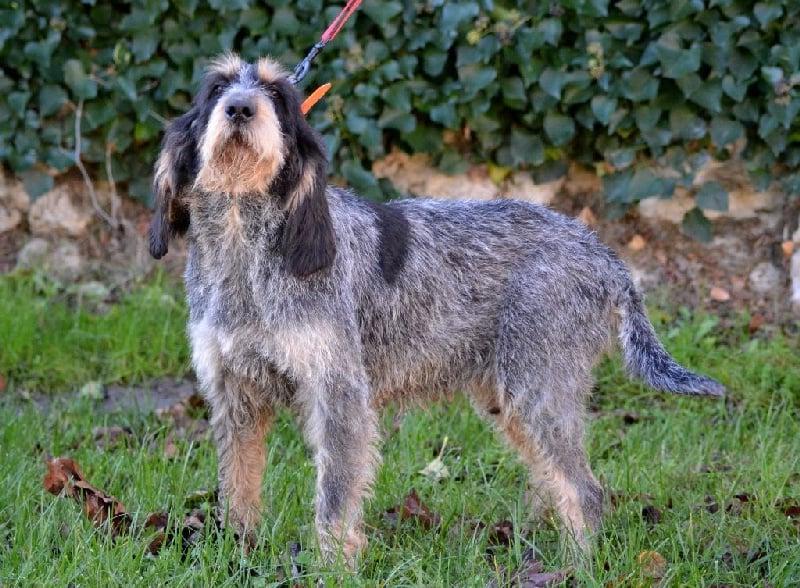
People often notice this breed in passing: a wiry, blue-speckled hound with a serious nose, long ears, and that purposeful way of moving that suggests it is always taking in the world through scent first. Then the questions arrive. Is it just a rare-looking pet dog, or is it a working hound that needs a particular kind of life?
The Griffon Bleu de Gascogne is still shaped by its origins as a French scenthound, which matters because many of its everyday quirks, from roaming urges to a busy voice, make more sense when you remember what it was bred to do. It can settle into family life, but it tends to do best when its instincts are given a safe, sensible outlet rather than pushed down.
What follows is less about chasing an idealised “breed profile”, and more about understanding the dog in front of you: what it is likely to need, what owners commonly misread, and what helps these dogs thrive in the real world.
- Breed group: Scent hound
- Origin: France (Gascony)
- Height: Around 50 to 57 cm
- Weight: Commonly around 20 to 25 kg
- Coat: Rough, hard-textured, blue-speckled appearance
- Typical lifespan: Often around 10 to 12+ years (varies by line and care)
- Exercise needs: High, especially scent-led movement
- Grooming: Moderate, regular brushing and ear care
Where the Griffon Bleu de Gascogne comes from
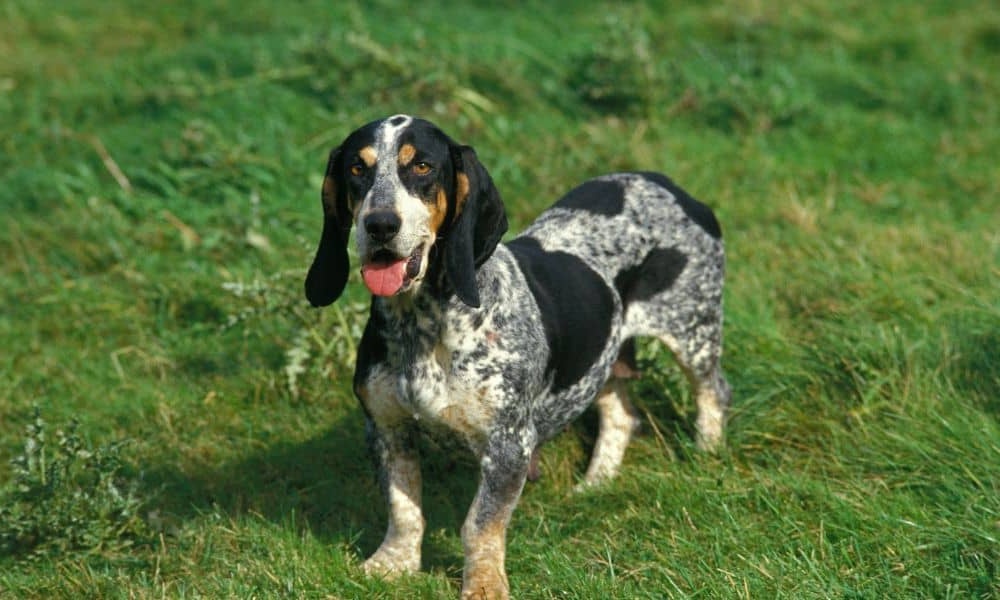
The Griffon Bleu de Gascogne is a French scenthound associated with the Gascony region and the broader family of “Bleu de Gascogne” hounds. In practical terms, that means a dog designed to work with its nose over distance and time, often in challenging terrain, and often alongside other dogs. 1
You will sometimes see oversimplified origin stories online, including tidy claims about a single cross. The reality, as with many working hounds, is that regional types were shaped over time by function, local preference, and available dogs. What has stayed consistent is the intent: a rustic, capable griffon-type hound with the familiar blue mottling of the Gascony lines. 2
It is also worth separating kennel-club paperwork from “when the dogs existed”. The breed has been recognised by the FCI for a long time (definitive recognition in 1963), and the standard has been updated since. So if you see a single “recognition year” quoted without context, treat it as administrative detail rather than the start date of the breed. 1, 3
Appearance that reflects the job
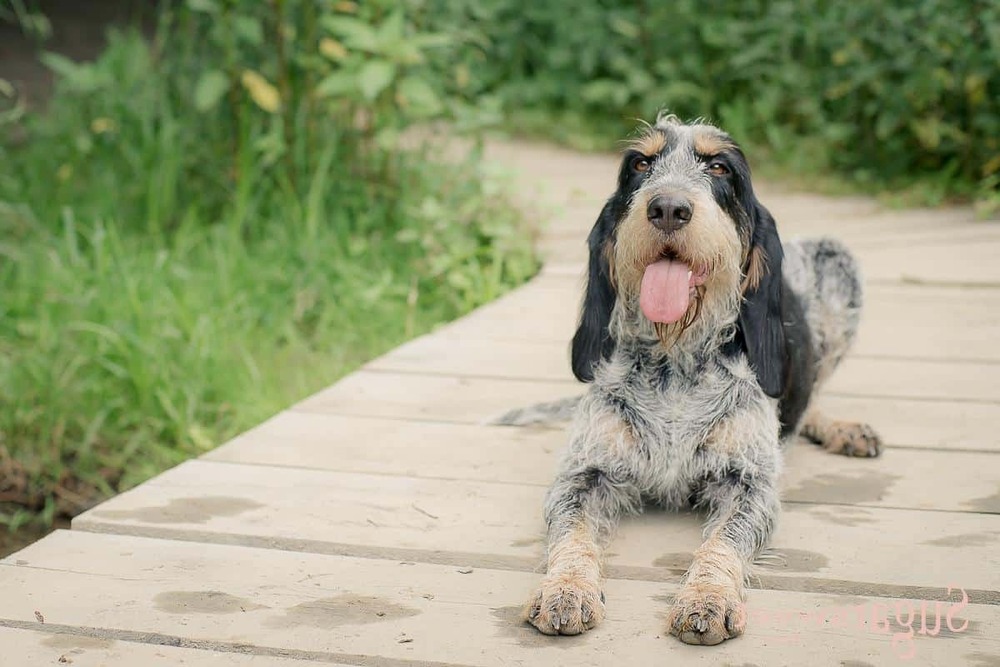
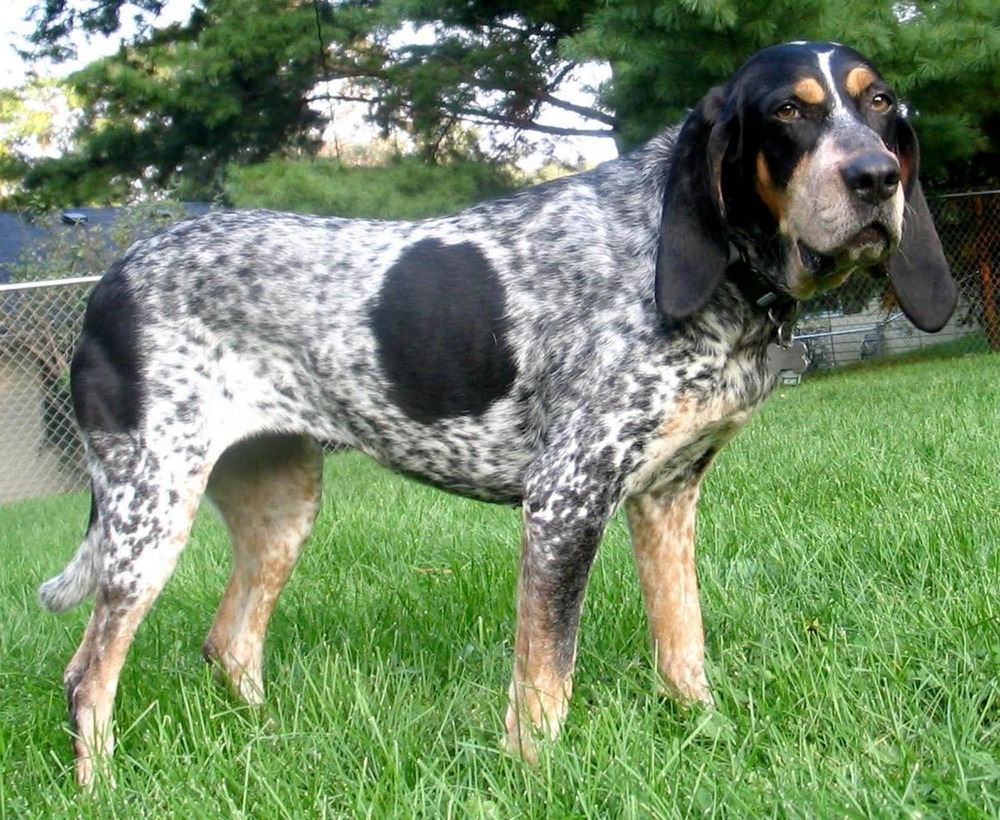
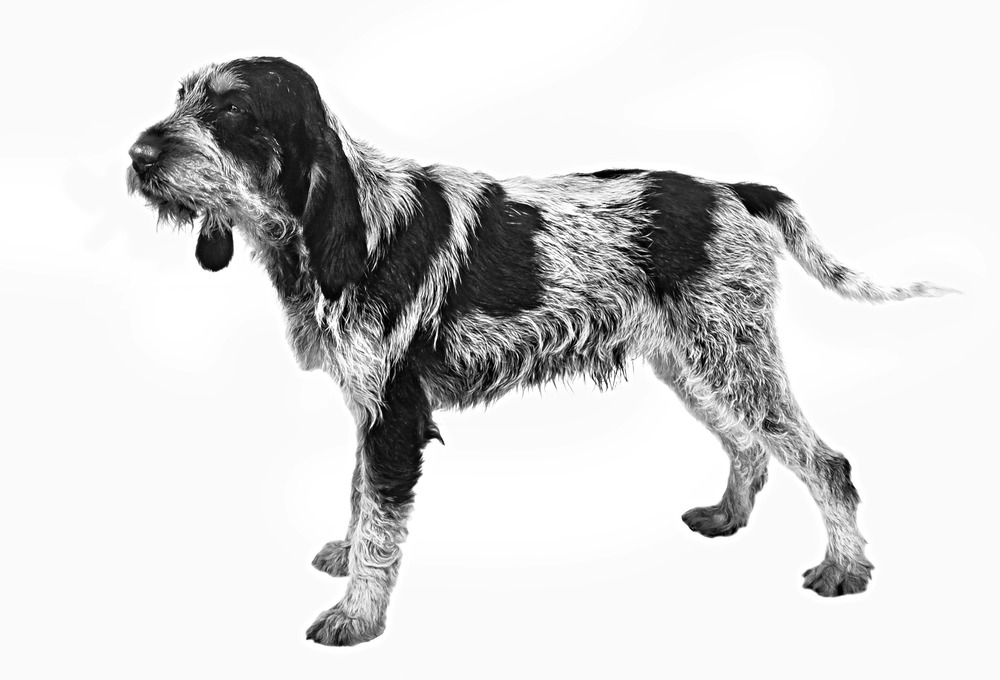
The first thing most people notice is the coat. “Blue” in these hounds is not a single flat colour. It is created by black and white hairs mottled together, giving a slate-blue impression at a distance, often with darker patches on the head and tan markings. 2
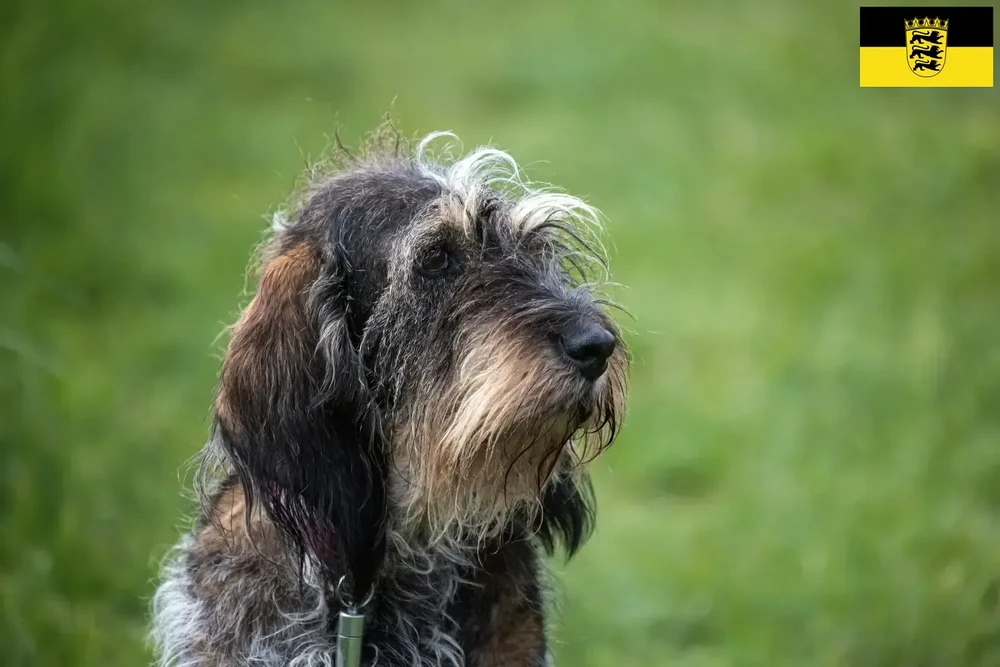
The coat texture is equally important. A hard, rough coat is part of the breed’s practical toolkit, offering protection when moving through scrub and rough ground. Owners sometimes underestimate this because the dog is not heavily coated like a spitz or herding breed, but the texture still benefits from routine maintenance. 1
Long, drop ears are typical for scenthounds, and they contribute to that classic hound outline. The trade-off is that ears that hang close to the head can reduce airflow, which can make some dogs more prone to ear problems if skin health, moisture, or wax build-up are not managed well. 4
Temperament, voice, and the scent-driven brain
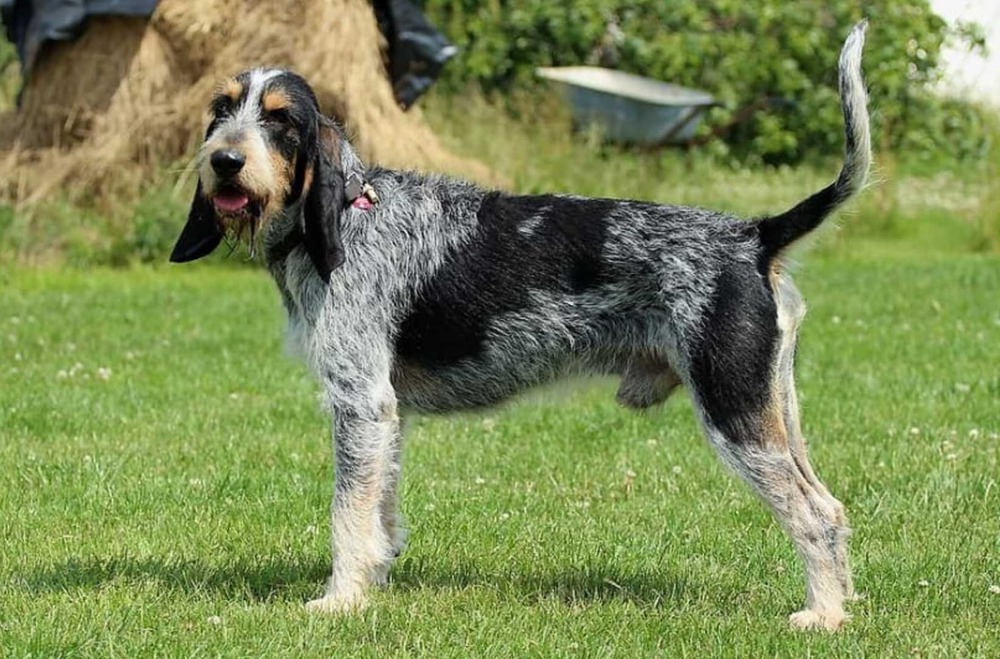
In day-to-day life, this breed is often described as alert and keen, with an affectionate streak. That combination can look a bit contradictory if you are expecting a dog that is either “soft and cuddly” or “all business”. Many scenthounds can be both, switching from engaged, nose-forward activity to calm companionship once their needs are met. 1, 2
It also helps to expect a dog that communicates. A “good voice” is valued in working hounds, and while individual dogs vary, it is sensible to assume you will need to teach household-appropriate habits around barking rather than hoping for silence. 2
One common misunderstanding is interpreting scent-led behaviour as “stubbornness” in a moral sense. Often it is simply strong environmental reinforcement: the smell is more compelling than whatever you are offering. Training tends to go best when you work with that reality and make your rewards and setups genuinely competitive.
Training that actually suits a scenthound
With a Griffon Bleu de Gascogne, training is less about domination and more about building reliable patterns. These dogs generally respond well to positive reinforcement, and they do best when lessons are short, frequent, and attached to real-life routines.
Recall is the big one. In open areas, scent can pull a hound away fast. A solid recall usually comes from months of practice, thoughtful management (long lines are your friend), and being honest about difficulty. If your dog is rehearsing running off, it is learning that running off works.
Helpful focus areas for most households include:
- Loose-lead walking with planned sniff breaks, rather than trying to eliminate sniffing altogether.
- Calm greetings, especially if the dog is socially enthusiastic.
- “Place” or settle behaviours so the dog can switch off indoors.
- Handling skills for ears, paws, and grooming.
If you are working with a trainer, look for someone comfortable with hounds and motivated by practical outcomes, not just obedience for its own sake.
Exercise and enrichment, more than just “more kilometres”
This is an active breed, but the best exercise is not always the fastest or the longest. Many scenthounds benefit most from activities that let them use their nose, because that is both physically and mentally tiring in a way a straight-line jog often is not.
Good options often include:
- Long, varied walks where sniffing is allowed and structured.
- Scent games at home, such as scatter-feeding or finding hidden treats.
- Tracking-style play in secure areas.
- Training sessions that build impulse control around wildlife smells.
For off-lead time, think in terms of risk management rather than optimism. A securely fenced area can give freedom without practising dangerous habits near roads or stock.
Health considerations, with an emphasis on ears and joints
There is no single “signature disease” unique to this breed that every owner should expect. Still, certain themes come up repeatedly in medium-to-large, active dogs: joint wear and tear (including hip dysplasia) and problems that relate to ear shape and environment. 5
Ear infections are not just a cosmetic nuisance. They can be painful and can recur if the underlying drivers are not addressed, for example allergies, moisture, hair and wax build-up, or repeated irritation from scratching. If you notice persistent odour, discharge, redness, or head shaking, it is usually worth a vet visit rather than trying to “wait it out”. 4
For joints, the practical approach is steady conditioning, keeping your dog at a healthy body condition, and discussing screening with your vet if you are buying a puppy or planning high-intensity activities. 5
Grooming and coat care that stays simple
The rough coat is generally manageable, but it does better with small amounts of regular care rather than occasional big sessions. A weekly brush helps lift out debris and loose hair, and it gives you a chance to check skin, paws, and any burrs after outdoor time.
Ear care is part of grooming for most drop-eared dogs. Ask your vet to show you what “normal” looks like for your individual dog, and what products are appropriate. Avoid cotton buds inside the ear canal, which can push debris further in. 4
Bathing can be occasional, especially if the dog is living outdoors or doing a lot of bushwalking. If you bathe frequently, use a dog-appropriate shampoo and keep an eye on skin dryness.
Feeding and weight, keeping the athlete lean
For an active hound, nutrition is less about trendy ingredients and more about consistency, digestibility, and maintaining a healthy body condition. Many owners are surprised how much day-to-day behaviour, stamina, and even joint comfort can shift when a dog gains “just a little” extra weight.
One useful filter is to choose foods and feeding plans using veterinary-backed guidance. The WSAVA Global Nutrition Guidelines and toolkit are designed to help owners and veterinary teams make sensible decisions, including how to assess diets and how to avoid being misled by marketing. 6, 7
Portion control matters even in energetic breeds. If your dog is frequently “snacky” during training, factor those calories into the day rather than layering treats on top of full meals.
Is this breed right for your household?
The Griffon Bleu de Gascogne tends to suit people who enjoy an outdoorsy routine and are comfortable living with a dog that experiences the world through scent first. It can be a friendly family dog, but it is rarely a low-effort dog.
This breed is often happiest when it has:
- Daily exercise with time to sniff and explore safely.
- Secure fencing and thoughtful management outdoors.
- Training that is reward-based and consistent.
- Company, whether that is people, other dogs, or structured activity.
If you are drawn to the look but live in a small space with limited access to secure outdoor areas, it is not impossible, but it does raise the bar for enrichment, training, and time spent meeting the dog’s needs.
References
- Fédération Cynologique Internationale (FCI): Griffon Bleu de Gascogne (No. 32)
- United Kennel Club (UKC): Griffon Bleu de Gascogne breed standard
- FCI (French page): Griffon Bleu de Gascogne recognition and standard publication details
- Blue and White Vet: Dog ear infections (signs, safe cleaning cautions, when to see a vet)
- Australian Veterinary Association (AVA): Companion animal health (general guidance)
- WSAVA: Global Nutrition Guidelines
- WSAVA: Global Nutrition Committee
- WSAVA: Introducing the Global Nutrition Committee and toolkit resources
- Société Centrale Canine (France): Griffon Bleu de Gascogne