

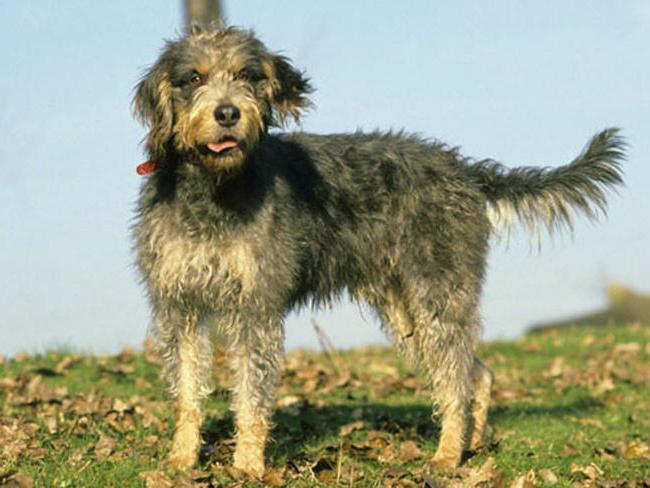
People usually meet the Griffon Nivernais in a slightly sideways way. A photo pops up of a rough-coated hound with a serious beard and a quietly watchful look, and the name feels unfamiliar even to experienced dog people. Or someone mentions a “boar hound” and you wonder what that actually means in day-to-day life with a pet dog.
It can be tempting to treat rare breeds as curiosities, as if their history is mostly decoration. With the Griffon Nivernais, the past still shows up in the present. This is a scent hound shaped by long hours of tracking through scrub, working at a distance from the handler, and making its own decisions when the trail is tricky.1
That matters if you are thinking about living with one. The Griffon Nivernais can be a steady, affectionate companion in the right home, but it is rarely a “do what you say, first time” dog. Understanding the breed’s instincts, coat, and health needs helps you plan for a dog who thrives on outdoor time, clear routines, and patient training.
At a glance: the Griffon Nivernais
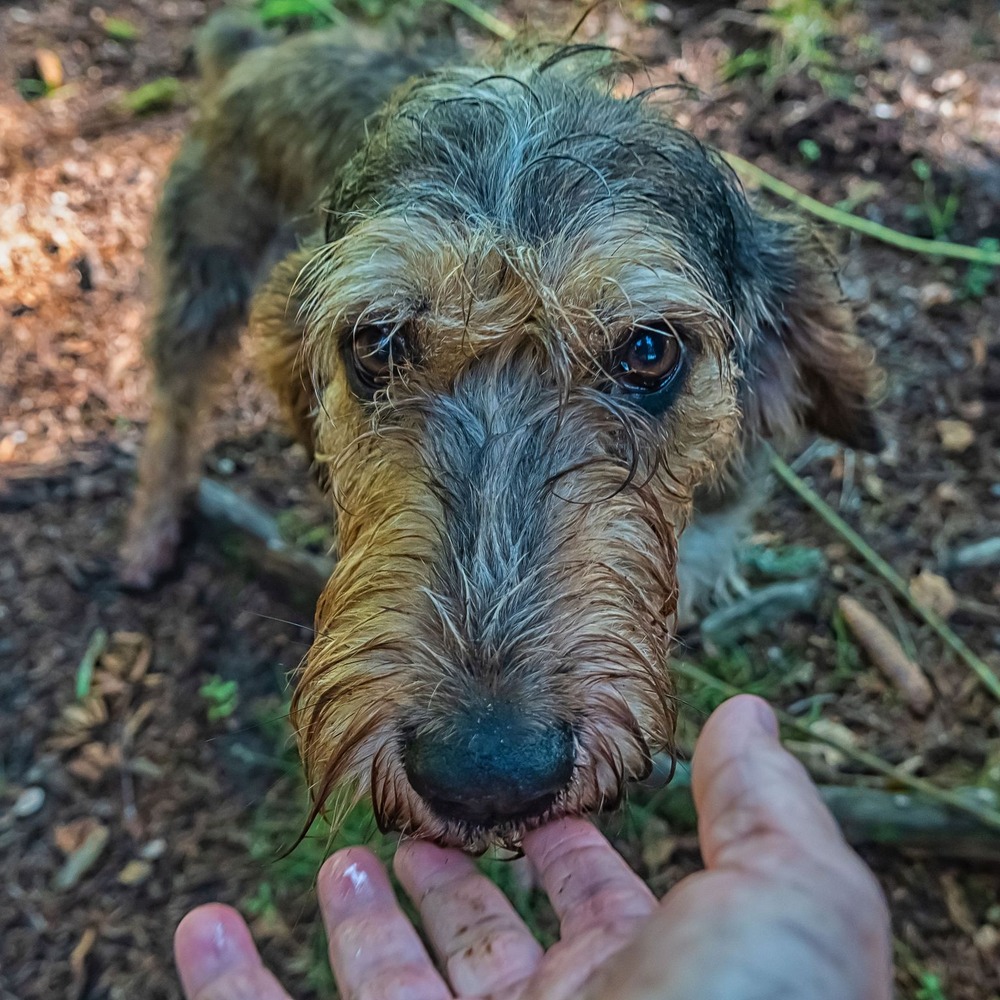
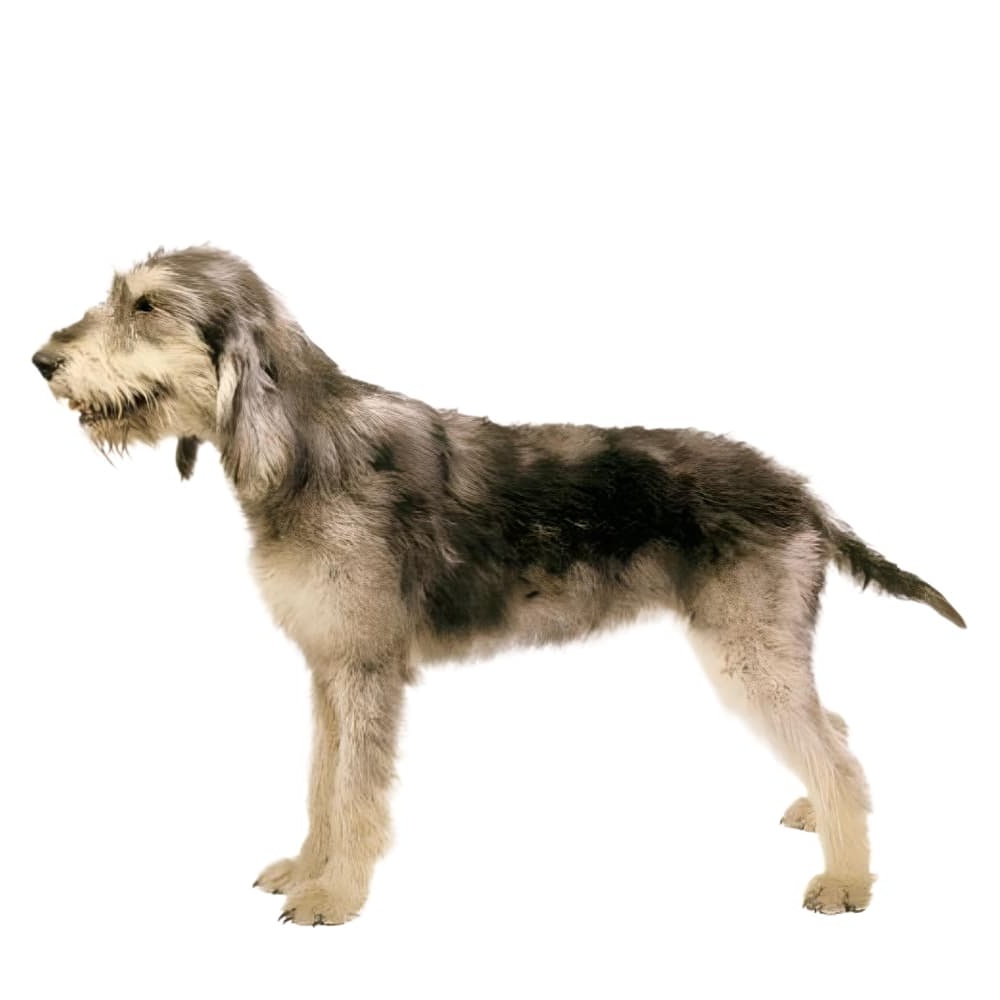
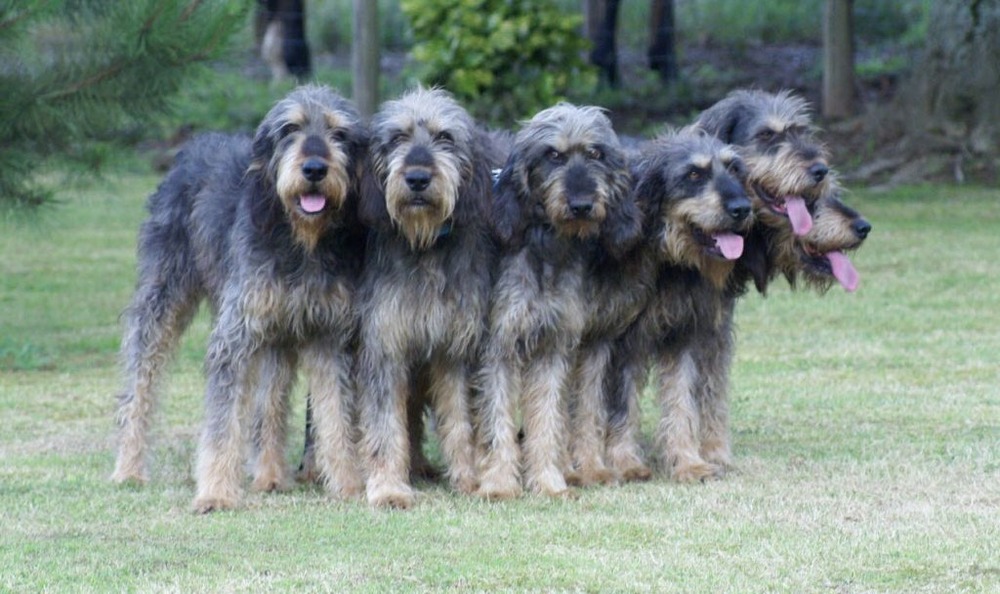
The Griffon Nivernais is a medium-sized French scent hound with a rough, tousled coat and a reputation for stamina. Breed standards vary slightly by registry, but you will commonly see adults around 53 to 62 cm at the shoulder, with a lean, workmanlike build designed for endurance rather than speed.1, 2
- Type: Scent hound
- Origin: France (Nivernais region)1
- Coat: Long, rough, shaggy, not woolly or curly1
- Colour: Typically darkened or “overlaid” shades, often with scattered white hairs creating greys, plus tan markings that can fade with age1, 2
- Temperament notes: Strong nose, enjoys difficult terrain, can be independent and occasionally obstinate1
Where this breed came from, and why it still matters
In older French hunting tradition, the Griffon Nivernais was valued for working thick cover and keeping going when conditions were unpleasant. The modern breed is described as a reconstruction of an older type from the Nivernais region, with the current standard detailing a working scent hound used mainly for hunting wild boar, often in a pack, sometimes alone.1, 3
History also explains why the Griffon Nivernais can feel different from more “handler-focused” breeds. In the FCI standard, the breed is noted for initiative and courage, and for needing guidance from a young age because it may show independence and stubbornness at times.1
The breed club’s founding date is often mentioned because it marks a point where enthusiasts began organising to preserve type. In the FCI standard, the club is noted as being founded in 1925.1
Temperament in a home setting
In practice, many owners describe a dog that is socially pleasant with its people, but not clingy. The Griffon Nivernais tends to be at its best when it has room to move, interesting smells to investigate, and a routine that includes real activity rather than only short laps of the block.
Because scent hounds are built to follow their noses, recall can be the sticking point. It is not that the dog “does not care”, it is that the sensory pull of scent can be stronger than the habit of checking in, especially in new places.
If you are choosing this breed, it helps to think in terms of management plus training:
- Secure fencing and gates, because roaming can happen quickly when a trail appears.
- Long-line walks while recall is being built, especially in bushland or open areas.
- Scent games that let the dog use its strengths without rehearsing “ignore the human”.
Training that respects the nose
The Griffon Nivernais is often described as teachable, but not always immediately compliant. The FCI standard itself notes that the breed can be obstinate and independent, and that the handler should learn how to get reliable obedience from an early age.1
Short sessions, clear rewards, and repetition in many locations usually work better than long drills. This is also a breed where punishment-heavy approaches can backfire, not because the dog is “sensitive” in a human sense, but because it can encourage avoidance, shutdown, or simply a return to doing its own thing.
For many homes, the most practical training goals look like this:
- Loose-lead walking with planned sniff breaks.
- A strong “leave it” and “this way” for moments when scent is too exciting.
- Reliable “wait” at doors and gates, because hounds can surge forward.
- Cooperative care foundations for ear checks, brushing, and vet handling.
Exercise and enrichment: more than just kilometres
This is a high-drive working type, so daily movement matters. But for many scent hounds, the quality of exercise is as important as the distance. A brisk walk where the dog is not allowed to sniff at all can feel strangely unsatisfying, while a slightly shorter walk with structured sniffing, a few training games, and a chance to explore can leave the dog far more settled.
Good options often include:
- Long, varied walks with time to scent-track safely.
- Hikes on a long line in appropriate areas.
- Scatter feeding in the yard, or simple “find it” games indoors.
- Food puzzles for mental work on days when weather limits outings.
If you notice restlessness, repetitive pacing, or sudden “selective hearing”, it can be a sign the dog needs more appropriate outlets for its nose, not simply more time confined in the backyard.
Coat, ears, and everyday care
The Griffon Nivernais coat is meant to be rough, shaggy, and protective. In the FCI description it is long, bushy, strong, and explicitly not woolly or curly.1
For most pet homes, weekly brushing is a sensible baseline, with extra attention after bushwalks. The aim is less about creating a polished look and more about preventing tangles, checking for grass seeds, and keeping the skin comfortable.
Ears deserve calm, regular checking. This breed has drop ears, and any dog with pendulous ears can be more prone to problems if moisture and debris are trapped. If your dog swims, or spends time in long grass, a quick post-adventure ear check becomes a useful habit.
Health considerations to keep in mind
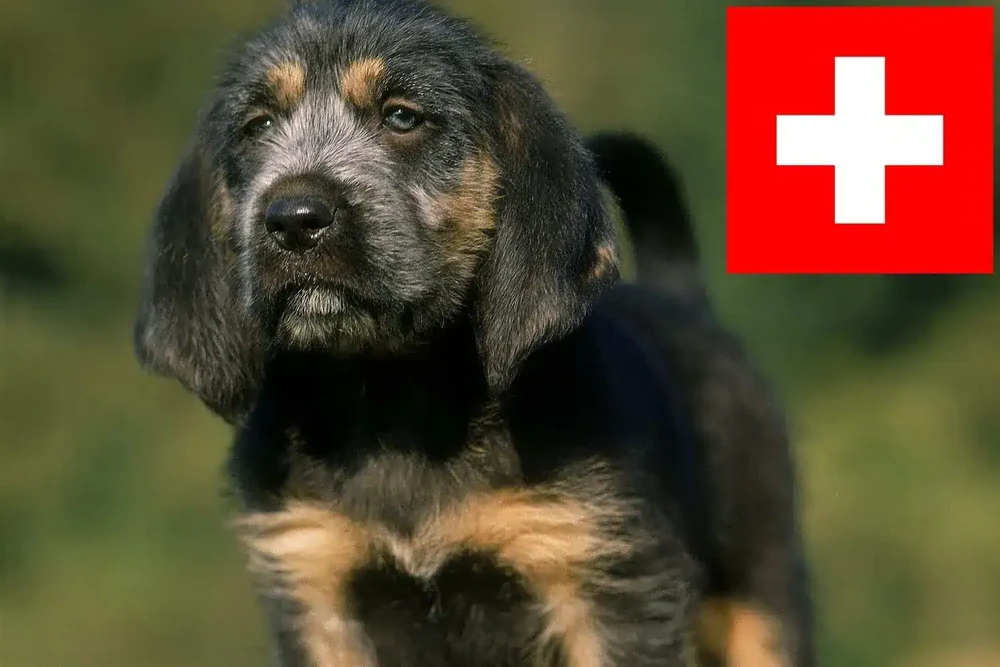
There is no single “signature” disease that defines the Griffon Nivernais, but sensible owners plan around the realities of medium to large active dogs: joint care, body condition, and routine checks. The UKC standard lists disqualifications and faults relevant to structure and temperament, which is one reminder that soundness and stability matter as much as appearance.2
If you are purchasing a puppy, ask what health screening is done in the breeder’s lines, and what veterinary support they recommend across the dog’s life stages. A well-bred, well-managed dog is not a guarantee against illness, but it does improve the odds of a comfortable, active life.
Whatever the breed, keep an eye on:
- Body weight, because extra kilos increase strain on joints.
- Ear comfort, especially if the dog is frequently outdoors.
- Fitness that is built gradually, rather than sudden weekend-only intensity.
Feeding and food safety
A Griffon Nivernais typically does best on a complete, balanced diet suited to its life stage and activity level. For active hounds, it can be surprisingly easy to either underfeed during heavy exercise periods, or overfeed when routine changes. Regularly checking body condition, not just the number on the scales, is one of the most practical habits you can build.
Food safety matters too. Some human foods are well known risks, and the advice is consistent across veterinary poison control resources: chocolate, grapes and raisins, and xylitol can be dangerous for dogs.7, 8
If you think your dog has eaten something risky, contact a vet promptly, and be ready to share your dog’s weight, what was eaten, and the likely amount. Early advice is often the difference between “monitor at home” and needing urgent treatment.7
Is the Griffon Nivernais right for you?
This breed tends to suit people who like dogs as dogs, not as perfectly rehearsed companions. It can be a rewarding match for an active household that enjoys the outdoors and is happy to train patiently, with plenty of reinforcement and realistic expectations.
It may be a tougher fit if you need an easy off-lead dog, live in a small space with limited access to varied walks, or want a breed that naturally stays close without much training. With the Griffon Nivernais, you are usually building that relationship and those skills deliberately.
If you do choose one, lean into what the dog was made for: movement, scent work, and steady routines. When those needs are met, many Griffon Nivernais settle into home life with a calm, capable presence that feels quietly distinctive.
References
- FCI Breed Standard No. 17: Griffon Nivernais (PDF)
- United Kennel Club (UKC): Griffon Nivernais Breed Standard
- Wikipedia: Griffon Nivernais
- American College of Veterinary Pharmacists: Chocolate (pet poison control list)
- Purdue University College of Veterinary Medicine: Toxicity Tips (Chocolate)
- VetZone: Chocolate toxicity in animals
- The Vets: Toxic Foods for Dogs
- ASPCA Animal Poison Control: People Foods to Avoid Feeding Your Pets