

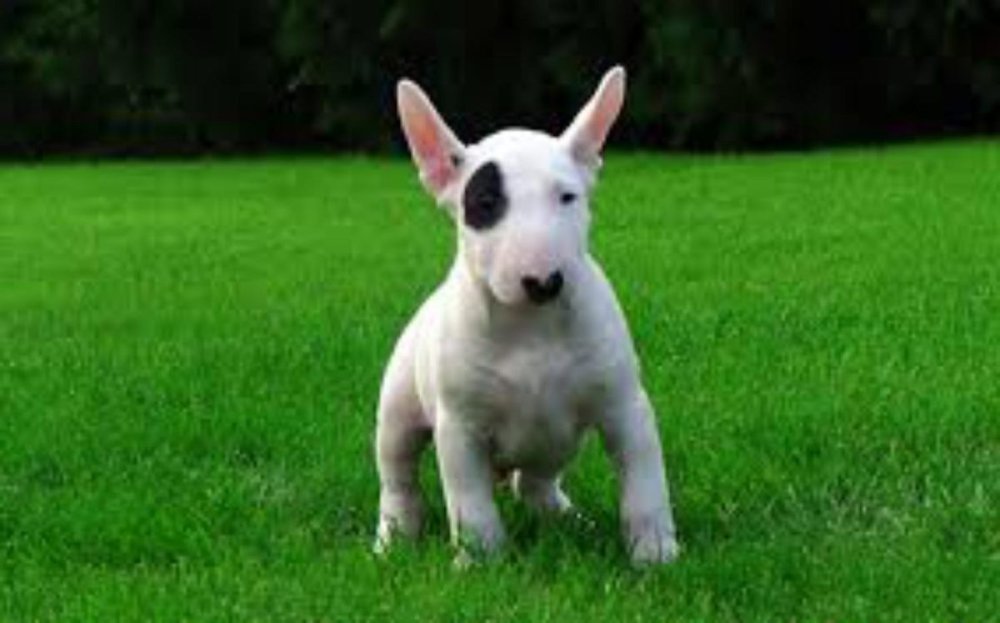
People usually come across the Gull Terrier indirectly. It might be a photo shared online, a name mentioned in passing, or a dog that looks a bit like a Bull Terrier but not quite. The more you look, the more you notice that the information is scattered, and sometimes a little romanticised.
It helps to start with a steadier assumption: this is a rare regional working type, shaped by practical needs and local history, rather than a widely standardised companion breed with neat, consistent lines. That difference matters, because it changes how you think about temperament, predictability, and the sort of home that suits the dog.
For the right person, a Gull Terrier can be an impressive, engaging companion. For the wrong set-up, the same traits that make the dog capable, like stamina, intensity, and watchfulness, can become hard to live with. Understanding the background is a kindness to the dog and to the people around it.
Where the Gull Terrier comes from
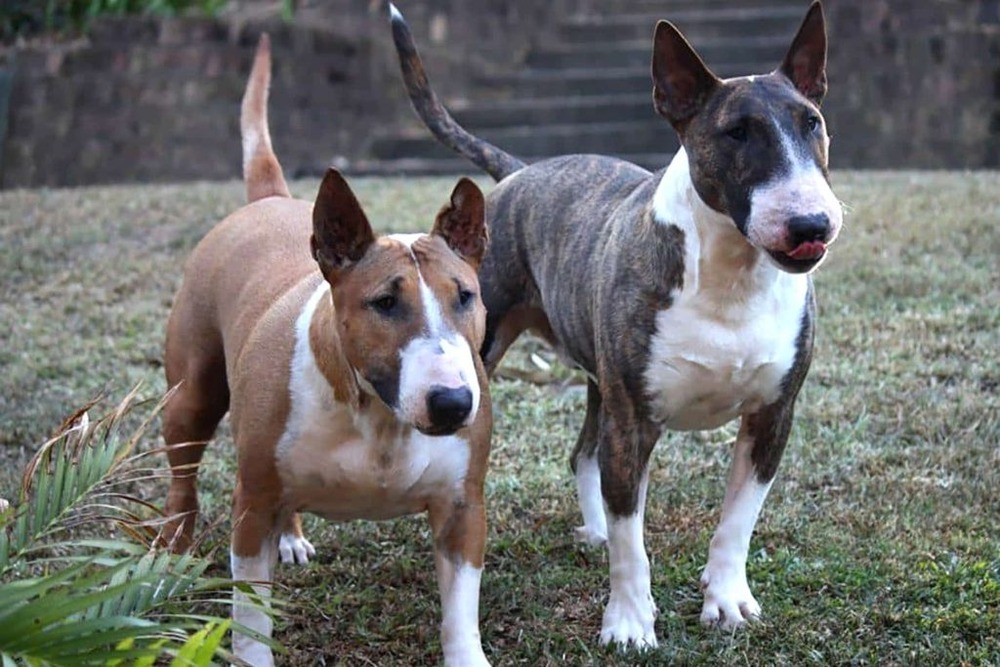
The Gull Terrier is generally described as originating in the Punjab region, spanning parts of present-day Pakistan and India, with development influenced by British-era dog breeding and imported bull-type terriers.1 You will also see the name Indian Bull Terrier used in some sources, which reflects both appearance and historical links rather than a single recognised registry label.1
Because this is not a globally kennel club-standardised breed, descriptions vary. In practice, you will find dogs sold under the name that differ noticeably in size, structure, and steadiness, depending on lineage, local selection, and the priorities of the breeder. That is not unusual for regional working types, but it means you need to assess the individual dog in front of you.
A note on reputation and use
Any honest conversation also has to acknowledge that some sources associate Gull Terriers with fighting and other high-risk uses.1 That does not mean every dog is destined for trouble, but it is a reminder to be thoughtful about where a puppy comes from, what has been selected for, and how carefully the dog is managed around people and other animals.
What they tend to look like
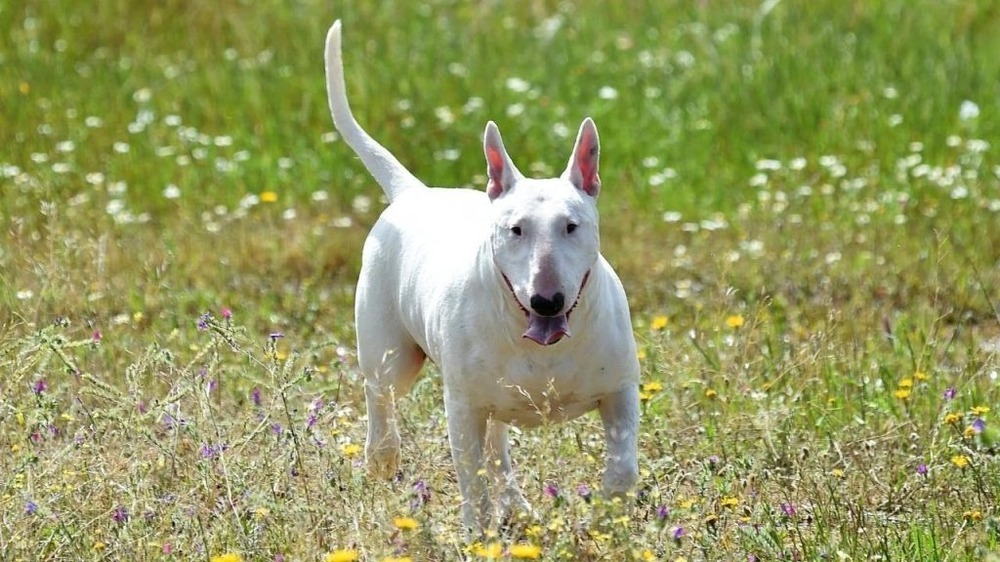
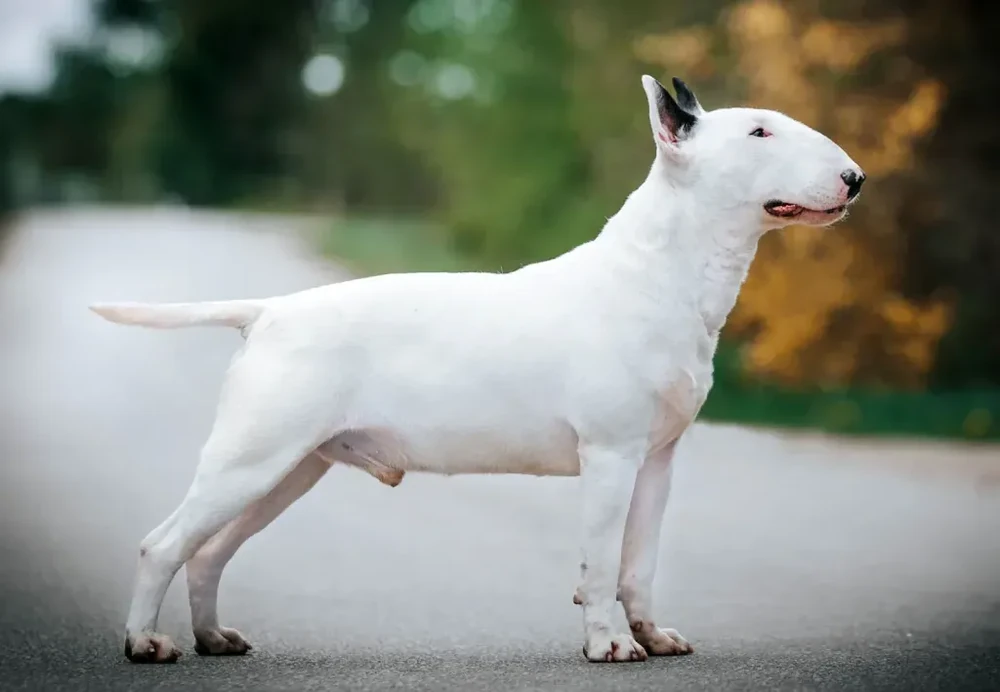
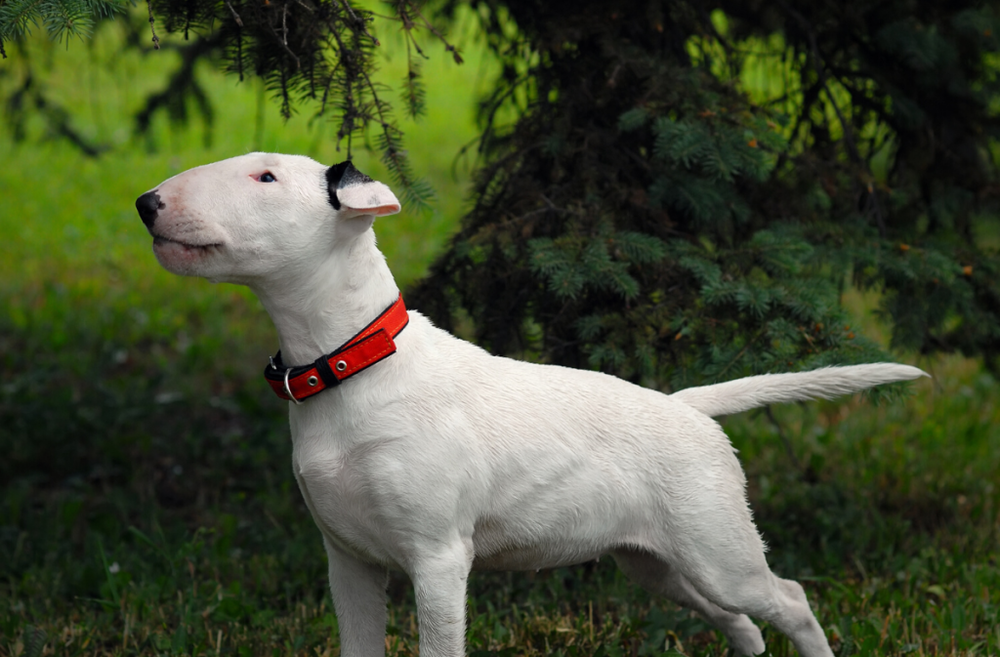
Most descriptions point to a medium-sized, muscular dog with a short coat, often white and sometimes with darker markings.1 Ears may be erect or semi-erect, and the overall outline often reads as athletic and capable rather than ornamental.
It is tempting to focus on the “strong jaw” idea, but a more useful lens is this: the Gull Terrier is typically built for efficient movement and endurance. If you meet one that seems stiff, reluctant to move, or easily fatigued, that is information worth following up with a vet.
Temperament, in real homes
Many owners are drawn to this breed label because they want a dog that is loyal, watchful, and engaged with the household. Those traits can exist together, but they often come with a need for structure. A dog that is naturally alert can become noisy, pushy, or hard to settle if its day is built on random bursts of activity rather than a steady rhythm.
It is also common to see “good with kids with training” written as a blanket promise. In practice, the safer approach is to aim for supervised, coached interactions with children, plus a dog that has been well socialised and trained with reward-based methods. Even a friendly, tolerant dog can struggle with rough handling, chasing games, or unpredictable noise.
Other animals and social life
Some Gull Terriers may live happily with other pets, particularly if introduced carefully while young and managed well. Others may show reactivity, prey drive, or same-sex tension. Early socialisation can help, but it is not a magic switch, especially if a dog is maturing into a more territorial adult.
If you are hoping for an easy dog-park lifestyle, it is worth pausing. Many dogs do better with a small circle of known dog friends, parallel walks, and structured play rather than free-for-all introductions.
Training and exercise that actually works
With bull-type terriers and terrier mixes, people sometimes assume they need harsh handling to “stay in charge”. That belief can backfire. Current veterinary behaviour guidance strongly favours reward-based training and advises against aversive methods such as prong collars, choke chains, and e-collars, due to welfare risks and the potential to worsen behaviour problems.6, 7
A practical routine tends to work better than big “burn them out” sessions:
- Daily movement, such as brisk walks, leash hikes, or structured games
- Short training sessions that build recall, loose-lead walking, and settle-on-a-mat skills
- Enrichment that uses the brain, like food puzzles, scent games, and simple search tasks
For puppies, socialisation is less about forcing greetings and more about calm, positive exposure to the world in the early weeks, when their brains are especially receptive. Many RSPCA-run programs describe this “critical” socialisation period as roughly 8 to 16 weeks.8
Health themes to watch for
With limited large-scale breed data, it is hard to state “common conditions” with confidence for every Gull Terrier. Still, two issues often come up in bull-type, medium-to-large, active dogs, and they are worth understanding early.
Hip dysplasia and joint wear
Hip dysplasia can lead to pain, lameness, and arthritis over time. Rapid growth and excess weight can make outcomes worse, so steady growth in puppies and good body condition across life matter more than many people realise.9
Skin itch, allergies, and recurring ear issues
Chronic itch can be associated with canine atopic dermatitis, a condition linked to environmental allergens and a genetic predisposition in some dogs. Signs often include licking feet, rubbing face, recurrent ear infections, and irritated skin, with onset commonly between 6 months and 3 years of age.10
If a dog is itchy, it is rarely helped by switching foods repeatedly without a plan. A vet can help you rule out parasites and infections first, then decide whether diet trials, allergy management, or other treatment is most appropriate.
Grooming and day-to-day care
A short coat is often described as “low maintenance”, and in brushing terms that is usually true. A weekly brush and regular nail trims can be enough for many dogs, plus routine checks of ears, eyes, and skin so you catch problems early.
Comfort matters too. Short-coated dogs can feel cold in winter conditions, particularly at night. Warm bedding and, in some climates, a coat for early morning walks can make a noticeable difference to how relaxed the dog is at home.
Feeding and body condition
The most useful nutrition advice is rarely breed-specific. The focus is on the individual dog: age, activity level, body condition score, health issues, and what the household can consistently manage. The WSAVA Global Nutrition Guidelines encourage routine nutritional assessment and tailoring the diet plan with your veterinary team, rather than relying on internet rules about “high protein” or trendy ingredients.2
If you want a simple target, aim for a visible waist and an easy-to-feel rib outline under light padding. Keeping a dog lean is one of the most practical ways to support joints, stamina, and overall comfort across the years.
Is a Gull Terrier the right fit?
This breed label tends to suit people who enjoy training, like an active routine, and are comfortable setting boundaries kindly and consistently. A secure yard, good fencing, and thoughtful introductions to visitors and other animals are not “nice extras”, they are part of responsible management.
If you are considering one, it is worth prioritising three things: responsible sourcing, early reward-based training, and an honest assessment of your day-to-day life. A dog with a working background can be a pleasure to live with, provided the home is set up to meet the dog where it is.
References
- Wikipedia: Gull Terrier
- WSAVA: Global Nutrition Guidelines
- American Veterinary Society of Animal Behavior (AVSAB): Position Statements and Handouts
- RSPCA ACT: Dog Training School (reward-based training)
- RSPCA WA: Dog Training (puppy socialisation period)
- American College of Veterinary Surgeons (ACVS): Canine Hip Dysplasia information
- Merck Veterinary Manual: Canine Atopic Dermatitis