

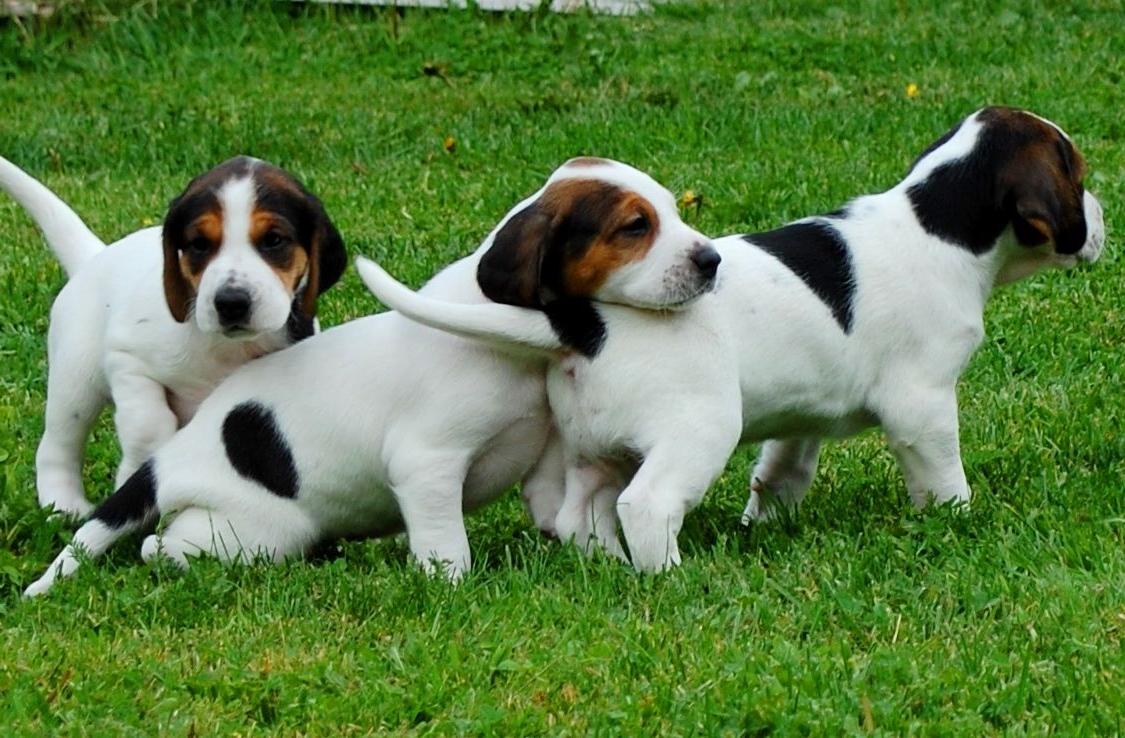
- Breed category: Hound
- Country of origin: Norway
- Average height: 52 to 60 cm
- Average weight: Around 20 to 25 kg
- Average life span: About 10 to 14 years
- Coat type: Short, straight outer coat with undercoat
- Typical colours: White with black patches and tan markings
- Shedding level: Moderate
- Temperament (general): Sociable, energetic, alert
- Exercise needs: High, daily physical and mental work
- Grooming needs: Low, brush as needed
- Original purpose: Scent hound for hare hunting
- Best suited for: Active homes, people who enjoy training and outdoor time
Most people do not go looking for a Halden Hound on purpose. They stumble across the name in a breed list, hear it mentioned by someone who hunts, or notice a tricolour hound that looks a bit like a Beagle but stands taller and moves with a different kind of stamina.
Because it is rare outside Norway, there is a tendency to either romanticise the breed or treat it like an “unknown” version of more familiar scenthounds. In practice, the Halden Hound is better understood as a purpose-built hare hound that can also live well as a companion, provided its need to follow scents and do real daily exercise is taken seriously.1, 2
If you are considering one, or you are trying to make sense of hound behaviour in your own dog, it helps to start with what the Halden was bred for. Much of its training, management, and even the small health niggles you might see in day to day life make more sense through that lens.
History and origin
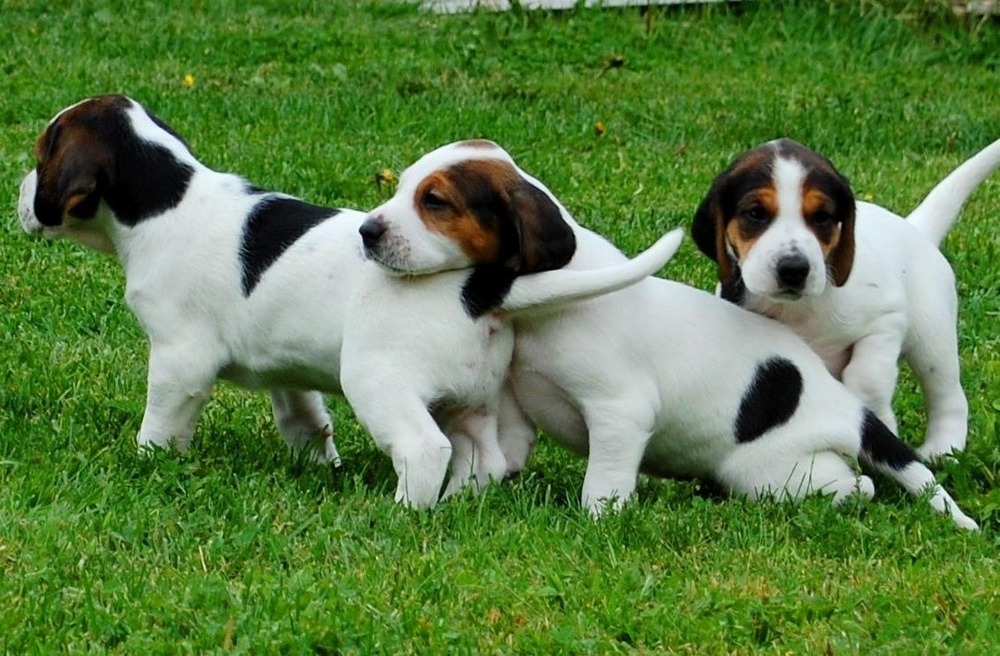
The Halden Hound (Haldenstøver) developed in south eastern Norway, with a strong association to the Halden region. Breeders in the late 1800s and early 1900s aimed for a steady, durable scenthound suited to local conditions, using a mix of imported hounds and local Norwegian lines.1
In Norwegian hunting tradition, these dogs are valued for their ability to work scent patiently and keep going over long ground. They are part of the broader group of Scandinavian hare hounds, bred to follow a cold trail and maintain a workable pace that allows the handler to stay involved, not just watch a dog vanish over the horizon.1, 2
If you see “recognition” dates listed, be aware there are a few different milestones depending on the organisation. The breed was approved as its own breed by the Norwegian Kennel Club in 1952, and later recognised by the FCI (Fédération Cynologique Internationale) on a definitive basis in 1965.1, 2
What they look like in real life
The Halden Hound is a medium sized, rectangular, athletic hound. The overall impression is strength without heaviness, built for covering distance rather than quick bursts. Most adults sit roughly in the low 20 kilogram range, with males commonly standing around 52 to 60 cm at the shoulder.1
Coat wise, expect a short, straight outer coat supported by undercoat. In appearance, many are white with black patches and smaller tan markings. Their ears are hanging and set fairly high, and the tail is carried low rather than curled over the back.1
It is a practical coat and body for a working dog, but it also means owners often underestimate their need for movement. A Halden that is not getting enough physical and mental work can look “fine” on the couch, yet still be under-stimulated in the ways that matter most to a scent hound.
Temperament and behaviour
The Halden Hound is commonly described as friendly and sociable, with a steady confidence that suits both work and home life. That said, hound friendliness does not automatically translate into being easy off lead or reliably disengaging from smells. For many individuals, scent will always compete with recall unless training and management are thoughtfully built around it.1
In a family setting, they often do well with respectful children and a predictable routine. As with any hunting breed, how they behave around smaller pets depends on the individual dog, their early socialisation, and how carefully the household sets boundaries. It is not about assuming “prey drive” equals danger, but about recognising that following movement and scent is deeply reinforcing for many hounds.
Vocalising can be part of the package. Many scenthounds use voice while working, and some Halden Hounds will be more talkative than owners expect, especially if frustrated, under-exercised, or responding to wildlife activity nearby.
Training and exercise needs
Training a Halden Hound is less about “winning” against stubbornness and more about building habits that work with a dog’s brain. Hounds are often capable learners, but the environment matters. A quiet backyard session can look great, then fall apart the moment there is a fresh scent trail at the park.
What tends to work best is short, consistent sessions, rewards that genuinely matter to the dog, and a gradual approach to distractions. Many owners find that incorporating sniffing into training, rather than trying to suppress it, produces a calmer, more responsive dog over time.
Daily exercise needs are high. Many adults need at least an hour a day, and often more, split between brisk walking, running, structured play, and brain work. Consider activities such as:
- Long line sniff walks where the dog can explore safely
- Scent games at home (find-it, simple tracking)
- Hiking and varied terrain for conditioning
- Reward-based obedience and impulse control work
Because this is a scenthound, a secure yard and sensible lead management matter. In many places, letting a hound free-run in unfenced areas is less a training question and more a risk calculation, especially around roads and wildlife.
Health and lifespan
Most Halden Hounds are described as generally healthy, and the breed is not known for a long list of inherited disorders. Still, “generally healthy” is not the same as “never has problems”, especially as individual dogs age or if exercise and weight management slip.3
Hip dysplasia is a condition that can affect many medium to large dogs. It involves laxity and poor joint fit during growth, which can contribute to arthritis and pain later in life. Genetics matter, and so do factors such as rapid growth and excess weight.3
Ear trouble is another practical consideration for any dog with hanging ears. Floppy ears can reduce airflow and trap moisture, which can contribute to inflammation and infection in some dogs. If you notice odour, discharge, redness, or your dog seems uncomfortable, it is a vet visit rather than a home remedy situation.4
Lifespan is often quoted in the low teens, with many sources putting the average around 10 to 14 years, depending on the individual and the quality of day to day care.2
Grooming and maintenance
The coat is straightforward. A weekly brush is usually enough to remove loose hair, distribute natural oils, and help you notice skin changes early. During seasonal shedding, you may simply need to brush more often.
Routine maintenance is less about appearance and more about keeping a working-bodied dog comfortable. Pay attention to nails (especially if most exercise is on soft ground), teeth, and paws, particularly after bush walks where grass seeds can become an issue.
For ears, follow veterinary advice on whether your dog needs cleaning at all. Many dogs do not. If your vet recommends cleaning, use a vet-approved ear cleaner, avoid cotton tip applicators, and stop if the ear looks inflamed or painful.4
Diet and nutrition
A Halden Hound does best on a consistent, high-quality diet that supports an active lifestyle without pushing weight up. With hounds in particular, it is easy to mistake food motivation for hunger, and easy to overfeed without noticing until the body shape changes.
If you are adding fresh foods or using a lot of treats for training, keep an eye on overall balance. Treats are most useful when they stay special, and when they do not displace the nutrition your dog needs from its main diet.
It is also worth being clear about household food risks. In Australia, vets and animal welfare bodies regularly warn against common toxic items such as chocolate, grapes and raisins, onions and garlic, xylitol (found in some sugar-free products), macadamias, alcohol, and cooked bones that can splinter.5, 6
Living with a Halden Hound
In the right home, this breed can be a calm, companionable presence indoors and a focused, tireless worker outside. The mismatch happens when people want “easy” but choose a dog designed to follow scent for hours.
Before committing, it helps to ask practical questions. Can you provide safe daily outlets for scenting? Is your yard secure? Are you comfortable using a long line for months, sometimes years, while recall matures? Do you enjoy training as an ongoing relationship rather than a quick project?
Because the breed is uncommon outside Norway, sourcing a puppy ethically can take time, and responsible breeders will often prioritise health screening, temperament, and appropriate placement over speed. Connecting with the Norwegian Kennel Club breed information is a sensible starting point if you are researching pedigrees and breed standards.1
Final thoughts
The Halden Hound is not a novelty hound. It is a genuine working scenthound with the friendliness to live closely with people, and the independence to remind you it was bred for a job.
If you meet that reality with steady training, enough outdoor time, and thoughtful management around scent, you often end up with a dog that feels both capable and companionable. The best Halden homes tend to be the ones that enjoy the long walks, the quiet routines, and the steady satisfaction of watching a hound do what hounds do.
References
- Norsk Kennel Klub (NKK): Haldenstøver
- Fédération Cynologique Internationale (FCI): Haldenstøver (Halden Hound) No. 267
- American College of Veterinary Surgeons (ACVS): Canine Hip Dysplasia
- VCA Animal Hospitals: Ear Cleaning and Administering Ear Medication in Dogs
- Agriculture Victoria: Human foods to avoid for cats and dogs
- RSPCA Pet Insurance: Safe diet for dogs (foods to avoid)