

You might come across the Hällefors Elkhound after seeing a photo of a yellow, fox-like spitz dog described as an “elkhound”, then realising it does not quite match the better-known Norwegian Elkhound. Or you might meet one in the flesh and notice how quickly it locks onto scent and movement, then wonder what sort of home could actually suit a dog like that.
This is a breed shaped by work, not trends. A Hälleforshund can be calm in the house when its needs are met, but it is rarely satisfied with a quick stroll and a backyard. The practical question is less “is it a good dog?”, and more what does it need every day to stay steady, healthy, and liveable with.
It also helps to know that information about the breed can be patchy outside the Nordic countries, and sometimes repeated details are simply wrong. A little context from kennel club sources makes the rest of the care picture much clearer.1, 2
At a glance: size, coat, and what people notice first
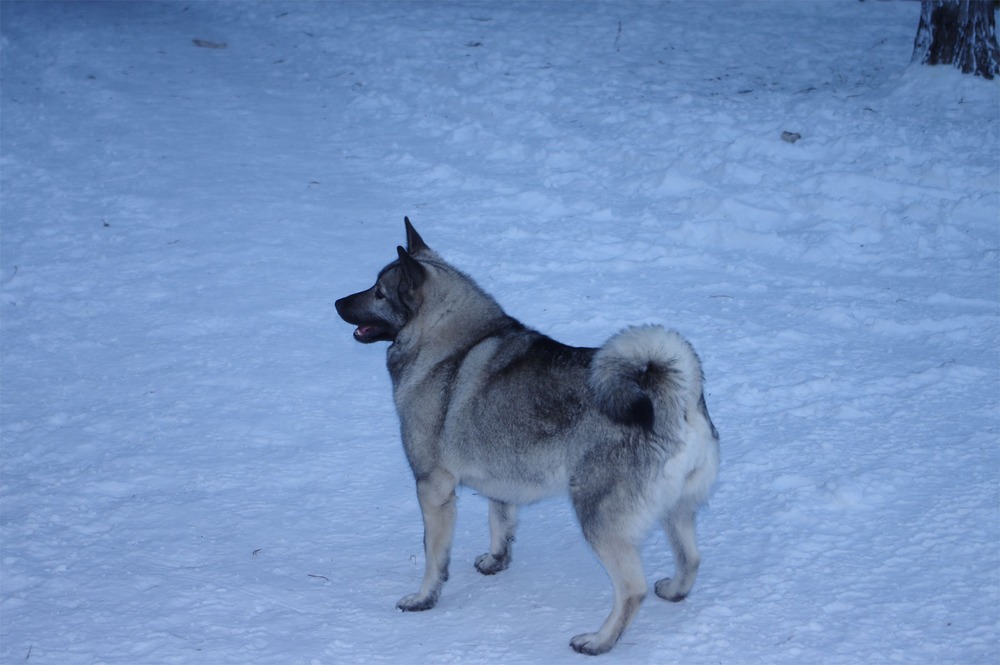
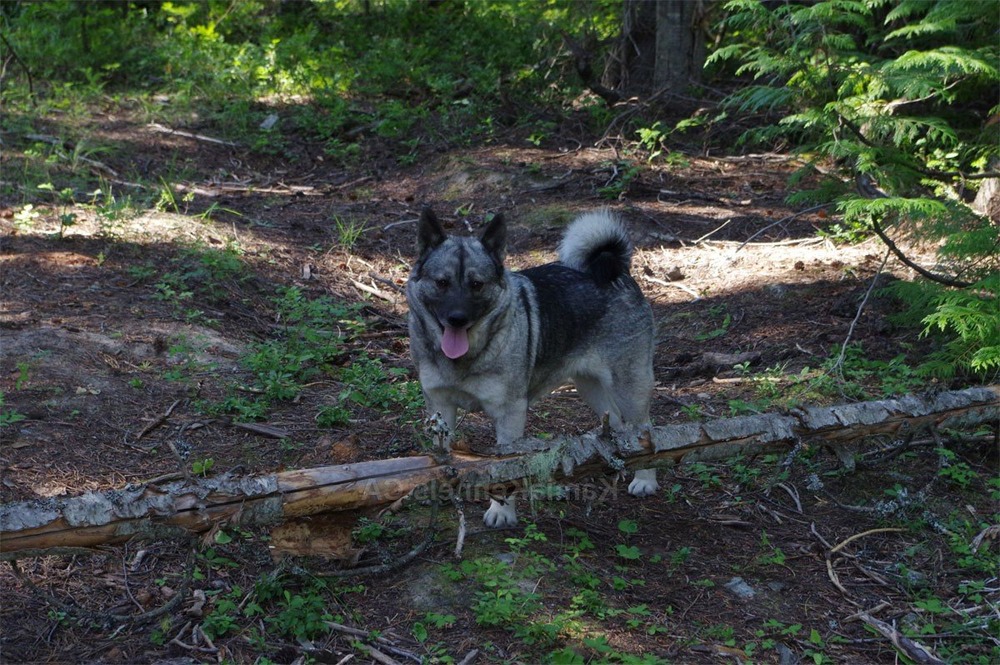
The Hällefors Elkhound (also known as the Hälleforshund) is a medium to large spitz-type hunting dog from Sweden. Adults are typically around 55 to 63 cm at the shoulder for males and 52 to 60 cm for females, with a rectangular, athletic build designed for moving through forest for hours rather than for short bursts of speed.2
One commonly repeated mistake is coat colour. Many summaries describe “grey, black, and white”, but the Swedish breed description points to a yellow-red spectrum (often read as fawn through to richer golden tones). The coat is a double coat with harsher outer hair and a dense undercoat, built for weather and terrain rather than a soft, silky finish.2
In day-to-day life, people often notice a few consistent traits:
- Alert ears and quick scanning of what is happening around them.
- A tail carried in a curve or sickle shape, typical of many spitz breeds.
- A coat that looks tidy from a distance, but can shed heavily at home when it “blows”.2
Where the breed came from, and why it matters
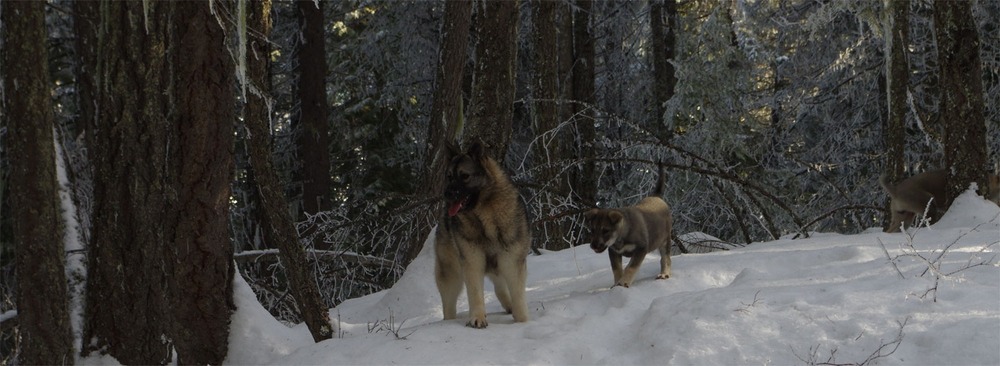
The Hälleforshund’s origin story is unusually specific. Nordic kennel club material traces it to a litter born in the late 1930s at the ironworks in Hällefors, Sweden, with later infusions from hunting spitz lines (including Finnish spitz influence mentioned in the same history). The Swedish Kennel Club recognised the breed in 2000, and the standard and trial rules were set at that point.1, 2
This history matters because it explains what the dog was selected for: independence in the field, physical toughness, and persistence. Those are excellent working qualities, but they can surprise owners who expect a more biddable “do what you’re told” pet temperament.
It is also worth knowing the breed is recognised within Nordic kennel structures, but is not recognised by the FCI. That does not say anything about quality, but it can affect how easily you find consistent information, show pathways, and breed club support depending on where you live.1
Temperament and everyday behaviour in a home
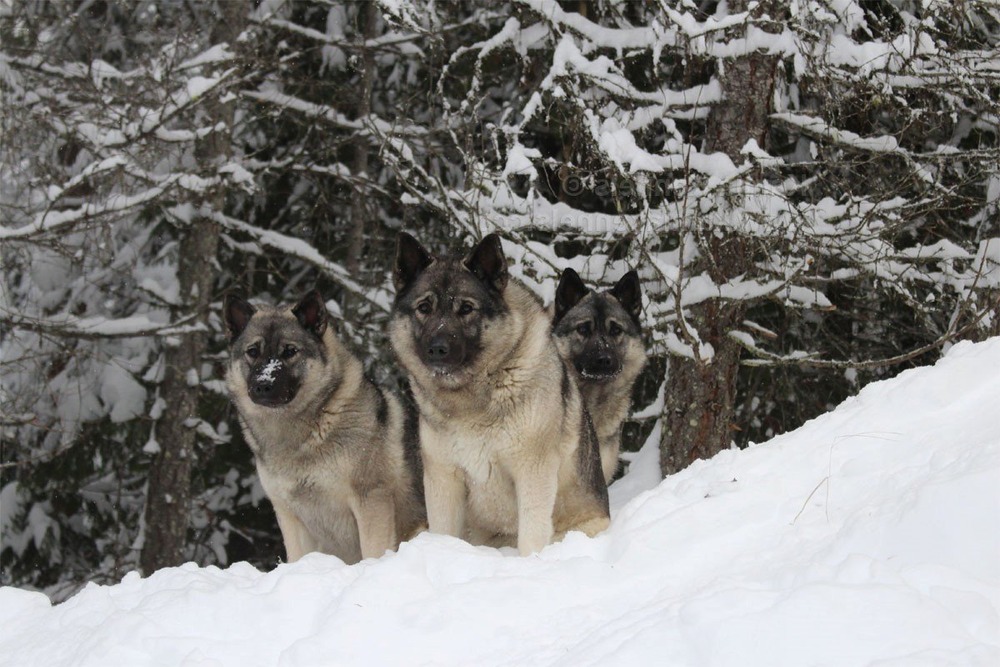
Breed descriptions often use words like courageous, persistent, and strong-minded. In practice, that can look like a dog that is steady and observant, sometimes reserved with strangers, and inclined to make its own decisions when something interesting happens.1, 2
A common belief is that “working breeds are hyper” and therefore unsuitable for family life. The more useful way to think about it is that this breed tends to do best with predictable outlets for hunting-style needs: scenting, tracking games, long walks in varied environments, and the chance to use its brain. Without that, you may see pacing, nuisance barking, or an intense focus on wildlife.
With children, the main variable is not a simple “good” or “bad” label. It is whether the dog has been well socialised, whether the household can supervise appropriately, and whether everyone understands that a spitz-type hunter can react quickly to running, squealing, and sudden movement. Early, careful introductions and calm boundaries matter more than optimism.
With other pets, especially smaller animals, you should assume prey drive may be present. Some individuals can live well with cats and other dogs, but it is something to assess honestly, not a box to tick.
Training that works with the dog in front of you
The Hälleforshund is often described as intelligent, but “intelligent” does not always mean “easy”. It can learn quickly, then decide a cue is optional if the environment is more rewarding than you are.
Approaches that tend to help:
- Short, regular sessions with clear criteria, rather than long drills.
- Rewarding check-ins and recall practice in low-distraction spaces before expecting reliability outdoors.
- Giving the dog a job that feels meaningful, such as scent work games, structured tracking, or searching for hidden toys.
If barking appears, it helps to separate “alarm barking” from “frustration barking” and “I found something” barking. A breed bred to communicate in the field may use its voice more readily than you expected, especially if it is under-exercised or overstimulated.
Exercise and enrichment: meeting the real need
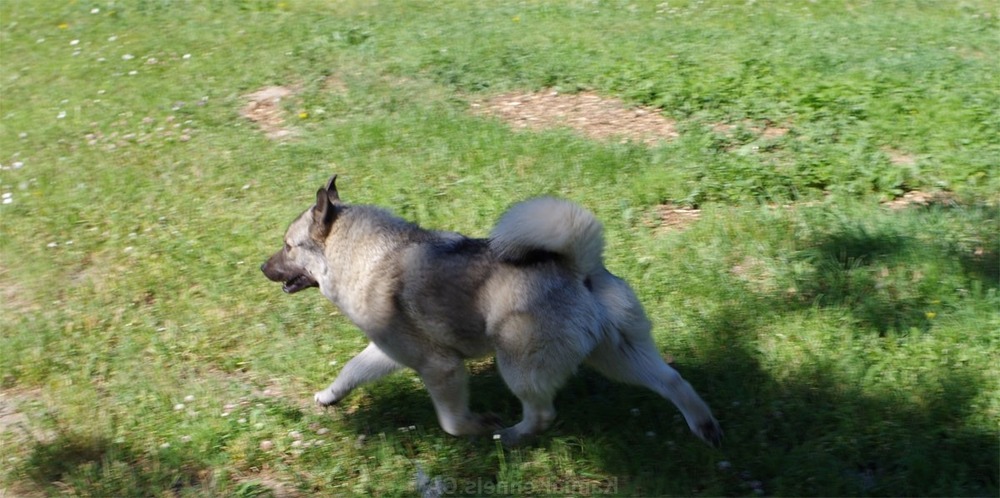
This is a high-energy hunting dog. A single daily walk may keep the dog physically tired for a while, but it does not always meet the need for exploration and problem-solving. A useful aim is daily movement plus daily thinking, tailored to the individual dog’s age and health.
Enrichment does not need to be complicated. The RSPCA highlights that exercise, sniffing opportunities, and varied activities can support wellbeing, and it also notes that enrichment should be done thoughtfully to avoid problems like overfeeding or unsafe toy use.3
Ideas that often suit this type of dog:
- Long-line “sniff walks” where the dog can range a little and gather information safely.
- Scatter feeding in grass, snuffle mats, or simple search games around the house.
- Rotating a small number of toys rather than leaving everything out all the time.3
In hot weather, be conservative. Thick-coated dogs can struggle more in heat, especially if they are asked to run hard in the middle of the day. Choose cooler times and watch for early signs of overheating.
Health considerations and sensible screening
It is tempting to list a neat set of “common health problems”, but for rarer breeds, the more honest approach is to focus on the conditions that responsible breeders typically screen for in many medium to large dogs, and to use veterinarians and structured registries for guidance.
Hip dysplasia is one of the key orthopaedic concerns across many breeds. The Orthopedic Foundation for Animals (OFA) outlines how hip dysplasia relates to abnormal joint development, how signs can vary, and how screening is typically done via radiographs submitted for evaluation.4
Eye disease is similar: there are inherited eye conditions in dogs that may not be obvious when a dog is young. The ACVO CAER screening program, administered through OFA, is designed to help identify and record canine eye disease findings, with annual re-examination recommended because some conditions can appear later.5, 6
Practical steps that tend to serve owners well:
- Ask breeders what health screening they do and request documentation, not just verbal reassurance.
- Keep your dog lean through adulthood, because extra weight can worsen stress on joints.
- Book routine vet checks and raise subtle changes early, especially stiffness, reluctance to jump, or squinting and eye cloudiness.
Grooming, shedding, and coat care that fits real life
The double coat is functional and usually does not need fancy trimming. What it does need is steady, low-drama maintenance.
Weekly brushing suits many dogs most of the year, then more frequent brushing when the undercoat sheds heavily. Focus on the undercoat, but do not scrape the skin. A gentle undercoat rake and a slicker brush can help if used with care.
Bathing can be occasional. Overbathing can strip oils and create dry skin, especially in colder months. Nail trims and ear checks are worth treating as normal handling practice, not a once-a-year wrestle.
Feeding and keeping an active dog in good condition
Active hunting breeds often look their best when they are athletic and lean, not when they are carried on a generous “just in case” layer of body fat. If you are unsure, ask your vet to show you how to assess body condition and muscle condition in a practical way.
The WSAVA Global Nutrition Guidelines are designed to help veterinary teams tailor feeding plans and perform nutritional assessment at regular visits, which is a useful anchor when the internet gets noisy about ingredients and trends.7
For many adult dogs, two meals a day is workable, with adjustments based on age, activity, and desexing status. Treats can be part of training, but it is wise to make them count and to reduce meal portions if treats increase.
If weight creeps up, the RSPCA notes that obesity is common and generally comes down to intake exceeding need. Their guidance emphasises daily exercise and practical steps to help prevent weight gain.8
Is a Hällefors Elkhound a good fit for you?
This breed suits people who enjoy being outdoors, who like training as a long-term relationship rather than a quick project, and who can provide structure without harshness. It is often a better match for homes that can offer space, time, and regular access to interesting walking environments.
If what you want is a dog that is reliably easy with everyone, content with minimal exercise, and unlikely to chase anything that moves, this may not be the most comfortable choice. But if you are drawn to a capable, hardy hunting spitz, and you can meet the daily needs with consistency, the partnership can be deeply satisfying.1, 2
References
- Swedish Kennel Club (SKK), Nordic dog breeds: Hällefors Elkhound
- Swedish Kennel Club (SKK): Hälleforshund (breed information)
- RSPCA Australia: The importance of enrichment for dogs
- Orthopedic Foundation for Animals (OFA): Hip Dysplasia
- American College of Veterinary Ophthalmologists (ACVO): ACVO CAER Exams through OFA
- Orthopedic Foundation for Animals (OFA): Eye Disease and CAER overview
- World Small Animal Veterinary Association (WSAVA): Global Nutrition Guidelines
- RSPCA Australia: Ways to avoid obesity in your dog