

You might come across the Hamiltonstövare when you notice a lean, tri-colour hound that looks a bit like a foxhound, but moves with a calmer, more purposeful rhythm. Or you might be looking at hound breeds because you want a dog who genuinely enjoys long walks, bush time, and using their nose, not just a quick lap of the block.
It can be tempting to assume most scenthounds are interchangeable. In practice, the details matter: how a dog follows scent, how much space they need to feel settled, and how they cope when there is nothing to do. The Hamiltonstövare was shaped for day-long work on scent, and that background still shows up in everyday life.
Done well, life with this breed can feel wonderfully straightforward. They tend to be friendly and even-tempered, but they are rarely at their best as a purely indoor, low-exercise companion. Understanding what they were bred to do is the easiest way to understand what they need now.1
At a glance: Hamiltonstövare basics
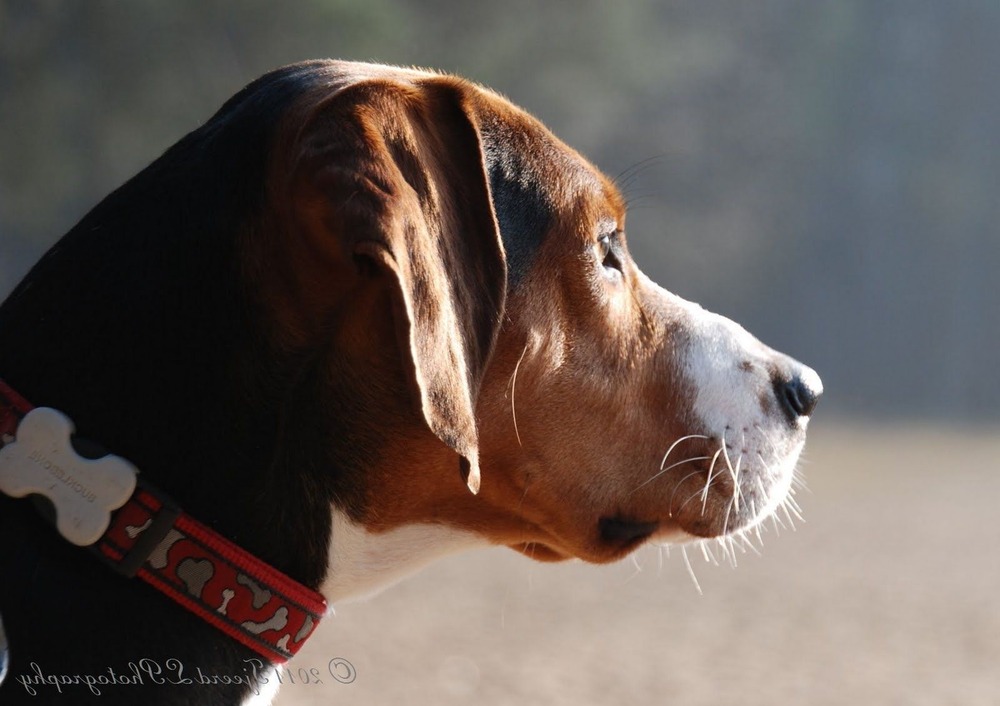
- Breed type: Scent hound
- Origin: Sweden
- Height: Males 53 to 61 cm, females 49 to 57 cm (ideal 57 cm and 53 cm)
- Coat: Harsh, close coat with undercoat, tri-colour (black, tan, white)
- Typical lifespan: Often around 10 to 13 years (individual variation)
- Best fit: People who enjoy daily, purposeful exercise and can safely support off-lead style enrichment (sniffing, tracking games) on lead or in secure areas
The FCI breed standard also notes a key working detail: the Hamiltonstövare is used for hunting hare and fox, and it is not a pack hound in the traditional sense. That matters because many owners expect a hound to automatically love the bustle of dog crowds, when some are more comfortable working or moving alongside one or two familiar companions.1
History and origin in Sweden
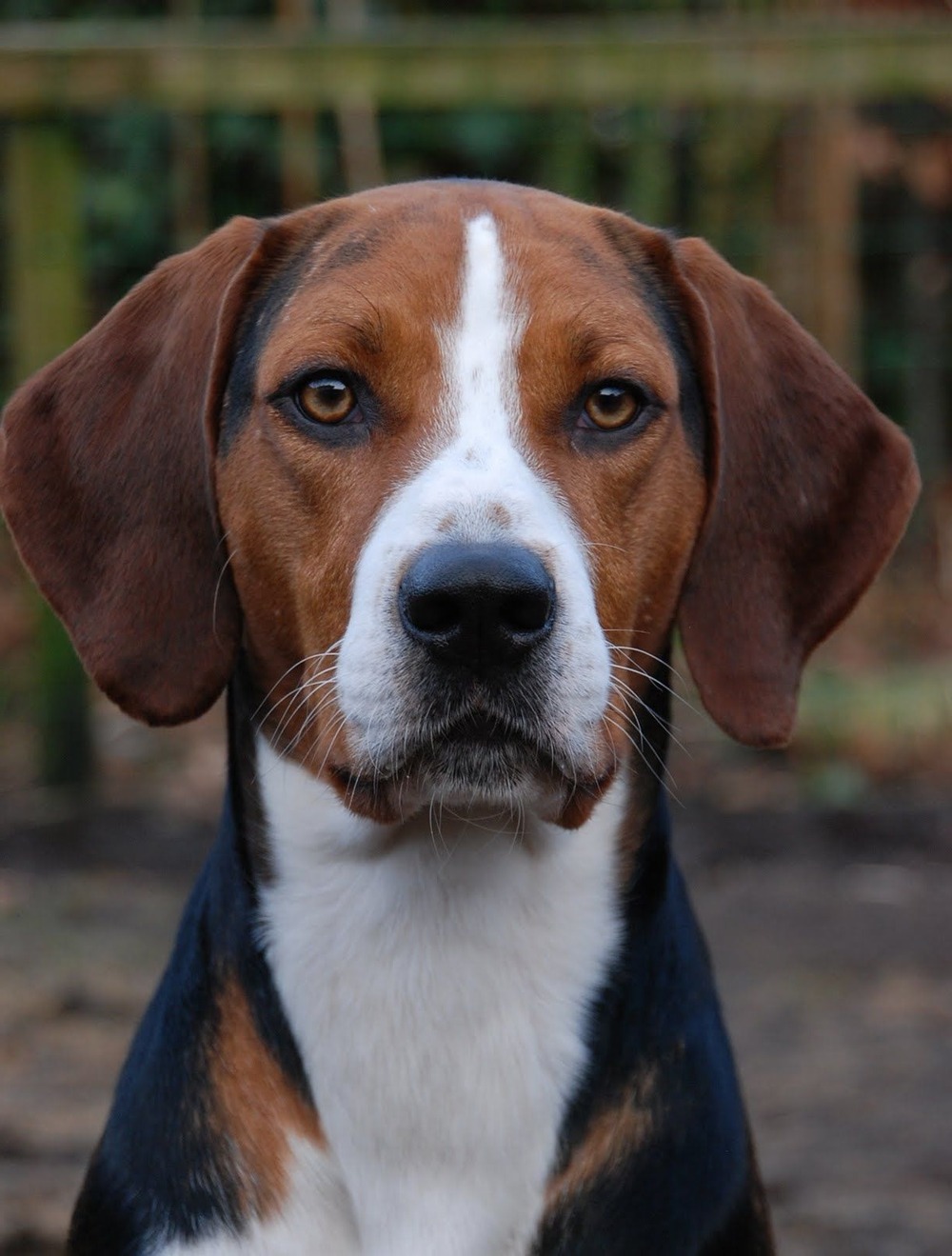
The Hamiltonstövare sits in a very Swedish tradition of scent hounds. According to the FCI standard, scenthounds have been known in Sweden for centuries, and by the late 1800s the type we now recognise began to take shape through deliberate breeding and selection.1
The breed is named for Count Adolf Patrik Hamilton, associated with the early Swedish dog world and the formation of the Swedish Kennel Club. The FCI standard describes how two dogs shown in Sweden in 1886 (Pang and Stella, owned by Hamilton) are considered foundational to the breed, and that the name Hamiltonstövare was adopted in 1921 as a tribute to him.1
It is also widely noted that the breed’s development drew on a mix of European scenthounds, along with Foxhounds and Harriers. Rather than thinking of this as a neat recipe, it is more helpful to see it as a practical response to local terrain and hunting needs, with stamina and scenting ability sitting at the centre of the brief.1, 2
Physical characteristics and what they mean day to day

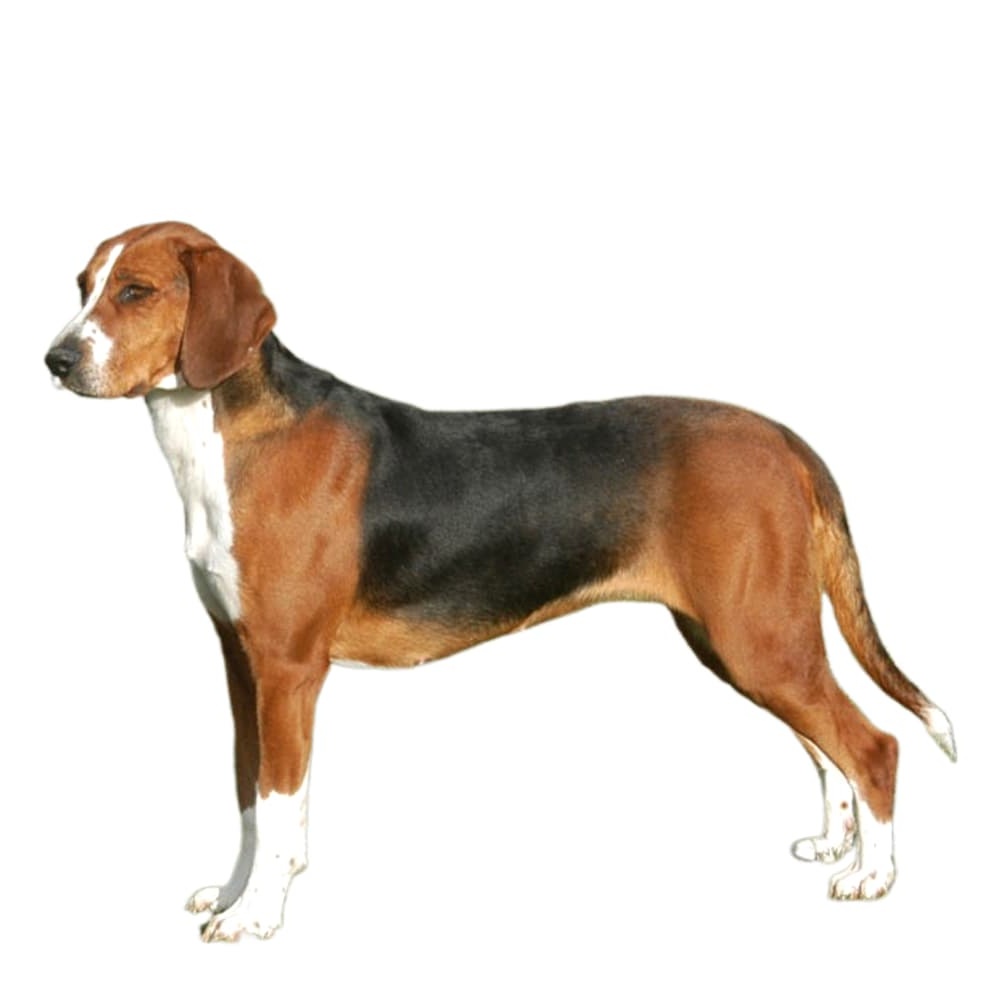
The Hamiltonstövare is a medium-sized, well-proportioned hound built for strength and stamina, but never heavy, as the FCI standard puts it. In real terms, many owners notice they are athletic without looking bulky, with a longish head, a deep chest, and long legs that make steady distance feel easy for them.1
Coat is short and close, described as harsh and lying very close to the body, with an undercoat that can be thicker in winter. Grooming tends to be straightforward, but the coat is still functional: it is made to cope with weather and movement through scrub rather than to be decorative.1
Colour is tri-colour, with black forming a mantle, tan on the head, ears, and legs, plus white markings in specific places. If you are comparing Hamiltonstövares to similar hounds, those clear, standardised markings are part of what keeps the breed recognisable across generations.1
Temperament and behaviour: friendly, but driven by scent
In the home, the Hamiltonstövare is often described as friendly and even-tempered. That matches the breed standard, and it is usually what people are responding to when they say the dog feels easy to live with, provided their exercise needs are met.1
Outdoors, a scenthound can look like it is ignoring you when it is actually doing what it was built to do: sorting information through the nose. That does not mean training is pointless. It means training needs to be designed around scent, arousal, and distance, with realistic expectations about what is competing for their attention.
If you have other pets, the early weeks matter. A dog with a strong tracking history may show keen interest in smaller, fast-moving animals. With thoughtful socialisation and management, many live well with other dogs and household pets, but it is wise to plan as though the chase reflex could switch on in the wrong moment.
Training and exercise: making space for the hound brain
This breed typically does best with training that is calm, consistent, and rewarding. Scent hounds can be sensitive to repetition that feels pointless, but they often respond well when you make the task clear and the payoff predictable.
A good baseline is daily movement plus daily sniffing. Sniffing is not just a nice extra. For a scenthound, it is core mental exercise. When that need is met, many of the common frustrations (restlessness, busy barking, scavenging) tend to ease.
If you are building a practical routine, consider:
- Long-line walks in safe areas to allow exploring while staying secure.
- Simple tracking games at home, such as hiding treats in the grass or using a scent trail made from dragged food.
- Short, regular training sessions that include recall foundations, leash skills, and cooperative handling for ears, paws, and mouth.
Apartment life is not impossible, but it is often harder than people expect. The challenge is rarely the dog’s size. It is the combination of high exercise needs, a strong interest in the outside world, and the limited chance to decompress through sniffing and free movement.
Health and lifespan: what to watch and how to prevent trouble
Like many medium-to-large athletic dogs, owners and vets commonly keep an eye on joint health, including hip dysplasia. It is not unique to this breed, but it is relevant enough that it is worth discussing with your vet, particularly if you are buying a puppy and can ask about health testing in the lines.
Ear care also deserves steady attention. Hanging ears can reduce airflow, and moisture can be trapped in the ear canal. Veterinary sources consistently point out that dogs with floppy ears are at higher risk of ear infections, and that prevention often involves regular checks, sensible cleaning, and drying after swimming.3, 4
If your dog is shaking their head, scratching at an ear, or you notice odour, redness, or discharge, it is worth getting it checked promptly. Ear infections can have different causes (including allergies, yeast, bacteria, parasites, and foreign material), and treating the wrong thing can prolong discomfort.4
Grooming and maintenance: low effort, but do not skip the basics
The Hamiltonstövare’s coat is usually low-maintenance. A weekly brush is often enough to remove loose hair and dirt, and to keep the skin in good condition. Seasonal changes may bring a bit more shedding, which is typically manageable with a slightly more frequent brush.
The more important maintenance tasks are often the quiet ones:
- Ears: check for redness, smell, and wax build-up, especially after water exposure.3, 4
- Teeth: regular brushing supports long-term comfort and general health.
- Nails and feet: keep nails at a workable length and check pads after long outings.
If grooming becomes a wrestling match, it is usually a training issue rather than a personality flaw. Cooperative care training, done in small steps, pays off for the rest of the dog’s life.
Diet and nutrition: simple, balanced, and monitored
For active breeds, feeding can become confusing fast, especially when advice online swings between extremes. A reliable starting point is to choose a diet that is complete and balanced for your dog’s life stage, then adjust amounts based on body condition and activity, with your vet’s help.5, 6
If you want to add fresh foods, do it thoughtfully. Australian RSPCA guidance highlights food safety and balance concerns for raw feeding, and it also lists common toxic foods to avoid, including onions, grapes and raisins, and chocolate.5, 6
For owners who like a checklist approach, WSAVA’s nutrition resources are helpful for cutting through marketing and focusing on the practical questions that matter, including how to assess whether a food is appropriate and how to monitor your dog over time.7
Living with a Hamiltonstövare: who this breed suits best
This is often a lovely breed for people who enjoy a dog that feels like a genuine animal companion, alert to the world, ready to move, and content after a proper outing. They can suit families, particularly where there is time for daily exercise and an understanding that hounds tend to be curious and scent-led.
They are usually a more comfortable fit when you can offer:
- Daily exercise with variety, not just the same short route.
- Secure spaces, or long-line options, for sniffing and exploring.
- Ongoing training that respects the dog’s instincts rather than fighting them.
When those basics are in place, the Hamiltonstövare’s steadiness and friendliness often come through clearly, and day-to-day life becomes less about managing problems and more about enjoying the dog in front of you.
References
- FCI Standard No. 132: Hamiltonstövare (FCI)
- Hamiltonstövare overview (Wikipedia)
- How to Help Prevent Dog Ear Infections (American Kennel Club)
- Ear Infections in Pets: Causes and Treatments (The Animal Medical Center)
- What should I feed my dog? (RSPCA Knowledgebase)
- What should I feed my dog? (RSPCA Pet Insurance)
- WSAVA Global Nutrition Guidelines (World Small Animal Veterinary Association)