

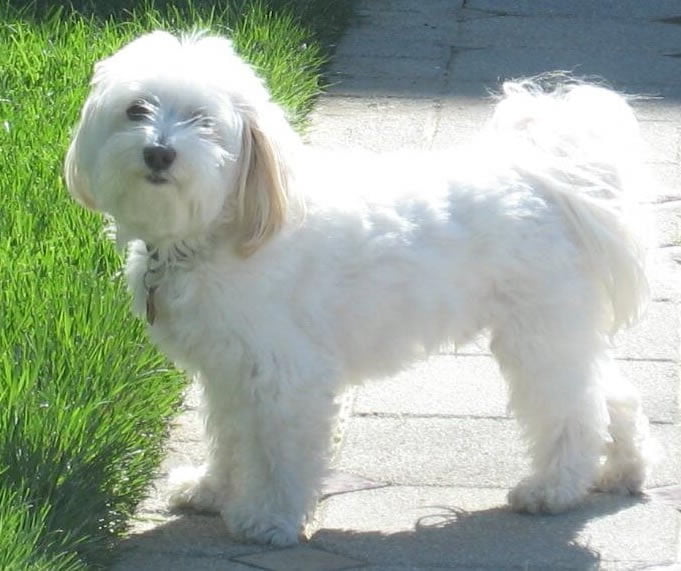
People often first notice a Havanese because of their coat, their little springy way of moving, or the fact they seem to want to be close to whoever is doing the most interesting thing in the house. They are small enough to fit neatly into apartment life, but they are not a “decorative” dog in the way some people assume toy breeds must be. They still need routines, practice, and a bit of purpose each day.
If you are looking at the Havanese because you want a friendly companion, it helps to understand what that friendliness costs in real terms. Many Havanese cope well with family life, visitors, and other pets, but they are also dogs that can struggle when left alone too often, or when their grooming and training are treated as optional extras rather than part of keeping them comfortable.
Below is a more grounded look at what living with a Havanese tends to involve, including their background, temperament, exercise needs, grooming, and the health checks worth discussing with your vet.
Havanese at a glance
The Havanese is a small, sturdy companion breed from Cuba, often grouped with the bichon-type dogs. Breed standards describe a dog that is slightly longer than tall, with a soft, silky coat and a tail carried in a plume over the back.1, 2
- Size: commonly around 23 to 28 cm at the withers (breed standards vary slightly by country)1
- Build: small, sturdy, slightly longer in body than height1
- Coat: long, soft, silky, wavy or lightly curled, with an undercoat1
- Colours: many colours and combinations, with some standards excluding merle1
- Typical lifespan: often quoted around the mid-teens, though any individual dog can fall outside that range4
A short history, and why it still matters
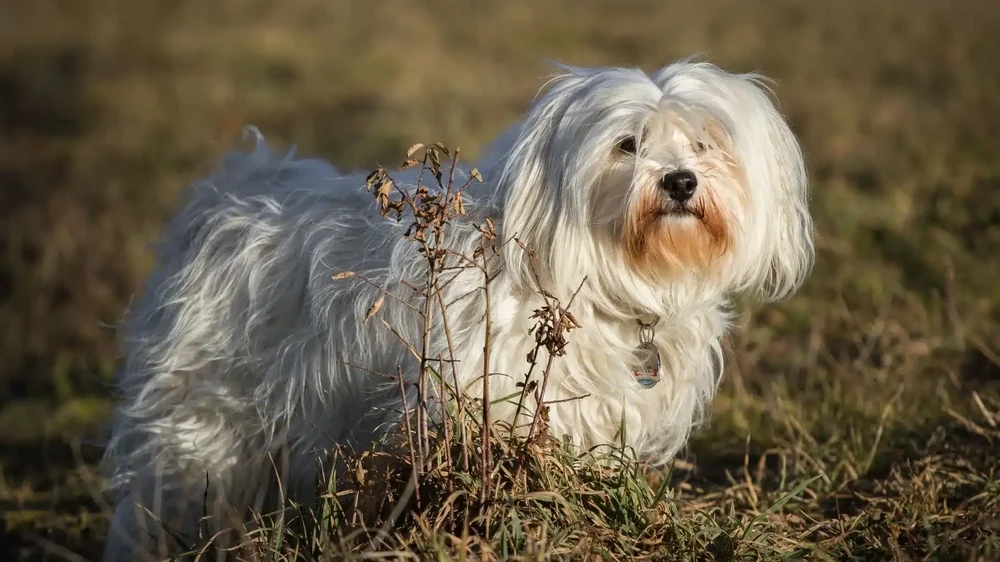
Most modern descriptions trace the Havanese to small companion dogs that travelled with people involved in Mediterranean and Spanish trade, later becoming established in Cuba. You will often see the breed described as the national dog of Cuba, and as a member of the wider bichon family.2
What tends to be consistent across accounts is that the breed’s survival outside Cuba was shaped by migration, especially when families left Cuba and took dogs with them. In the US, the Havanese was recognised by the American Kennel Club in 1996, which helped consolidate the breed’s profile internationally.3, 5
This matters day to day because the Havanese has been shaped primarily as a close companion dog. That does not mean they cannot learn independence, but it does mean many do best when their humans plan for togetherness, training, and gradual alone-time practice from puppyhood.
Temperament and what “people-oriented” can look like
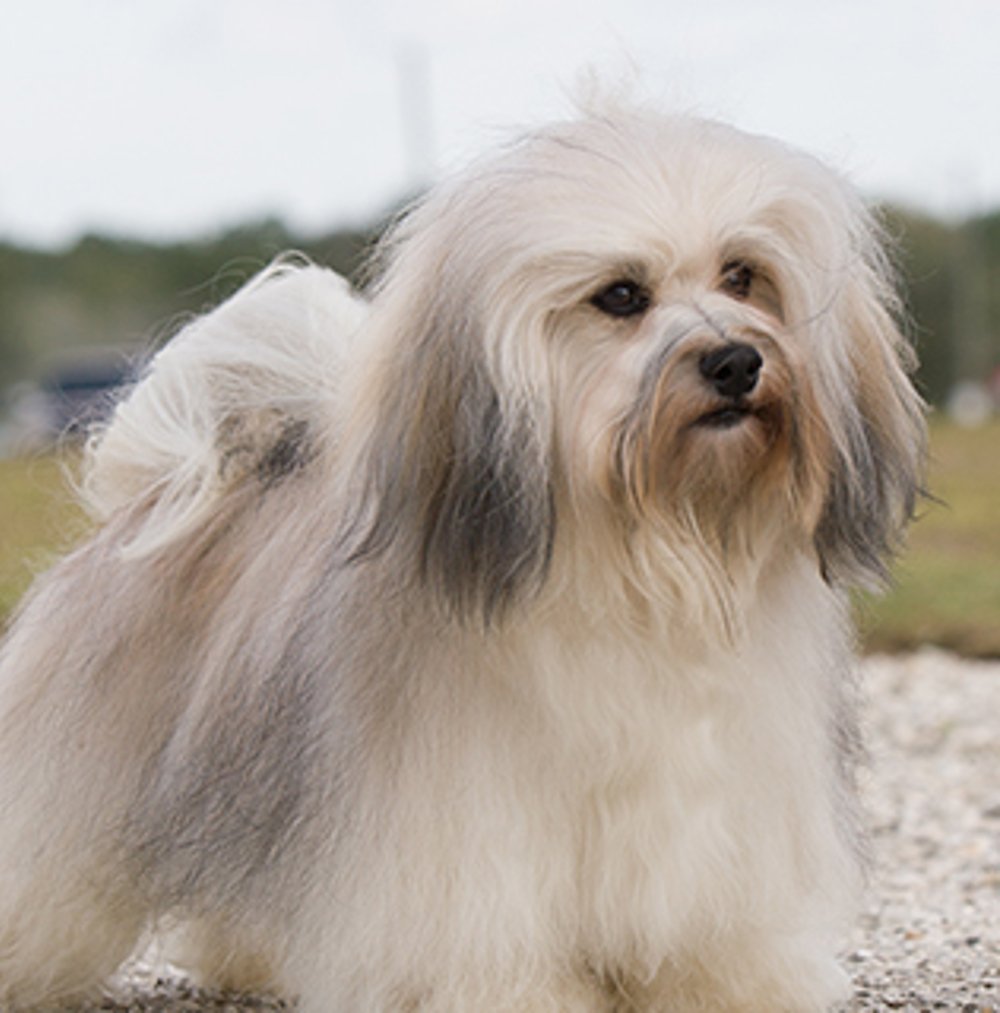
Breed standards and kennel club descriptions commonly use words like lively, affectionate, intelligent, friendly, and outgoing. Those are helpful signposts, but they are not guarantees for every dog, and they do not automatically translate to an easy household.1, 2
In practical terms, many Havanese prefer to keep track of where you are. Owners sometimes call them “velcro dogs”. A better way to think about it is that they often have a strong preference for proximity. If your home life involves long stretches out of the house, or you want a dog that is content to entertain themselves in the backyard, this is worth taking seriously.
Children, visitors, and other pets
Many Havanese do well with considerate children and can mix well with other animals, particularly if they are introduced thoughtfully and not overwhelmed. Because they are small, the bigger risk is often accidental rough handling or being frightened by high-energy play. Calm, supervised interactions tend to bring out the best in them.
If you are choosing a puppy, look for breeders who prioritise stable temperaments and early social experiences. If you are adopting an adult, give them time to settle, and remember that friendliness can take different forms, including cautious curiosity.
Training and exercise that suits a small, bright dog
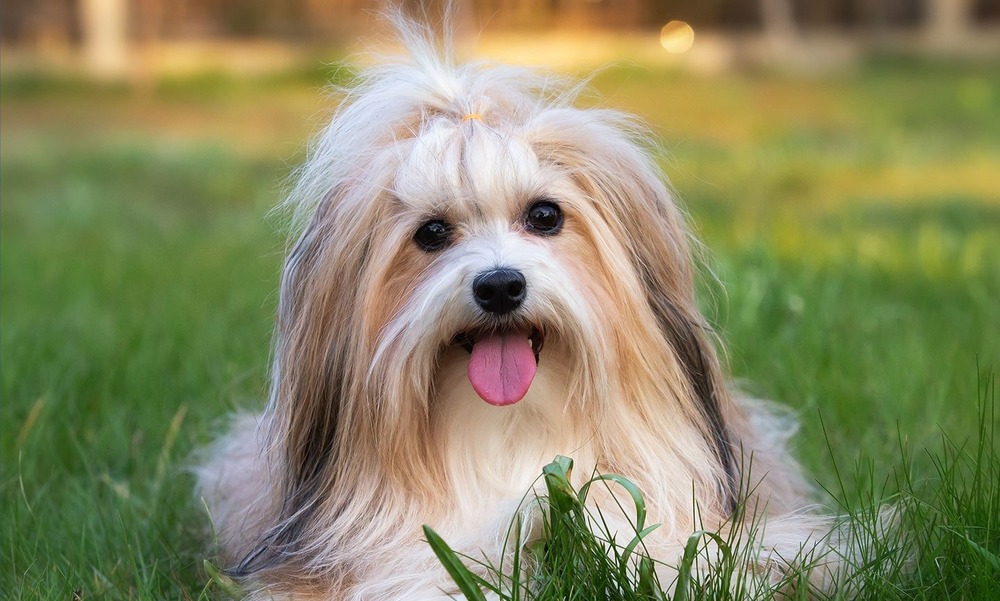
The Havanese is often described as intelligent and responsive, which can make training genuinely enjoyable. It also means they notice patterns quickly, including the ones you did not mean to teach. If begging works once, it is information. If barking brings you closer, it is information.
Most Havanese do best with short, frequent training sessions, using rewards they care about (food, play, attention) and clear repetition. Consistency matters more than intensity, particularly with toileting, jumping up, and “alert barking”.
How much exercise is enough?
These are not endurance athletes, but they are not couch ornaments either. Many do well with daily walks plus play, sniffing, and a little training mixed in. Some kennel club guidance suggests exercise needs can be modest, for example around 30 minutes a day, but it is still worth watching your individual dog’s fitness and behaviour rather than relying on a number.2
- Good options: gentle walks, indoor games, trick training, basic agility-style games at home (low impact)
- Worth prioritising: sniff time and exploration, not just “steps”
- Watch-outs: overexertion in heat, and jumping on and off furniture repeatedly, especially in puppies
Health considerations, and the role of good breeding
No breed is “problem free”, and with Havanese, you will often hear about issues affecting eyes and joints. Some breed summaries also mention patellar luxation (kneecap instability) and progressive retinal atrophy (PRA) as concerns seen in the breed.4
The more useful question is not “what can go wrong”, but what is being screened. If you are buying a puppy, ask what health testing has been done on the parents, and request documentation. If you are adopting, ask your vet what checks are sensible for your dog’s age and history.
Everyday habits that support health
Small dogs are particularly prone to dental disease, and home care makes a real difference. Many vets recommend daily tooth brushing if you can manage it, and starting early tends to make it easier.6, 7
Dental chews and diets can help, but quality varies. If you want evidence-backed options, look for products that carry the Veterinary Oral Health Council (VOHC) Seal of Acceptance, which indicates the product has met pre-set standards for plaque or tartar reduction.8, 9
Coat care and grooming that is kind, not cosmetic
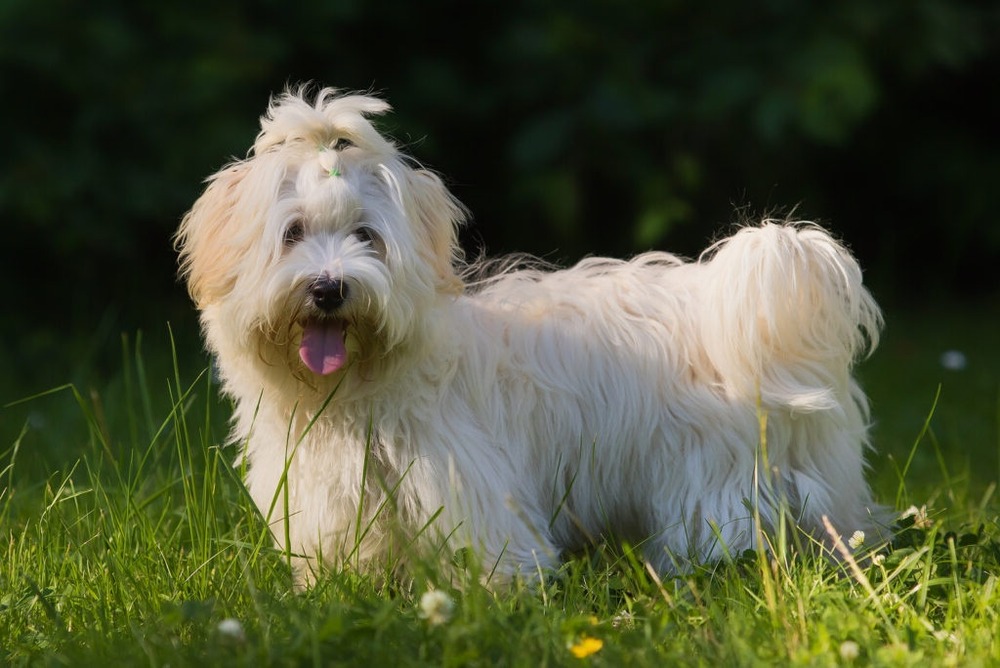
The Havanese coat is one of their defining features, and it is also the part of ownership that surprises people. Even if shedding is low, long hair can mat. Mats are not just an aesthetic issue, they can tug at the skin and make handling unpleasant.
A workable routine usually includes gentle brushing several times a week, plus regular professional grooming or careful home trims if you are confident. Pay extra attention to friction areas such as behind the ears, armpits, groin, and anywhere a harness rubs.
- Start early: short grooming sessions with rewards help build tolerance
- Keep it practical: many owners choose a shorter “puppy trim” for comfort and manageability
- Do not forget: nails, ears, and the hair around eyes and mouth
Is a Havanese the right fit for your household?
A Havanese can be a lovely match if you want a small dog who is engaged with family life and happy to share the day with you. They often suit apartments and smaller homes well, provided their needs are met for companionship, training, and grooming.2
They are often less comfortable in homes where they are left alone for long stretches without preparation and support. If your routine is busy, you can still make it work, but it tends to require planning for alone time (gradual training, enrichment, and realistic expectations) rather than hoping they will simply “get used to it”.
If you are undecided, spend time with adult Havanese as well as puppies. The coat, the movement, and the friendliness are part of the picture. The quieter realities, grooming, dentistry, and daily routines, are what shape whether the match feels easy six months in.
References
- The Kennel Club: Havanese breed standard
- The Kennel Club: Havanese (breed information)
- American Kennel Club: Breeds by year recognised
- The Spruce Pets: Havanese overview (lifespan and health issues)
- Wikipedia: Havanese dog (history and AKC recognition context)
- RSPCA Australia: Importance of dental health
- RSPCA Pet Insurance: Guide to dog dental care
- Veterinary Oral Health Council: About the VOHC
- Veterinary Oral Health Council: VOHC accepted products