

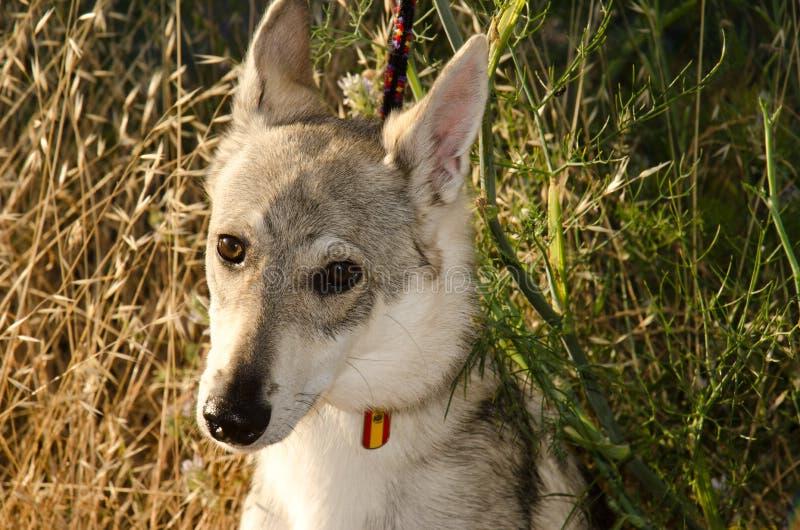
People usually stumble across the “Hierran Wolfdog” after seeing a lean, wolf-like dog in a photo, or hearing someone mention a rare shepherd dog from the Canary Islands. The name can leave you wondering whether you are looking at a true wolf hybrid, a modern “designer” cross, or simply a regional working dog with a wild look.
On El Hierro, the smallest of the Canary Islands, dogs like this have long been valued for practical reasons: moving stock, watching property, and coping with rough terrain. Their appearance can mislead outsiders, but the day-to-day reality is simpler and more grounded in work, management, and good training.
It also matters because labels shape expectations. If you assume “wolfdog” means unpredictable or untrainable, you may miss the actual needs of the dog in front of you: socialisation, exercise, heat management, and an owner who enjoys thoughtful, steady handling.
Breed snapshot, what people mean by “Hierran Wolfdog”
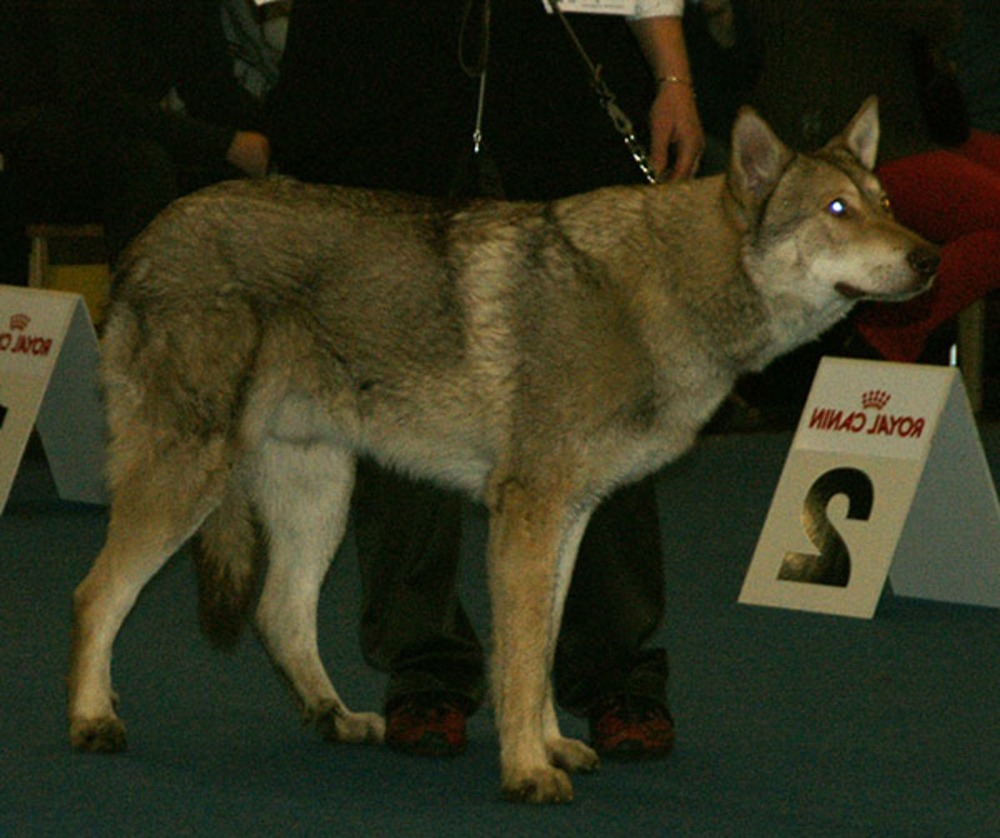
In most contexts, “Hierran Wolfdog” refers to the Lobito Herreño, also known as the Perro de Pastor Herreño (Herreño shepherd dog), a regional pastoral dog population from El Hierro, Spain.1, 2
It is important to separate a wolf-like type from an actual wolf hybrid. “Wolfdog” is sometimes used loosely in English, but wolfdog hybrids are a specific thing, involving recent wolf ancestry. The Lobito Herreño is better understood as a local working dog type with primitive features, not automatically a wolf hybrid.3
- Origin: El Hierro (Canary Islands), Spain2
- Traditional work: pastoral dog used to assist with herd management2
- General look: medium-sized, lupoide (wolf-like) outline, athletic build2
Origins on El Hierro, and why the type persisted
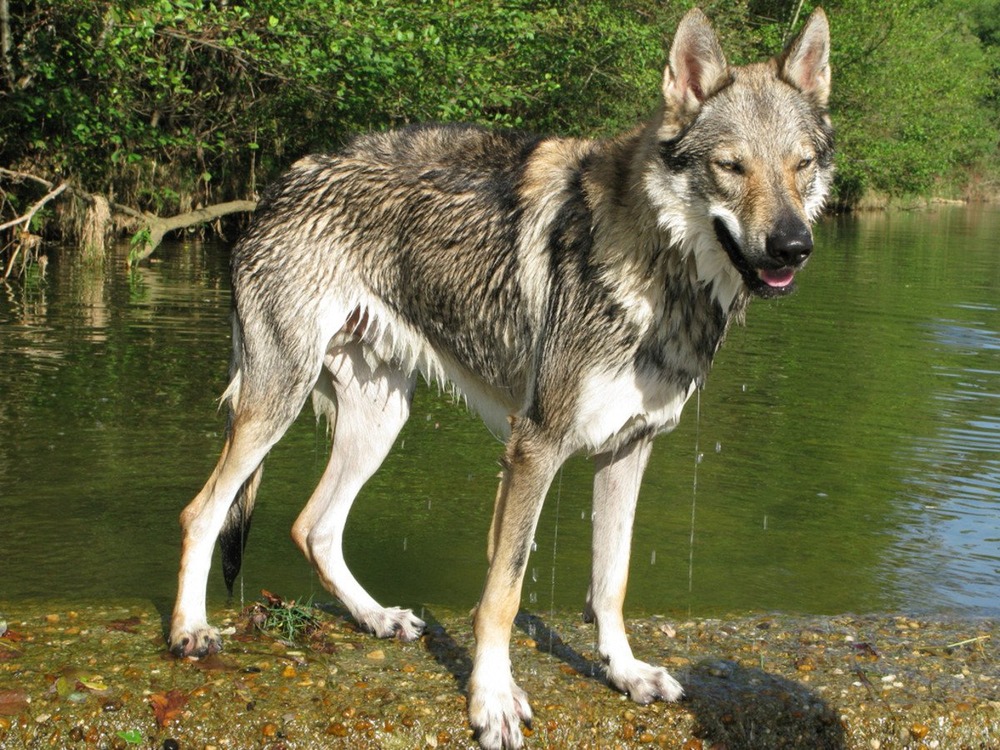
El Hierro is small, steep, and historically shaped by herding and small-scale farming. Dogs that could travel distances, think on their feet, and stay attentive around stock were naturally kept and bred on function. Over time, this kind of selection tends to produce dogs with consistent working traits, even if they are not a formally recognised international breed.
The Real Sociedad Canina de España (RSCE) describes the Lobito Herreño as having a primitive, wolf-like appearance and a traditional role as a herding dog, with origins that are not fully clear.2
Modern interest in the type has grown partly because numbers were reportedly low at different points, and local fanciers have worked to preserve and stabilise it. That preservation work is ongoing, which is one reason you may see variable information online about size, coat, and “official” status.1, 4
Temperament, what owners often notice first

Descriptions of the Lobito Herreño commonly emphasise an alert, capable pastoral dog, often reserved with strangers and closely bonded to its handler in a working context.1, 2
In a pet home, that can look like a dog who watches first, then engages. Some settle beautifully with a predictable routine and plenty to do. Others struggle if life is cramped, noisy, or socially intense without a gradual introduction. This is less about “stubbornness” and more about a dog that has been shaped for independent observation and practical decision-making.
If you are considering one (or a similar wolf-like pastoral dog), it helps to assume the basics will matter more than the mystique: consistent handling, enough movement each day, and social experiences that are planned rather than forced.
Training and socialisation, calm structure beats intensity
For dogs with a strong working-dog background, early learning is mainly about building safe patterns. You are teaching the dog how to live in your world: what to do when visitors arrive, how to pass other dogs on lead, how to settle when nothing is happening, and how to recover after excitement.
A good rule is to keep training reward-based and clear. Reward-based methods are supported in veterinary behaviour guidance because they avoid the welfare risks associated with aversive tools, and they are effective for teaching skills and improving behaviour reliability over time.5
Practical focus areas that tend to pay off:
- Stationing and settling: a mat or bed behaviour, so the dog has an “off switch”.
- Lead skills: reinforcement for checking in and walking politely, rather than constant correction.
- Visitor routines: distance at first, then gradual proximity as the dog relaxes.
- Safe socialisation: quality exposures, not just volume, especially during adolescence.
Exercise and enrichment, meeting the dog where it is
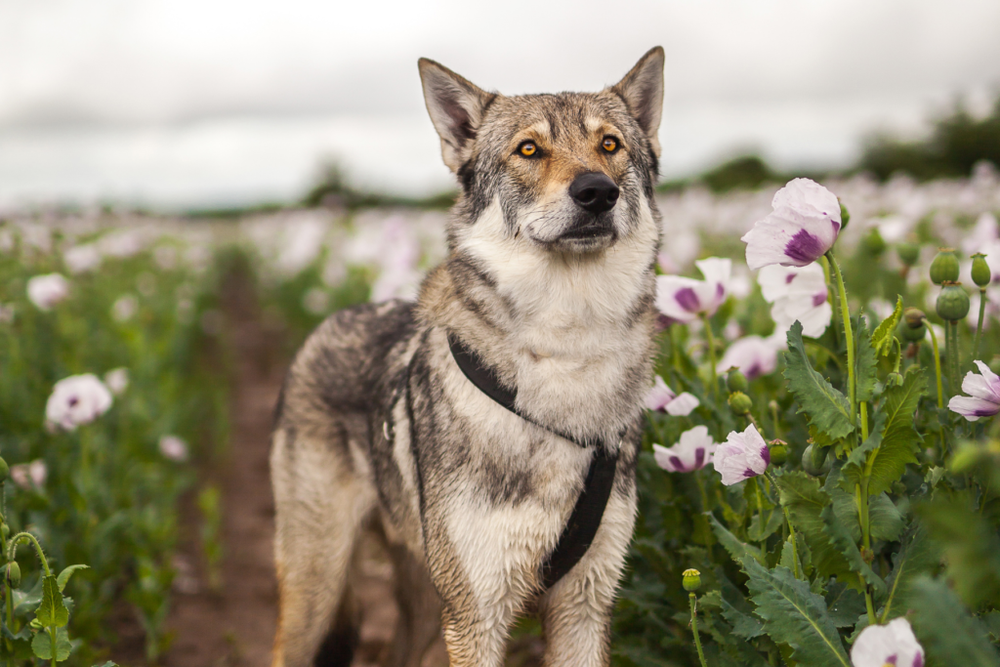
Working types usually need more than a quick walk. They do best when exercise is paired with purpose: sniffing, problem-solving, training games, and varied movement. A tired dog is not always a settled dog, but a dog who has had its needs met tends to make better choices.
Try to think in terms of daily layers:
- Low-intensity movement (long sniffy walks, wandering on a long line where safe).
- Skill work (short sessions of recall, loose-lead walking, body awareness).
- Brain work (scatter feeding, food puzzles, scent games).
If your dog shows reactivity, chasing, or guarding tendencies, structured enrichment often helps more than simply adding intensity. You are aiming for steadiness, not constant adrenaline.
Health considerations, what to watch and what to ask your vet
Because the Lobito Herreño is not widely standardised in the way many kennel club breeds are, good data on breed-specific health risks can be limited. Still, any medium-sized active dog can run into common issues such as orthopaedic wear and tear.
Hip dysplasia is often raised in discussions of active, athletic dogs. If you are buying a puppy, ask what screening is done in the lines and what the breeder can show you. The Orthopedic Foundation for Animals (OFA) outlines how hips are assessed and why weight control and sensible exercise matter for dogs with hip concerns.6
For day-to-day care, keep an eye on:
- Gait changes (stiffness after rest, reluctance to jump, shortened stride).
- Fitness and body condition (lean dogs tend to stay sounder for longer).
- Eyes and skin (any persistent redness, discharge, or itch should be checked).
Coat care, and the less obvious risk of heat
Wolf-like coats are often fairly practical: regular brushing, a bit more during seasonal shedding, and bathing only when needed. The bigger issue for many Australian households is not grooming, but hot weather management.
Even dogs that “look like they belong in cold places” can overheat quickly during warm, humid days or intense exercise. RSPCA guidance on heat stress and heatstroke is worth taking seriously. Watch for signs such as heavy panting and drooling, agitation, weakness, vomiting, or collapse, and seek veterinary help promptly if you suspect heatstroke.7, 8
Simple habits make a real difference:
- Walk early or later in the evening on hot days.
- Provide shade, ventilation, and constant access to cool water.
- Avoid intense ball chasing in heat, which can push arousal and temperature up quickly.
Feeding, keeping it simple and evidence-based
For most active dogs, you are aiming for a diet that supports lean muscle, healthy joints, and consistent energy. There is no single “perfect” plan, but there are reliable ways to make decisions without getting pulled into trends.
The WSAVA Global Nutrition Guidelines encourage routine nutritional assessment and using tools like body condition scoring, which keeps the focus on the dog in front of you rather than the label on the bag.9
If you are unsure where to start, a practical approach is:
- Choose a complete and balanced diet appropriate for your dog’s life stage.
- Adjust portions based on body condition and activity, not just the printed feeding guide.
- Use treats thoughtfully, and count them as part of daily intake.
Living with a Hierran Wolfdog type, who it suits best
These are not ornamental dogs. They tend to suit people who enjoy training, outdoor time, and living with an animal that notices things. A home with space helps, but space alone is not enough if the dog has little structure or companionship.
They often do best with owners who can provide:
- Predictable routines and calm boundaries.
- Daily outlets for movement and sniffing.
- Thoughtful socialisation that respects the dog’s pace.
If what you want is an easygoing dog who happily greets everyone and is content with minimal exercise, this wolf-like shepherd type may not be the best match. If you like a dog who works with you, and you are willing to do the slow, ordinary work of training, they can be deeply rewarding companions.
References
- Wikipedia: Lobito Herreño
- Real Sociedad Canina de España (RSCE): Lobito Herreño
- Wikipedia (ES): Perro lobo (wolfdog hybrids)
- Hogarmania: Perro lobo herreño
- American Veterinary Society of Animal Behavior (AVSAB): Position Statements and Handouts
- Orthopedic Foundation for Animals (OFA): Hip Dysplasia
- RSPCA Australia: Warm weather worries, protect pets from heatstroke
- RSPCA NSW: Heat stress
- WSAVA: Global Nutrition Guidelines