

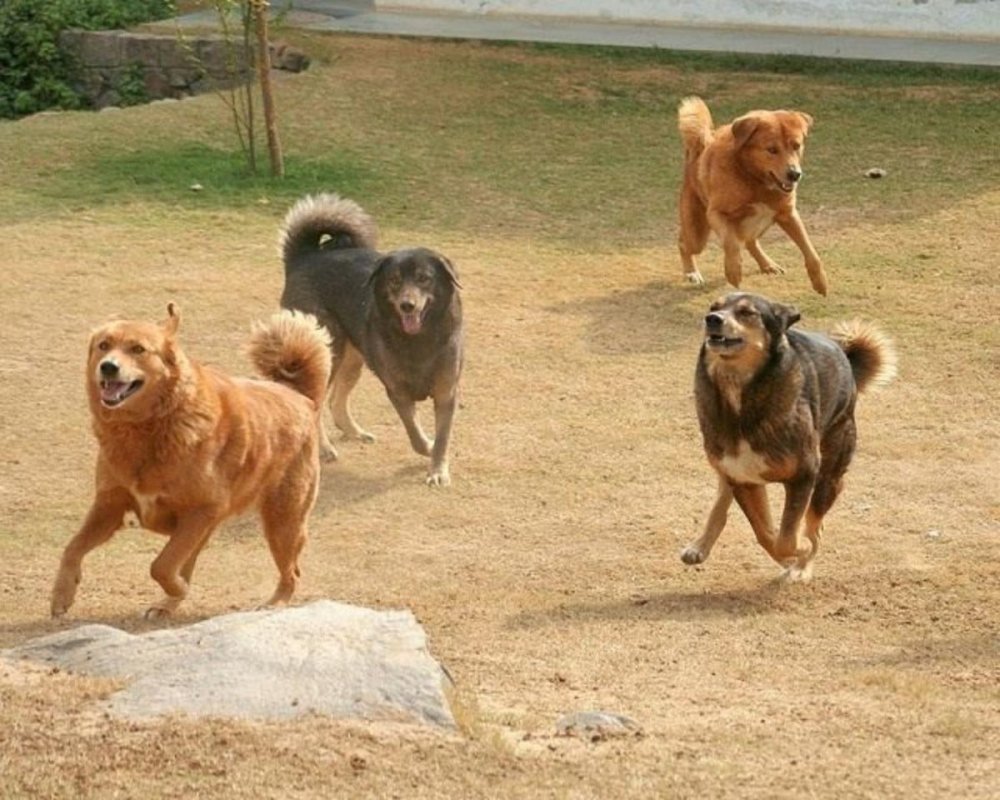
You usually come across the Himalayan Sheepdog by accident. A photo online of a big, shaggy mountain dog. A passing mention from someone who has travelled in Nepal. Or a shelter listing that says “Bhote Kukur” and leaves you wondering if it is a mastiff, a shepherd, or something else entirely.
Part of the confusion is that “Himalayan Sheepdog” is used loosely in English for several high-altitude working dogs. In Nepal, the name most often points to the Bhote Kukur, a livestock guardian type shaped by cold weather, steep country, and the daily reality of protecting animals far from fences and streetlights.1
If you are considering living with one, or you are simply trying to understand what you are seeing, it helps to start where the breed starts: not as a pet project, but as a practical dog with a job. That background explains the coat, the independence, and the way these dogs tend to watch first and decide later.
At a glance: Himalayan Sheepdog (Bhote Kukur)
Because the breed is not widely standardised internationally, measurements vary between sources. Still, most descriptions land in the same general range, and the day-to-day care needs follow the same pattern.
- Type: livestock guardian, sometimes also used alongside herding work1
- Origin: Himalayan regions, commonly described as Nepal (with related regional types across nearby areas)1
- Size: large, solidly built, with substantial bone and coat (heights and weights vary by region and line)1
- Coat: long, harsh double coat, built for cold conditions1
- Life expectancy: often described around 10 to 12 years, sometimes longer with consistent care4
Where the breed comes from, and why it matters
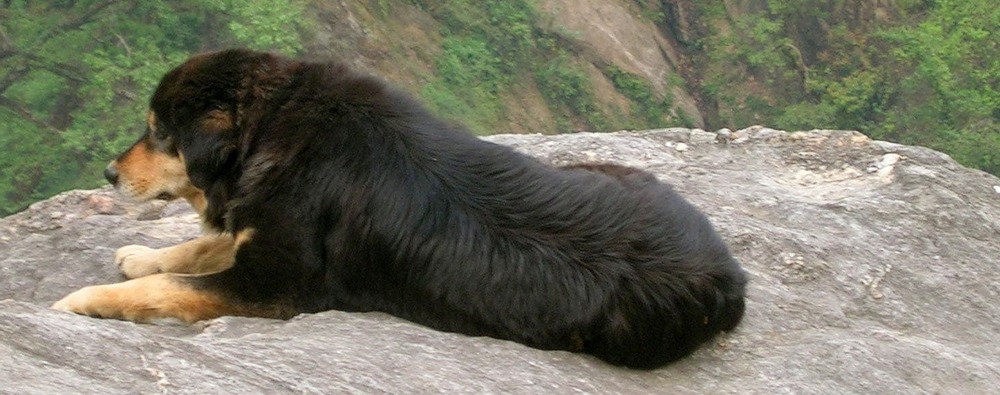
The Himalayan Sheepdog is most often described as a Nepalese livestock guardian dog, known by names such as Bhote Kukur and sometimes “Himalayan mastiff” in older or informal writing.1 In practice, this points to a working dog shaped by local needs rather than a single, tightly controlled show standard.
Livestock guardian dogs are not “herding dogs with extra guarding”. Their job is to live with animals, notice what does not belong, and respond in a way that discourages trouble. That tends to produce a dog that is steady, self-directed, and comfortable making decisions without constant human prompting.7
In 2025, reporting in the region noted International Kennel Club recognition for Bhote Kukur, reflecting a growing interest in documenting and preserving local types as traditional lifestyles shift.2 Recognition does not automatically mean the breed is common or consistent, it simply means more people are trying to write down what “true to type” looks like.
Temperament: loyal, watchful, and not in a hurry to agree with you
People often describe these dogs as loyal and protective, and that is broadly fair. More useful, though, is understanding how that shows up in a home. Many livestock guardians are naturally reserved with strangers and tend to take their time assessing new people, new dogs, and new situations.7
This is where expectations can get tangled. A Himalayan Sheepdog may not be demonstrative, and it may not be immediately social in the way a gundog might be. That does not mean it is “unfriendly”, it can simply be doing what it was built to do: observe, hold ground, and respond if needed.
If you want an easygoing dog that welcomes every visitor and happily hands over the front gate, this may not be your match. If you value a dog that is calm under pressure, is naturally vigilant, and bonds strongly with its own people, the fit can be very good, provided you can manage the size and the responsibilities that come with it.
Training and socialisation: start early, stay fair, keep it real
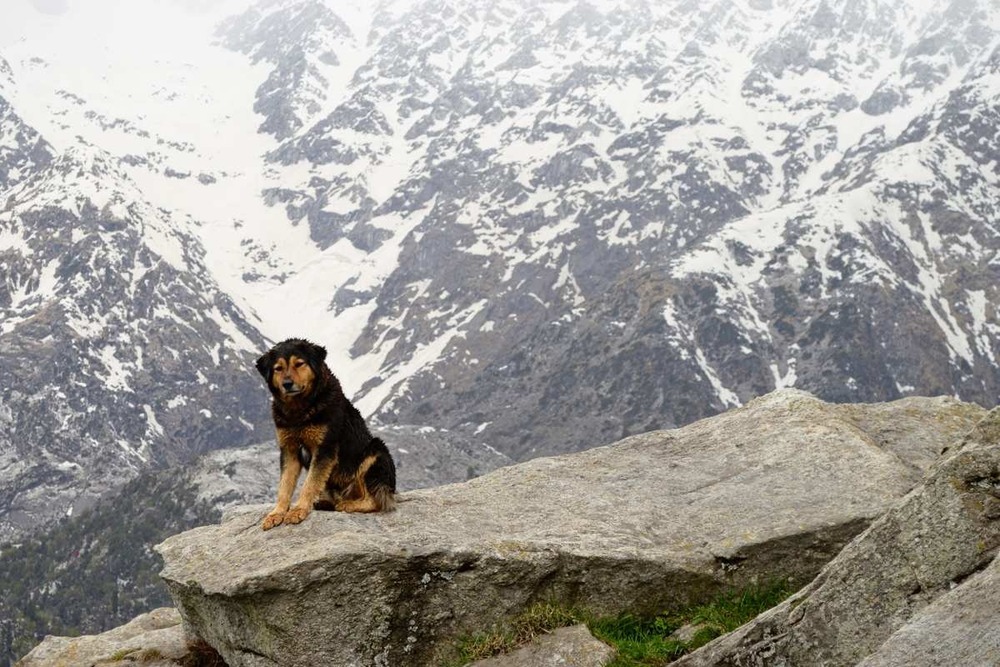
With independent working dogs, training is less about “winning” and more about building a habit of cooperation. Clear boundaries, predictable routines, and reward-based training tend to produce better long-term behaviour than confrontation or heavy-handed corrections.5
Socialisation is not forcing a puppy to endure every possible interaction. It is gradual, positive exposure that helps the dog stay composed around the ordinary things of modern life: visitors, kids on bikes, the sound of traffic, vet handling, and unfamiliar dogs at a sensible distance.3, 4
If you are raising a puppy, the commonly cited critical socialisation window is roughly 3 to 17 weeks, which is a short time in a dog’s life but a meaningful one for shaping future responses.4 Many owners find puppy preschool helpful, as long as it is well managed, clean, and focused on calm learning rather than chaotic play.3
Exercise and daily life: more than steps on a pedometer
These are athletic, capable dogs, but their needs are not always met by endless high-speed activity. Many livestock guardians do best with steady daily movement, plus a sense of purpose and a predictable “patch” to monitor.
A useful way to think about it is: give them structured exercise (walking, hiking, calm off-lead time where safe), and also give them practice being settled. A dog that is constantly “amped up” can become harder to live with, and large breeds that overdo impact exercise can pay for it later in joints and soft tissue.
If you live in suburbia, you will also need a plan for boundaries. A guardian breed that can see and hear everything will often feel responsible for everything. Good fencing, calm training around the front of the property, and thoughtful visitor routines make a bigger difference than trying to train the instinct out of them.
Health and lifespan: what owners should watch for
Large, deep-chested working dogs are often hardy, but “hardy” is not the same as “bulletproof”. Hip dysplasia is a common concern across many large breeds, and signs can be subtle at first: stiffness after rest, reluctance to jump, changes in gait, or a general reduction in free movement.8, 9
It is also worth knowing that X-ray changes and pain do not always match neatly. Some dogs look uncomfortable with mild changes, and others cope surprisingly well despite significant arthritis on imaging. That is one reason vets focus so much on function, comfort, and weight management rather than a single number on a report.9
If you are sourcing a puppy, ask what the breeder does to reduce risk in their lines, including any hip screening. If you already have an adult dog, talk with your vet early if you notice movement changes. Early management can preserve comfort and mobility for years.
Coat care and grooming: thick coat, practical routine
A double coat built for cold mountain weather tends to shed, sometimes heavily, often seasonally. Regular brushing helps prevent matting, keeps skin healthier, and makes shedding more manageable inside the house.
Bathing is usually best kept as needed rather than frequent. Over-bathing can dry the skin and strip natural oils, which is especially unhelpful for dogs whose coats are designed to protect them from harsh conditions.6
Practical basics that make life easier include:
- Brushing a few times a week, and more during coat blow.
- Regular checks of ears, feet, and nails, especially if the dog spends time on rough ground.
- Getting the dog comfortable with handling early, so grooming and vet checks are low-stress.4
Feeding and body condition: fuel the dog you have
Himalayan Sheepdogs are typically described as active, large dogs. That combination makes nutrition and body condition a long-term health issue, not just a cosmetic one. Extra weight increases load on joints, and rapid growth in young large-breed dogs can complicate orthopaedic development.10
A helpful approach is to feed for lean condition and adjust based on season, workload, and age. Your vet can help you choose an appropriate diet and use body condition scoring to keep changes honest. The World Small Animal Veterinary Association (WSAVA) also encourages routine nutritional assessment as part of everyday veterinary care, not something you only do when a problem appears.10
Living with one: who they suit, and who they do not
The best homes for a Himalayan Sheepdog usually have space, secure fencing, and people who are comfortable with a dog that makes decisions. Rural properties make the most obvious sense, but some suburban homes can work if the dog has good boundaries, consistent training, and enough calm activity.
This breed is often described as good with children when properly socialised, but “good” still depends on supervision, teaching kids respectful handling, and managing the dog’s size and protective tendencies around visitors. With other pets, early and ongoing socialisation is important, and introductions should be slow and structured.
Above all, it helps to respect what the dog is. A guardian breed that has been asked for generations to take responsibility will usually do better when we acknowledge that instinct and shape it, rather than pretending it is not there.
References
- Wikipedia: Himalayan Sheepdog
- The Telegraph (India): Sandakphu sheepdog recognised as distinct breed by International Kennel Club
- RSPCA Knowledgebase: How can I socialise my puppy?
- RSPCA Australia: Here’s how to care for your puppy
- RSPCA Australia: Positive reinforcement guidance (training section)
- RSPCA Pet Insurance: Guide to dog cleaning and grooming
- Nepal Traveller: The Himalayan Sheepdog of Nepal, guardian of the herd
- Orthopedic Foundation for Animals (OFA): Hip dysplasia
- American College of Veterinary Surgeons (ACVS): Canine hip dysplasia
- WSAVA: Global Nutrition Guidelines