

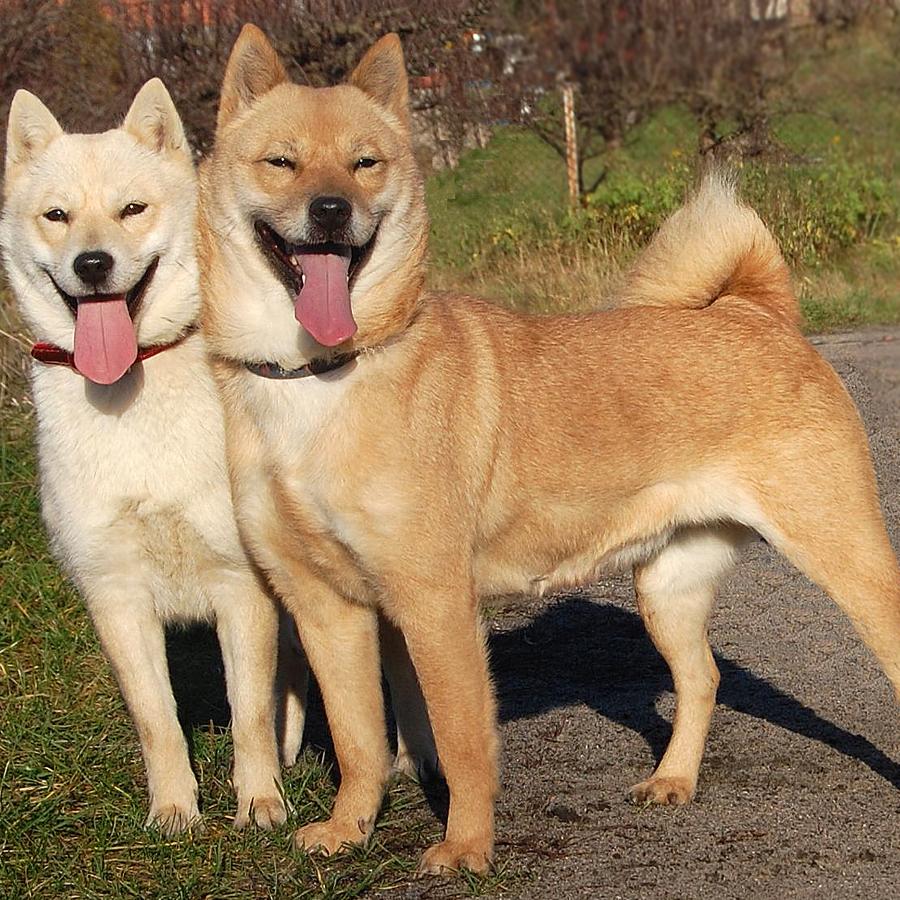
- Breed category: Working dog (spitz type)
- Country of origin: Japan
- Average height: about 45 to 52 cm at the withers (varies by sex and standard)
- Average weight: often around 20 to 30 kg (varies by build and sex)
- Average lifespan: commonly around 11 to 13 years
- Grooming requirements: Moderate, regular brushing needed
- Exercise requirements: High, needs daily exercise and mental work
- Coat type: Double coat, harsh outer coat with dense undercoat
- Coat colours: Red, black, brindle, sesame, white (also black and tan in some standards)
- Shedding level: High, seasonal shedding
- Ear type: Erect, triangular
- Tail type: Curled or sickle over the back
- Temperament: Loyal, alert, intelligent, often reserved with strangers
- Training ease: Moderate, responds best to calm consistency
- Common health concerns: Hip dysplasia and some inherited eye conditions can occur
- Drooling tendency: Low
- Weather tolerance: Built for cold, heat can be harder
- Original purpose: Hunting and guarding
You might come across the Hokkaido after seeing a compact, foxlike dog with a thick coat and a curled tail, then noticing it is not a Shiba Inu at all. Or you might be looking for a hardy, outdoorsy companion and keep hearing the same description repeated, loyal, brave, rare, and “ancient”, without much detail about what that means in an ordinary home.
The Hokkaido is one of Japan’s native spitz breeds, shaped by cold weather, difficult terrain, and the practical needs of people who relied on dogs to work close and think for themselves.1, 3 That background still shows up today, especially in how they move, what they notice, and how they decide whether something is worth engaging with.
They can make steady, deeply bonded companions, but they are not a “fits anywhere” sort of dog. It helps to approach the breed with clear eyes: you are not just choosing a look, you are choosing a temperament that often does best with routine, training that makes sense to the dog, and outlets for energy and curiosity.
Where the Hokkaido comes from, and why it matters
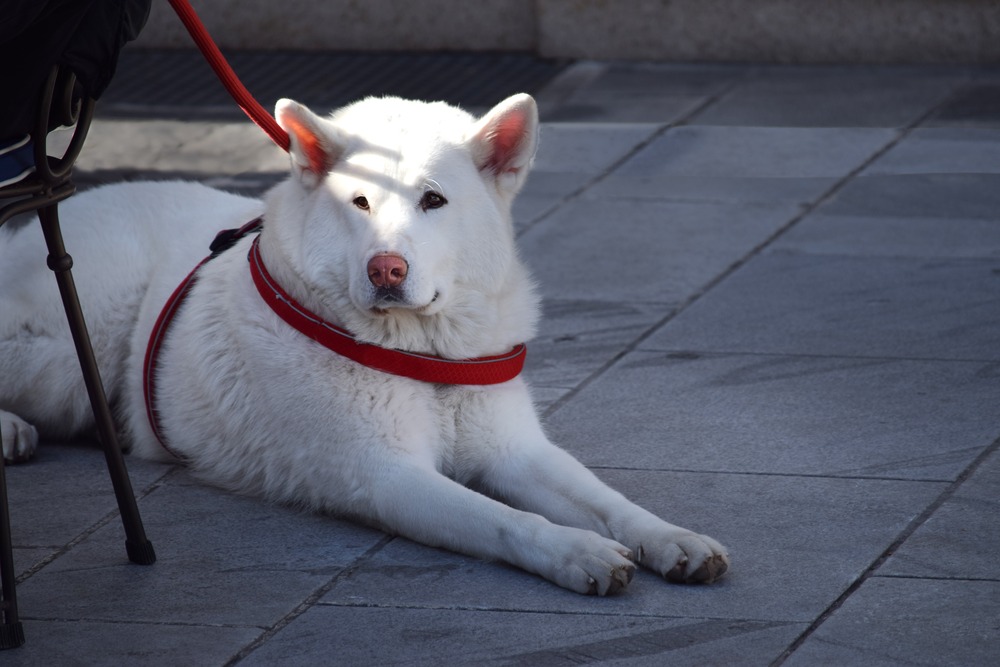
The Hokkaido, sometimes historically referred to as Ainu-ken, is associated with Japan’s northern island and the indigenous Ainu people, who used dogs for demanding hunting work in snow and rugged country.1, 2 Breed histories are often simplified online, but the useful takeaway is practical rather than romantic: this is a dog shaped by hard work and harsh winters.
Japan designated the breed a “natural monument” in 1937, which is one reason it is often described as culturally significant, and also carefully protected as a native type.2 In modern terms, that heritage tends to show up as steadiness, self possession, and a readiness to pay attention to the environment.
Outside Japan, Hokkaido dogs are still uncommon. In the United States, for example, the breed is listed with the American Kennel Club’s Foundation Stock Service rather than being fully recognised in the regular breed groups, which aligns with what owners notice on the ground: you do not see many of them, and finding experienced breed support can take effort.4
Appearance that is built for function
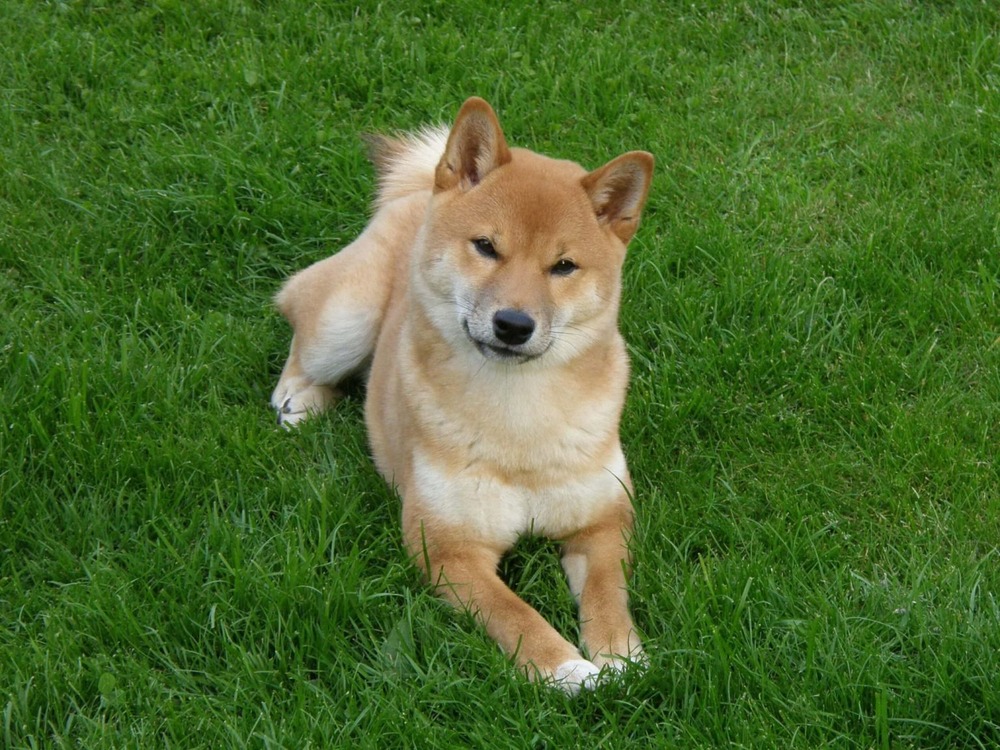
At a glance, the Hokkaido fits the classic spitz outline: upright triangular ears, a dense double coat, and a tail carried curled or in a sickle over the back.3 The coat is not just decorative, it is weatherproofing, with a harsher outer layer and a soft, insulating undercoat.
They are medium sized, athletic, and compact rather than leggy. Depending on the standard you reference, adult height is typically in the mid 40s to low 50s centimetres at the withers, with males generally larger than females.3, 5 Colour can include red, white, black, brindle, and sesame, with some standards also listing black and tan.3
If you live somewhere hot or humid, it is worth pausing on what that coat implies. Many double coated dogs cope well with warmth when managed sensibly, but they can overheat, especially when exercise is intense, the day is still, or the dog cannot choose shade and rest. A Hokkaido often does best when you treat summer as a season for early walks, water access, and quieter midday routines.
Temperament: loyal, observant, and not always social by default
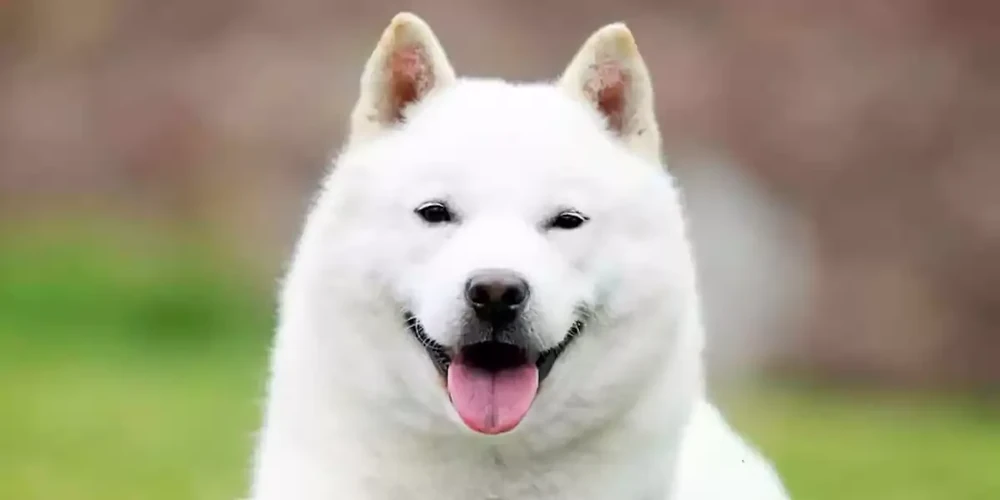
Breed descriptions often use words like loyal, brave, and intelligent, and those can be accurate, as long as they are understood in context.1, 3 Many Hokkaido dogs are closely bonded to their people and naturally alert to what is happening around the home.
What can surprise first time spitz owners is that “loyal” does not necessarily mean instantly friendly. Some Hokkaido dogs are reserved with strangers and can be selective about new dogs. This is not automatically a problem, but it does mean socialisation should be thoughtful, not forced. Aim for steady exposure that allows the dog to observe, retreat, and re engage without pressure. Over time, that tends to build confidence and predictability.
It also helps to be realistic about prey drive. A breed developed for hunting may fixate on moving wildlife, and that can show up as tracking, chasing, and difficulty disengaging. In day to day life, this often translates to management choices: reliable fencing, lead skills, and carefully chosen off lead areas.
Training and exercise that suits how they think
Hokkaido dogs often learn quickly, but they do not always repeat behaviours purely to please a person. Training tends to go best when it is reward based and consistent, with clear boundaries and enough repetition to make the behaviour feel worth doing.6
Exercise is not just about kilometres. It is also about giving the dog a job, a puzzle, or a reason to use its senses. As the RSPCA points out, enrichment should be varied and safe, and it can include sniffy walks, play, training, and rotating activities rather than relying on the same toy or the same routine every day.7
- Daily movement (walks, hikes, controlled off lead runs where appropriate)
- Mental work (short training sessions, scent games, food puzzles used sensibly)
- Calm life skills (settle on a mat, handling tolerance, polite greetings)
Because they are alert dogs, some individuals will “announce” changes in the environment. If barking becomes a pattern, it is usually more productive to ask what need is not being met (exercise, predictability, quiet rest, or a learned habit that is being reinforced) than to rely on punishment, which can increase arousal and make the behaviour harder to shift.
Health and preventative care
No breed is perfectly “problem free”, and rare breeds can be tricky because there may be fewer local vets and owners familiar with typical issues. Hip dysplasia is a concern seen across many medium to large, active dogs, so it is reasonable to ask breeders about hip scoring or equivalent screening, and to keep your dog lean and fit as they mature.
Eye disease is another area where careful breeding and early veterinary attention matters. One serious inherited eye condition seen in some breeds is primary lens luxation, which can be painful and may lead to glaucoma, and it is treated as urgent when it occurs.8, 9 You do not need to assume your dog will develop it, but it is sensible to treat squinting, sudden redness, cloudiness, or obvious eye pain as a same day veterinary issue.
Good preventative care stays simple and consistent: regular vet checks, parasite control appropriate to where you live, dental care, and enough exercise to keep joints and muscles strong. If you are buying a puppy, look for openness about health testing, not just a promise that the line is “healthy”.
Coat care, shedding, and grooming routines
That thick double coat is one of the breed’s defining features, and it brings a predictable reality: shedding. Many owners notice heavy seasonal coat blows, where the undercoat releases in clumps. A weekly brush is often enough in quieter periods, then more frequent brushing when the coat is changing.
Basic grooming is about more than tidiness. Regular brushing removes dead hair and debris, helps you spot skin issues early, and reduces matting in areas that get friction (behind the ears, under the collar, and around the hindquarters). The RSPCA notes that routine grooming is a normal part of dog care, alongside keeping nails and ears in good order.6
Bathing can be occasional rather than frequent. Over washing can dry the skin and coat. When you do bathe, rinse thoroughly, then dry well, especially in cooler weather.
Feeding and keeping the body athletic
Most Hokkaido dogs do best on a balanced, complete diet that supports an active lifestyle. Rather than chasing trendy ingredients, the more useful focus is body condition: you should be able to feel ribs under a light layer of tissue, and see a waist from above. Excess weight quietly increases joint strain and reduces heat tolerance.
Treats are helpful in training, but they add up quickly in a bright, food motivated dog. Using part of the dog’s daily ration for training, or choosing low calorie rewards, can keep progress steady without creeping weight gain.
If you are unsure about portions, your vet can help you set a target weight and adjust feeding in a way that matches your dog’s age, desexing status, and exercise routine.
Living with a Hokkaido: who they suit best
The Hokkaido often suits people who enjoy training and outdoor time, and who like a dog that notices things and stays engaged with its environment. They can do well with children when they are raised with kind handling and supervision, but it is best to avoid expecting endless tolerance from any dog. Teach kids to give space during meals and rest, and to read early signs of discomfort.
With other pets, outcomes vary. Early, well managed introductions help, but prey drive and selectiveness can be real, especially with smaller animals. If you already have cats or small pets, it is worth discussing this honestly with the breeder and planning for slow, structured management in the early months.
Apartment living is not always impossible, but it is rarely effortless. The combination of energy, coat management, and alertness tends to fit best where there is space to move and a routine that includes daily enrichment.
References
- Hokkaido Association of North America (breed background)
- Hokkaido Association of North America (natural monument designation and naming notes)
- Fédération Cynologique Internationale (FCI) breed information: Hokkaido
- Hokkaido Association of North America: kennel club recognition and AKC Foundation Stock Service note
- Hokkaido Association of North America: breed standard summary (heights and proportions)
- RSPCA Pet Insurance: essential dog care information (training, exercise, grooming)
- RSPCA Australia: the importance of enrichment for dogs
- Cornell University College of Veterinary Medicine: primary lens luxation
- Animal Eye Care (Australia): primary lens luxation in the dog