

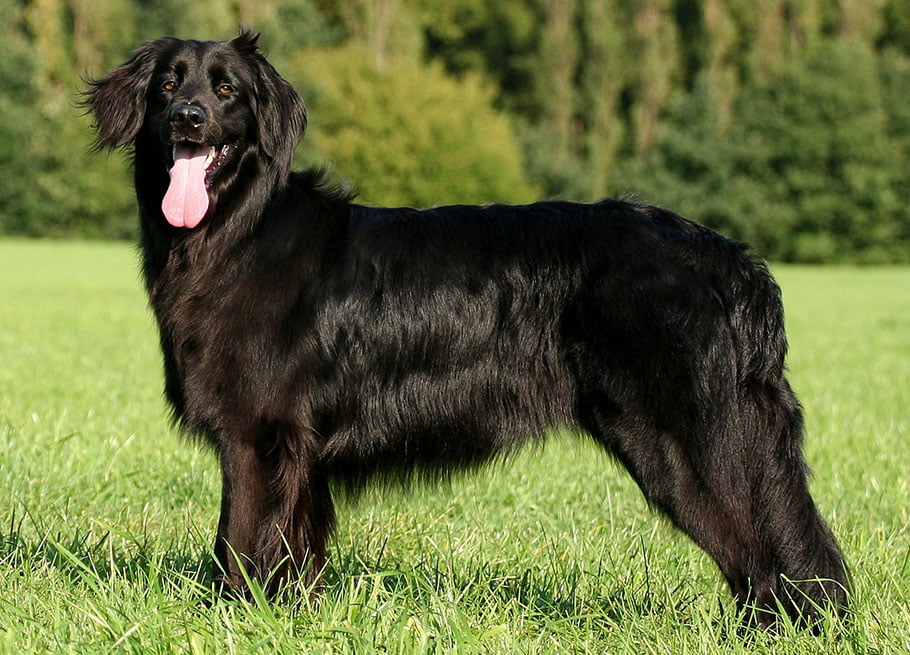
You might first notice a Hovawart in a very ordinary moment: a calm, watchful dog at a training club, or a long-coated youngster who looks friendly enough until someone new steps through the gate and the dog’s whole body quietly shifts into “on duty” mode. People often describe them as loyal and protective, but those words can feel vague until you live with a dog who takes the boundaries of home seriously.
It is also easy to assume that a big, capable working breed will “figure it out” as they grow, especially if they seem steady as pups. With Hovawarts, steadiness is real, but it is shaped by early social learning, consistent handling, and a life that gives them something constructive to do with their brains and bodies.
When the match is right, they can be wonderfully grounded companions: affectionate with their people, sensible in new places, and impressive in training. When the match is off, they can become under-stimulated, overly suspicious, or simply too much dog for the space and routine available. Understanding what sits underneath their reputation makes day-to-day life with one far easier.
- Breed category: Working dog
- Origin: Germany
- Height: Males 63 to 70 cm, females 58 to 65 cm
- Weight: Males 30 to 40 kg, females 25 to 35 kg
- Life expectancy: Around 10 to 14 years
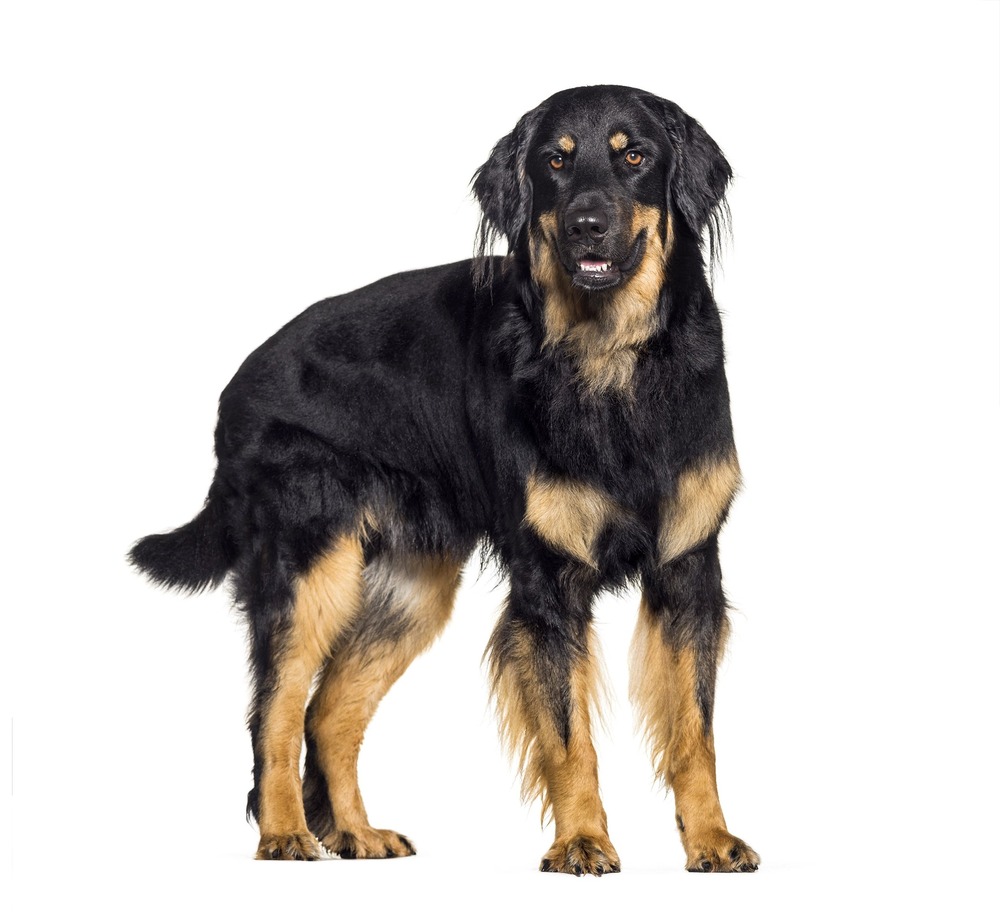
- Coat: Long, dense, weather-resistant
- Colours: Black, blond, black and gold (black-gold)
- Exercise needs: High, daily physical activity plus mental work
- Grooming: Moderate, regular brushing
Where the Hovawart comes from, and why it matters
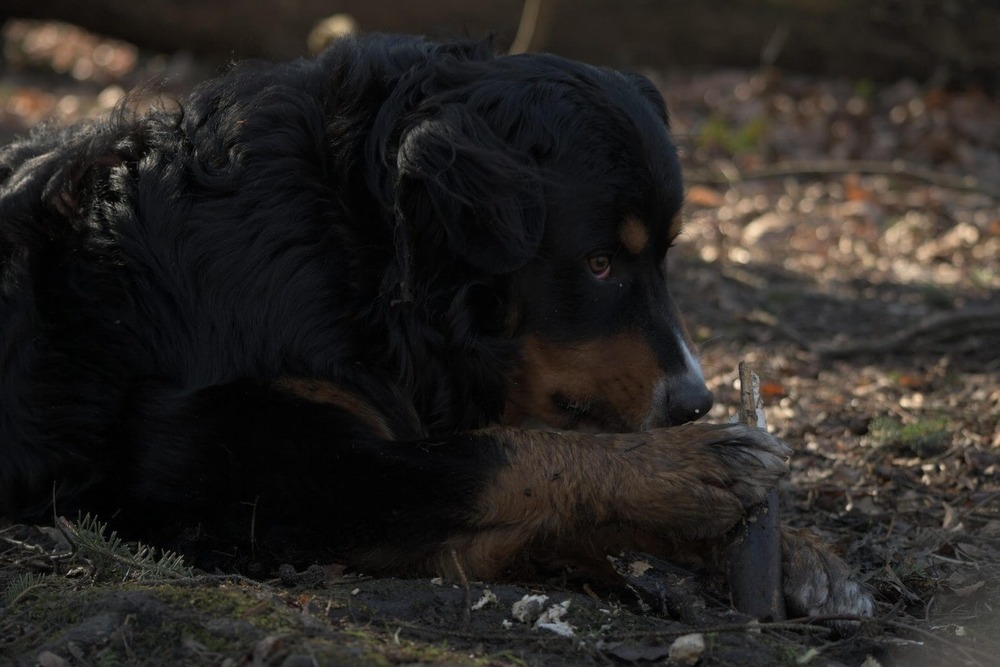
The word “Hovawart” comes from old German terms relating to farm or yard, and a guardian or watchman. That origin story is not just trivia, it helps explain why many Hovawarts naturally keep an eye on entrances, visitors, fences, and anything unusual in their environment.1
Modern breeding of the Hovawart was rebuilt from 1922 using farm-type dogs, with some outcrossing accepted early on. The breed gained formal recognition in Germany in 1937, and later achieved international recognition through the FCI. These dates matter because the Hovawart you meet today is the product of deliberate selection for a versatile working temperament, not simply a “big family pet” type.2, 3
In practical terms, many Hovawarts cope best when their guarding instincts are channelled into training, routine, and clear boundaries, rather than being constantly tested by unpredictable comings and goings.
Temperament, behaviour, and the feel of living with one
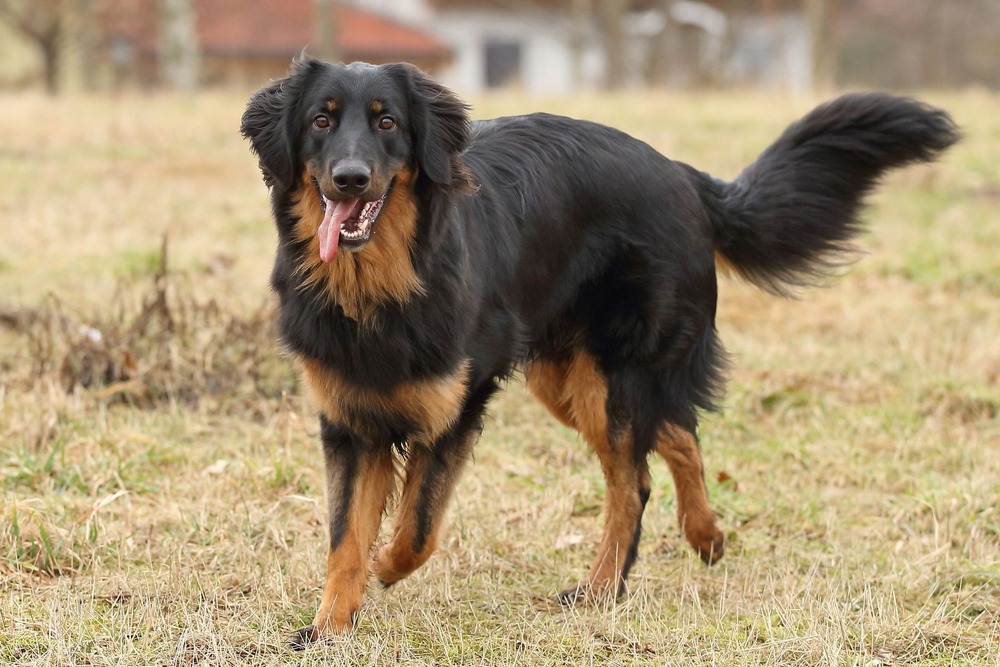
Well-bred Hovawarts are typically described as balanced, good-natured, self-assured, and strongly attached to their family. You often see a dog who can settle quietly, then switch on quickly when asked to work. That “switch” is one of the breed’s strengths, but it still needs shaping.1, 2
They can be reserved with strangers. This does not automatically mean “aggressive”, but it does mean many Hovawarts need time and structure around greetings. For households that love a dog who enjoys every pat from every passer-by, a Hovawart may feel puzzling. For households that value a dog who is polite but discerning, it can feel like a relief.
It helps to think in terms of guarding as a behaviour, not a personality badge. If a young dog practises alerting at the fence all day, the behaviour becomes stronger. If the dog practises checking in with you, moving to a mat, and being rewarded for calm, those habits strengthen instead.
Hovawarts with children, visitors, and other pets
Many Hovawarts live happily with children, especially when the dog is raised alongside them and the household is consistent. The usual large-dog rules still apply: supervise interactions, teach children how to give the dog space, and avoid rough games that encourage body-checking or grabbing at the coat.
With visitors, a helpful approach is to aim for neutral, routine greetings. Instead of asking the dog to “be friendly”, you are teaching them what to do: go to place, take a chew, or sit behind a gate while people come in. The goal is not to remove the dog’s instincts, it is to give them a predictable job.
With other pets, early socialisation and sensible management matter more than optimism. Some Hovawarts are very social with other dogs, others are selective, and many do best with steady canine companions rather than chaotic dog-park style interactions. If you have cats or small animals, take introductions slowly and plan for ongoing boundaries.
Training that suits a thoughtful working breed
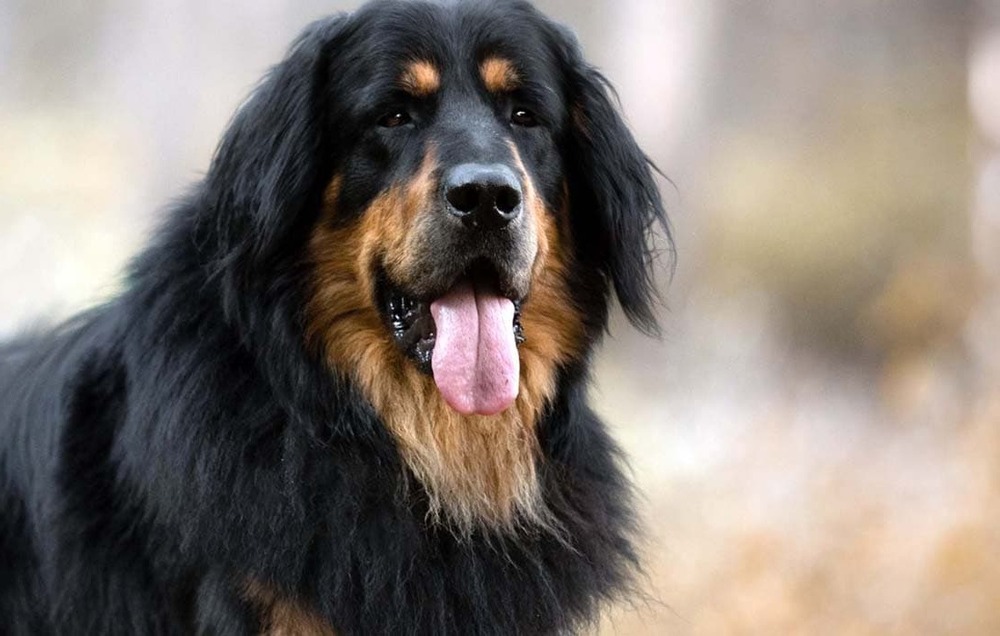
Hovawarts tend to learn quickly, but they do not always respond well to drilling or heavy-handed corrections. The most reliable results usually come from short sessions, clear reinforcement, and training that feels relevant: loose-lead walking that gets you to interesting places, a recall that leads to freedom, a settle that leads to peace.
A good early focus is on behaviours that make adult life easier:
- Calm on a mat while the household moves around
- Comfort with handling, grooming, and vet-style checks
- Neutral exposure to people, dogs, and environments, without forcing interaction
- Impulse control around doors, gates, and the car
If you are considering protection sport or guard-style training, it is worth seeking breed-experienced guidance. Building confidence and control should come first, otherwise you can accidentally strengthen the very behaviours you later struggle to manage.
Exercise and enrichment, beyond “a big walk”
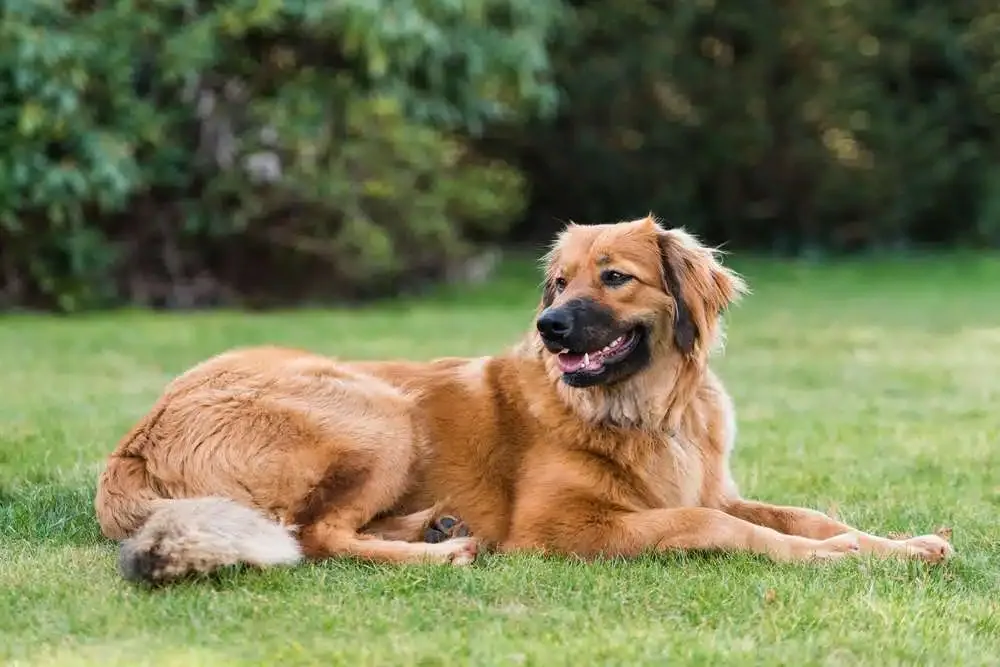
Hovawarts are active, athletic dogs, but physical exercise alone rarely gives you the settled, easy companion people hope for. Many need a mix of movement and thinking work, especially during adolescence.
Useful options include scent work, tracking games, obedience foundations, hiking on a long line, and structured tug and retrieve with rules. In day-to-day life, simple enrichment counts too: scatter feeding in the yard, rotating chews, or short training games before guests arrive.
Because they carry a long, dense coat, many Hovawarts cope better with cold than heat. In Australian summers, plan exercise for early morning or evening, provide shade and water, and learn the signs of heat stress. Thick-coated dogs can overheat quickly when they are asked to keep going.6, 7
Health considerations, and what owners can do early
No breed is “health-proof”, and it helps to approach a Hovawart with the same quiet practicality you would bring to any large dog. Two issues that are commonly discussed are hip dysplasia and hypothyroidism.
Hip dysplasia is a developmental condition of the hip joint that can contribute to arthritis and pain. Signs can include lameness, reluctance to jump, trouble rising, and changes in muscle over the back end. Keeping a young dog lean, avoiding excessive growth from overfeeding, and choosing breeders who screen hips are sensible steps in risk reduction.2, 8
Hypothyroidism in dogs can present with vague signs such as lethargy, weight gain without increased appetite, and coat or skin changes. Because these signs overlap with many other problems, diagnosis relies on veterinary testing rather than guesswork.9
If you are buying a puppy, ask what health screening is done in the lines, and what the breeder does with results. If you are adopting an adult, ask your vet about a baseline check, weight plan, and joint-friendly conditioning.
Coat care, grooming, and the small routines that add up
The Hovawart coat is designed for weather and work: long, dense, and protective. In a pet home, that translates to regular brushing, particularly behind the ears, under the collar area, and through the feathering on legs and tail.
A weekly brush is enough for many dogs most of the year, with more frequent sessions when shedding picks up. Grooming is also a chance to quietly notice changes: new lumps, sore spots, ear redness, or nails getting too long. For a breed that can be reserved, making handling feel normal is part of everyday training.
Is a Hovawart a good fit for your life?
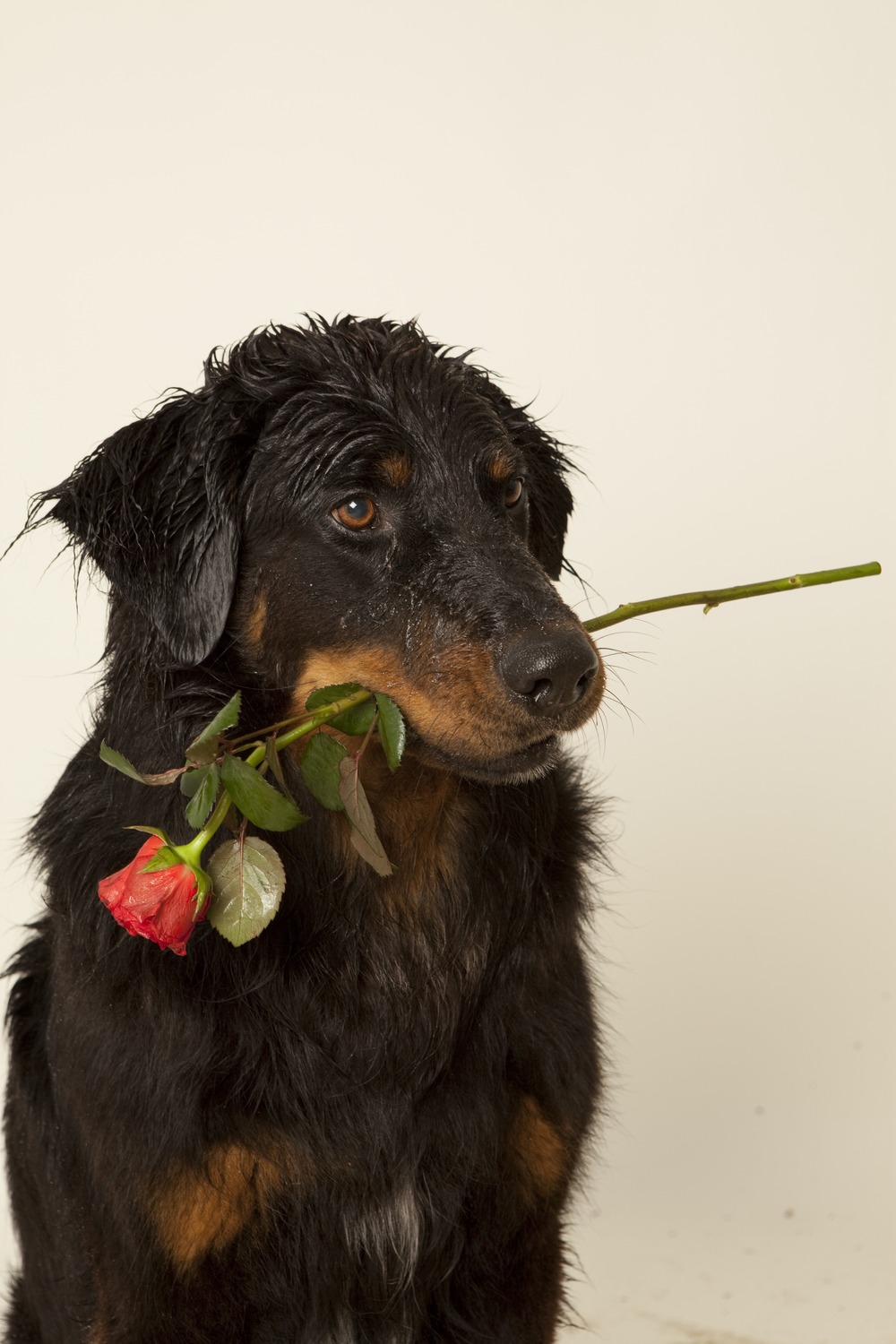
A Hovawart often suits people who enjoy training, like a dog with presence, and can offer daily structure and meaningful exercise. Space helps, but it is not only about land size. A dog with a large yard and no plan can become louder and busier than a dog in a smaller space with routines, enrichment, and clear boundaries.
They are not the easiest “set and forget” breed, particularly through adolescence. But for the right household, the reward is a dog who is capable, deeply connected to their people, and quietly impressive in the way they move through the world.
References
- Fédération Cynologique Internationale (FCI): Hovawart (Breed No. 190)
- Internationale Hovawart Föderation (IHF): Breed Standard (FCI No. 190)
- Internationale Hovawart Föderation (IHF): The Breed (history and overview)
- Hovawart Club of America: New FCI Standard (English translation and notes)
- Royal Canin Australia: Hovawart breed overview
- RSPCA Australia: Warm weather worries, protect pets from heatstroke
- RSPCA Pet Insurance: Heatstroke (hyperthermia) guide for dogs
- American College of Veterinary Surgeons (ACVS): Canine hip dysplasia
- Merck Veterinary Manual (Dog Owners): Disorders of the thyroid gland in dogs