

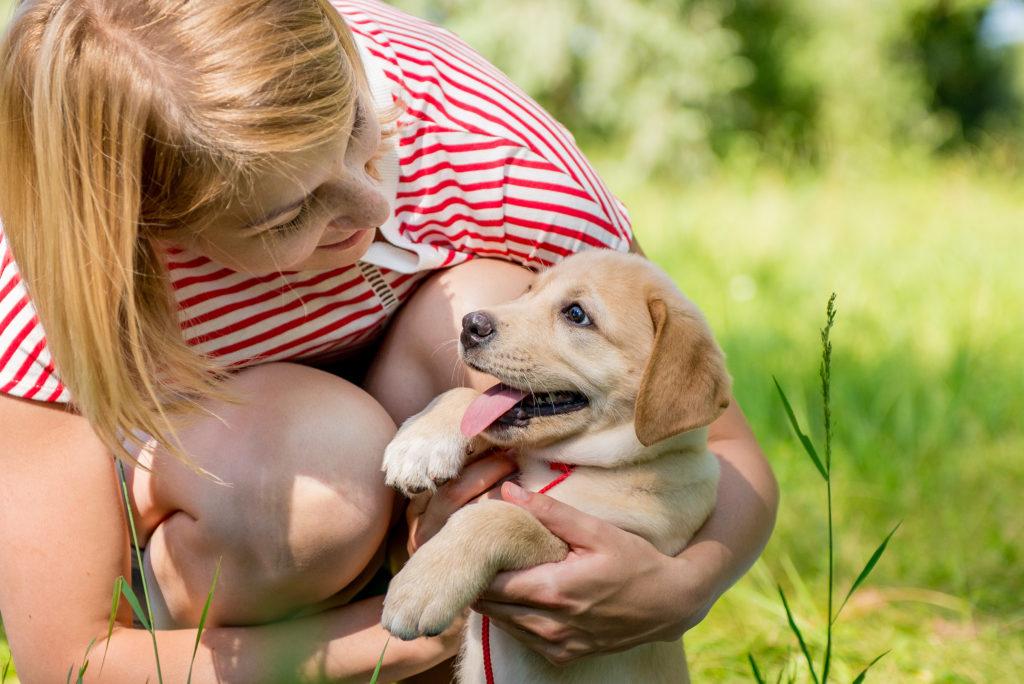
You do not have to spend long around dogs in Australia to notice the little pressure points. A dog that barks for hours when someone leaves for work. A young dog that bowls over visitors, not out of malice, but because nobody has shown them another way to greet. A lead that is mostly decorative, until it matters.
Most people who share their home with a dog are doing their best. The tricky bit is that “responsible” is not only about love and good intentions. It is the everyday choices that keep a dog safe, help them cope with modern life, and make it easier for neighbours, visitors, and other animals to relax around them.
Done well, responsible dog ownership feels quietly practical. It looks like routines a dog can predict, training that helps them understand what works, and health care that prevents small problems becoming expensive ones. It also looks like reading the room, because what is fine in your backyard can become a nuisance, or a risk, outside your fence.
Choosing the right dog for your life
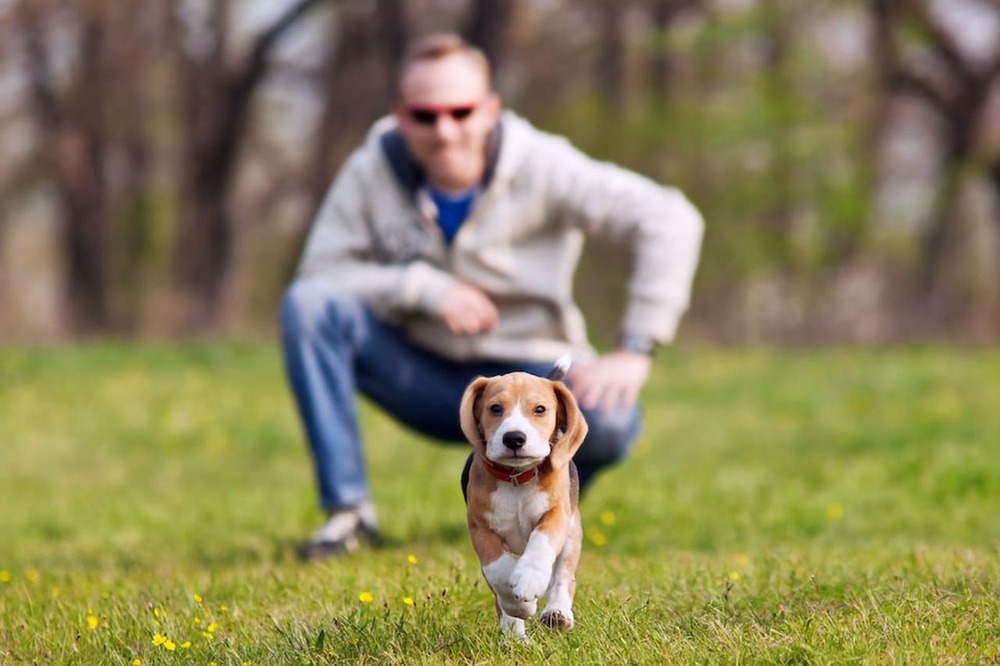
Breed can shape temperament and needs, but it is not a guarantee. Individual dogs vary, and early experience matters a great deal. Still, it helps to begin with a clear-eyed match between your household and the kind of dog you are bringing in.
Think in terms of the dog’s day, not only yours. A working breed with high drive may struggle if they spend long hours alone without a job to do. A giant breed might be calm indoors, but harder to lift, transport, or manage if they are injured. A small, companion-focused dog might cope well in an apartment, but still needs training, enrichment, and safe social exposure.
Useful questions to ask before you choose:
- How many hours will the dog be alone on a typical weekday?
- What kind of exercise do you realistically enjoy providing, in all weather?
- How much grooming can you keep up with, week after week?
- Are there children, cats, visiting dogs, or livestock to consider?
- Do you have the budget for ongoing care, plus emergencies?
If you are adopting, ask the rehoming group about the dog’s history and what support they offer after adoption. If you are buying from a breeder, look for transparency about health testing, early socialisation, and a willingness to take the dog back if things do not work out.
Preparing your home (and your routines)
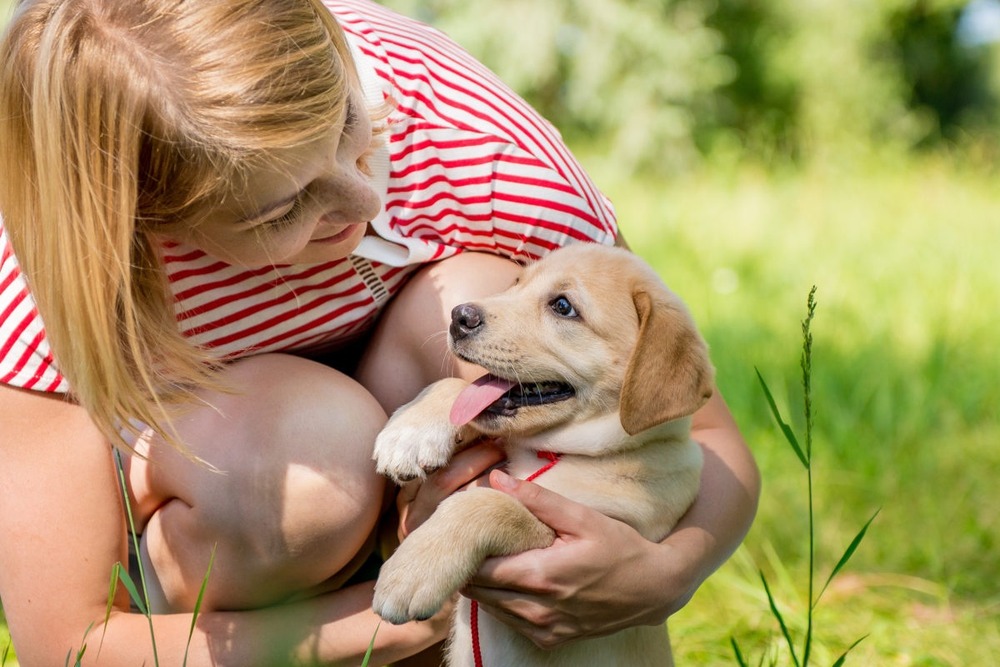
Dogs settle faster when the environment is predictable. A safe, calm setup matters more than fancy gear, especially in the first few weeks when everything is new.
Walk through your home at dog height. Secure loose cords, put medications and toxins well out of reach, and think about barriers. A baby gate can prevent rehearsing unwanted habits such as door-dashing, jumping on guests, or harassing a resident cat.
Set up a “yes space” where your dog can rest and decompress. This might be a crate (introduced gradually and positively), a pen, or a quiet corner with a bed. The point is not confinement for its own sake. It is giving your dog a place where nothing is expected of them.
It also helps to decide your household rules early, then keep them consistent. If one person allows couch access and another does not, you often end up with a confused dog and escalating frustration on both sides.
Training and socialisation that actually holds up
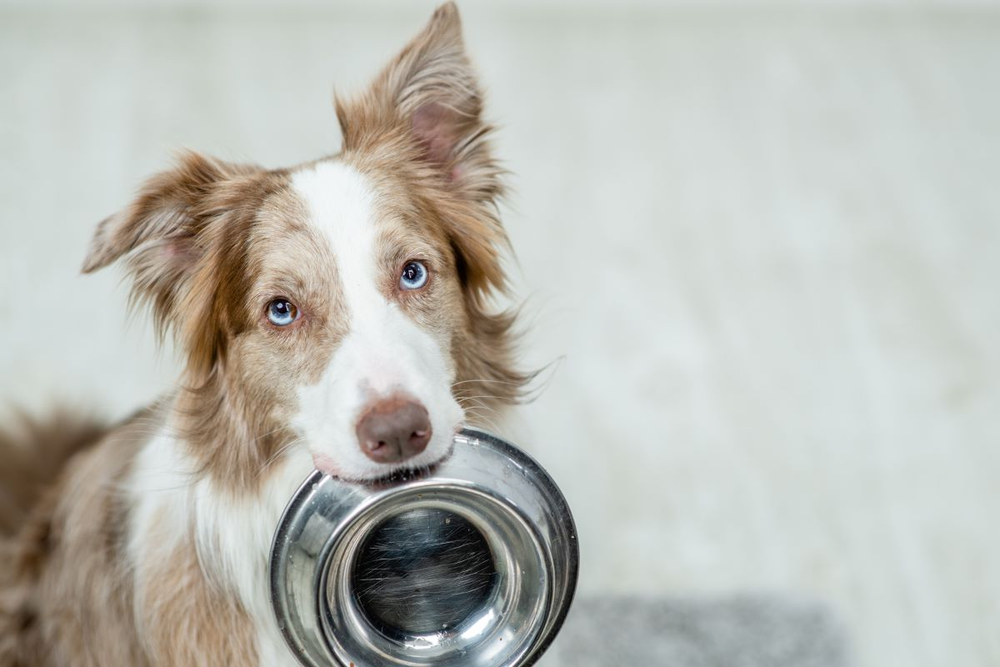
Training is not a performance. It is communication that keeps your dog safe and makes daily life easier. Most behaviour problems are not “stubbornness” so much as habits that have been rewarded, or stress responses that have not been understood yet.
Reward-based training is widely supported by modern behaviour science and veterinary behaviour organisations. It focuses on reinforcing the behaviours you want to see more often, while managing the environment so the dog is not constantly rehearsing the behaviours you do not want.1, 2
Socialisation is often misunderstood as “meet everyone”. For many dogs, good socialisation means learning that the world is not threatening, and that they can stay calm and take guidance from you. That can include watching other dogs at a distance, practising gentle handling, hearing household noises, and learning to settle while life happens.
Keep training practical. Work on the skills you will use:
- Reliable recall and lead walking basics (especially around distractions)
- Settle on a mat, or relax behind a gate when visitors arrive
- Comfort with being touched (paws, ears, mouth) for grooming and vet care
- Safe greetings, with four paws on the ground
If you are stuck, get help early from a qualified trainer who uses reward-based methods, or ask your vet to refer you to a veterinary behaviourist for more complex issues such as aggression, intense fear, or separation-related distress.
Health care, vaccination, and prevention
Many dogs hide discomfort until it is advanced. Routine check-ups are not only for “when something is wrong”. They are for catching changes in weight, skin, teeth, joints, or behaviour before they become chronic problems.
Vaccination needs vary by region, lifestyle, and risk, so follow your vet’s advice. In Australia, core vaccines typically protect against canine parvovirus, distemper, and infectious hepatitis (adenovirus). Many dogs also receive kennel cough protection (often referred to as C5) depending on their exposure to other dogs, boarding, grooming, or group training environments.3
Parasite prevention also depends on where you live and what your dog does. Fleas, ticks, intestinal worms, and heartworm (in many regions) are easier to prevent than to treat. Your vet can tailor a plan to your area and your dog’s habits.
Nutrition and weight, the quiet foundation
Food is one of the most personal parts of dog care, and it can also be the most confusing. Marketing is loud. A dog’s body is quieter, but more honest, over time.
A good diet is one your dog can digest well, that supports a healthy body condition, and that fits their life stage and activity level. Puppies, adults, and seniors do not need the same balance. Neither do a weekend bushwalker and a dog who mostly does suburban strolls.
Ask your vet to show you how to assess body condition and to track weight trends. Small gains are easy to miss until a dog is carrying a lot of extra load through their joints and organs. The World Small Animal Veterinary Association (WSAVA) provides guidance on nutrition and keeping pets at a healthy weight.4
One practical tip that helps many households: treat calories count. If you train with food (which is often effective), take that out of the daily ration, rather than adding on top.
Exercise and mental stimulation (without overdoing it)
Most dogs need more than a quick lap around the block. They also need the right kind of activity. Some dogs do best with steady sniff-walks and training games. Others need more vigorous exercise, but still benefit from time to decompress afterwards.
Mental stimulation is often the missing piece, especially for adolescent dogs. A short training session, a food puzzle, or a scatter-feed in the grass can take the edge off in a way that a fast walk sometimes does not.
On the other hand, more exercise is not always the answer. If a dog is anxious, over-aroused, or under-slept, piling on stimulation can make things harder. Look for balance: movement, rest, and predictable routines.
Grooming and hygiene as preventive care
Grooming is not only cosmetic. It is how you spot changes early: new lumps, sore patches, ear irritation, parasites, or a subtle limp that only shows up when you are handling the legs.
Build small routines. Brush in short sessions. Handle paws gently. Reward calm cooperation. Over time, many dogs learn that grooming is simply part of life.
Dental care is a common blind spot. Many dogs have dental disease that owners do not notice until there is significant tartar, gum inflammation, or pain. Regular home care, plus vet dental checks, makes a real difference. RSPCA guidance includes tips for safe brushing and why consistency matters.5
Never use human toothpaste for dogs. Use a dog-safe paste recommended by your vet.5
Legal and community responsibilities in Australia
Dog ownership laws vary by state and territory, and sometimes by council, but the themes are consistent: identification, registration, control in public, and preventing nuisance.
If you are in NSW, for example, dogs must be microchipped by 12 weeks of age (or before sale or transfer), and registered on the NSW Pet Registry once microchipped. Dogs (except working dogs) must also wear a collar and tag when away from the owner’s premises.6, 7, 8
It is also worth taking barking seriously, even if it feels like “just what dogs do”. Excessive barking is one of the most common sources of council complaints, and councils can require evidence such as barking logs as part of their process.9
As a general rule, responsible ownership looks like:
- Secure containment so your dog cannot roam.
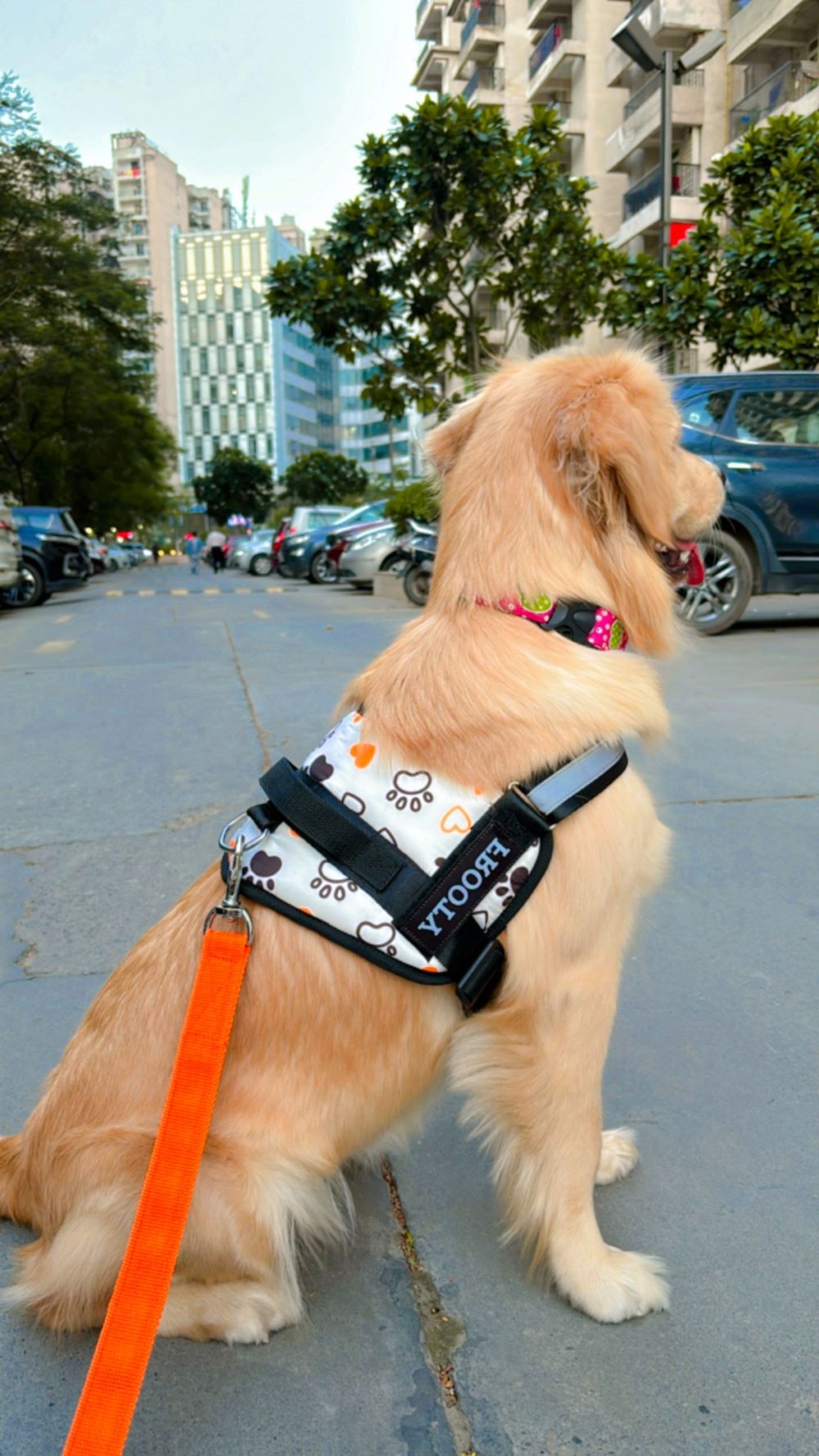
- Using a lead where required, and choosing off-lead areas thoughtfully.
- Picking up after your dog and disposing of waste properly.
- Keeping ID details current, including microchip records and registration.
If you are unsure of your local requirements, start with your state government or local council website. In Queensland, for instance, registration requirements are handled through local councils, with guidance available via the Queensland Government.10
Final thoughts
Responsible dog ownership is mostly quiet work. It is planning ahead, noticing small changes, and setting your dog up to succeed before problems become habits. When dogs are well managed and well understood, they tend to be easier to live with, kinder to themselves, and simpler for the wider community to accept.
If you want a good next step, pick one area that will make daily life smoother, then build it into routine. For many households, that is a short reward-based training practice, a better enrichment plan for alone-time, or a health check that has been put off. Small, consistent choices add up.
References
- American Veterinary Society of Animal Behavior (AVSAB): Position statements and resources (including Humane Dog Training)
- RSPCA Pet Insurance: Positive reinforcement training
- Pet Circle: Puppy vaccination guide (Australia)
- World Small Animal Veterinary Association (WSAVA): Global Nutrition Guidelines
- RSPCA Pet Insurance: Guide to dog dental care
- NSW Office of Local Government: Microchipping (NSW Pet Registry)
- Service NSW: Register your dog or cat in NSW
- NSW Office of Local Government: Get started on the NSW Pet Registry (responsible pet ownership steps)
- NSW Office of Local Government: Nuisance dogs and cats (including barking)
- Queensland Government: Laws for pet owners in Queensland