

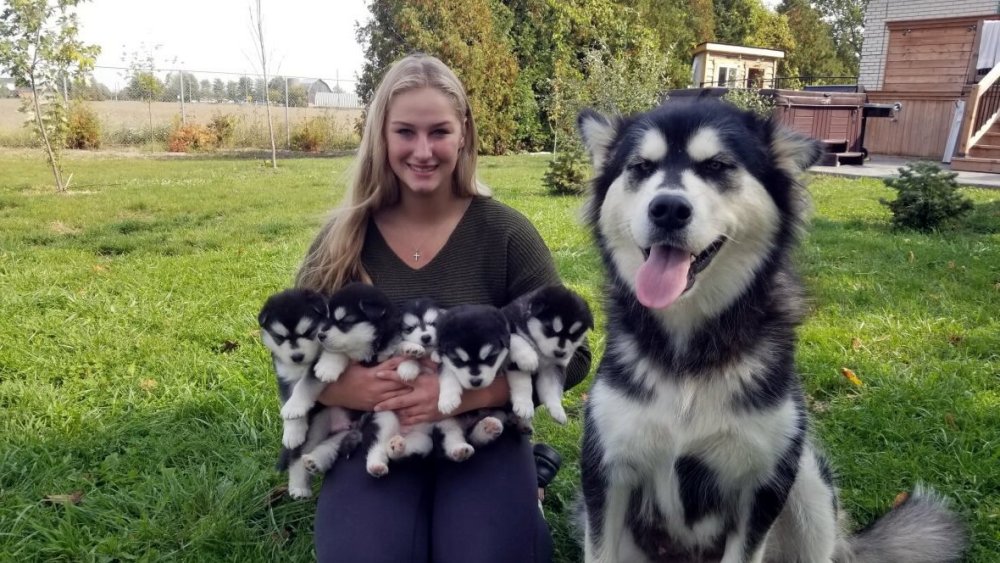
You might start by noticing how many puppies are advertised online, how quickly some sellers want a deposit, or how hard it is to tell what “registered”, “health tested”, or “ethical” really means. For most people, choosing a breeder is not a hobby or a pedigree project. It is a practical decision that shapes what day-to-day life with a dog will look like for the next decade or more.
It is also easy to assume that if a puppy looks bright and the breeder seems friendly, the rest will sort itself out. In practice, the early weeks matter. The way the parents are selected, the health checks that are actually done, and the conditions puppies grow up in can all influence future health, resilience, and how smoothly a young dog settles into ordinary family life.
Good breeders tend to welcome scrutiny. They are not offended by careful questions, and they do not rush you. That mindset, along with clear paperwork and transparent health information, is often what separates a reputable breeder from someone simply producing puppies for sale.
Understanding the role of a dog breeder
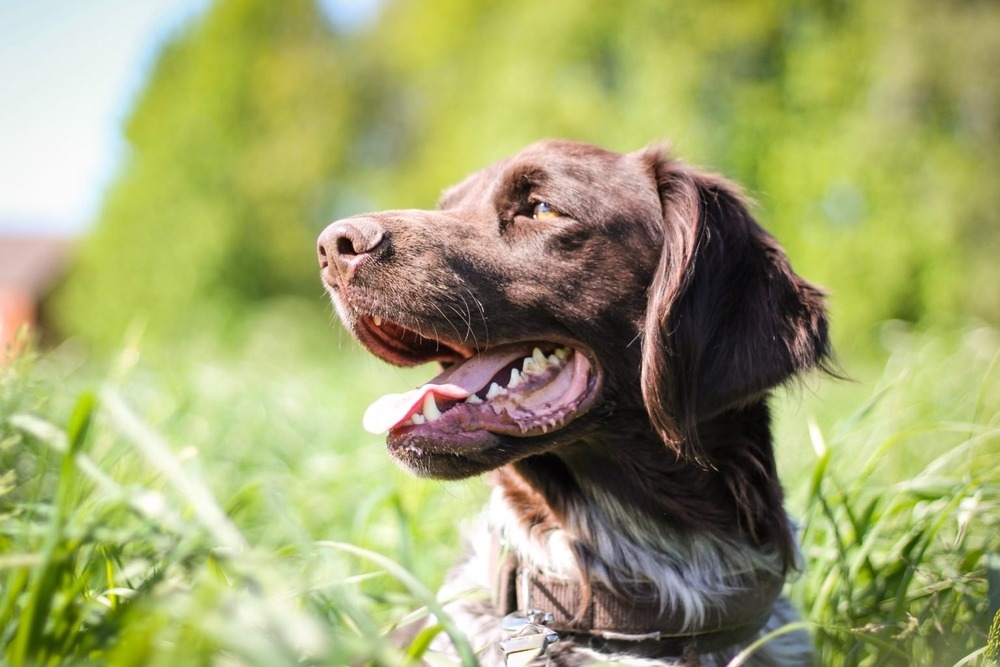
A breeder does more than produce a litter. In the best cases, they are making long-term choices about health, temperament, and welfare, then raising puppies in a way that prepares them for normal homes. That includes appropriate veterinary care, sensible exposure to household life, and honest communication about what the breed is like to live with.
It is worth holding two ideas at once. First, even carefully bred dogs can develop health or behavioural challenges later on. Second, responsible breeding can meaningfully reduce avoidable risk by using health screening, selecting suitable parents, and raising puppies in an environment that meets their developmental needs.
What responsible breeders typically do
Practices vary by breed and state, but reputable breeders commonly:
- Use breed-relevant health testing for their adult dogs, and can explain results in plain language (not just show a logo or a vague statement).4, 5
- Keep puppies with their litter and mother until they are old enough to cope with separation (in Australia, puppies should not be sold too young, and many welfare bodies advise against acquiring pups “sight unseen”).1
- Provide written records for vaccinations, worming, microchip details, and a clear sales agreement.2, 8
- Offer ongoing advice, and usually have a return-to-breeder plan if the dog cannot stay with you at any point in its life.8
Researching breeders in Australia

Research is less about “finding the best website” and more about checking whether a breeder’s claims stand up to gentle, specific questions. A good starting point is to look for breeders involved with recognised breed communities, then verify their approach to health testing, puppy rearing, and aftercare.
If you are in Queensland, there is an additional practical step. Ads should include a breeder supply number, and you can check that number on the Queensland Dog Breeder Register. It helps create traceability, which is useful when you are trying to avoid puppy farming and misrepresentation.2
Questions that bring clarity quickly
Early conversations are often revealing. Consider asking:
- Which health tests have been done for both parents, and can you see the results (not just a verbal assurance)?4, 5
- How are puppies raised in the home, and what everyday experiences do they get before they leave?
- What support do you provide after pickup, and what is your return policy if life changes?8
- Can you confirm microchip details and transfer process for your state?7
Common red flags (without getting paranoid)
Some warning signs are straightforward, while others are subtler. Be cautious if a seller:
- Pushes for a fast deposit, discourages questions, or will not let you see where the puppies were raised.1
- Claims their lines have no genetic issues at all, or refuses to discuss known breed concerns and what they do to manage them.4
- Cannot provide written records for health care, microchip, or a basic sale agreement.8
Visiting the breeder and meeting the dogs
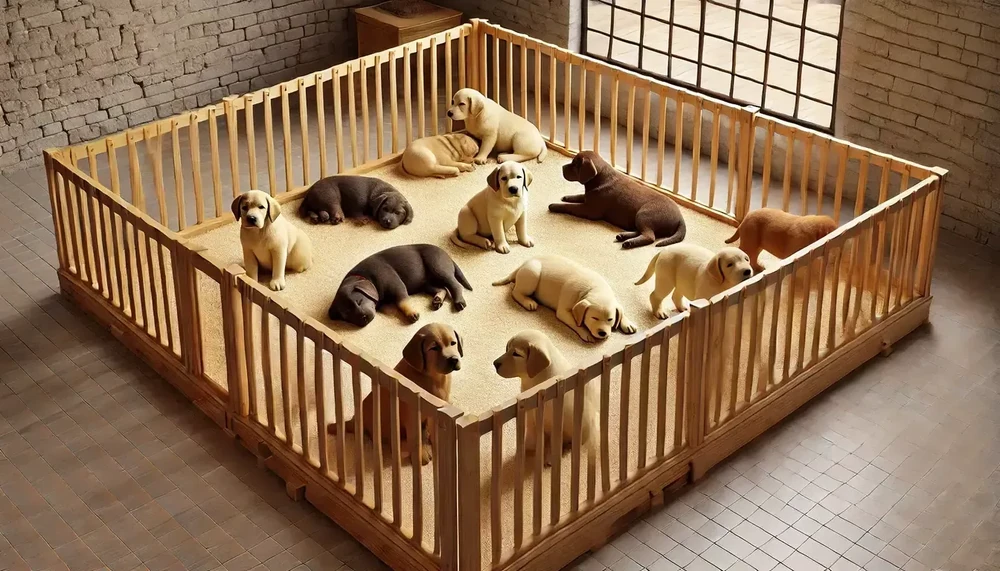
Whenever possible, meet puppies where they were raised and take your time watching what “normal” looks like there. This is not about finding a designer kennel. It is about seeing whether dogs have space, appropriate shelter, clean water, and ordinary contact with people, along with signs of calm handling rather than constant chaos.
RSPCA guidance is simple and practical here: avoid buying sight unseen, and aim to acquire puppies directly from the place where they were born so you can assess the conditions and observe the parents where possible.1
What to look for during a visit
You are not trying to diagnose a puppy. You are checking the basics that reflect daily care and early handling:
- Clean, safe areas for sleep and play, with evidence puppies are raised in a way that suits home life, not purely in isolated runs.
- Adult dogs that appear physically well cared for, and a breeder who can speak openly about their routine veterinary care and parasite control.
- Puppies that have had appropriate gentle exposure to people and household movement, without being overwhelmed.
Health testing, vaccination, and paperwork
In Australia, “health tested” can mean very different things depending on who is saying it. For some breeds it involves DNA testing, for others it includes hip and elbow scoring, eye examinations, or cardiac checks. The point is not that every dog must have every test, but that the breeder should do relevant screening for that breed, explain why, and show you the results.4, 5
Vaccinations and the early health plan
Ask what vaccinations the puppy has received, what the vet has recommended next, and whether the breeder can provide a record you can hand to your own vet. Global veterinary vaccination guidelines commonly recommend a puppy course with doses given at intervals and a final dose at 16 weeks of age or older, because maternal antibodies can interfere earlier on.6
Microchipping and ownership transfer
Microchipping requirements vary by state and territory, but it is widely required before sale or transfer, and by a set puppy age (often 12 weeks). Make sure you receive the microchip paperwork, and confirm how transfer will be completed in your state. For example, in NSW the seller must transfer official ownership details to the new owner through the registry system.7, 9
Contracts, health guarantees, and return policies
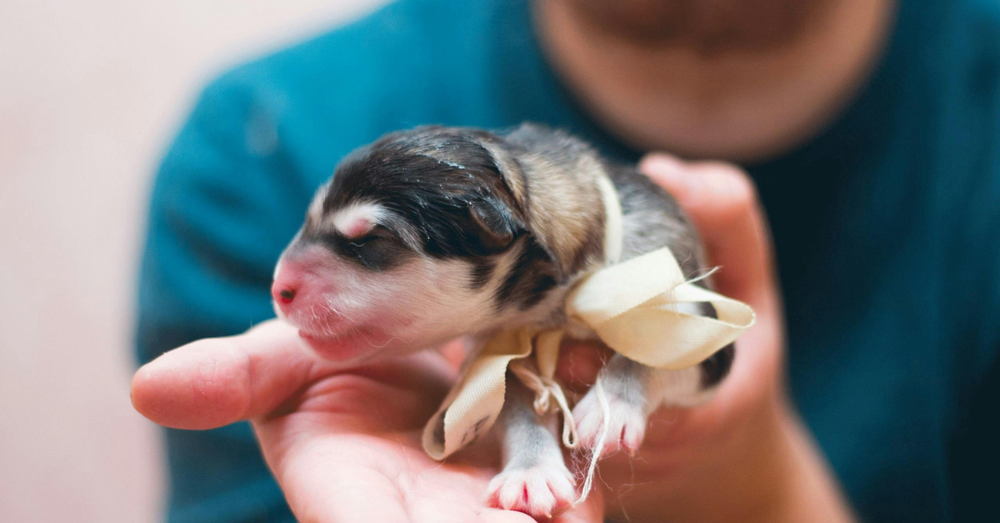
A contract does not guarantee a perfect outcome, but it does show whether a breeder takes responsibility seriously. Look for a written agreement that lists the puppy’s details (including microchip), outlines what veterinary care has been done, and sets out what happens if a serious issue emerges soon after purchase.
Many reputable breeders also include a right of return. That matters because rehoming can be messy, and it reduces the chance a dog ends up passed along through strangers or surrendered without support.8
Desexing agreements and breeding limitations
Some breeders sell pet puppies with desexing expectations or limited registration, particularly where they are trying to prevent unplanned litters or protect careful breeding lines. This can be reasonable when it is clearly explained and matched to the dog’s health and maturity, rather than treated as a blunt rule.
Ethical breeding in practice

Ethical breeding is often quieter than people expect. It can look like fewer litters, more waiting, and a breeder who is comfortable saying “no” when a home is not a good match. It also means making breeding decisions that reduce the chance of preventable inherited disease, while being honest about the limits of genetics.
Breeding frequency and welfare
A useful question is how often a breeder produces litters, and how they manage the wellbeing of their adult dogs. Many codes of conduct and ethics emphasise not breeding in ways that compromise a bitch’s health, and keeping written records and clear agreements as part of responsible practice.10
Puppy farming and why traceability matters
Puppy farms are defined by intensive breeding under inadequate conditions, where dogs’ physical and behavioural needs are not met. Avoiding them is not only a moral stance, it is a practical one. Poor early conditions can create avoidable welfare and health problems that families may struggle with later.1
What a puppy really costs
Price can be confusing. Some high-demand breeds and crossbreeds are expensive regardless of breeding quality, and some excellent breeders are not the most expensive in the market. Rather than treating cost as a shortcut, ask what is included and what work has been done behind the scenes.
A higher price can reflect real costs such as breed-relevant health testing, veterinary care, quality nutrition, time spent socialising puppies, microchipping, and the administrative burden of doing things properly. A cheap puppy can be costly later if corners were cut on health screening, disease control, or early handling.
Post-purchase support and the breeder relationship
The first weeks at home are usually where questions appear. Feeding changes, sleep disruption, toilet training, and early fear periods can all be part of normal puppy development. A good breeder expects this and remains available, not because they want to micromanage, but because they are invested in the dog’s long-term welfare.
It can also help to ask whether they have a community of previous puppy buyers, recommended trainers, or written guidance that matches the breed’s needs. Support does not replace your vet or trainer, but it can make the transition calmer and more realistic.
Final thoughts
Choosing a breeder is easiest when you stop looking for perfection and start looking for consistent, verifiable care. Clear health information, a willingness to be visited, sensible paperwork, and a return policy are practical signs that the breeder is planning for the whole dog’s life, not just the handover day.
If you take your time, ask ordinary questions, and trust what you can confirm rather than what you are promised, you are more likely to bring home a puppy that is set up for a steady start in your household.
References
- RSPCA Knowledgebase: How do I avoid supporting puppy farms?
- Queensland Dog Breeder Register: Getting a dog
- Queensland Dog Breeder Register: Report a concern
- Australian Shepherd Health & Genetics Institute: Puppy Buyer Health Questions
- RightPaw: Vet-Approved Code of Ethics
- World Small Animal Veterinary Association (WSAVA): Vaccination Guidelines
- RSPCA Knowledgebase: Is microchipping mandatory for cats and dogs?
- AAPDB: Members Code of Conduct
- Service NSW: Transfer your pet to a new owner
- Australian Cattle Dog Club (ACDCC): Code of Ethics