

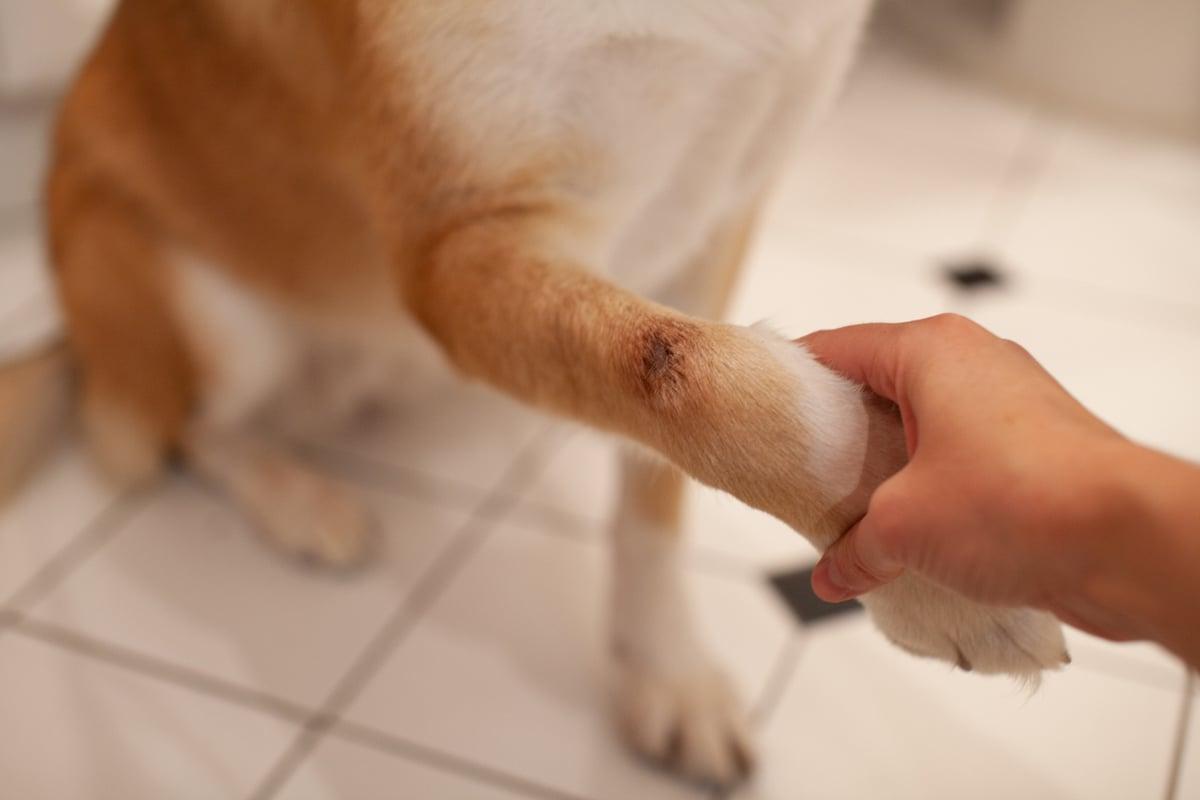
You might notice it in small, ordinary moments: your dog hesitates before jumping into the car, scratches more than usual, or seems to tire earlier on walks that used to be easy. These changes can be subtle, and it is easy to put them down to age, weather, or a “lazy day”.
Dogs do tend to get on with things, which can make it tempting to assume they are naturally tough and will be fine without much adjustment. In practice, many of the health issues and injuries vets see build slowly from everyday routines: what is in the bowl, how hard play gets on weekends, how slippery the floors are at home, and how often small problems are noticed early.
Prevention is not about wrapping your dog in cotton wool. It is about making the basics work well, so your dog can move comfortably, recover quickly, and stay well through the seasons.
Understanding common health issues in dogs

The most common problems are rarely mysterious. They are often the predictable result of modern dog life: less daily movement, richer diets, and longer lifespans. Vets frequently manage overweight and obesity, dental disease, itchy skin and ear trouble, and age-related joint changes.
Obesity matters because it tends to bring other issues with it, including reduced heat tolerance, strain on joints, and a higher risk of chronic disease. It can also make recovery from injury slower and exercise less enjoyable, which then feeds the cycle.1, 2
Dental disease is another quiet one. Many dogs keep eating even with sore mouths, so problems can be missed until there is bad breath, pawing at the face, or reluctance to chew. Home dental care and regular checks can reduce the chance of painful gum disease and tooth loss later on.3
It is also worth remembering that “common” does not mean “inevitable”. Genetics and breed traits can change the risk profile, but day-to-day management still makes a meaningful difference, especially when you catch things early.
Reducing the risk of injuries at home and outdoors
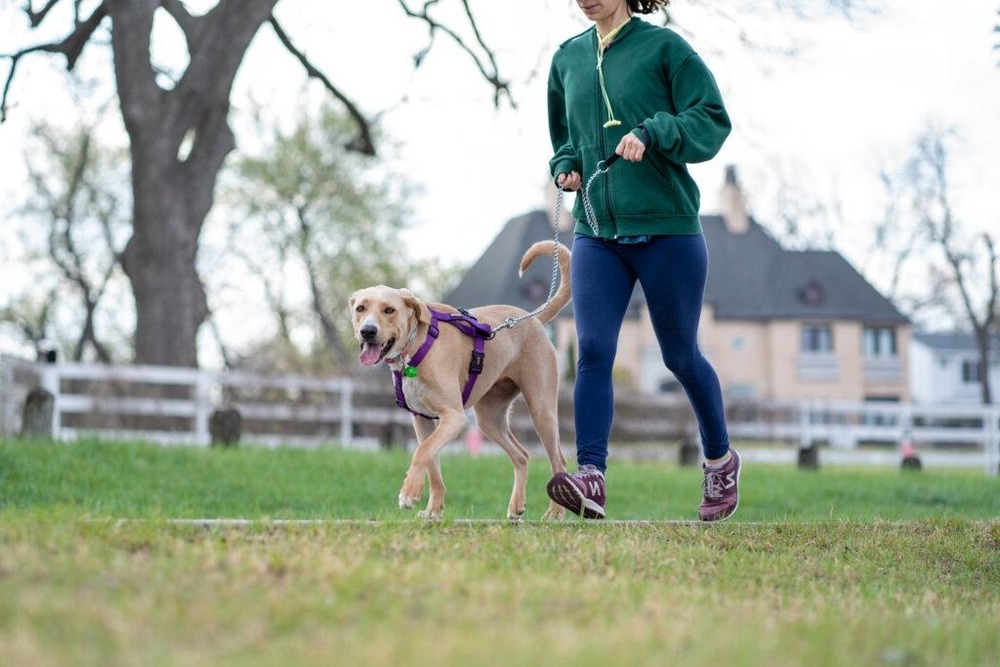
Many injuries happen during normal fun: a sharp turn chasing a ball, a slippery landing on tiles, a leap off a retaining wall that looked harmless at the time. Some dogs are more physically bold than their bodies can comfortably handle, particularly puppies, adolescent dogs, and older dogs with stiff joints.
A good approach is to think in terms of avoidable hazards and manageable load. Hazards are the obvious risks. Load is how much impact and strain your dog accumulates through play, exercise, and repeated movements.
- Flooring and stairs: Add runners or non-slip mats on slick surfaces and consider baby gates if your dog barrels down stairs.
- Jumping routines: If your dog regularly jumps on and off beds, couches, or car boots, a ramp or steps can reduce repeated impact on shoulders and hips.
- Weekend warrior risk: Dogs that do very little Monday to Friday, then go hard on weekends, are more likely to overdo it. Aim for steadier, more consistent movement across the week.
- Heat and hot surfaces: Adjust timing and intensity in warm weather. Hot pavements can also burn paw pads, especially in summer.
Outdoors, supervision and sensible restraint prevent a lot of trouble. A long line in open areas can offer freedom while still stopping a dog from sprinting into a road, tangling with wildlife, or disappearing into scrub.
Regular veterinary care that actually prevents problems
Routine veterinary visits are most useful when they are more than vaccinations. A good check-up looks at weight trend, teeth and gums, coat and skin, joints and movement, heart and lungs, and parasite risk for where you live and travel. Small issues, such as gradual weight gain or early dental changes, are often easiest to fix at this stage.
Vaccination and parasite control should be tailored. Your vet will consider your dog’s age, lifestyle, local disease risks, and any medical history. In Australia, tick paralysis is a serious seasonal risk in many regions, and prevention is usually a combination of the right product for your dog plus careful checking at home.4, 5
If you are choosing a clinic, look for a team that communicates clearly and invites questions. The goal is a relationship where you feel comfortable bringing up “small” concerns, because those are often the ones that matter.
Feeding for long-term health, not just a full bowl
Most people start with the ingredient list when choosing a food. That is understandable, but it can be misleading, because it does not tell you much about nutrient balance, quality control, or whether the diet has been properly formulated and tested. A more reliable approach is to look for signs of nutritional adequacy and solid manufacturing standards, then monitor your dog’s body condition over time.6
Practical ways to keep feeding on track:
- Use body condition, not the packet: Feeding guides are only a starting point. Adjust up or down based on waistline, ribs, and energy levels.
- Be honest about extras: Treats, chews, table scraps, and training rewards can add up quickly. Measure them like you would any other part of the diet.
- Match food to life stage: Puppies, adults, seniors, and dogs with medical conditions often need different nutrient profiles.
- Ask early about joint or dental needs: Some dogs benefit from vet guidance on dental diets, supplements, or specific weight targets before problems become established.
If you are unsure, your vet can help you set a realistic goal weight and a feeding plan that fits your household, rather than relying on willpower alone.
Exercise that builds a capable body
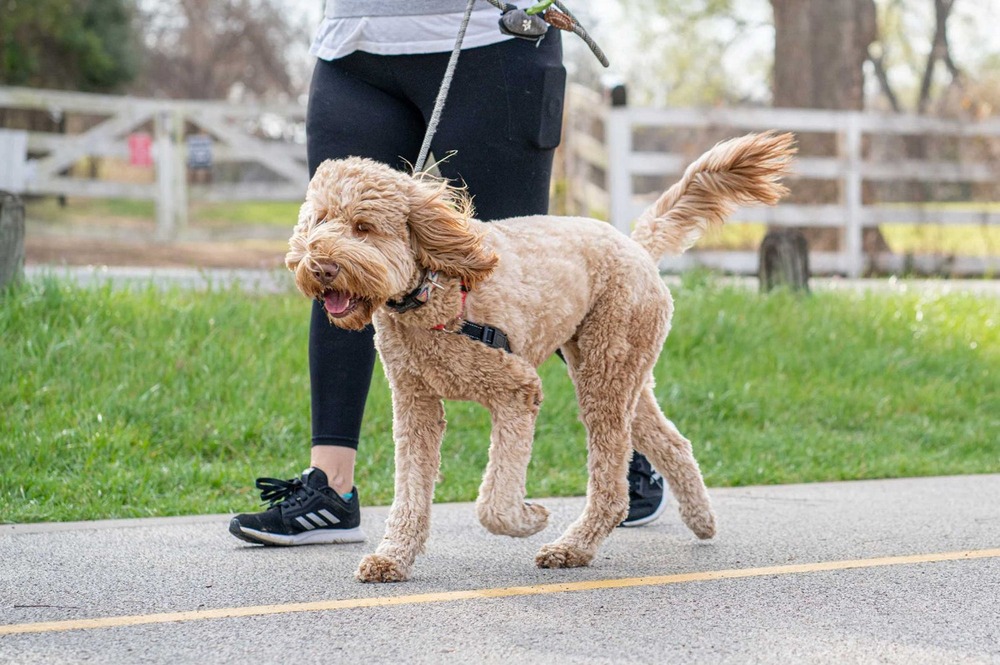
Exercise is often described as a behaviour fix, but its quieter value is physical: it builds strength, coordination, joint stability, and cardiovascular fitness. Done well, it also helps keep weight in a healthy range, which reduces wear on joints and lowers the risk of other health problems.1, 2
The key is choosing movement that suits the dog in front of you. A young kelpie may thrive on longer outings and training games, while a small older dog may do better with shorter walks plus gentle play at home. Swimming can be a useful low-impact option for some dogs, but it is still exercise, so it should be introduced thoughtfully.
Watch for signs that the session was too much: stiffness later that day, reluctance to rise the next morning, slowing down after the first few minutes, or repeatedly sitting or lying down on walks. These are useful signals, not “bad behaviour”. If they persist, it is worth discussing with your vet.
Grooming and hygiene as early detection
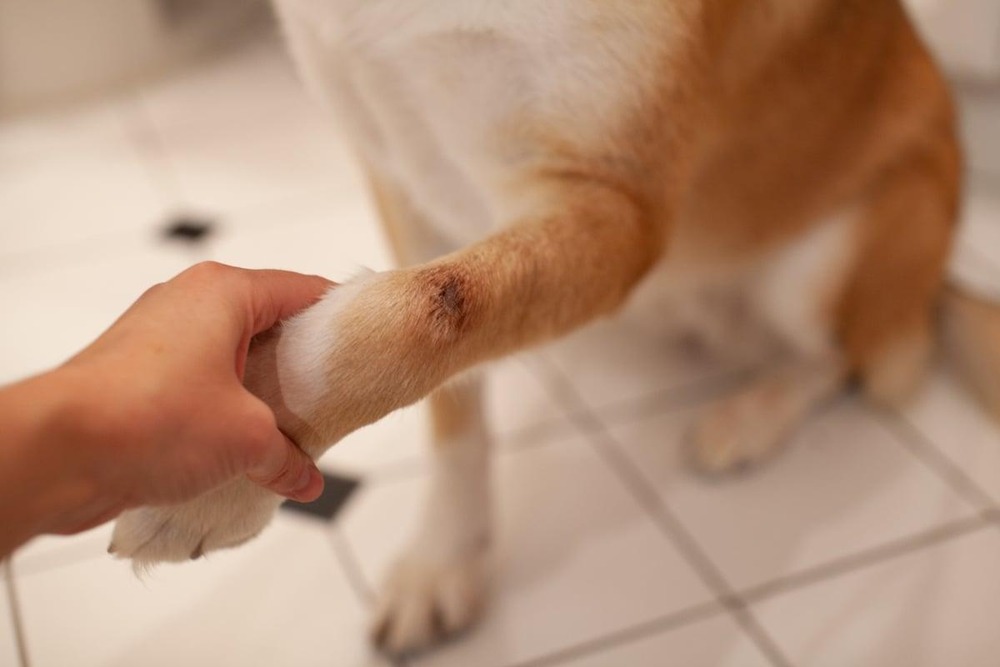
Grooming is not only cosmetic. Regular brushing and handling give you a chance to notice changes in skin, coat, ears, nails, and body condition before they turn into bigger problems. It is also one of the simplest ways to spot parasites, grass seeds, wounds, or lumps that were not there last week.
For dental care, most veterinary organisations still consider toothbrushing the gold standard. It is not always easy, but even a small routine, built slowly, can make a difference over time.3, 7
If your dog is prone to ear issues, ask your vet before using cleaners or drops. Over-cleaning, the wrong product, or missing an underlying infection can make things worse.
Mental stimulation and enrichment that supports wellbeing
A dog can be physically fit and still struggle if their days are repetitive. Many behaviour problems are linked to under-stimulation, over-arousal, or unclear routines, rather than a dog being “naughty”. Simple enrichment helps a dog practise calm focus and natural behaviours in a safe way.
Useful options include food-based enrichment (scatter feeding, snuffle mats, puzzle toys), short training sessions that reward calm effort, and structured sniff walks where the pace is slow and the dog can explore. For many dogs, sniffing is surprisingly tiring, which is helpful when physical exercise needs to be limited.
If your dog is anxious or reactive, enrichment should be chosen carefully. Sometimes the most supportive thing is reducing intensity and building predictability, rather than adding more excitement.
Recognising when something is off
Dogs do not always show pain or illness in obvious ways. The early signs are often changes in routine: eating more slowly, sleeping differently, drinking more, licking paws, shifting weight off a limb, avoiding stairs, or being less keen to greet people at the door.
It helps to keep a simple note of what you are seeing, when it started, and whether it is getting better or worse. Photos and short videos of limping, coughing, or odd movement can be surprisingly useful for your vet.
If you suspect paralysis ticks, treat it as time-sensitive. Early signs can include wobbliness, weakness in the back legs, vomiting, and breathing changes, and veterinary advice is recommended even if symptoms seem mild.4, 5, 8
Final thoughts
Keeping dogs healthy and injury-free tends to come down to unglamorous habits done consistently: steady exercise, sensible feeding, parasite prevention, and regular checks that catch change early. None of this guarantees a problem-free life, but it shifts the odds, and it usually makes day-to-day life more comfortable for your dog.
When in doubt, lean on your vet and adjust the plan to the dog you have. Prevention works best when it is practical enough to keep doing, even on busy weeks.
References
- Australian Veterinary Association (AVA): Obesity in dogs and cats
- WSAVA: Body Condition Score (Dog) chart
- Animal Dental Specialist Centre (Australia): Dental care for pets
- RSPCA NSW: Tick season, protecting your pet
- RSPCA NSW: How to protect pets from paralysis ticks
- WSAVA: Global Nutrition Guidelines (pet owner resources)
- RSPCA Australia Knowledgebase: Why dental care is important for dogs
- ABC News: What you need to know to protect your pets from ticks
- RSPCA Australia Knowledgebase: How to tell if your dog is sick