


You usually do not start thinking about dog medication in the abstract. It tends to come up after a rough night of scratching, a sudden limp on a walk, or that uneasy feeling that your dog is just not quite themselves.
In those moments it is easy to reach for what is familiar, half a tablet from the bathroom cabinet, the leftovers from a previous prescription, or something a friend swears by. The tricky part is that dogs process medicines differently to humans, and the line between “helpful” and “harmful” can be thinner than people expect.1, 2
Safe medicating is less about being brave or resourceful, and more about getting the basics right: an accurate diagnosis, the right product, the right dose, and careful monitoring. When those pieces are in place, medicines can be genuinely life-changing for comfort and recovery, without creating new problems along the way.
When medication is actually needed
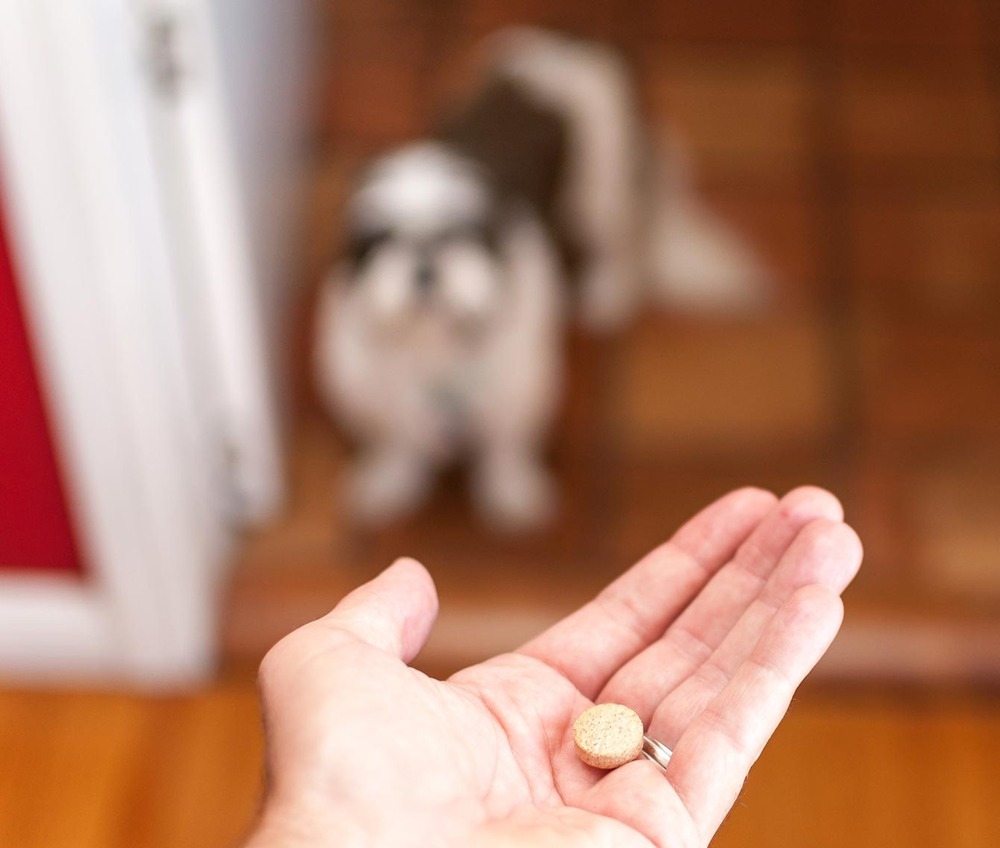
Many day-to-day changes settle with rest and routine. Others are your cue to pause and ask whether something deeper is going on. A useful rule of thumb is to notice patterns, not just single moments.
Common signs that deserve a closer look include:
- new or worsening lameness, stiffness, or reluctance to jump
- persistent scratching, ear irritation, or skin flare-ups
- vomiting or diarrhoea that does not settle quickly, or keeps returning
- behaviour changes such as pacing, unusual clinginess, hiding, or restlessness
- changes in appetite, drinking, or toileting habits
Some conditions do need prompt treatment, but guessing can be risky. A veterinarian can assess whether medication is necessary, and, just as importantly, whether it is safe alongside any existing health issues (such as kidney disease, gut sensitivity, or heart problems).9
Seek veterinary advice early if symptoms are sudden, severe, or paired with lethargy, collapse, breathing trouble, swelling, or ongoing pain.
Understanding the main types of dog medications
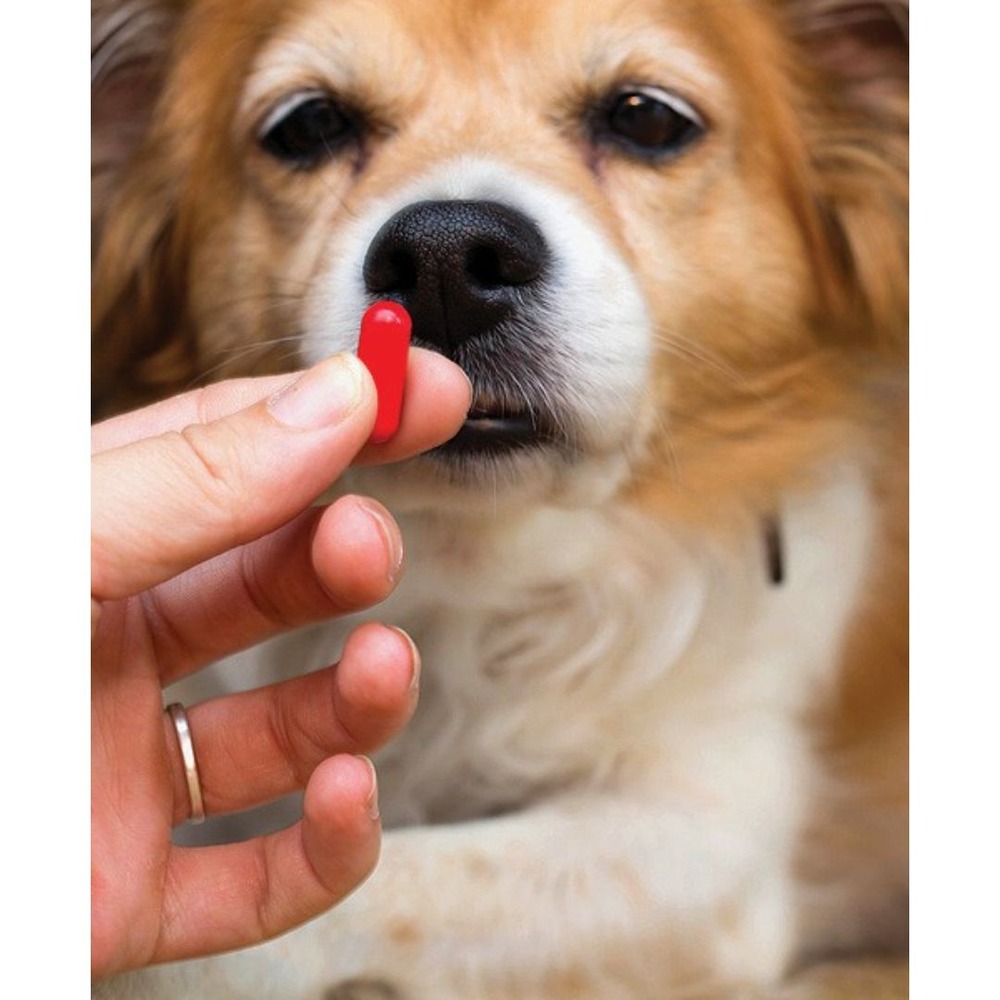
Most dog medicines fall into a few broad groups, and each comes with its own risks and rules. It helps to know what you are dealing with, especially if your dog ends up on more than one medication.
Common veterinary medications include:
- antibiotics for bacterial infections (not viruses)
- anti-inflammatories and pain relief for injury, arthritis, or post-surgery discomfort
- anti-itch and allergy medicines for skin disease, ear inflammation, and allergic flare-ups
- parasite preventatives for fleas, ticks, worms, and heartworm
- chronic condition medicines for issues like seizures, endocrine disease, or heart disease
It is tempting to treat “over-the-counter” as a synonym for “gentle”. In reality, many human over-the-counter products can be dangerous for dogs, particularly common pain relievers such as ibuprofen and naproxen, and even paracetamol can cause poisoning in pets if used incorrectly.1, 4, 5
If your vet prescribes a human pharmacy product for your dog, that is different. In that case the product choice and dose are being intentionally managed for your dog’s size and condition.2
Giving medication in a way that stays safe
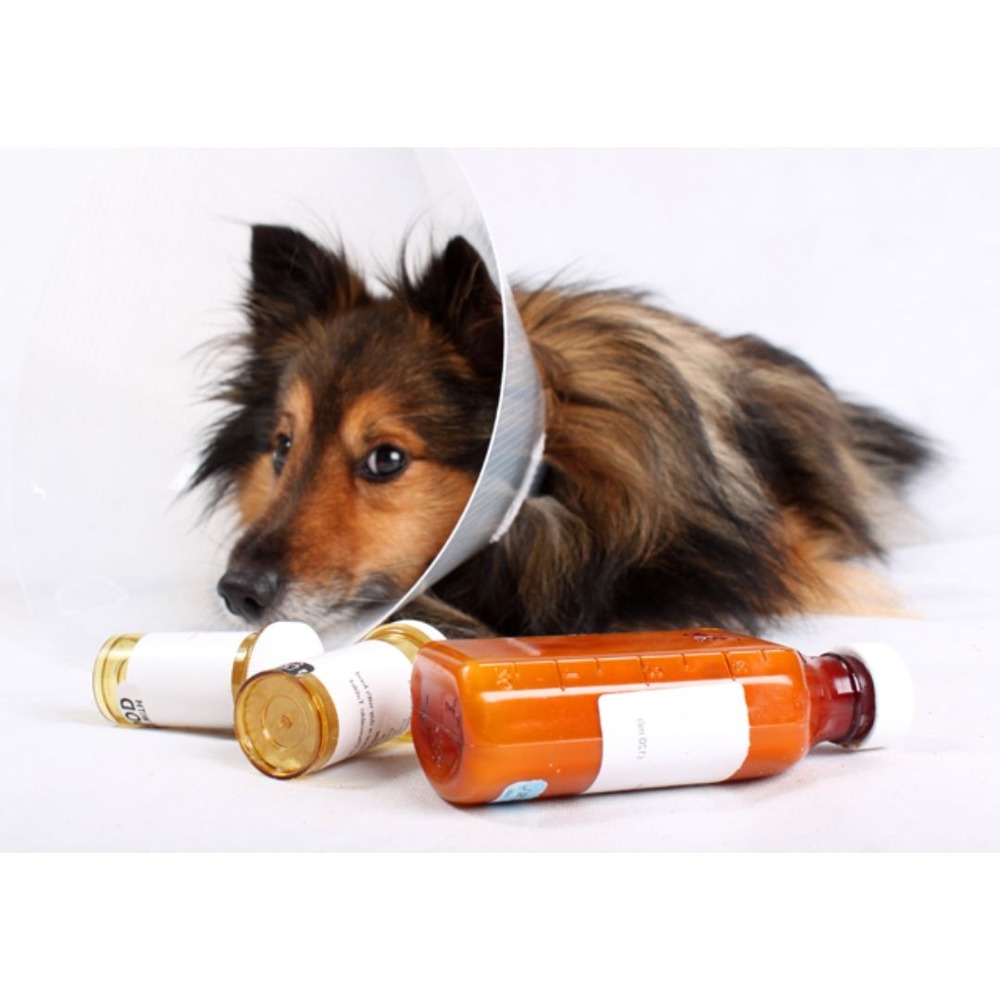
Administration is where good intentions can unravel. Dogs learn quickly. If they have been tricked with food a few times, they may start refusing the very things you are using to help.
Pills and capsules
Many dogs will take a tablet hidden in a small amount of something tasty. Keep the “wrapper” portion small so you can be confident the full dose was swallowed. If your dog chews and spits tablets, ask your vet or pharmacist whether the medication can be crushed or compounded, because some medicines should not be altered.
If you need to pill by hand, go slowly and keep it matter-of-fact. Aim for calm, efficient handling rather than wrestling, and follow with a reward that does not contain more food than your dog can comfortably eat.
Liquid medications
Use the supplied syringe or measuring device. Squirt gently into the side of the mouth, allowing time to swallow. Do not shoot liquid straight to the back of the throat, which increases the risk of coughing or inhalation.
Topicals (creams, drops, spot-ons)
Apply exactly as directed and prevent licking if advised. Topicals can still cause problems if ingested, including products your dog may lick from your skin or their own coat.1
When in doubt, ask your clinic to demonstrate. A quick, practical demo often saves days of frustration at home.
Dosage and timing: where many accidents happen

Correct dosing is not just “big dog, more medicine” and “small dog, less medicine”. It also depends on what the medicine is, how it is processed, your dog’s overall health, and what else they are taking. This is one reason using another dog’s leftovers is such a gamble.
Stick to the label and vet instructions. If you are juggling multiple medicines, a simple written schedule on the fridge can reduce missed doses and accidental double-dosing.
If you miss a dose, it is usually safer to contact your vet for advice than to guess. As a general safety principle, do not double a dose unless your vet has explicitly told you to do so for that medication and situation.
Side effects: what is normal, what is not
Even when used correctly, some medications can cause unwanted effects. Mild stomach upset can happen with a range of products. Other changes, such as marked sedation, agitation, vomiting that does not settle, black stools, facial swelling, or breathing difficulty, should be treated as more serious.
With non-steroidal anti-inflammatory drugs (NSAIDs), gastrointestinal irritation and ulceration are well-recognised risks, and toxicity can progress to kidney injury, especially if a dog is dehydrated or has existing kidney disease.3, 6
Contact a vet promptly if side effects are persistent, worsening, or worrying. If your dog may have eaten human medication, seek urgent advice even if they seem fine at first, because some problems take time to appear.6
Practical safety precautions at home
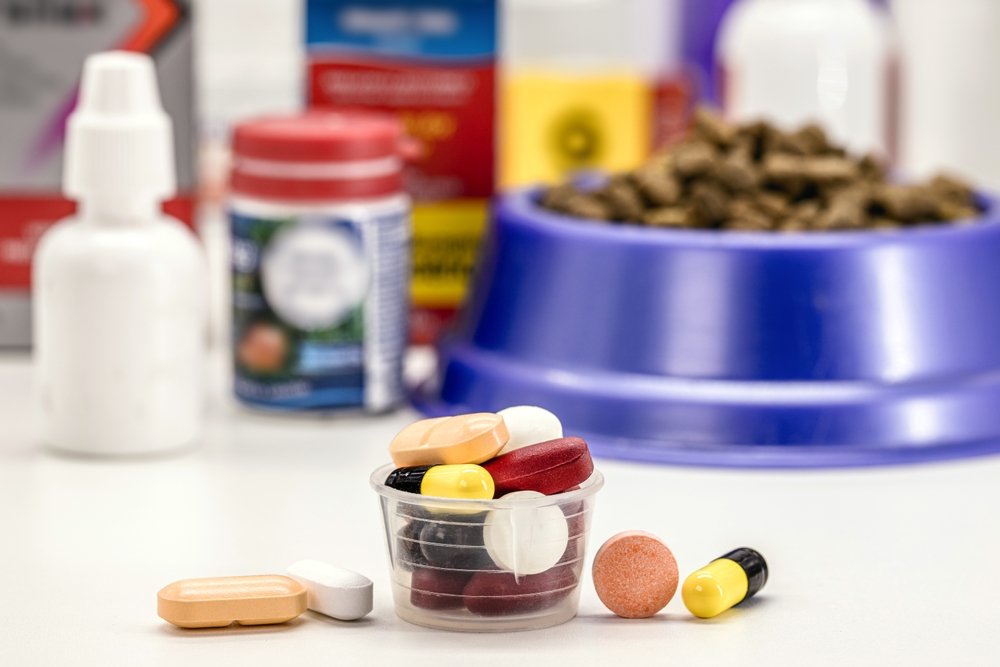
Most medication emergencies are not caused by “bad owners”. They happen in ordinary households: a dropped tablet, a handbag left open, a dog that can open cupboards, or a well-meaning visitor who offers a painkiller.
Simple habits make a real difference:
- Store all medicines in a closed cupboard, not on benches or bedside tables.
- Keep medicines in original packaging so instructions are not separated from the product.
- Never give human medicines unless your veterinarian has specifically directed it.
- Be cautious with topical human products. Dogs can lick residues from skin or fur.1
If you suspect poisoning, contact your veterinarian or a poison advice service immediately. In the United States, the ASPCA Animal Poison Control Center provides 24 hour support (a fee may apply).8
Where “natural” options fit, and where they do not
Some owners look for gentler support, especially for long-term issues like mobility changes, anxious behaviour, or skin that flares with seasons. The instinct makes sense. The important piece is remembering that “natural” is not the same as “safe”, and supplements can interact with prescription medicines or complicate diagnosis.
If you are considering complementary approaches, treat them like you would any other therapy: discuss them with your vet, introduce changes one at a time, and monitor effects rather than assuming they are harmless. A useful aim is supporting comfort without replacing diagnosis, particularly when symptoms are new.
Monitoring matters more than people expect
Once medication starts, your job shifts to observation. You are watching for two things at once: whether the original problem is improving, and whether any new issues appear.
A brief daily note can help, especially for chronic conditions:
- appetite and thirst
- stool quality and vomiting
- energy levels and willingness to exercise
- itching, licking, head shaking, or skin changes
- pain indicators such as stiffness after rest, reluctance on stairs, or altered gait
Regular rechecks are not busywork. They allow your vet to adjust doses, check for complications, and confirm that a medication is still the best option for your dog’s current needs.9
Final thoughts
Medicating a dog safely is a quiet skill built from small, careful choices. When you slow down enough to get a proper diagnosis, follow dosing instructions closely, and keep an eye on side effects, medication becomes what it is meant to be: a practical support for healing and comfort.
If something feels off, whether it is the original illness or the treatment itself, you do not have to solve it alone. Your vet can help you make sense of what you are seeing, and adjust the plan before a small issue becomes a bigger one.
References
- RSPCA Knowledgebase: What are common household dangers for pets?
- Therapeutic Goods Administration (Australia): The dangers of taking your pets’ medication
- American College of Veterinary Pharmacists: Ibuprofen and Naproxen
- ASPCA: Protect Your Pet, the Top 5 Toxic Dangers in Your Home
- ANSES (French Agency for Food, Environmental and Occupational Health and Safety): Be careful before giving human medication to an animal
- PetMD: NSAID Toxicity in Dogs
- Animal Poisons Helpline: Paracetamol poisoning in pets, risks and emergency steps
- ASPCA Animal Poison Control Center
- World Small Animal Veterinary Association (WSAVA): Global Pain Council Guidelines