


Most people first think about poisoning when something feels “off” in a way that does not match the usual run of an upset tummy. A dog that is suddenly quiet, drooling more than normal, weaving a little on their feet, or vomiting without an obvious cause can leave you staring at the floor for clues: a chewed plant label, a torn blister pack, a spill you missed in the garage.
It is tempting to assume you will always know what they got into, or that you will have time to “wait and see”. In practice, dogs are quick and many toxins act before you have a neat story to tell the vet. What helps most is recognising patterns, staying calm, and getting the right advice early, even if you are not sure what happened.
Poisoning is also one of those problems where well-meant home fixes can make things worse. A safer approach is to focus on what you can do immediately, what to avoid, and what information makes the vet (or a poisons helpline) faster and more precise.
Recognising the signs of poisoning
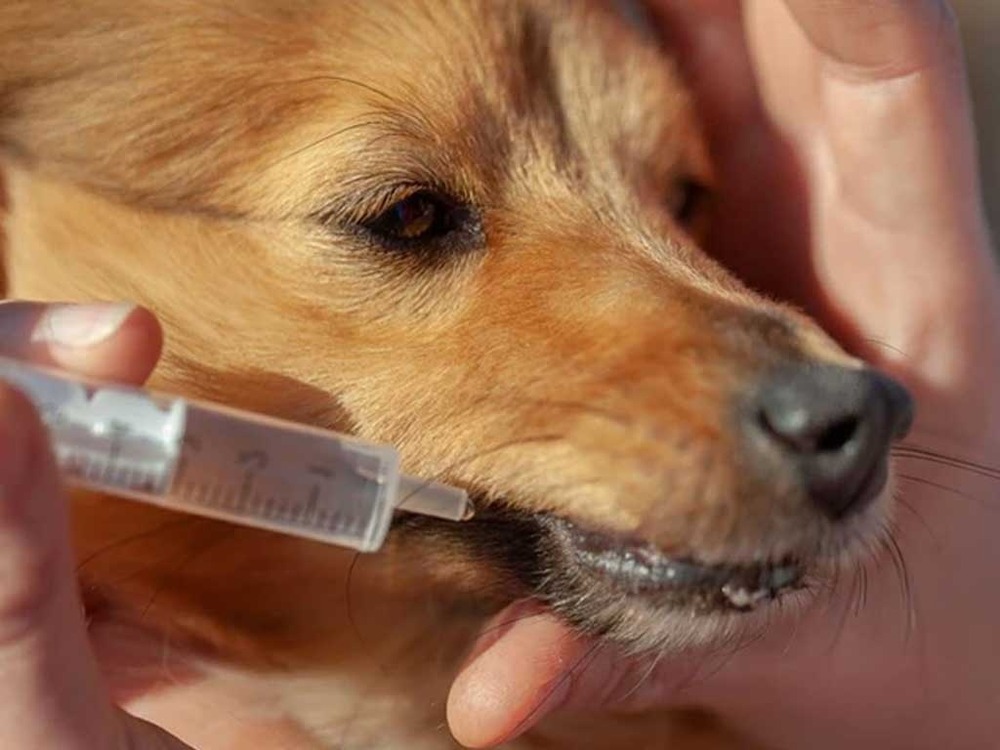
Poisoning can look like a lot of other illnesses at first. The difference is often the speed of change. A dog who was fine an hour ago and is now clearly unwell deserves a closer look, especially if there is any chance they accessed food scraps, medicines, garden products, or household chemicals.
Common symptoms you might notice
Signs vary depending on what was eaten, licked, inhaled, or absorbed through the skin, but common early clues include:
- Vomiting and diarrhoea
- Drooling, foaming at the mouth, or pawing at the face
- Weakness, wobbliness, collapse, or unusual lethargy
- Tremors, twitching, or seizures
- Breathing changes (rapid, noisy, or laboured breathing)
- Pale gums, yellow gums, or a very fast heart rate
Some toxins cause delayed signs, which can create false reassurance. For example, certain rodenticides affect blood clotting and signs may not show up immediately. If you suspect exposure, treat it as real until a professional tells you otherwise.6
Why early response matters
When treatment is started early, vets can sometimes prevent absorption or reduce harm. Even when it is “just” stomach upset, a quick call can clarify whether your dog needs emergency care or careful monitoring at home. Do not wait for it to get dramatic before seeking advice.1, 2
Immediate actions to take
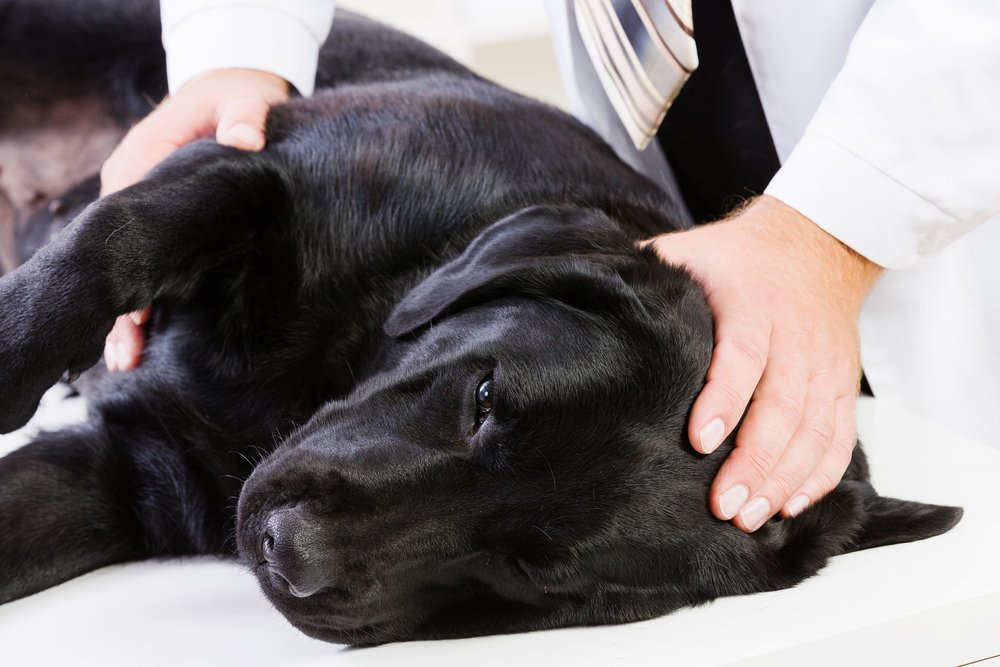
In the first few minutes, your goal is not to “fix” poisoning yourself. It is to reduce further exposure, protect your dog’s airway and safety, and collect the details a vet needs to make good decisions.
What to do straight away
- Remove access to the suspected toxin and move other pets away.
- If safe, check the area for packaging, chewed containers, plants, baits, or spills.
- Take a photo of the product label or plant, and bring packaging with you.
- Note the time you think exposure happened and an estimate of how much might be missing.
- Keep your dog quiet and contained, especially if they are weak or unsteady.
Who to call, and when
If you are in Australia, you can call the Animal Poisons Helpline (24/7) on 1300 869 738 for triage and first aid guidance, and they can advise whether urgent veterinary care is needed.1, 2
If your dog is having seizures, collapsing, struggling to breathe, or you suspect a highly dangerous toxin (for example, rodent bait, antifreeze, or human medication), go to an emergency vet immediately and call on the way if you can. When seconds matter, travel time is often the biggest delay.
Common poisons and where they come from
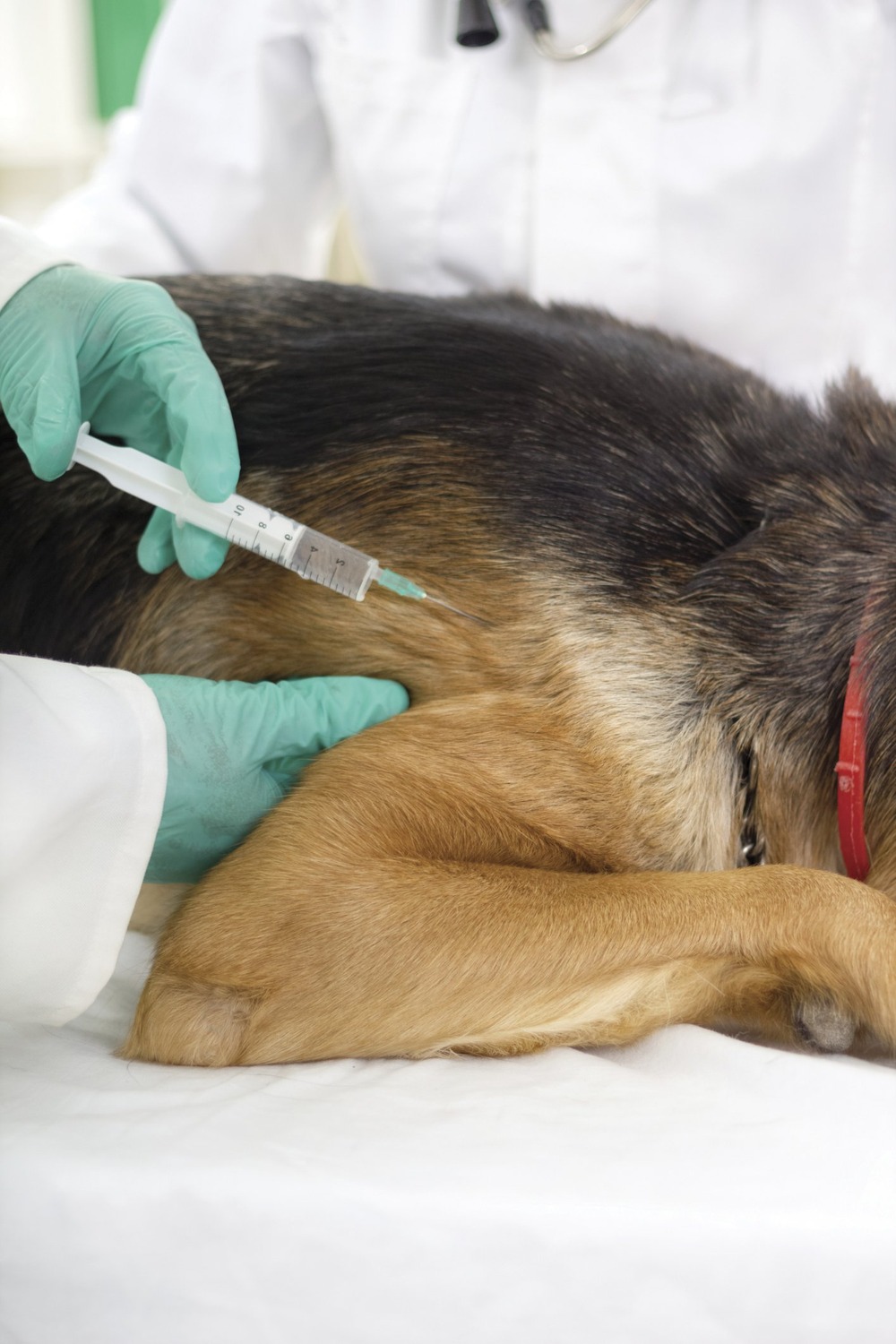
Most cases are not caused by rare exotic substances. They come from ordinary homes, ordinary walks, and ordinary habits, especially when dogs are bored, hungry, or scavenging.
Frequent culprits in and around Australian homes
Common risks include:
- Human foods such as chocolate, grapes and raisins, xylitol (in some sugar-free products), macadamias, alcohol, caffeine, and bread dough7
- Human medicines including paracetamol and ibuprofen (never “share” pain relief unless your vet has prescribed it)
- Rodenticides (rat and mouse baits), which can be attractive to dogs and also pose broader risks to non-target animals when used incorrectly6, 10
- Antifreeze (ethylene glycol), which can have a sweet taste and can cause severe kidney injury if not treated quickly8
- Cleaning agents, drain cleaners, and other corrosive household chemicals
How dogs get exposed
Dogs do not need a big opportunity. A dropped pill, a lunchbox left within reach, a bait station knocked open, a visitor’s bag, or a puddle in the driveway can be enough. Some exposures are also indirect, such as scavenging a poisoned rodent. This is why “I didn’t see anything” does not rule poisoning out, and why clear timelines and packaging details help so much when you speak to a professional.
First aid for suspected poisoning
Good first aid is mostly about safe restraint and smart information. It is not about trying a string of home remedies.
Helpful first aid steps before the vet
- If your dog has something in their mouth, gently remove it if it is safe to do so.
- If a substance is on the coat or skin, prevent licking and rinse with lukewarm running water. Avoid harsh scrubbing.
- If your dog is conscious but unsettled, keep them in a quiet space and minimise movement.
- If they are drowsy or uncoordinated, keep their head and neck in a neutral position and avoid offering food or water unless instructed.
If your dog becomes unconscious, has repeated seizures, or has trouble breathing, treat it as an emergency transport situation. Keep them on their side with the airway as clear as possible, and head to an emergency clinic.
What to avoid, even if it is common advice online
Inducing vomiting can be useful in some cases, but it can also cause serious harm. Do not induce vomiting unless a vet or poisons professional tells you to, especially if the substance may be corrosive (bleach, drain cleaner), petroleum-based, or if your dog is sedated, seizuring, or struggling to swallow.3, 9
Be cautious with hydrogen peroxide in particular. Some sources still describe it, but current veterinary guidance increasingly emphasises that it is not a harmless DIY option and can cause complications, including gastrointestinal injury. If vomiting is appropriate, your vet may prefer a safer, controlled method.9
What the vet may do
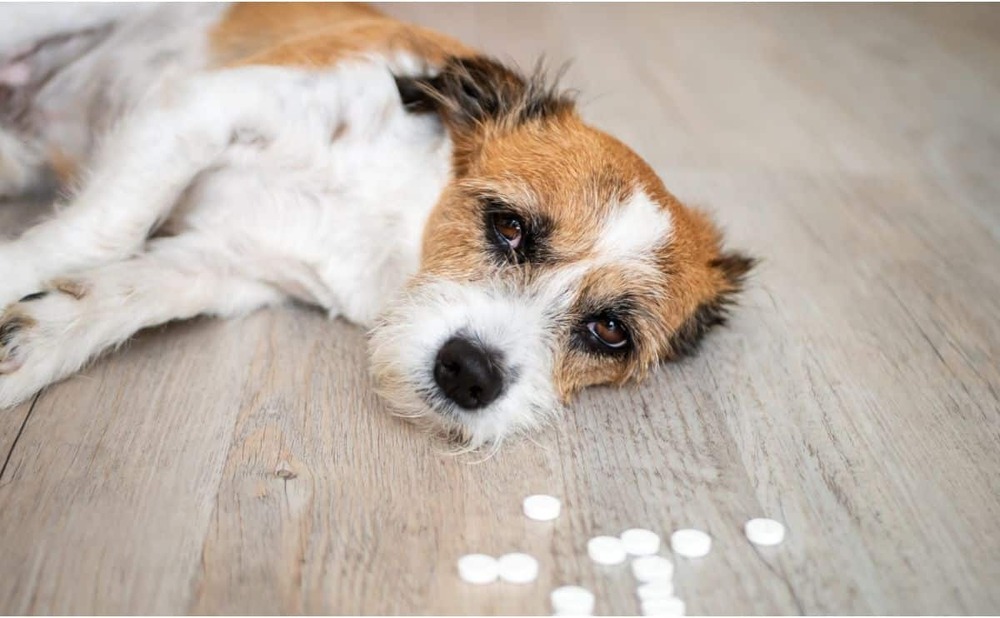
Veterinary treatment depends on the toxin, the dose, and how long ago exposure happened. Sometimes the most important “treatment” is careful monitoring and supportive care, because the body needs time and help to stabilise.
Common treatment approaches
Your vet may recommend:
- Inducing vomiting or gastric emptying when appropriate and safe
- Activated charcoal to reduce absorption for certain toxins
- IV fluids, temperature control, and medications to manage nausea, tremors, pain, or seizures
- Specific antidotes when available (for example, timely antidotal therapy for ethylene glycol exposure)8
- Blood tests and repeat monitoring to track organ function and clotting
Aftercare and follow-up
After you go home, the plan usually matters as much as the initial treatment. Follow instructions closely and watch for any return of vomiting, black stools, weakness, increased thirst, or behaviour changes. If anything feels “not quite right”, call your clinic. Keep the toxin details (photos, packaging, timing) on hand in case another vet needs to step in.
Prevention that fits real life
Poisoning prevention is less about creating a perfect house, and more about noticing where dogs routinely get curious: low cupboards, handbags, potting sheds, compost bins, and the places where guests leave snacks.
Practical habits that reduce risk
- Store medicines, cleaning products, and garden chemicals in closed cupboards or high shelves.
- Keep bins secure and compost inaccessible.
- Do a quick “drop check” after visitors, especially if anyone uses medication.
- Be deliberate with rodent control. Use tamper-resistant bait stations and follow label directions, and consider non-toxic alternatives where suitable.10
- Learn the common food risks, and ask guests not to feed your dog scraps.7
If you use antifreeze or automotive fluids, treat spills as urgent clean-ups. Ethylene glycol can be dangerous in small amounts, and the prognosis worsens the longer treatment is delayed.8
Legal and ethical considerations in Australia
Most households think about poisoning as an accident, but there are also responsibilities that sit in the background, especially when baits and chemicals are involved.
Your duty of care at home
Keeping hazardous substances secured is part of basic animal welfare. The line between “accident” and preventable harm can be as small as a bait packet left on a shelf a dog can reach, or medication stored in a bag on the floor. Safe storage is welfare, not just tidiness.
Rodenticides and broader impacts
Anticoagulant rodenticides are under active regulatory attention in Australia due to risks to non-target animals, including native wildlife. That same risk profile is part of why pet exposure, and secondary exposure, is taken so seriously in veterinary toxicology conversations.10
Final thoughts
When you suspect poisoning, you do not need certainty before you act. You need a steady head, a clear timeline, and a quick line to the right help. Call early, travel early if your dog is unwell, and keep packaging or photos ready. It is often the difference between supportive care and a crisis.
References
- Animal Poisons Helpline (Australia) homepage
- Animal Poisons Helpline contact details (24/7 numbers)
- PetMD: Making dogs throw up (risks and when not to induce vomiting)
- ASPCA Animal Poison Control Centre (general poison emergency guidance)
- American Kennel Club: Inducing vomiting guidance and contraindications
- APVMA: Proposed changes to anticoagulant rodenticide use (16 December 2025)
- RSPCA Pet Insurance: Foods and ingredients to avoid feeding dogs
- Merck Veterinary Manual: Ethylene glycol (antifreeze) poisoning
- PetMD: Hydrogen peroxide to induce vomiting, why it may be unsafe
- APVMA: Anticoagulant rodenticides proposed regulatory decision consultation (16 December 2025 to 16 March 2026)