

You usually notice a wound on your dog in a very ordinary moment, a bit of blood on the coat after a run, a new limp on the evening walk, or persistent licking at one spot. Often there is no dramatic incident, just a sense that something is not quite right.
It is tempting to assume most scrapes will “sort themselves out” if you rinse them and keep an eye on things. Sometimes that is true. But dog wounds can be deceptive, especially punctures and bites, where the surface looks small while the tissue underneath is bruised or contaminated. The practical aim at home is simple: reduce contamination, protect the area, and know when the safest next step is the vet.
What follows is a calm, workable approach to common wounds, first aid, cleaning, and monitoring. It is not about doing everything yourself, it is about doing the right basics well, then handing over early when a wound needs professional care.
Common types of dog wounds you will actually see
Most dog wounds fall into a few patterns, and recognising the pattern helps you judge what matters most next.
Cuts and abrasions
These are the grazes and shallow cuts from rough ground, wire, sticks, or a frantic scratch at itchy skin. They often look minor, but they can still become infected if dirt stays in the area. If you can see only the top layers of skin and your dog is otherwise well, home cleaning and observation is often reasonable.
Puncture wounds (including bites)
Punctures are the classic “small hole, big problem”. A thorn, nail, grass seed, or another animal’s tooth can drive bacteria deep under the skin with little surface bleeding. Bite wounds, in particular, commonly cause bruising and tissue damage below the surface, even when you only see a couple of marks. Punctures and bites are vet-level wounds more often than people expect.5, 6
Lacerations and tears
These are deeper, gaping, or jagged wounds, sometimes with a flap of skin. They often need proper flushing, pain relief, and sometimes sutures. If the edges will not sit together easily, or the wound is large, it is safer to have it assessed promptly by a veterinarian.
Why dogs get injured so easily
It is rarely “naughtiness”. Dogs move fast, explore with their noses, and play with their whole bodies. Common scenarios include sprinting through scrub, misjudging a jump, getting caught on fencing, or rough play escalating into a scuffle.
Initial assessment and first aid
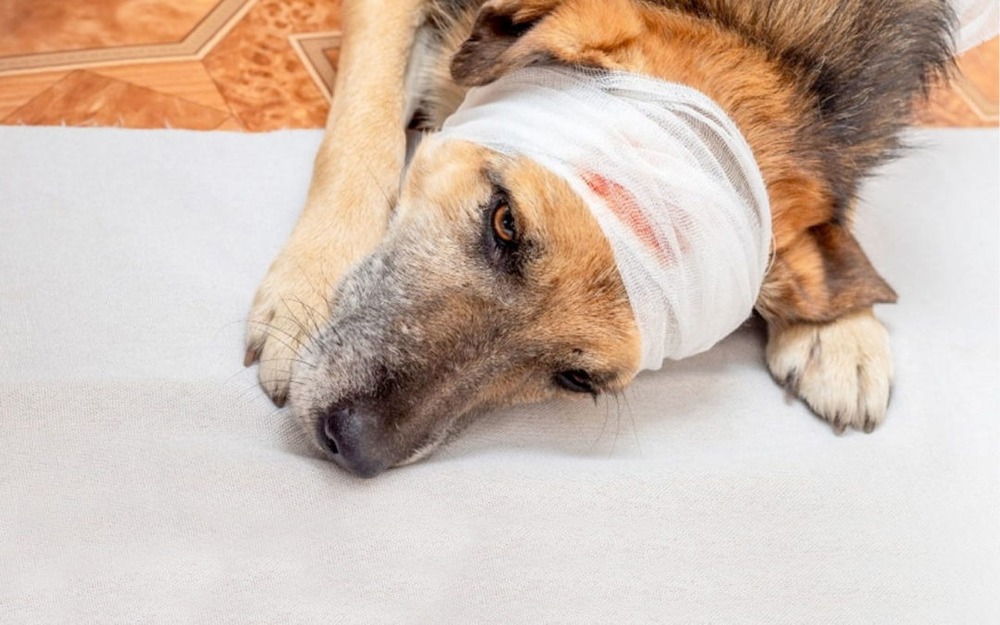
The first job is not cleaning, it is working out whether your dog is stable. In serious accidents, obvious wounds can distract you from more dangerous problems like shock or internal injury.1
Start with safety and steadiness
In pain, even gentle dogs can snap. If your dog is distressed, keep your hands away from the mouth, reduce handling, and consider using a muzzle only if you can do so safely. Keep children and other pets out of the way.
Check what matters most
- Breathing and alertness: struggling to breathe, collapse, or extreme weakness needs urgent veterinary care.
- Bleeding: if blood is flowing or soaking through cloths, treat it as urgent.
- Location: wounds to the chest, abdomen, eye area, or over a joint are more likely to be complicated.
- Type: bites and punctures deserve a lower threshold for a vet visit.5, 6
Control bleeding first
Use a clean cloth and apply firm, steady pressure directly over the wound. Avoid lifting the cloth repeatedly to “check”, give it time to work. If blood is soaking through, layer more cloth on top rather than removing what is already there, as pulling it away can disturb clots.4
Cleaning and disinfecting: what helps, and what can backfire
Good cleaning lowers bacterial load and helps you see what you are dealing with. In veterinary wound care, volume matters. A thorough flush with a safe solution is usually more helpful than a harsh chemical used in small amounts.1
A practical step-by-step clean
- Clip or part the coat if you can without struggling your dog. If you cannot see the skin clearly, you cannot judge the wound well.
- Rinse with clean running water or sterile saline. If you are making saline at home, use a reliable recipe (for example, boiled water cooled, with measured salt).8
- Flush generously to remove dirt and grit. A syringe (without a needle) can help you direct the flow.
- If you need an antiseptic, choose one that is known to be tissue-safe when correctly diluted. Dilute chlorhexidine (for example 0.05%) is commonly used in veterinary settings. Stronger solutions can irritate healing tissue, so dilution matters.1
- Gently pat dry around the wound. Do not scrub the wound bed.
- Prevent licking while you decide next steps. Licking adds moisture and bacteria and can reopen a forming scab.
Skip the harsh “bubbly” cleaners
Hydrogen peroxide can damage healthy tissue and is not recommended for wound lavage. Alcohol can also be unnecessarily painful and irritating. If you are unsure, flushing with saline or clean water is a safer default until you can get veterinary advice.1
When it is time to see the vet
Some wounds are straightforward. Others look fine at first and then worsen over 24 to 72 hours. The tricky part is that dogs often keep moving, eating, and acting “mostly normal” even with a painful infection developing under the skin.
Go promptly if you notice any of these
- Bleeding that will not stop with firm pressure.
- A deep wound, gaping edges, or tissue you can see beneath the skin.
- Any wound to the chest or abdomen, or anything with breathing changes.
- Punctures or bite wounds, even if they look small.5, 6
- Swelling, heat, increasing redness, discharge, or a bad smell.
- Limping that persists, reluctance to bear weight, or marked tenderness.
- Signs of serious illness such as pale gums, collapse, or a swollen abdomen.7
Why waiting can make treatment harder
Infection can spread into deeper tissues, and bites can seal over at the surface while trapping bacteria underneath. Early veterinary cleaning, pain relief, and (when needed) antibiotics or drainage can prevent a small-looking injury becoming a prolonged, expensive recovery.2, 6
Home care and monitoring between check-ups
If a wound has been assessed as minor, or you are caring for it after a vet visit, the goal is to keep it clean, protected, and boring. Healing likes calm, not fuss.
Bandaging, done thoughtfully
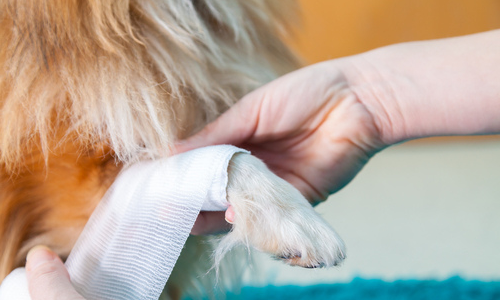
A light dressing can protect a wound from dirt and reduce licking. It should be snug enough to stay in place but not tight, especially on limbs where swelling can occur. If toes become cold, puffy, or discoloured, the bandage may be too tight and should be removed.8
What “normal healing” tends to look like
Over days, you want to see less redness and swelling, less tenderness, and a drier, cleaner surface. Some mild scabbing can be normal. What you do not want is a wound that seems more painful or more swollen each day, or one that starts oozing or smelling.
Keep your dog from undoing your work
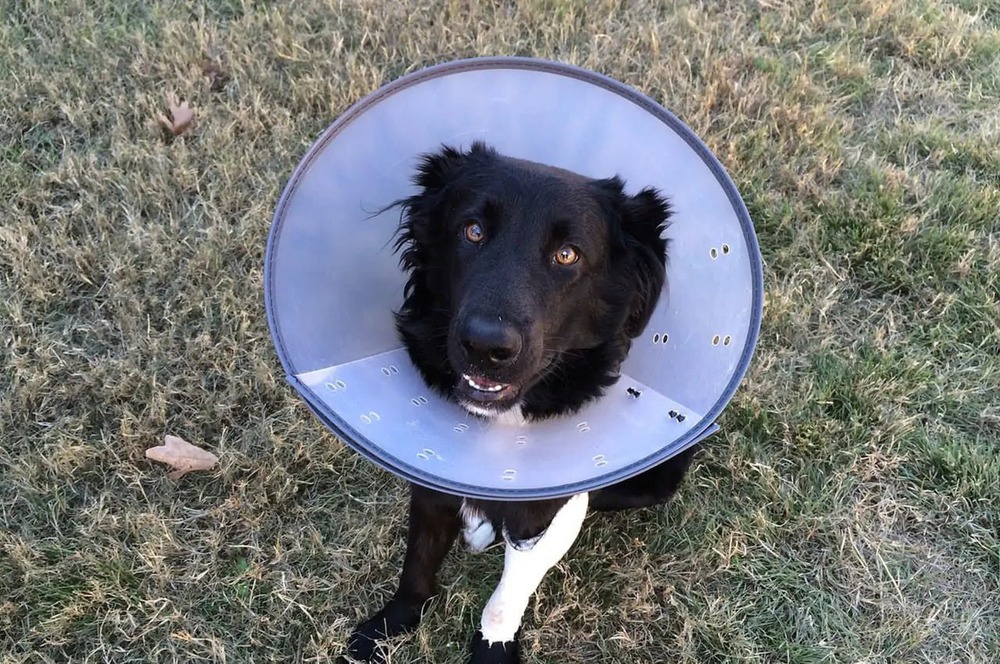
If licking is persistent, an Elizabethan collar or a well-fitted recovery collar is often kinder than repeated “no” or constant supervision. Dogs can disturb a wound surprisingly quickly, particularly overnight.
Preventing wounds and injuries in everyday life
Most prevention is ordinary management. Not bubble-wrapping your dog, just reducing avoidable risks and spotting small issues early.
Simple habits that reduce mishaps
- Do a quick coat-and-skin check after bush walks, beach runs, or rough play, especially between toes and under collars and harnesses.
- Keep yards free of sharp offcuts, protruding wire, and broken pots.
- Use a lead near roads, livestock, and unfamiliar dogs.
- Maintain nails and coat so you can notice swelling, ticks, or small cuts sooner.
If dog fights happen
Trying to grab collars mid-fight can lead to serious bites to people and can worsen injuries. If there is a safe way to interrupt, use barriers, noise, or separation techniques recommended by animal welfare organisations, then get both dogs checked. Even minor-looking bite marks should be assessed.7
Breed and body differences that change wound care
Breed does not change first aid fundamentals, but it can change what you notice and how quickly problems declare themselves.
Coats that hide trouble
Double-coated breeds can conceal punctures, hotspots, and swelling until licking or limping appears. With dense coats, it is often worth parting the hair all the way to skin in good light. If you cannot see the wound clearly, you cannot reliably monitor it.
Thin skin, folds, and pressure points
Sighthounds and other fine-coated dogs may tear skin more easily, while skin folds can hold moisture and bacteria if a wound sits in a crease. Large dogs with bony elbows can develop pressure sores that start small and then break down. In these cases, gentler handling, careful drying, and earlier veterinary input can save time and discomfort.
Final thoughts
Being useful in the moment is mostly about calm basics: stop bleeding, flush well, protect the wound, and observe honestly. If something feels “not quite right”, it is often worth acting on that feeling, particularly with punctures, bites, or wounds that are painful, smelly, or worsening.
When in doubt, call your vet. A quick phone conversation can help you decide whether home care is appropriate, or whether your dog needs to be seen before a small problem becomes a stubborn one.
References
- Merck Veterinary Manual: Initial Wound Management in Small Animals
- Merck Veterinary Manual: Wound Management (Pet Owner)
- MSPCA-Angell: First Aid for Pets
- RSPCA: First Aid for Your Dog
- American Red Cross: Bite Wounds in Dogs
- PetMD: Puncture Wounds in Dogs
- RSPCA: First Aid for Your Dog, internal bleeding signs
- Australia Wide First Aid: Wound Care for Dogs