

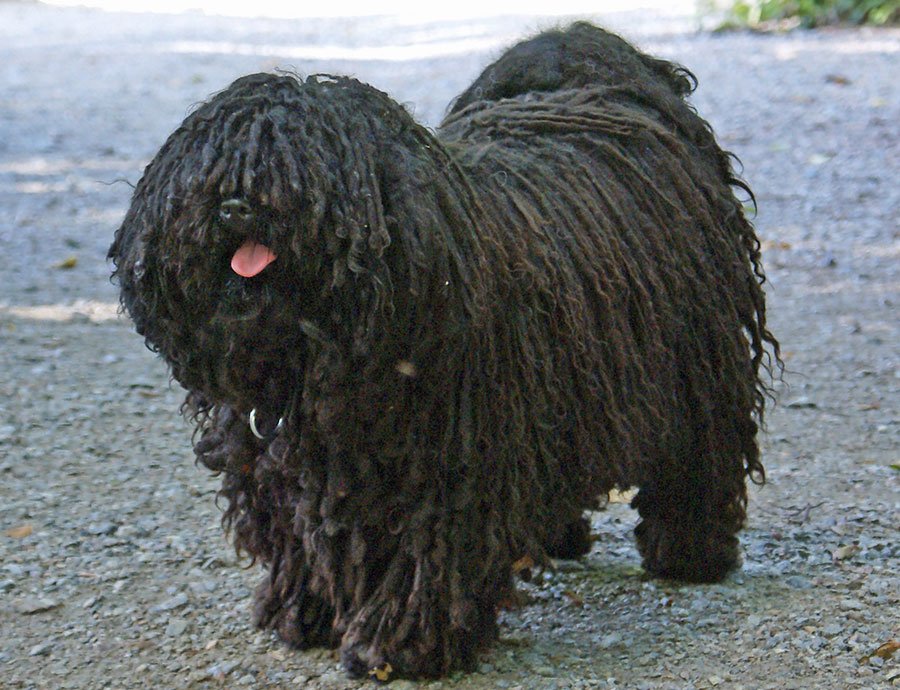
You usually notice a Hungarian Puli before you know what you are looking at. A small, athletic dog moves across the yard and the coat follows in cords, like rope or felted wool. People often assume the coat must be hard to live with, or that the dog underneath is quiet and low-key because it does not shed much.
In day-to-day life, it tends to be the opposite. The Puli is a herding dog in a compact body, quick to observe patterns, quick to react, and usually happiest when there is something to do. The coat can be manageable, but it asks for a certain kind of attention, more hands-on than brush-and-go.
When Pulik thrive, it is usually because their people understand two things early on: this is a working mind, and the cords are not just a hairstyle. Both affect training, exercise, grooming, and even how you set up your home.
At a glance: Hungarian Puli basics
- Group: Herding
- Origin: Hungary
- Height: males about 41 to 46 cm, females about 38 to 43 cm
- Weight: males about 13 to 16 kg, females about 10 to 13 kg
- Life expectancy: commonly around 12 to 16 years
- Coat: long, corded (or can be kept brushed or clipped)
- Shedding: low, hair tends to stay in the coat rather than dropping out
- Energy: very high, benefits from daily exercise and mental work
- Heat: may struggle in hot weather if coat and activity are not managed carefully
History and origin
The Puli developed as a herding dog on the Hungarian plains. Exactly how the earliest Pulik arrived is debated, and you will see different stories repeated, but the consistent theme is that they were valued as practical dogs for moving and controlling livestock, not as ornamental pets.1, 2, 3
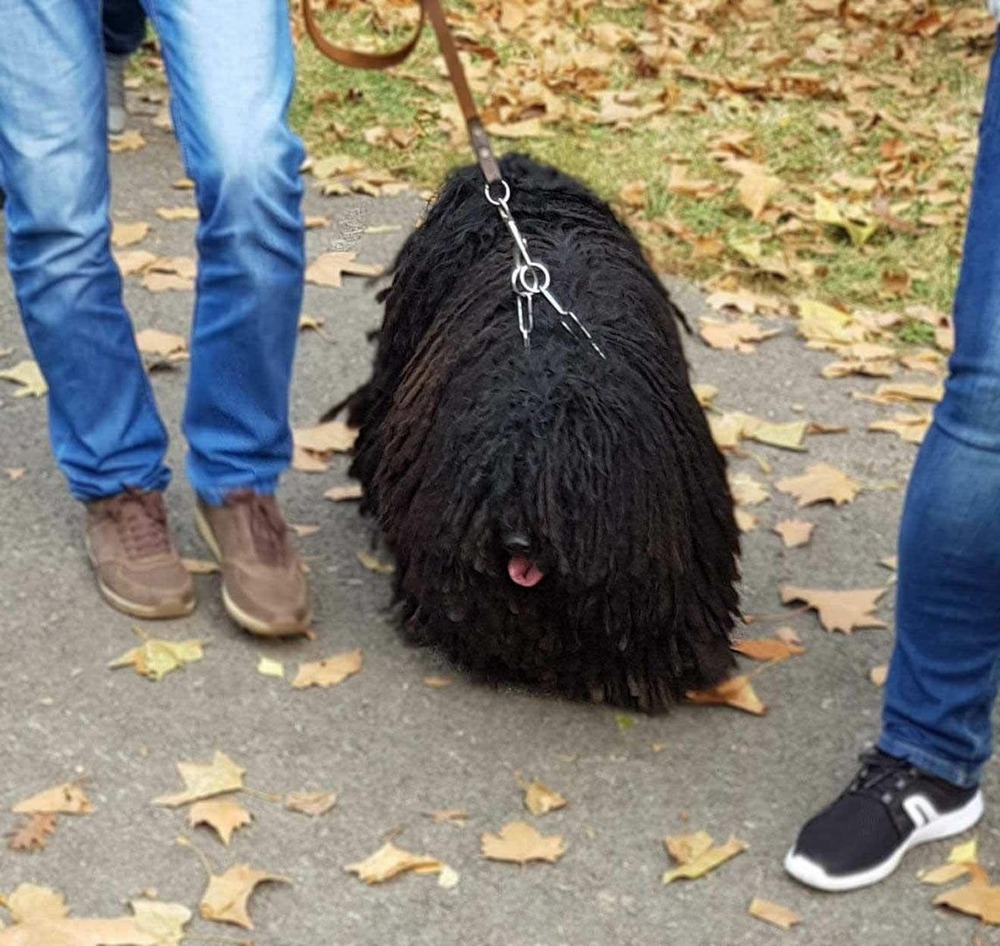
The coat is part of that working history. When the curls are allowed to form cords, the result is a dense, insulating layer that can help protect the dog from weather and from bumps and scrapes in rough country. That same coat, however, changes what “grooming” looks like in modern life, because cords need to be managed rather than simply brushed out.2, 4
In the early 1900s, breed enthusiasts in Hungary worked to document and preserve Hungarian herding breeds, including the Puli, during a time when types and sizes varied more than they do today. This period shaped the written standards that later influenced how Pulik were bred and shown internationally.3, 5
Physical characteristics that matter in everyday care
Most Pulik are medium-small, sturdy, and built for quick turns and sudden bursts of speed. That shows up in the way they move around a home as well as on a farm: they often change direction fast, track movement closely, and can be surprisingly agile for their size.
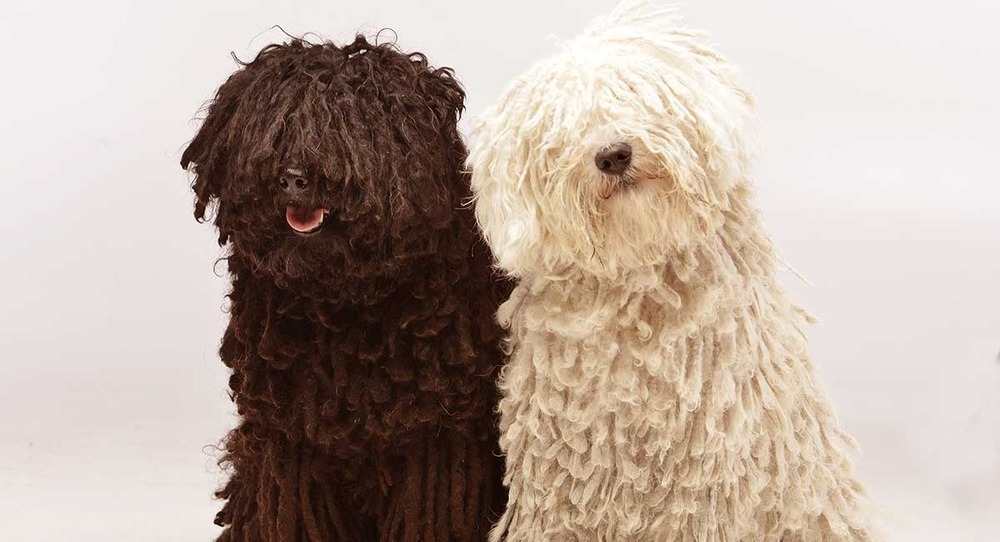
The coat is the headline feature, but it is worth thinking about it in practical terms. Pulik can be kept in full cords, a brushed coat, or clipped short, and each choice changes your weekly routine. A fully corded adult coat can take years to reach full length, and it also takes a long time to wash and dry properly, which matters if your climate is humid or if you do not have a warm, well-ventilated space for drying.4, 6
Another easy-to-miss detail is sensory access. Hair can cover eyes and ears, so owners often need a habit of checking what they cannot easily see. Skin checks under the cords are part of good Puli care, not an optional extra.6
Temperament and behaviour
Pulik are commonly described as intelligent, alert, and loyal. In practice, that often looks like a dog that notices routines quickly, offers behaviours readily, and learns patterns, both the ones you meant to teach and the ones you did not.
Because they are herders, some Pulik will try to control motion: jogging children, cyclists, visitors moving through a hallway, or other pets running in the yard. It is not helpful to label this as “naughty” or “dominant”. It is more accurate to see it as a normal impulse that needs guidance, management, and outlets.7
In family life, a well-socialised Puli can be an excellent companion, especially for people who enjoy training games, structured play, and daily movement. The main mismatch tends to happen when a household expects a low-maintenance dog because of the low shedding, but then finds the dog needs daily engagement to stay settled.7, 8
Training and exercise needs
Pulik usually respond best to training that is clear, consistent, and reward-based. That is partly because it supports learning, and partly because harsh methods can create fallout, such as anxiety, avoidance, or defensive behaviour, which is the last thing you want in a fast-moving, observant dog.7, 9
Exercise is rarely just “a quick walk” for this breed. Many Pulik benefit from a mix of:
- steady physical exercise (walks, jogging, hiking, controlled off-lead time where safe)
- training sessions that feel like a job (recall games, trick chains, scent games)
- enrichment that encourages normal dog behaviour, especially sniffing and problem-solving
It is also worth pacing activity in hot weather. A corded coat can trap heat, and an enthusiastic Puli may keep going long after it would be sensible. Owners often do best when they plan exercise for cooler parts of the day and use shade, water, and rest as part of the routine, not as an afterthought.8
Health and lifespan
The Puli is generally considered a robust breed, with many living into their teens, but there are still health issues worth keeping in mind. Hip dysplasia is a known concern in dogs generally, and reputable breeders commonly screen breeding stock.6
Eye disease is another area that can come up in the breed, including inherited retinal conditions such as progressive retinal atrophy (PRA). The practical takeaway is not to panic, but to treat breeder health testing and routine veterinary checks as normal, sensible safeguards.10
If you are choosing a puppy, ask what health testing has been done (and ask to see evidence). If you already live with a Puli, aim for a routine that supports long-term mobility and comfort: lean body condition, regular exercise, and veterinary advice early rather than late.
Grooming and coat maintenance
The Puli coat is often described as “low shedding”, but it is not low work. The work is simply different. Hair tends to stay in the coat, which is why the cords form, and why neglect becomes a real welfare issue rather than a cosmetic one.6
If you keep a corded coat, the key job is to help cords form cleanly and then keep them separated so they do not become a single heavy mat. Many owners do this with regular hands-on separation, especially while the coat is changing from fluffy puppy coat to adult texture.4, 6
Bathing is possible, but drying is the bigger challenge. A wet, corded coat can take a very long time to dry fully. That matters because dampness held close to the skin can contribute to irritation and odour. In some households, a shorter clip is a practical choice, particularly in warmer climates or for people new to cord care.6
Diet and keeping a healthy weight
Pulik are energetic, but they can still gain weight if calories creep up, especially if training treats are frequent or enrichment is mostly food-based. A healthy, lean body condition supports joints, stamina, and heat tolerance.
Rather than chasing a perfect brand, aim for a consistent, complete diet that suits your dog’s age and workload, then adjust portions based on body condition and veterinary advice. It also helps to build a few non-food rewards into daily life, such as play, sniffing time, and access to favourite activities, so food does not carry the whole load in training.
Living with a Puli in a modern home
Pulik can live well in smaller homes, including apartments, but only when their daily rhythm includes enough movement and enough thinking. Without that, the dog may create its own activities, which often look like barking at passers-by, chasing motion, or dismantling household items one string at a time.
If you are deciding whether this breed fits your life, it is worth being honest about the two ongoing commitments: structured daily activity and coat care that you can sustain. When those needs are met, a Puli can be a lively, responsive companion, and a very capable partner for sports and training.
References
- American Kennel Club: Puli history
- American Kennel Club: Puli breed information
- Federation Cynologique Internationale (FCI): Breed standard No. 055, Puli (PDF)
- Puli Club of America: Puli overview and coat care
- Hungária Puli Klub: The origin of the Puli (English)
- VCA Animal Hospitals: Puli breed care, grooming, and health overview
- RSPCA Australia Knowledgebase: Reward-based training recommendations
- RSPCA Australia: The importance of enrichment for dogs
- RSPCA Australia Knowledgebase: Why the RSPCA supports reward-based dog training
- Orthopedic Foundation for Animals (OFA): Eye certification and inherited eye disease screening