


- Breed category: Herding
- Country of origin: Hungary
- Average height: Males 41 to 47 cm, females 38 to 44 cm
- Average weight: Males 10 to 15 kg, females 8 to 13 kg
- Average lifespan: 12 to 14 years
- Coat: Curly, dense, low shedding
- Exercise needs: High, daily physical activity plus mental work
- Temperament: Energetic, intelligent, alert
- Common issues to watch: Hip dysplasia, patellar luxation
- Apartment living: Often workable if exercise and training are consistent
People usually end up looking into the Hungarian Pumi after noticing a certain sort of dog in the park or on social media, mid-sized, curly-coated, with those half-pricked ears that seem to shift as it listens. It looks like a companion dog, but it moves like a working dog, quick to notice everything and often quicker to comment on it.
It is easy to assume that a low-shedding coat means “low maintenance”, or that a medium-sized dog will naturally fit into most households. With a Pumi, the more useful question is how you want to live with an observant, busy-minded herding breed, and whether you can give it enough to do so it is not left to invent its own job.
When the Pumi’s needs are met, it tends to be an engaging, trainable dog that slots neatly into an active routine. When they are not, the same strengths, alertness, speed, persistence, can show up as nuisance barking, frustration, or a dog that cannot switch off easily.
Where the Hungarian Pumi comes from
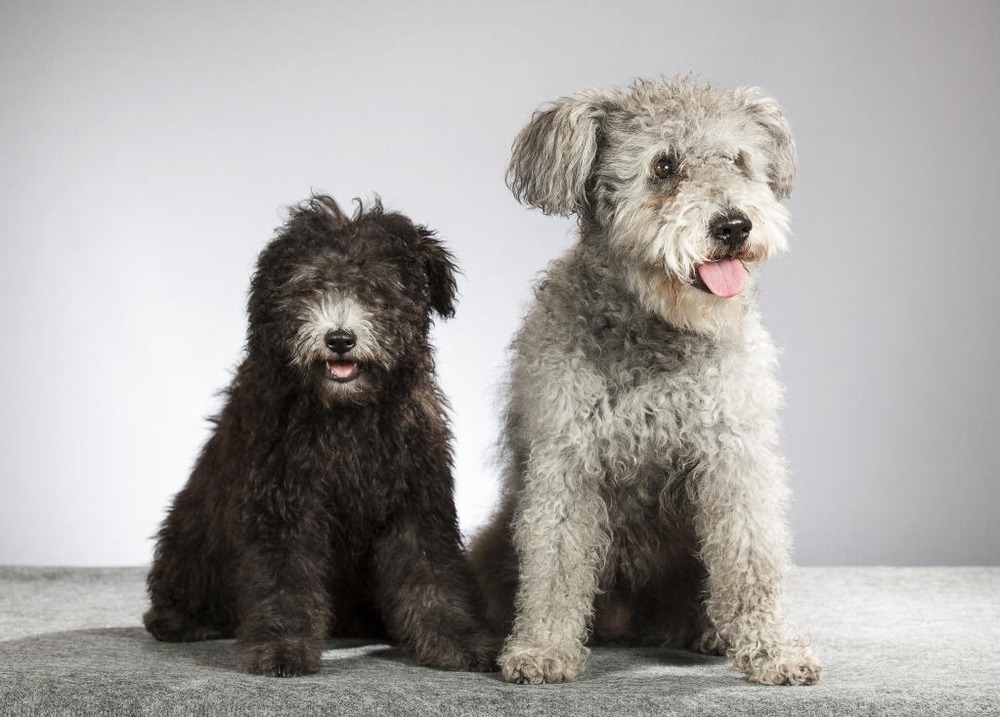
The Pumi developed in Hungary as a practical farm and herding dog, shaped by generations of work rather than by fashion. Modern breed histories commonly describe it as related to the older Hungarian Puli, with influence from other European herding and driving dogs that travelled alongside livestock trading routes. Over time, the result was a dog that could move stock with speed and initiative, and that could also stay close to people and take direction. 1, 2
Internationally, the Pumi has been recognised for decades, including by the Federation Cynologique Internationale (FCI), which lists it as a Hungarian breed in Group 1 (sheepdogs and cattledogs). 1
In the United States, the American Kennel Club (AKC) granted full recognition in 2016 and placed the Pumi in the Herding Group. This date often comes up because it is when the breed became eligible for standard AKC group competition. 3, 4
What a Pumi is like to live with
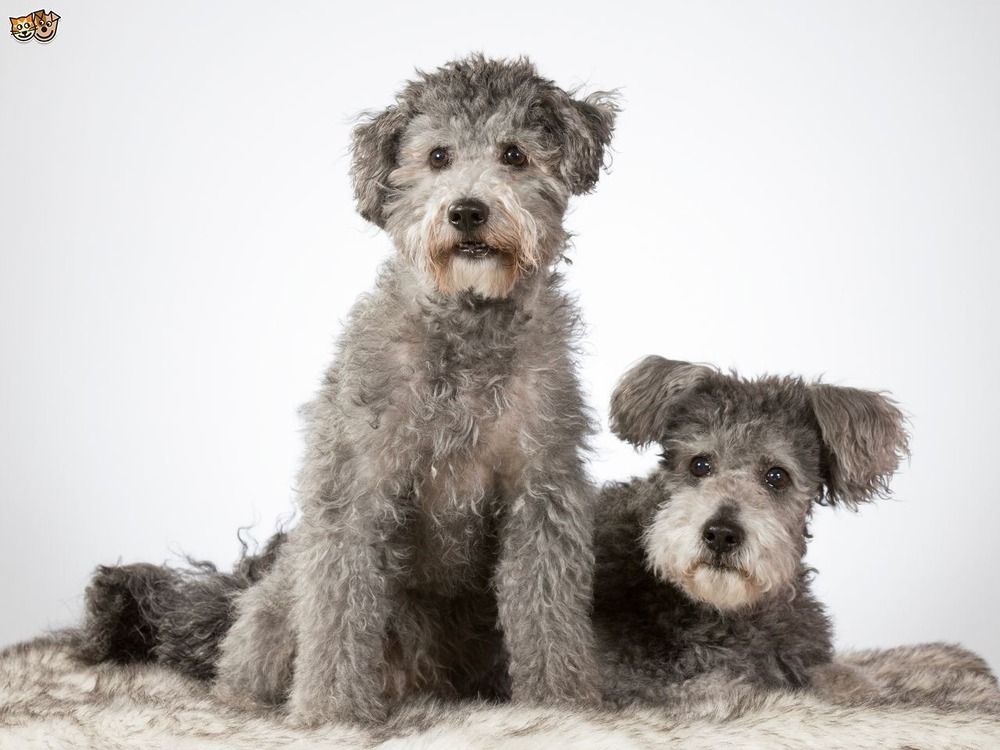
Most Pumis read as bright and responsive. They tend to notice changes in the environment, people approaching, unfamiliar sounds, a bird landing in the yard, which can be part of their charm and also the reason they can be vocal. This is not “bad behaviour” so much as a dog doing what it was shaped to do: monitor, react, and keep the group together.
They often do well with families who enjoy training and who like a dog that participates in daily life. That said, a Pumi can be a lot for households that want an easy-going dog that largely entertains itself, or for homes where consistent exercise is hard to provide.
With children and other pets, the pattern is similar to many herding breeds: socialisation and supervision matter. Some individuals may attempt to control movement by circling, shadowing, or nipping at heels, particularly with fast-running kids. It is usually more productive to treat this as a training and management task than as a “personality flaw”. Teach calm behaviours early, reward them heavily, and give the dog structured outlets for its drive.
Training and socialisation that actually helps
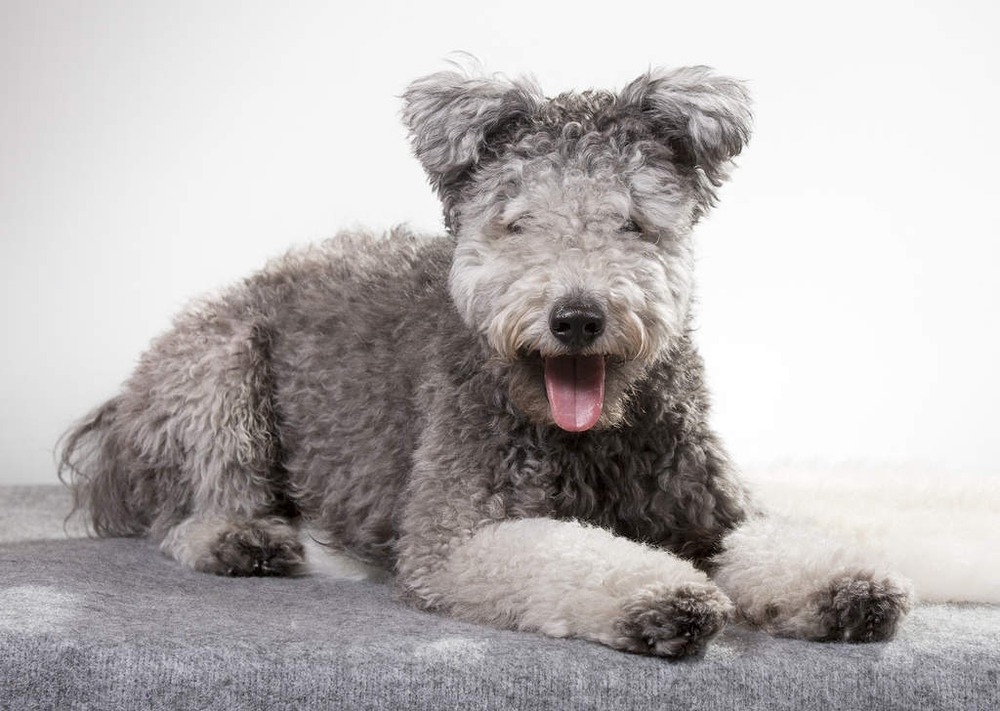
A Pumi typically learns quickly, but quick learners can also rehearse unwanted habits quickly. The goal is not to “wear them out” in a vague way. It is to build skills that make everyday life smoother, settling on a mat, coming when called, walking on a loose lead, and staying relaxed around visitors.
In practice, reward-based training suits this breed well. It keeps sessions upbeat and clear, and it helps you reinforce the exact behaviours you want to see more often. Australian RSPCA guidance strongly supports reward-based methods and advises avoiding aversive tools or punishment-based approaches, which can increase risk and worsen behaviour issues. 5, 6
If you are shaping a young Pumi, focus on:
- Short, frequent sessions rather than long drills.
- Planned social exposure, varied surfaces, calm dogs, friendly people, and places where nothing dramatic happens.
- Reinforcing quiet observation, not just excitement and speed.
- Management while learning, baby gates, leads, and chew options so the dog does not practise the wrong thing all day.
Exercise, enrichment, and the “busy brain” problem
The Pumi’s exercise needs are often described as “high”, but it is worth unpacking what that means. A long walk helps, but many Pumis also need regular mental work to feel settled. Think sniffing games, short training bursts, food puzzles, and dog sports that are taught thoughtfully (agility, rally, obedience).
When a Pumi is under-stimulated, the common outcomes are predictable: barking at every sound, pestering other pets, or chasing movement. These are not mysterious quirks. They are a dog trying to meet its own needs, using the only tools it has.
On hot days, be careful with the “more exercise is always better” mindset. Heat stress can escalate quickly in dogs, particularly if they are overexcited and will not self-regulate. Learn the early signs, heavy panting, drooling, weakness, vomiting, collapse, and adjust exercise timing and intensity accordingly. If you suspect heatstroke, cool the dog with cool water (not ice) and contact a vet urgently. 7, 8
Health notes to discuss with your vet and breeder
Pumis are often described as generally healthy, with many living into their early teens, but “healthy breed” does not mean “no health risks”. Two issues that are often mentioned in breed discussions are hip dysplasia and patellar luxation (kneecap instability). If you are buying a puppy, it is reasonable to ask what screening the breeder does and what the results mean in plain language.
Hip dysplasia is a developmental condition of the hip joint, and it can contribute to pain and osteoarthritis over time. Patellar luxation can vary from mild to severe, and in some dogs it can affect comfort and gait. Your vet can advise on monitoring, appropriate exercise, body condition, and when imaging or referral is helpful. 9, 10
Practical, boring steps still do the most good:
- Keep a lean body condition, extra weight increases strain on joints.
- Build fitness gradually, especially in young dogs.
- Book routine check-ups and raise concerns early, stiffness, skipping steps, reluctance to jump, or uneven gait.
Coat care that keeps the curls comfortable
The Pumi coat is often described as low shedding, but it is not “no work”. Curly coats can mat if left unattended, especially behind the ears, in armpits, and around the collar area.
A sensible routine is usually moderate brushing and combing, with occasional trimming to keep the coat functional. Aim for a rhythm you can maintain, rather than a big grooming marathon every few months. Regular ear checks also matter, as semi-erect ears can still trap debris and moisture.
Final thoughts on choosing a Pumi
The Hungarian Pumi suits people who genuinely enjoy living with an alert, engaged dog and who can provide consistent training, daily activity, and a bit of structure. It is often a lovely match for active families and for owners who want to do dog sports or training as a hobby.
If you are drawn to the look but not the pace, it is worth spending time with adult Pumis, not just puppies, and talking to breeders and trainers about what typical days look like. The best outcomes usually come from simple alignment: the dog you want, and the dog you actually have time to live with.
References
- Federation Cynologique Internationale (FCI): Pumi (No. 56)
- American Kennel Club: Meet the Pumi, the New Dog on the Block
- American Kennel Club (press release via PR Newswire): Pumi Joins The Pack As AKC’s 190th Breed (22 June 2016)
- American Kennel Club: Breeds by Year Recognized
- RSPCA Knowledgebase: What is reward-based dog training and why does the RSPCA support it?
- RSPCA Knowledgebase: Is it important to train my dog, what sort of training would you recommend?
- RSPCA NSW: Heat stress
- Agriculture Victoria: Heat and pets
- VCA Hospitals: Hip dysplasia diagnosis and management
- VCA Hospitals: Luxating patella in dogs