

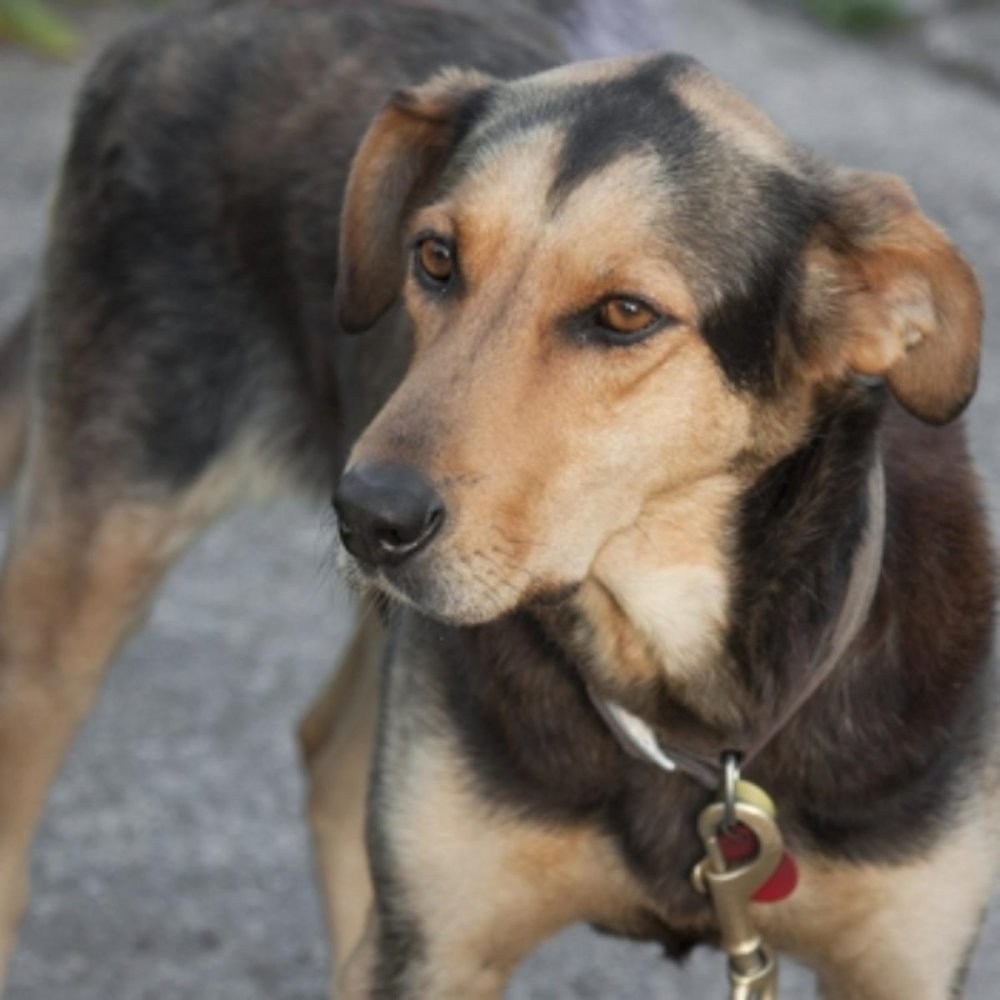
People often first notice a Huntaway because of the sound. Maybe you have met one on a rural property, heard about a “barking sheepdog” from New Zealand, or you are considering a working-breed rescue and want to know what you are actually signing up for.
It is easy to lump all herding dogs together, as if they are interchangeable with different coats. In practice, the Huntaway sits in a very specific niche: a dog shaped by big country, long days, and the need to move stock at distance with a strong, sustained bark.1, 2
That difference matters at home. A Huntaway can be a steady, rewarding companion in the right setting, but the same traits that make the breed useful on a station can become hard work in a suburban backyard, especially if barking, exercise, and mental load are underestimated.6
At a glance: the Huntaway in everyday terms
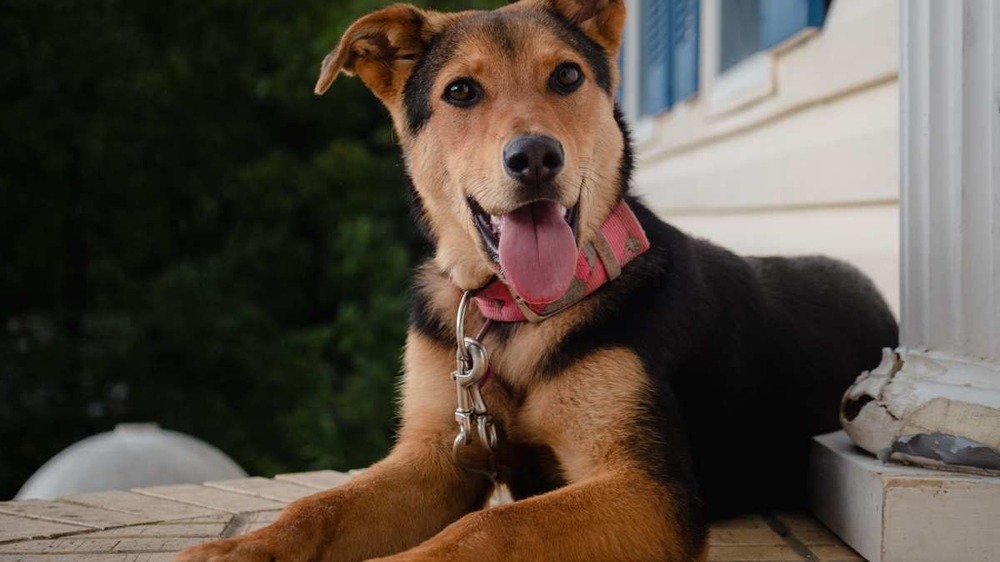
Breed type: Working sheepdog from New Zealand, developed for driving sheep using voice and presence rather than silent “eye” work.1, 2
- Size: medium to large, commonly around 56 to 66 cm tall and roughly 25 to 40 kg (working lines vary).3
- Coat: often short to medium, but coat and colour can vary more than many pedigree breeds.2, 3
- Signature trait: a strong, repeatable bark used to move stock over distance.1, 2
- General vibe: energetic, capable, people-attentive when well handled, easily restless if underworked.2
History and origin

The Huntaway developed in New Zealand in response to local farming conditions, particularly the need to shift large numbers of sheep across rugged terrain and wide paddocks. Instead of creeping and staring stock into motion, these dogs were selected for the ability to drive sheep with a deep bark and keep going for long stretches.1, 2
On many properties, Huntaways work alongside heading dogs as part of a team. The heading dog gathers and controls, while Huntaways push and move mobs where the handler needs them, including yards and woolsheds.1, 2
Dogs New Zealand (formerly the New Zealand Kennel Club) recognises the NZ Huntaway as a New Zealand breed, but it is also common to hear experienced stock handlers describe Huntaways as “bred for work first”, with real variation in type depending on job and region.4
Physical characteristics (and why they vary)
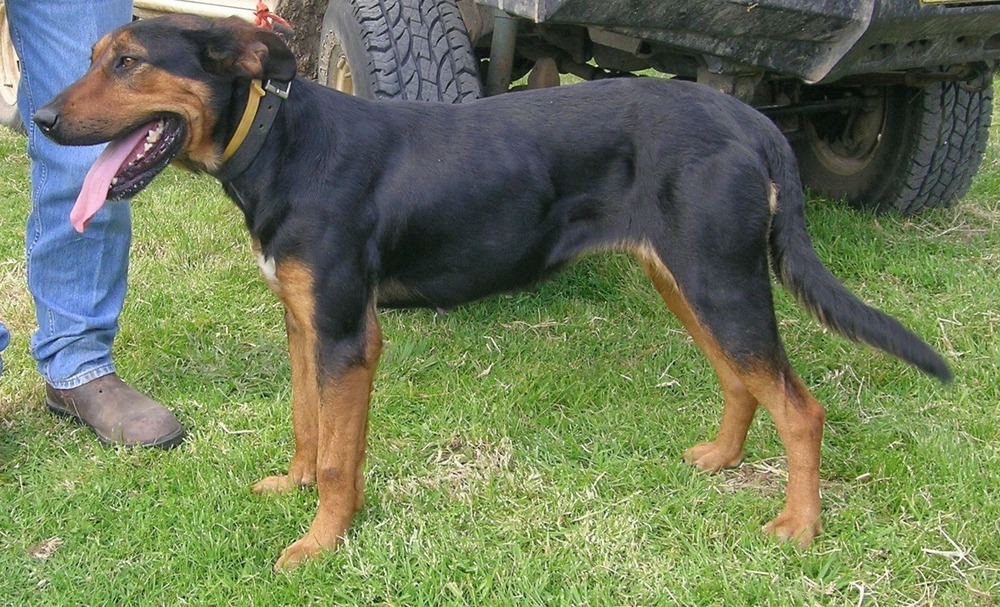
Most Huntaways you meet will look like athletes. They tend to be deep chested, strong through the shoulders and hindquarters, and built for steady movement over uneven ground. Height and weight commonly sit in the mid to large range, but you will still see plenty of variation, especially outside show-oriented circles.3, 4
Coats can be smooth or a bit rougher, and while black and tan is common, colour is not the point of the breed. The practical focus has always been on function over uniform appearance.2, 3
Temperament and behaviour
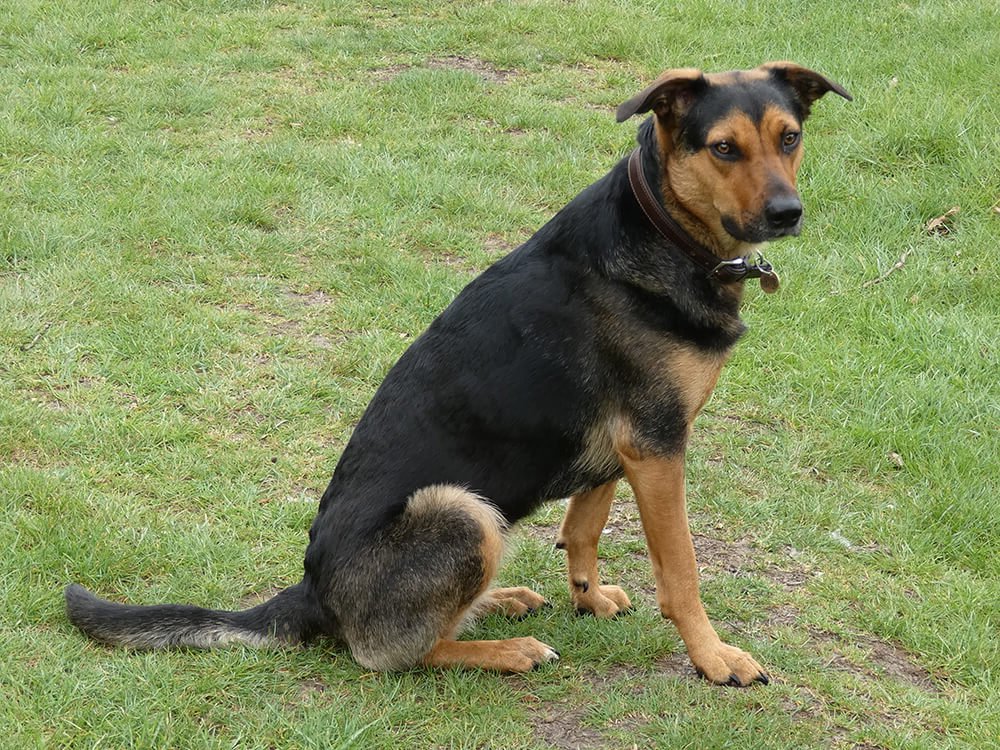
A well-managed Huntaway often comes across as bright, responsive, and surprisingly sensible for such a high-drive dog. They are typically quick to learn patterns and routines, and many are naturally tuned to what their handler is doing. That said, they are not a “switch off” breed. If the day has no structure, they will usually invent one.
The biggest behavioural misunderstanding is treating the bark as a simple habit to be trained out. For Huntaways, vocalising is part of how they have been selected to work. You can teach cues and boundaries, and you can reduce unnecessary barking by meeting needs properly, but it helps to start from a realistic assumption: this is a naturally vocal worker.1, 6
With children and other pets, outcomes tend to depend on early socialisation, supervision, and whether the dog has enough physical outlet. Herding breeds can rehearse chasing, circling, and pestering behaviours if they are bored or over-aroused, so calm training and thoughtful management matter more than bravado.
Training, exercise, and the “voice” issue
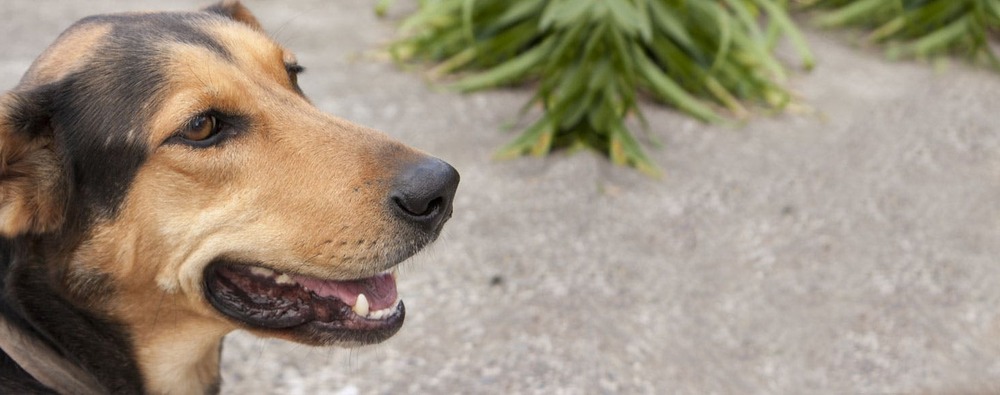
Training a Huntaway usually goes best when it is practical and consistent. Short sessions, clear cues, and reinforcement for the behaviour you want will typically get you further than harsh corrections, particularly with dogs that already have a strong engine.
Exercise needs are high, but “more running” is not the full answer. Many Huntaways need a mix of:
- steady physical work (long walks, hiking, controlled running)
- brain work (obedience, scent games, structured retrieving)
- downshift practice (settle training, calm routines, rest)
If you are living close to neighbours, barking management has to be part of the plan. Excessive barking is commonly linked with under-exercise, boredom, confinement, and unsuitable living arrangements, all of which can apply when a working dog is placed in a small space with little to do.6
Health and lifespan
Huntaways are often described as robust, and many are, but any medium to large, highly active dog can run into joint and mobility problems over time. Hip dysplasia is one condition seen across many larger breeds and working types, and it can show up as stiffness, reluctance to jump, changes in gait, or reduced willingness to exercise.7
Weight management is not just about looks. Keeping a dog lean reduces load on joints, and rapid weight gain during growth can complicate hip development in susceptible dogs.7
Lifespan figures vary by line and lifestyle. Many sources commonly cite something in the low to mid teens, but it is more useful to think in terms of what you can influence: maintaining fitness without overdoing impact, keeping the dog lean, and having a vet check new stiffness early rather than waiting for it to become the dog’s normal.
Grooming and day-to-day maintenance
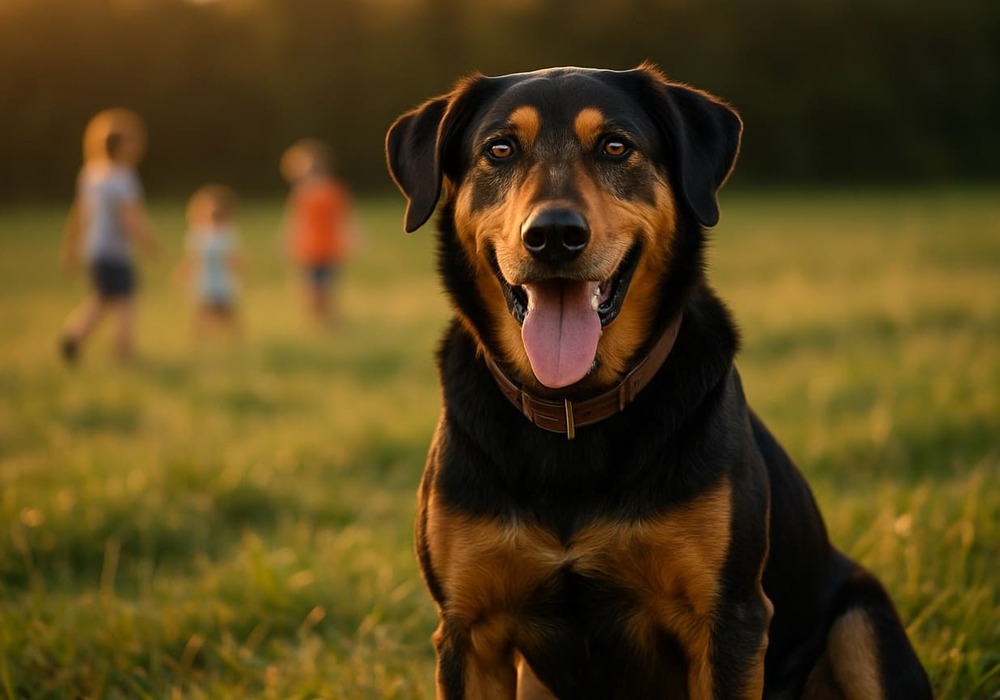
Most Huntaways are fairly straightforward to keep clean. A weekly brush is often enough to remove loose hair and seeds, and it gives you a chance to check ears, skin, and paws after big outings.
Because these dogs tend to live actively, the practical maintenance is often about wear and tear rather than glamour: nails kept short for traction, pads checked for splits, and a habit of rinsing off mud and grass seeds before they become irritation.
Diet and nutrition for an active working breed
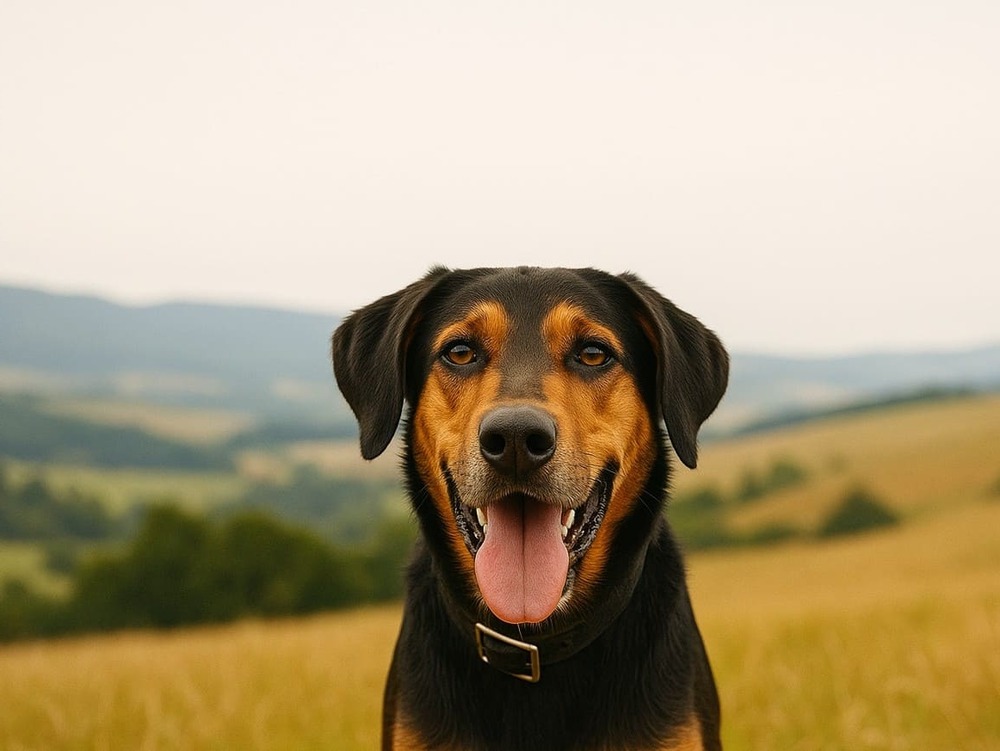
Huntaways typically do best on a diet that supports steady energy, muscle maintenance, and recovery. The most useful day-to-day tool is not a perfect ingredient list, but regular body condition checks, so you can adjust portions as workload changes through seasons or life stage.5
If you are unsure whether your dog is carrying extra weight, ask your vet to show you how to assess body condition and muscle condition. Aim for lean, athletic condition rather than “solid” as a default, especially if you are trying to protect joints over a long life.5, 7
Living with a Huntaway: who it suits best
A Huntaway often suits people who genuinely enjoy training and spending time outside, and who have space or a plan for daily outlets. Rural homes, farm work, and structured dog sports can all suit, as long as the dog is also taught how to rest.
Where things can unravel is when the dog’s needs are assumed to be similar to a “normal family dog”. In a small yard, with irregular exercise, a Huntaway may become noisy, destructive, or hard to settle. That is not a moral failing on either side, it is usually a mismatch between dog and environment.
Fun notes: trials and community culture
Huntaways have a visible place in New Zealand’s working-dog culture, including sheep dog trials that test driving and control. Trial formats include events designed specifically for Huntaways, where the dog must bark and push sheep up a marked course under time limits.8
You will also see Huntaways celebrated in local events and festivals, which reflects how closely these dogs are woven into rural life and identity in parts of New Zealand.9
Final thoughts
The Huntaway is not “just a loud dog”. It is a capable, practical working breed built for long days and real tasks. In the right home, that can mean a steady companion with an impressive ability to learn and work alongside people.
If you are considering one, the kindest approach is also the most realistic: plan for daily structure, training, and outlet, and assume you will be living with some level of barking as part of the package. Done well, a Huntaway can be a genuine pleasure to share life with, especially for people who like their dogs to have a job, even if that job is simply being an active partner in an active household.
References
- Te Ara Encyclopedia of New Zealand: Farm dogs
- Te Ara Encyclopedia of New Zealand: Heading dogs, huntaways and all-purpose dogs
- Wikipedia: Huntaway (overview and common size range)
- Dogs New Zealand: NZ Huntaway breed standard
- WSAVA: Global Nutrition Guidelines (body condition and nutrition assessment tools)
- NSW EPA: Dealing with barking dogs
- American College of Veterinary Surgeons: Canine hip dysplasia
- Te Ara Encyclopedia of New Zealand: Farm dogs (print view, sheep dog trial classes including huntaways)
- Wikipedia: Shepherd’s Shemozzle (Hunterville Huntaway Festival event)