

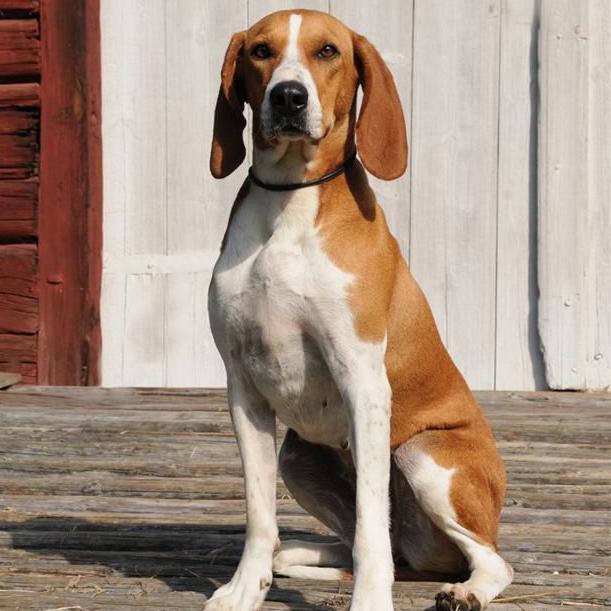
People usually come across the Hygen Hound in one of two ways: they notice a compact, athletic scenthound in a photo and wonder what it is, or they start looking into rarer European hunting breeds because nothing else quite matches the mix of stamina, voice, and nose.
It is tempting to assume that a “hound” will either be hectic and hard to live with, or placid and low-energy indoors. With the Hygenhund, the truth sits somewhere in between. Bred for long days on the move, it tends to cope best when life includes purposeful exercise and time to follow scents, not just a quick lap of the block.
For anyone considering the breed (or simply trying to understand one they have met), the practical questions matter most: what were they bred to do, how do they behave when their needs are met, and what does everyday care look like when you live with a dog that is designed to hunt by scent?
- Breed category: Hound
- Country of origin: Norway
- Typical height: about 47 to 58 cm (varies by sex and standard)
- Typical weight: commonly around 20 to 25 kg
- Coat: short, dense, weather-resistant
- Exercise needs: high, daily physical activity plus sniffing enrichment
- Grooming: generally low, with regular brushing and ear care
Early development and role in Norwegian hunting
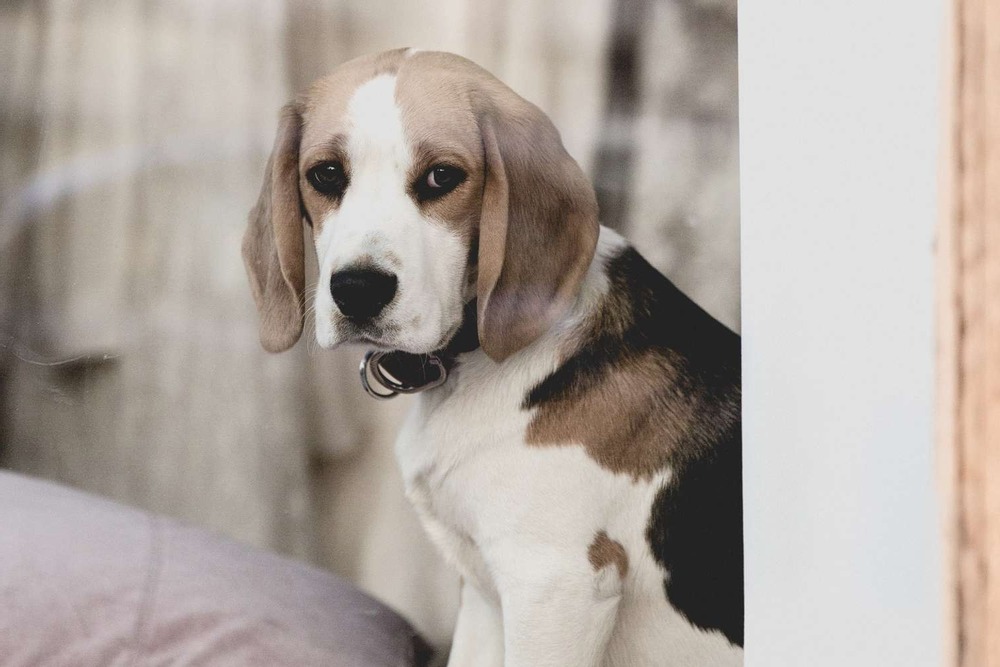
The Hygenhund is a Norwegian scenthound developed for hare hunting, with roots that trace back to breeding work begun in the 1830s by Hans Fredrik Hygen in the Ringerike area.1, 2 The goal was a dog that could keep working across difficult ground and in cold conditions, following a scent trail for long stretches without falling apart physically.
That background matters because it explains a lot of what people notice today: a dog that can look calm at home, then switch on the moment it has a job to do. When Hygen Hounds struggle, it is often less about “naughtiness” and more about a life that offers too few outlets for tracking and steady movement.
In modern terms, you can think of the Hygenhund as a specialist: a working nose with legs. It was shaped by function first, and looks and lifestyle fit flow from that.
Recognition and breed status
The Hygenhund is recognised internationally by the FCI as a medium-sized scenthound (Group 6), with final recognition recorded by the FCI in 1965 and an FCI standard published later.3 In Norway, the breed is considered uncommon, and the Norwegian Kennel Club has noted very low registration numbers in recent years.2
Appearance and the traits that show up in daily life
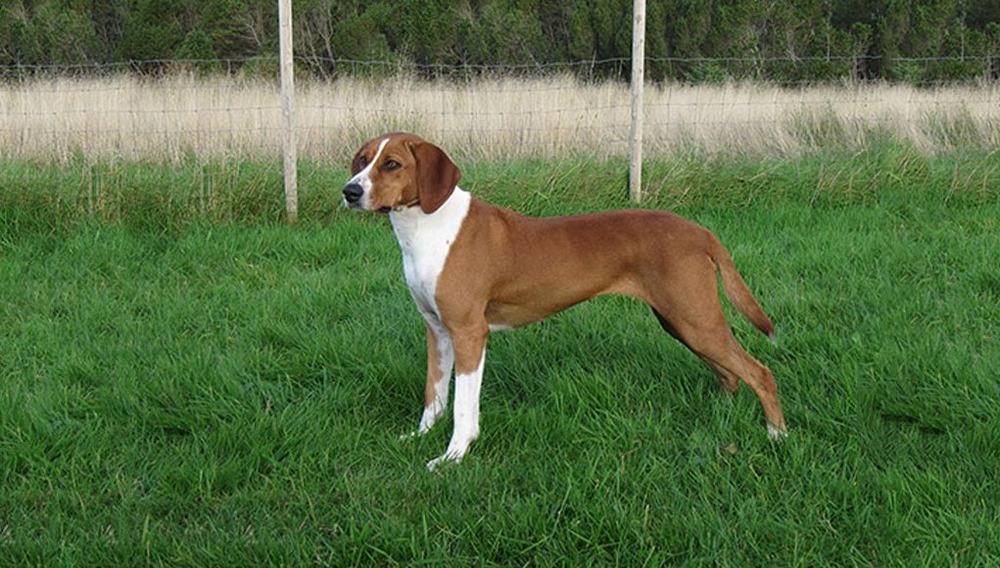
The Hygen Hound is built like a practical athlete: medium size, strong through the body, and made to move efficiently over distance. Breed descriptions consistently emphasise a dense, straight coat and clearly defined colours that often include red-brown or yellow-red, sometimes with black shading, and black and tan patterns, frequently with white markings.4
Those physical details are interesting, but the more useful “unique trait” is what owners tend to feel on the lead: serious stamina. A Hygenhund that only gets short, repetitive walks is likely to go looking for its own entertainment. Given enough movement, chances to sniff, and a bit of structure, many settle more readily indoors than people expect from a hunting hound.
Temperament, without the fairy tale
Most descriptions of the breed point to an even, workable dog that can live as a companion, especially when it gets consistent activity and training.2 Still, it helps to be realistic about scenthounds. They are often motivated by smell more than praise, and they can become selectively deaf when a trail matters more than you do in that moment.
That is not stubbornness as a personality flaw. It is a predictable outcome of breeding for independence in the field. The practical approach is to make recall and lead skills non-negotiable, and to build routines that give the dog appropriate ways to use its nose.
Personality and suitability for homes
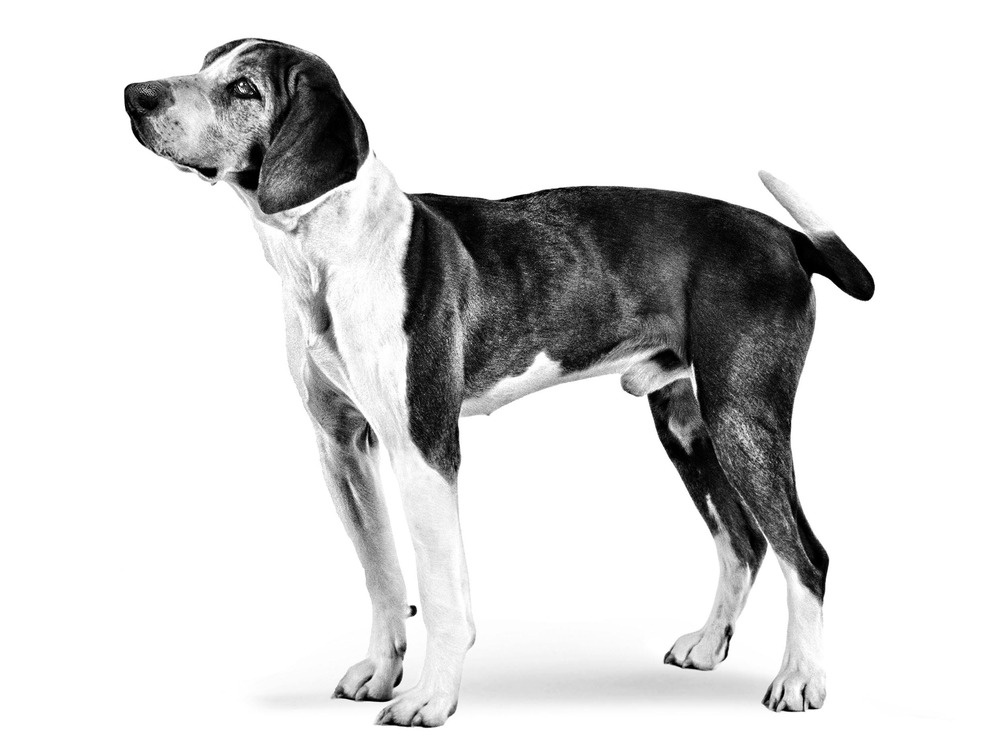
The Hygen Hound tends to suit people who enjoy being outdoors and can offer daily exercise that is more than a quick “leg stretch”. Think steady movement, variety, and time for decompression sniffing. When those needs are met, many Hygenhunds are described as pleasant to have in the house.2
If you are choosing between “active family dog” and “serious working dog”, it helps to hold both ideas at once. They can be companionable, but they are not decorative. A bored Hygenhund is very good at inventing jobs, and you might not like the ones it chooses.
Children and other animals
As with any breed, behaviour around children and other pets is shaped by early socialisation, management, and the individual dog. Many scenthounds can be steady family companions, but it is wise to supervise interactions with young children and to be mindful of prey drive around small pets.
Training and exercise that respects the breed
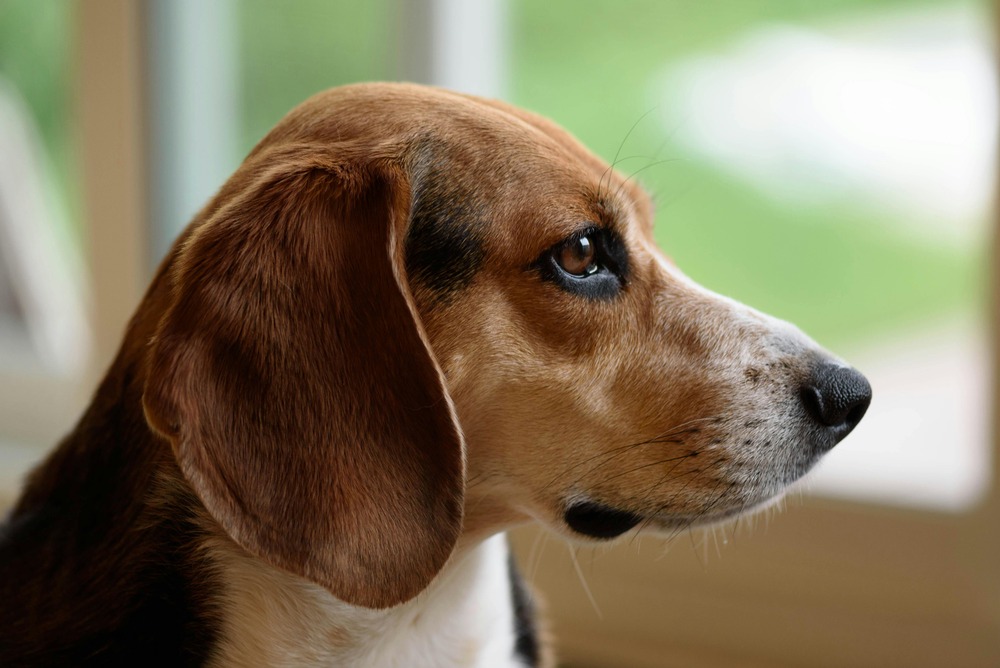
Training tends to go best when it is calm, consistent, and reward-based, with repetition that feels worthwhile to the dog. For a Hygenhund, “worthwhile” often means food, access to sniffing, or movement. Short sessions, practiced often, usually beat long drills.
Exercise needs are high, but it is not only about kilometres. A hound that never gets to follow scent trails can still be under-stimulated, even if it is physically tired. Sniffing is a real outlet, not a distraction to be corrected.
If you want a structured activity that suits nose-led dogs, scent work can be a good fit because it channels natural tracking behaviours into a safe routine and can be adapted for many temperaments.5
- Daily movement: long walks, hikes, or controlled running, adjusted for age and fitness
- Nose time: scatter feeding, “find it” games, or scent work sessions
- Life skills: loose-lead walking, recall foundations, calm settling at home
Health considerations and preventative care
No single article can predict the health of an individual dog, especially in a rare breed where lines may vary. Still, there are a few themes that come up repeatedly in active, medium-to-large dogs: joint health, weight management, and ear health.
Hip dysplasia and sensible risk reduction
Canine hip dysplasia is influenced by genetics and environment. You cannot fully “prevent” it in a predisposed dog, but you can reduce the likelihood of problems showing up early, and you can often improve comfort with good management.6, 7 Keeping a dog lean, building fitness gradually, and avoiding rapid weight gain in puppyhood are all commonly recommended strategies.7
For breeders, screening hips with radiographs and using established assessment schemes is a key part of reducing risk across generations.6
Ear infections and long ears
Long, drooping ears can create a warm, less-ventilated environment, which can contribute to otitis externa in some dogs. Otitis externa is common in dogs, and recurrence is often linked to underlying causes such as allergy, moisture, or chronic skin issues rather than simple “dirty ears”.8
Routine ear care is best kept simple: check regularly, keep ears dry after swims and baths, and ask your vet to show you how to clean safely if your dog is prone to problems. Avoid poking tools into the ear canal, since that can worsen irritation or pack debris deeper.9
Grooming, coat care, and everyday maintenance
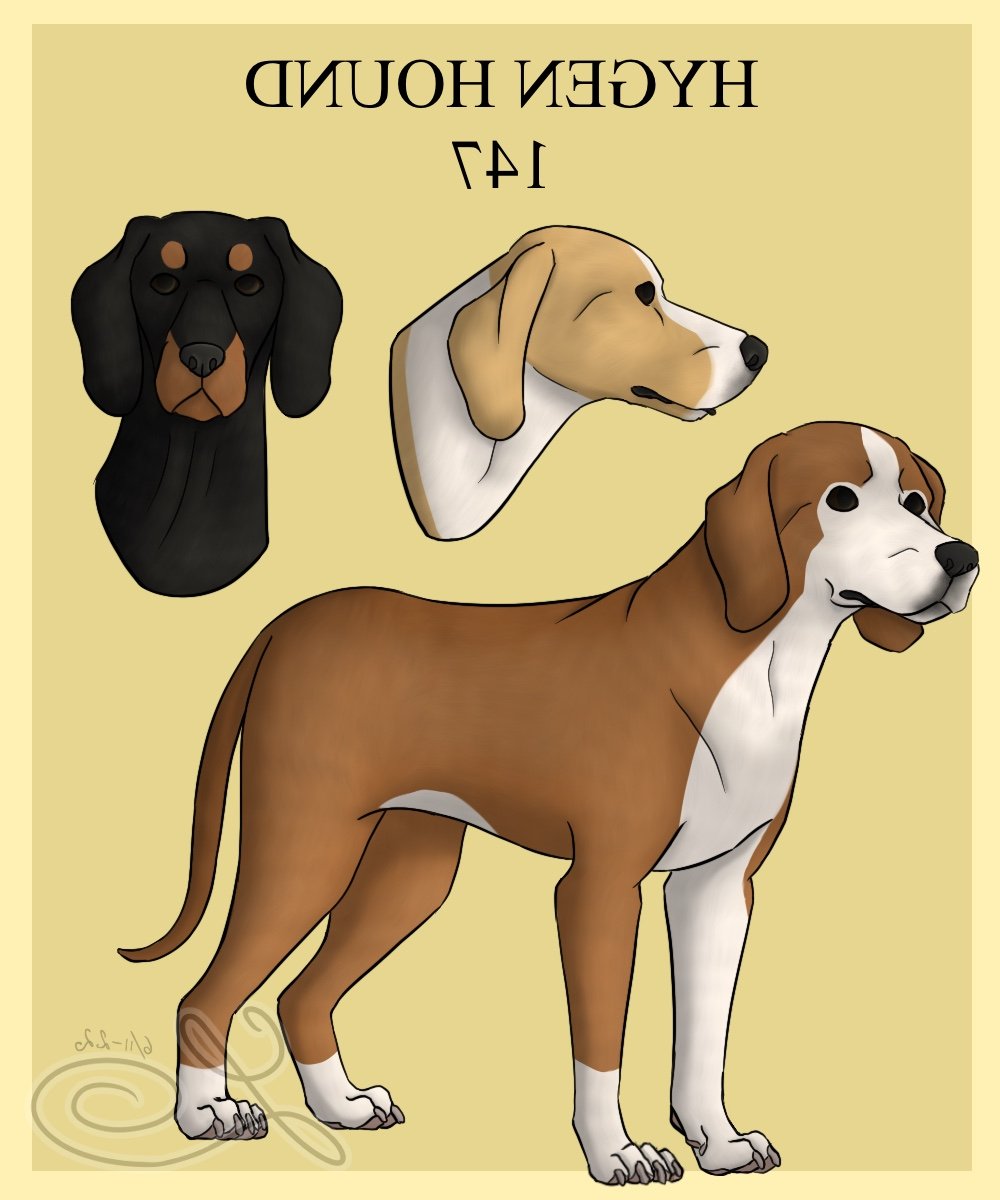
The Hygenhund’s coat is generally straightforward. A weekly brush is usually enough to lift dead hair and keep the coat in good condition, with more brushing during seasonal shedding. This is not a breed that typically needs professional grooming, but it does benefit from the quiet routine of regular handling.
Maintenance tends to be less about coat and more about the practical bits: nails kept short enough for good foot posture, teeth cleaned often enough to slow dental disease, and ears checked as part of normal life.
If you are choosing the breed because you want low fuss, it is fair to say the coat is low fuss. The mind and body are not. Plan for time outdoors as part of the basic care package.
Feeding for an active scenthound
Many working-style dogs look “fine” even when they are carrying extra weight, especially once you get used to their shape. Using a body condition score (rather than guessing by sight alone) can help you stay honest about whether your Hygenhund is truly lean enough to protect its joints and keep moving well as it ages.10
In practical terms, aim for a diet that suits your dog’s life stage and workload, and adjust portions based on body condition and performance, not the feeding guide on the bag. If you are increasing exercise, increase food slowly too. Sudden changes in either direction often show up as tummy trouble or unwanted weight swings.
Final thoughts
The Hygen Hound is easiest to live with when you take its purpose seriously. This is a dog built for distance, scent, and persistence, and those traits do not switch off just because the postcode changes. If your home can offer steady activity, training that makes sense to a nose-led dog, and the kind of enrichment that lets it be itself safely, a Hygenhund can be a deeply satisfying companion.
For most people, the best measure of “fit” is simple: if you enjoy long, ordinary days outside, and you can make room for daily sniffing and movement, you are already speaking the breed’s language.
References
- Store norske leksikon: hygenhund
- Norsk Kennel Klub (NKK): Hygenhund
- FCI: Hygenhund (No. 266) nomenclature and recognition details
- United Kennel Club (UKC): Hygen Hound breed standard
- RSPCA South Australia: Nosework Sniff-Fun
- Orthopedic Foundation for Animals (OFA): Hip dysplasia
- UC Davis School of Veterinary Medicine: Hip dysplasia
- Merck Veterinary Manual: Otitis externa in animals
- American Kennel Club: Tips for preventing dog ear infections
- WSAVA: Global Nutrition Guidelines and body condition score tools