

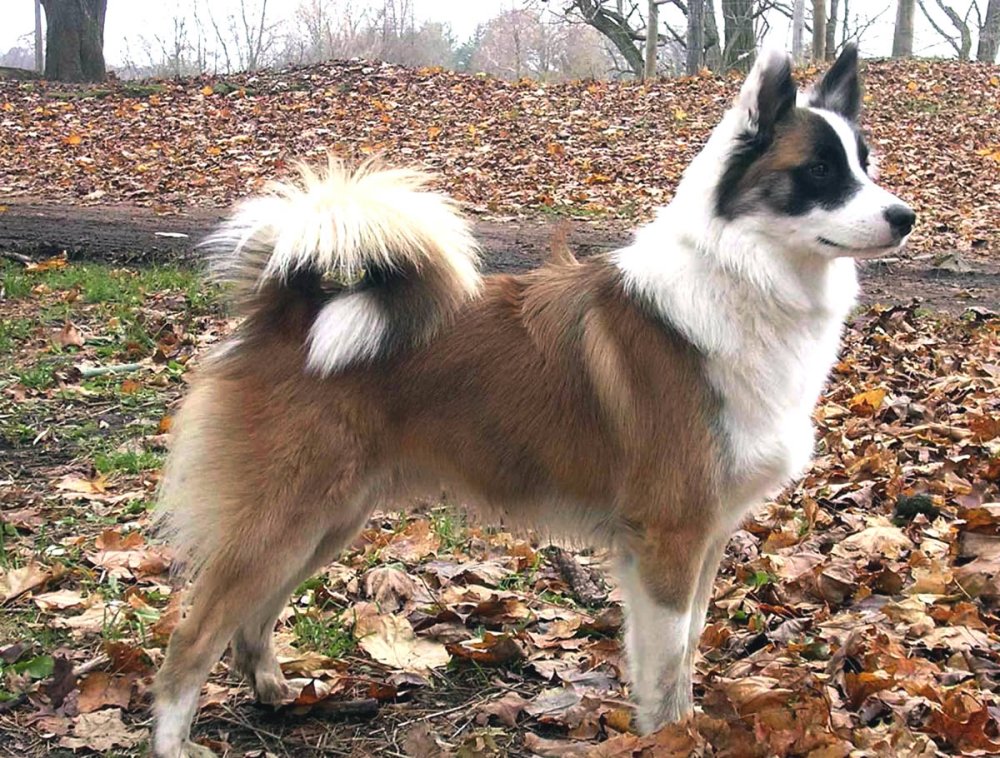
You often notice an Icelandic Sheepdog before you learn its name. It might be the tidy, curled tail and bright, upright ears, or the way the dog seems to watch everything, then add a running commentary in barks. People sometimes assume that a dog who looks so cheerful and fluffy must be easygoing and low maintenance. In practice, this is a working herding spitz in a companion’s body.
They tend to fit beautifully into homes that enjoy routine walks, training, and a bit of outdoor life, even if that outdoor life is the local oval rather than a farm. The sticking points are usually the predictable ones: noise, shedding, and a dog who gets bored if the days are all the same. Understanding where the breed came from helps you make sense of what you are seeing in front of you now.
- Breed category: Herding (AKC), pastoral type (The Kennel Club UK)
- Country of origin: Iceland
- Average height: Males about 46 cm, females about 42 cm
- Average weight: Often around 9 to 14 kg
- Typical lifespan: Commonly 12 to 15 years
- Coat: Thick, weather-resistant double coat, short or long variety
- Shedding: Moderate to high, heavier seasonally
- Energy level: High
- Barking tendency: Often high
A breed shaped by Iceland’s farms
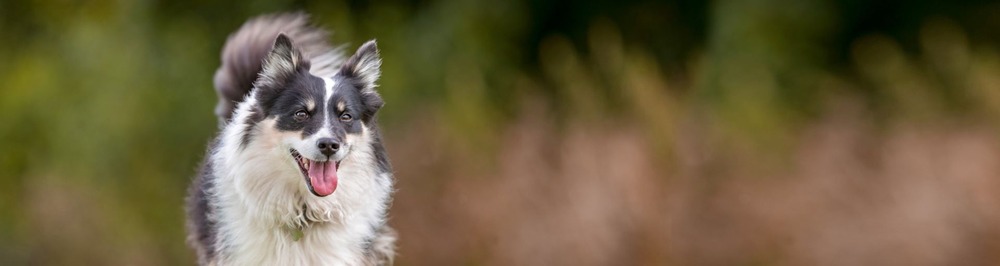
The Icelandic Sheepdog is Iceland’s native dog, with roots traced to dogs brought by early Norse settlers. Over centuries, the dogs that suited Iceland’s terrain and farm life were the ones that thrived: agile, hardy, and willing to work at a distance while staying connected to people through voice and movement.1, 2
In modern breed terms, it is recognised by major kennel bodies, including the American Kennel Club (full recognition effective June 2010) and the FCI, where it sits among Nordic watchdogs and herders (FCI No. 289).1, 3
It is also worth knowing that formal recognition can vary by country and date. In the UK, for example, The Kennel Club began recognising the Icelandic Sheepdog on the Imported Breed Register from April 2025, with an interim breed standard published from July 2025.4
What an Icelandic Sheepdog looks like in daily life
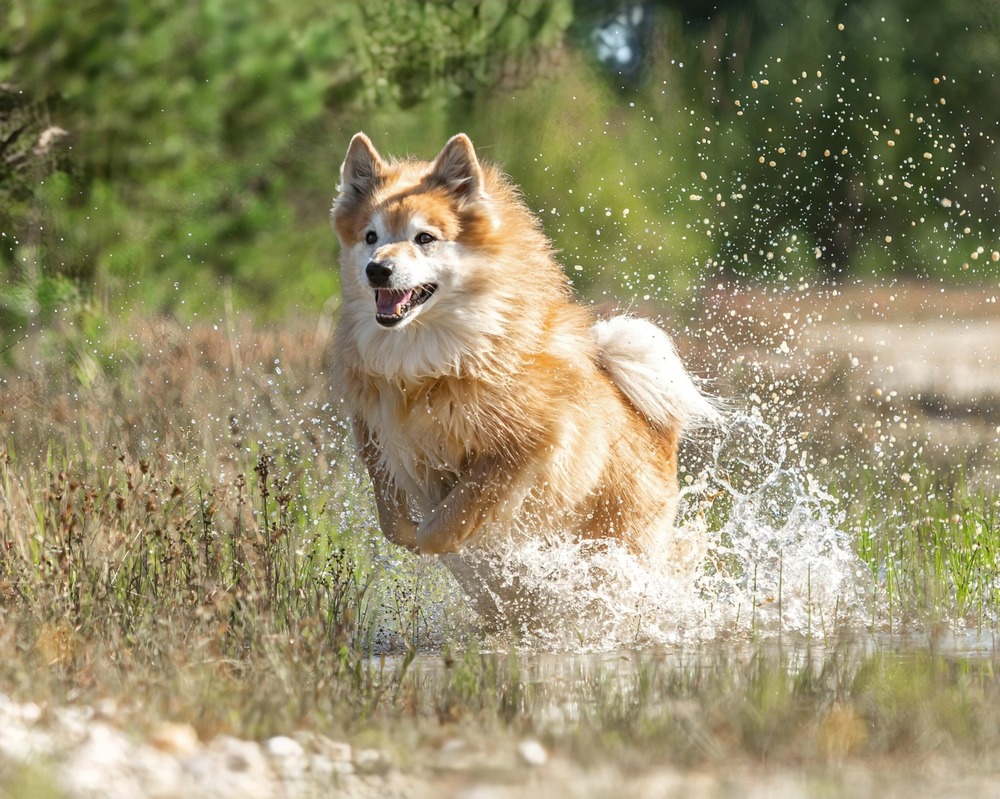
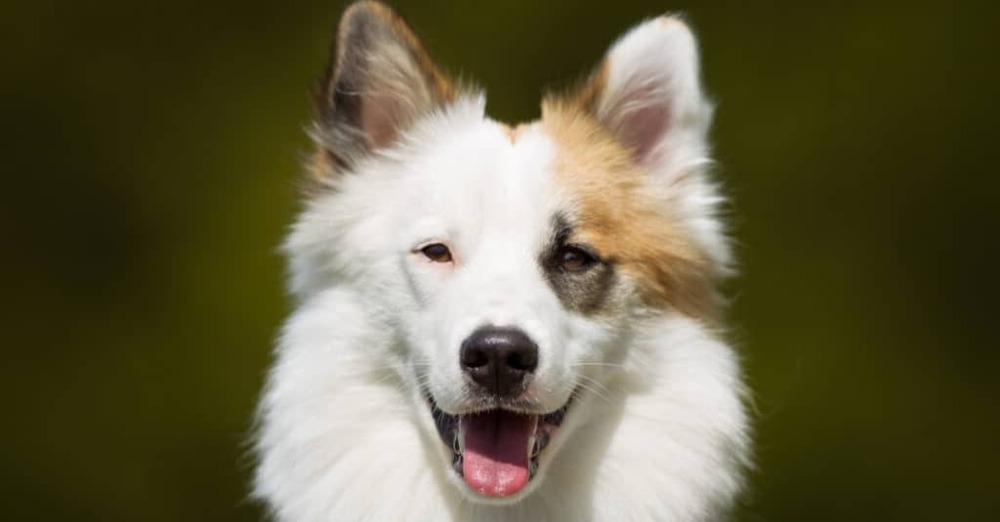
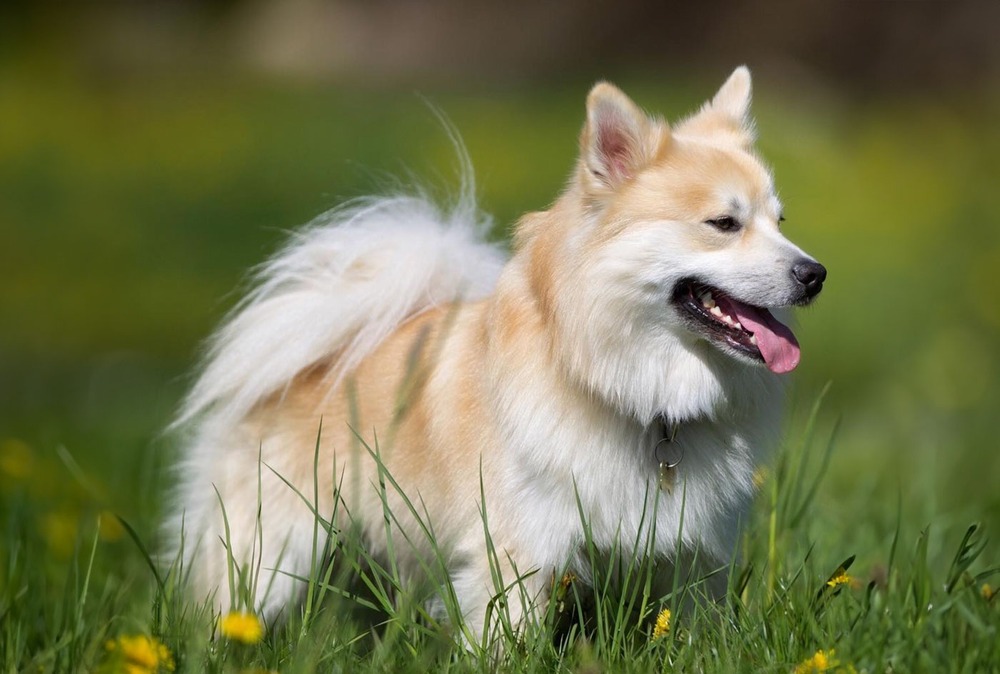
Most people describe the look first: a slightly-below-medium dog, spitz-like outline, erect ears, and a tail that curls over the back. The coat comes in both short and long types, but either way it is built to handle weather. You can feel that history in the texture, it is not a “fashion” coat, it is equipment.2
Some individuals have double dewclaws on the hind legs. It is a trait that can turn up in a few northern and herding breeds, and it tends to be one of those details owners notice when they start doing nail trims at home. If your dog has them, it is worth asking your vet or groomer to show you a calm way to maintain those nails, because they do not always wear down naturally.
The other practical feature is voice. Many Icelandic Sheepdogs are naturally alert and vocal, which made sense on farms where barking helped move stock and signal change. In a suburban street, it means you will likely need a plan rather than hoping the dog grows out of it.2
Temperament, family fit, and the herding “spark”
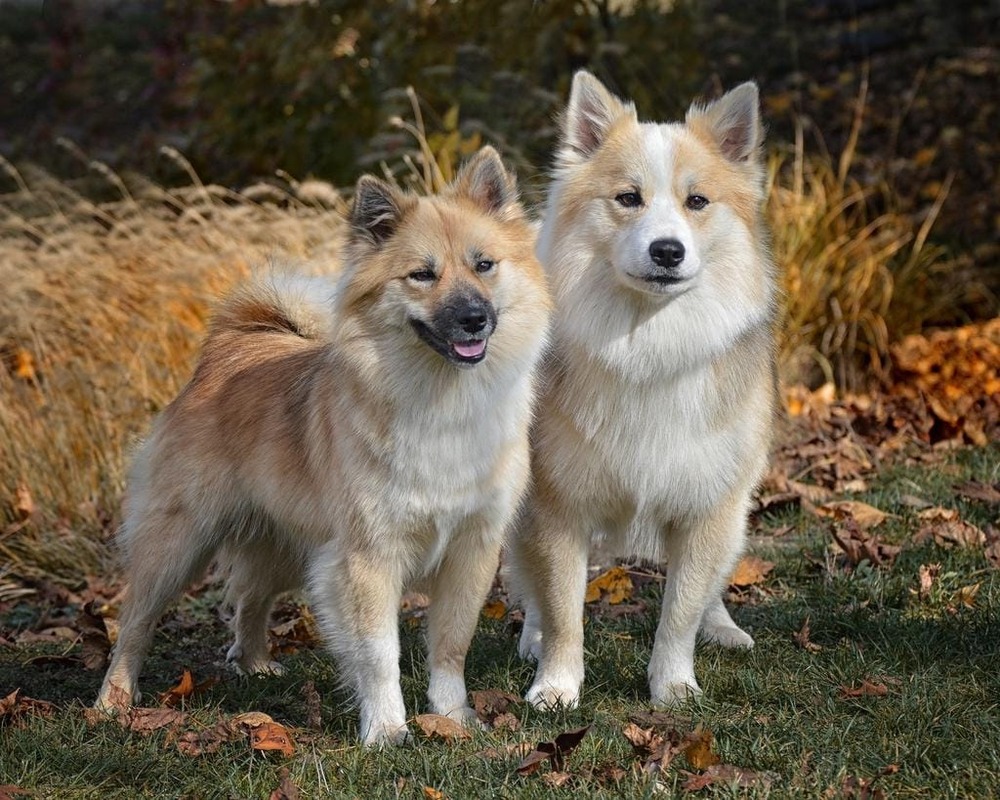
When people call the Icelandic Sheepdog “friendly”, they are usually talking about a dog who enjoys company and tends to engage readily with their household. They often do well with children and other animals when introduced thoughtfully, although you may see a bit of circling, shadowing, or busy movement that reflects herding instincts rather than “naughtiness”.2
This is a breed that usually prefers to be included. Not every Icelandic Sheepdog is anxious when left alone, but many cope better when their day has structure and the dog has had a genuine outlet for both body and brain. Mental work matters as much as kilometres walked.
Training and exercise that actually suits the breed
Because they are bright and environmentally aware, Icelandic Sheepdogs often learn quickly. The trap is thinking “smart” means “easy”. A clever dog can also become skilled at rehearsing unwanted behaviour, especially barking, if that behaviour reliably changes the environment.
Practical training tends to go best when it is regular, short, and rewarding. Think of it as teaching the dog what to do with their default settings: noticing movement, responding fast, staying connected at a distance. Positive reinforcement training and early socialisation help you shape those instincts into something that works in your household, whether that is calm greetings, a settle on a mat, or quiet time while you take a phone call.
Exercise needs vary with age and individual, but many do best with a daily combination of:
- a purposeful walk or two (sniffing allowed, it helps)
- short training games (recalls, stays, “find it”, tricks)
- an activity that suits their style, such as agility foundations or rally obedience
Health considerations and sensible prevention
The Icelandic Sheepdog is generally considered a hardy breed, but no dog is “problem free”. Conditions that are discussed in breed circles include hip dysplasia and some eye disease, including cataracts. The most useful approach as an owner is not to worry in advance, but to choose breeders who health test, keep up with routine vet care, and watch for changes early.5
Weight management matters more than many people expect. Keeping your dog in a healthy body condition reduces strain on joints and supports long-term mobility. If you are unsure what “healthy” looks like under a thick double coat, the WSAVA body condition score tools are a helpful, vet-backed starting point.6
Heat management in Australia
A thick double coat can be comfortable in cold and wet conditions, but it does not make a dog heat-proof. In much of Australia, the bigger risk is overheating during warmer months. On hot days, adjust the routine: walk early or late, avoid hot surfaces, provide shade and ventilation, and never leave a dog in a car. If you suspect heatstroke, start cooling with tepid or cool water and seek veterinary help quickly.7
Coat care, shedding, and living with “weatherproof” fur
The coat is one of the joys of the breed, but it asks for consistency. A weekly brush is often enough for general maintenance, with more frequent grooming during seasonal shedding. The goal is not perfection, it is comfort: keeping the undercoat from compacting and helping the skin stay healthy.
Useful habits include:
- line brushing through the coat, especially behind ears and around trousers
- regular nail trims, including any dewclaws
- checking ears after swims or humid days
Many owners wonder about shaving. For double-coated breeds, shaving is not generally recommended as a heat “fix”, and it can create coat management issues. If you are struggling with heat, focus first on schedule, shade, airflow, hydration, and avoiding hot ground rather than removing the coat.
Feeding and keeping a steady body condition
Icelandic Sheepdogs often enjoy food, which can make training easier and weight control more important. A complete and balanced diet suited to age and activity is the baseline. From there, the practical questions are about portions, treat budgeting, and whether your dog’s daily routine has enough movement to match their intake.
If you want one simple, reliable practice, it is this: track body condition rather than relying on the number on the scales alone. Your vet can help you set a realistic target, then adjust food and exercise gradually over time.6
Is the Icelandic Sheepdog right for you?
The best matches tend to be households that enjoy an involved dog: one who is trainable, social, and likely to comment on the world with their voice. If you love that bright, outdoorsy presence and you are willing to teach calm as a skill, the breed can be deeply rewarding.
It is usually harder in homes where quiet is essential, where the dog will be left for long stretches most days, or where exercise is irregular. In those situations, the dog is not “being difficult”, they are simply reverting to what they were designed to do.
References
- American Kennel Club: AKC Welcomes the Cane Corso, Icelandic Sheepdog and Leonberger (June 2010 recognition)
- The Kennel Club (UK): Icelandic Sheepdog (Imp) breed standard
- FCI: Icelandic Sheepdog (No. 289) breed nomenclature and standard details
- The Kennel Club (UK): Interim Breed Standard for Icelandic Sheepdog published (June 2025)
- Orthopedic Foundation for Animals (OFA): Hip dysplasia in dogs
- WSAVA: Global Nutrition Guidelines and body condition score resources
- RSPCA Australia: Keeping your pet safe during the heat
- RSPCA Australia: 4 ways to keep your dog cool this summer
- The Kennel Club (UK): Icelandic Sheepdog granted recognition (effective April 2025)