

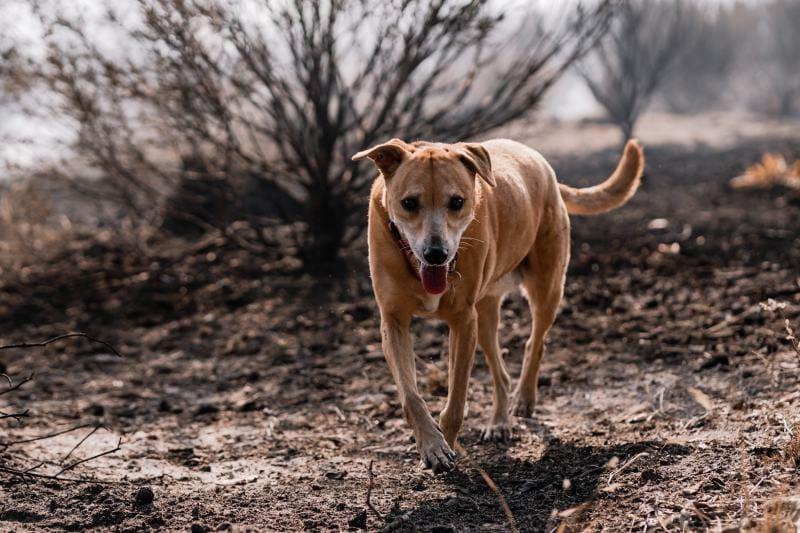
- Breed category: Primitive, pariah (landrace)
- Country of origin: India (Indian subcontinent)
- Average height: About 46 to 64 cm
- Average weight: About 15 to 30 kg
- Typical lifespan: Often around 10 to 15 years (varies with care and environment)
- Grooming requirements: Low, occasional brushing
- Exercise requirements: Moderate, daily walks and enrichment
- Coat type: Short, dense
- Coat colour variations: Commonly fawn, black, brown, piebald
- Shedding level: Low to moderate
- Ear type: Erect
- Tail type: Curved or curled
- Temperament (general): Alert, adaptable, people-oriented with their own boundaries
- Training ease: Moderate, responds best to reward-based training
- Overall maintenance level: Low
People often come across the Indian Pariah Dog in a very ordinary way: a photo online labelled “Indie”, a relaxed street dog curled up outside a shop, or a friend saying they have adopted a “pariah type” dog and it has turned out to be surprisingly steady at home.
It is easy to assume these dogs are a single, formal breed with predictable traits. In practice, “Indian Pariah Dog” is better understood as a landrace, a long-established local dog type shaped more by environment than by modern show-breeding. That matters, because it changes what “typical” looks like, and it also helps explain why many of these dogs can be robust, adaptable, and very good at reading situations.
If you are considering adoption, already living with an Indie, or simply trying to understand what you are seeing, it helps to look past stereotypes. The most useful questions are practical ones: what do they need day to day, what kind of home suits them, and how do you set them up to feel safe and manageable in a human household?
The Indian Pariah Dog, heritage and what “pariah” really means
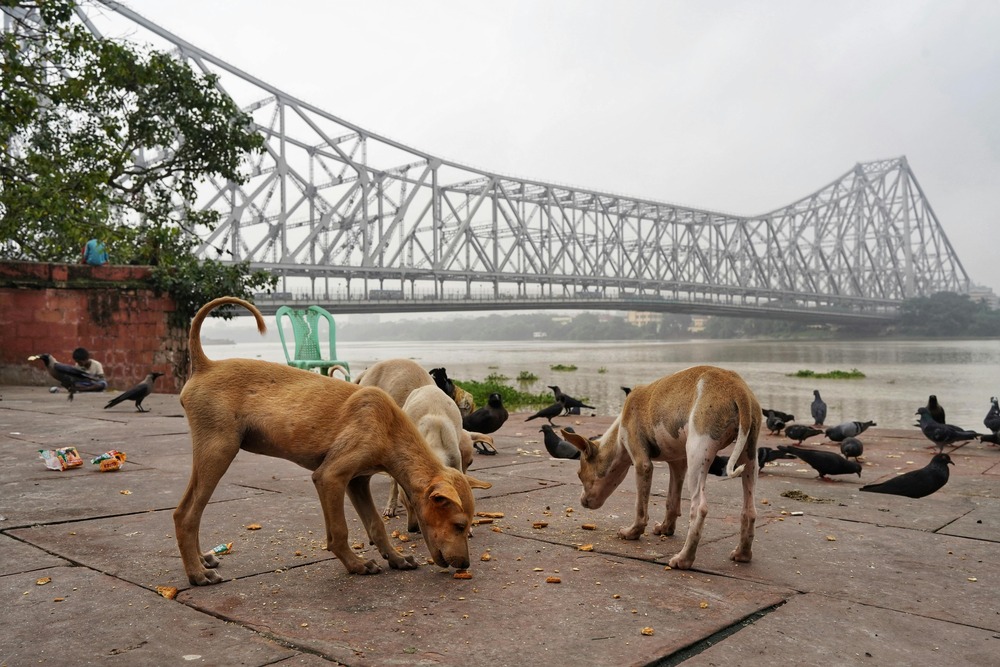
The Indian Pariah Dog is widely described as a native dog type of the Indian subcontinent, with roots that may extend back thousands of years in and around human settlements.1 You will also see the term “pye-dog” used in older writing, and “Indie” used in everyday conversation.
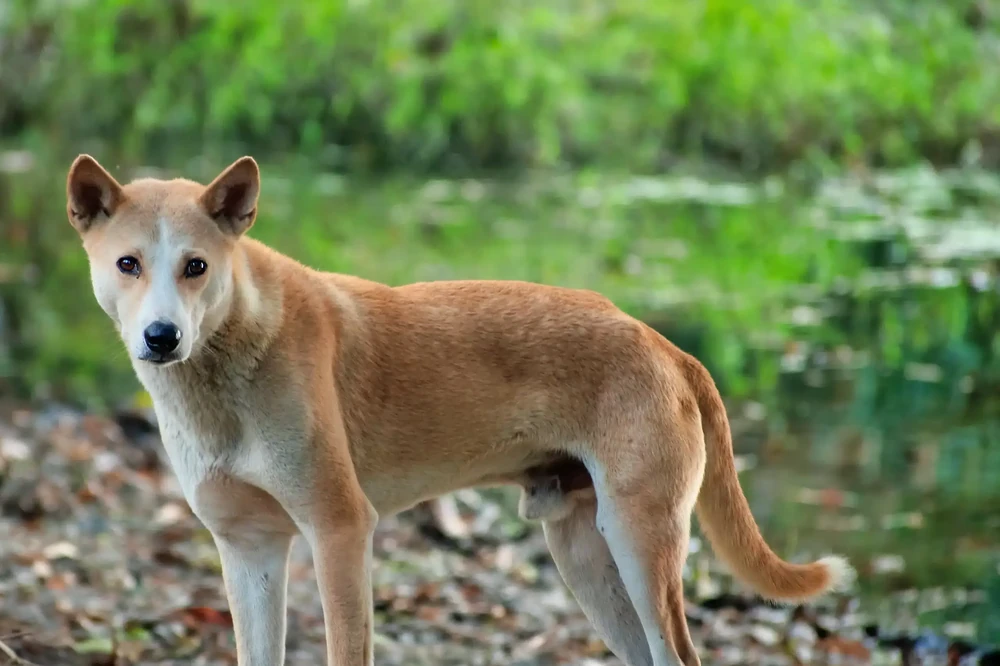
Because this is a landrace, it is more accurate to think in terms of a shared “type” than a strict blueprint. Dogs that match the pariah type often share features such as a wedge-shaped head, upright ears, a short coat, and a curved tail, plus a general air of physical efficiency rather than exaggerated proportions.1
One important nuance is that not every free-roaming dog in South Asia is a pure example of the pariah type. In many places, free-ranging populations include mixed ancestry and local variation, which is normal wherever dogs have lived alongside people for a long time.1
Temperament and what families often notice at home
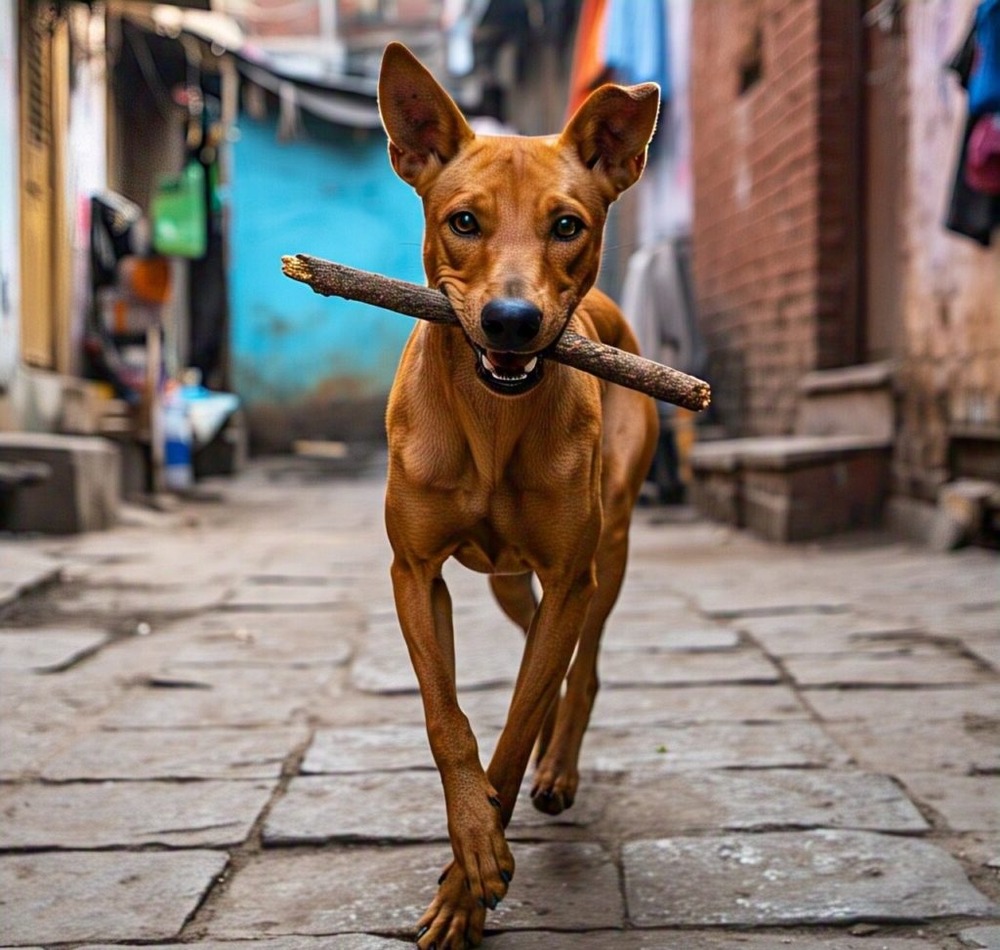
At their best, Indian Pariah Dogs tend to be observant and environmentally aware. They often watch first, then decide whether something is worth approaching. Some people interpret that as stubbornness, but it can also be a sensible coping style in a dog that has learned to assess novelty carefully.
With their own people, many settle into a close, practical companionship. They may choose a spot where they can see what is happening and relax once routines are predictable. In a busy home, this “watch and settle” tendency can be a real strength, as long as the dog is not overwhelmed by constant novelty or rough handling.
With visitors, you might see polite distance rather than instant friendliness. That is not automatically a behaviour problem. The goal is usually calm neutrality, not forced greetings. If the dog can look at the visitor, take a treat, and move away to a bed, you are already doing well.
Children, other pets, and day-to-day management
Many Indies can live well with children, particularly when kids are taught how to give space, avoid hugging or cornering, and let the dog choose interaction. With other pets, early introductions and thoughtful management matter more than labels. If your dog has a strong chase response, you will want careful supervision around cats and small animals at the start.
Training and socialisation that suits an Indie
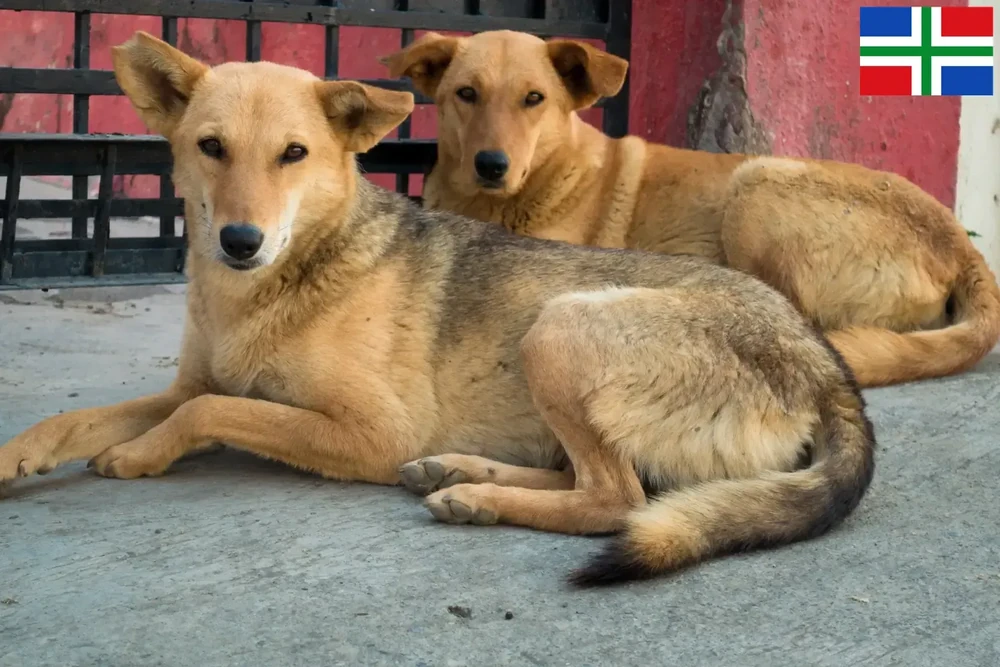
Training tends to go best when it is reward-based and low pressure. These dogs often learn quickly, but they can shut down or become defensive if handled roughly, rushed into contact, or trained with pain or intimidation.2, 3
For socialisation, it helps to think less about “exposure to everything” and more about “positive experiences at the right distance”. The RSPCA approach of pairing new things with something good, allowing choice, and not forcing the puppy or dog to interact is a useful guide.2
- Keep sessions short, especially in new places.
- Reward check-ins, loose lead walking, and choosing to move away from pressure.
- Practise calm skills (mat settle, recall games, “find it” scatter feeding) before you need them in public.
Exercise and enrichment, what “moderate” really looks like
Many Indian Pariah Dogs do well with a daily walk plus time to sniff, explore, and solve small problems. Sniffing is not just entertainment, it is a way dogs process the world and discharge energy gently.
For an athletic, alert dog, “exercise” is usually a mix of movement and thinking. A brisk walk without sniff breaks can still leave an Indie mentally under-stimulated, while a slower walk with training moments and decompression time can be more satisfying.
Common favourites include short training games, hide-and-seek with food, simple agility-style obstacles at home, and supervised off-lead time in secure areas where the dog can choose their own pace.
Health, lifespan, and routine care
People often describe Indies as hardy, and landrace dogs can have advantages when it comes to exaggerated traits linked to selective breeding. Still, every dog is an individual. Skin irritation, parasites, dental disease, and injuries can affect any dog, especially if they have lived outdoors or had inconsistent care.
A sensible baseline is preventative veterinary care: vaccinations appropriate to your region and lifestyle, parasite control, dental checks, and weight monitoring. Australian guidance commonly distinguishes core vaccines (often referred to as C3) from additional vaccines that may be recommended based on exposure risk, such as kennel cough (often included in C5).4, 5, 6
If you are adopting a dog that may travel internationally, biosecurity and vaccination requirements can be complex and change depending on origin country and import category. Always check the current Australian Government import guidance for dogs before making plans.7
Coat care, grooming, and living comfortably together
The typical Indian Pariah coat is short and fairly straightforward. Occasional brushing helps remove loose hair and dust, and it is also a quiet way to build handling tolerance. Baths are usually “as needed”, rather than frequent, unless your vet has advised a medicated routine for skin issues.
Look at grooming as a whole body check. Get into the habit of calmly checking ears, nails, and paws, then rewarding the dog for cooperating. The goal is easy, non-dramatic handling that makes vet visits and home care less stressful over time.
Feeding, nutrition, and avoiding common traps
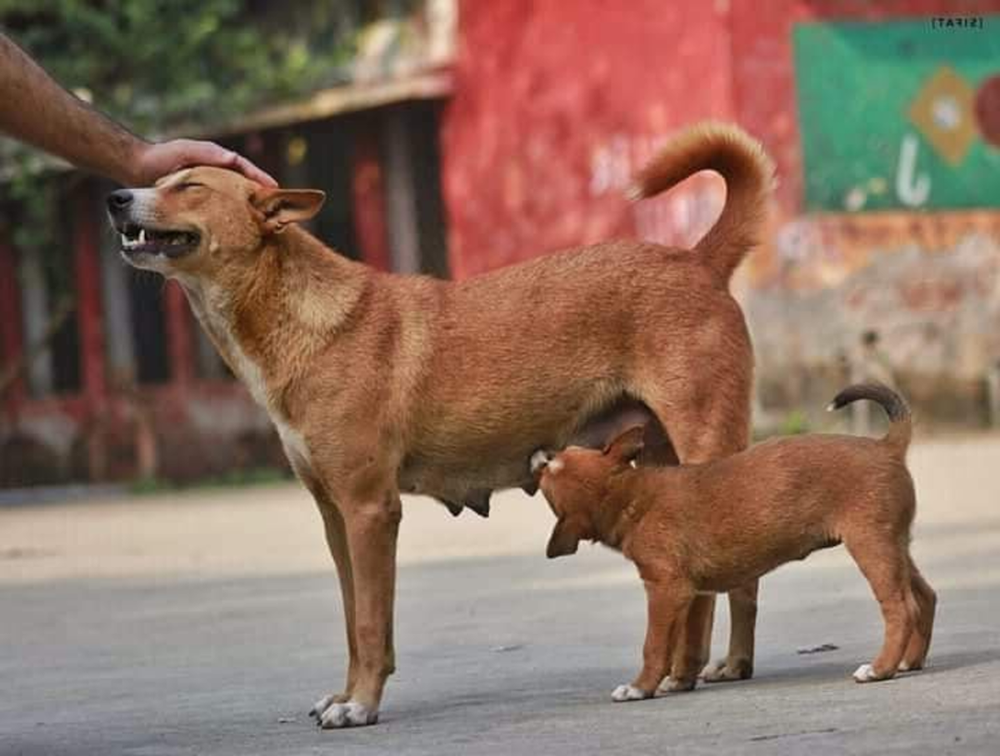
Indies do not have a magical diet, but they do benefit from the same fundamentals as other dogs: complete and balanced nutrition, appropriate portions, and a body condition that stays lean enough to protect joints and overall health.
If you are choosing a commercial diet, it is worth looking beyond marketing language. WSAVA’s nutrition resources highlight that ingredient lists can be misleading, and they encourage owners to focus on whether the food is nutritionally complete, whether the company has appropriate expertise, and whether quality control is clear.8
For home-prepared diets, it is easy to get micronutrients wrong even with good intentions. If that is the path you prefer, speak with your vet and consider a veterinary nutritionist so the diet is genuinely complete.
Living with an Indie outside India, adoption and expectations
Many people meet Indian Pariah Dogs through rescue and adoption. What helps most is a calm, realistic expectation: the dog may need time to decompress, learn household routines, and build trust in handling and confinement.
Early on, focus on safety and predictability. That can mean baby gates, a quiet bed area, a harness that fits well, and small training games that let the dog succeed. If behaviour is worrying or escalating, it is worth getting early help from a qualified trainer who uses reward-based methods, and involving your vet if pain or medical issues might be contributing.3
The Indian Pariah Dog is not “better” than other dogs, but they can be an excellent match for people who appreciate a dog that thinks, observes, and settles into companionship without needing constant fuss.
References
- Wikipedia: Indian pariah dog
- RSPCA Knowledgebase: How can I socialise my puppy?
- RSPCA Knowledgebase: Is it important to train my dog? What sort of training would you recommend?
- NSW Department of Education: Dogs, health (vaccination and parasite control overview)
- Dogs NSW: Vaccination (core and non-core)
- RSPCA Pet Insurance: About pet vaccinations
- Australian Government Department of Agriculture, Fisheries and Forestry: Importing dogs (category 3 guide)
- WSAVA: Global Nutrition Guidelines