

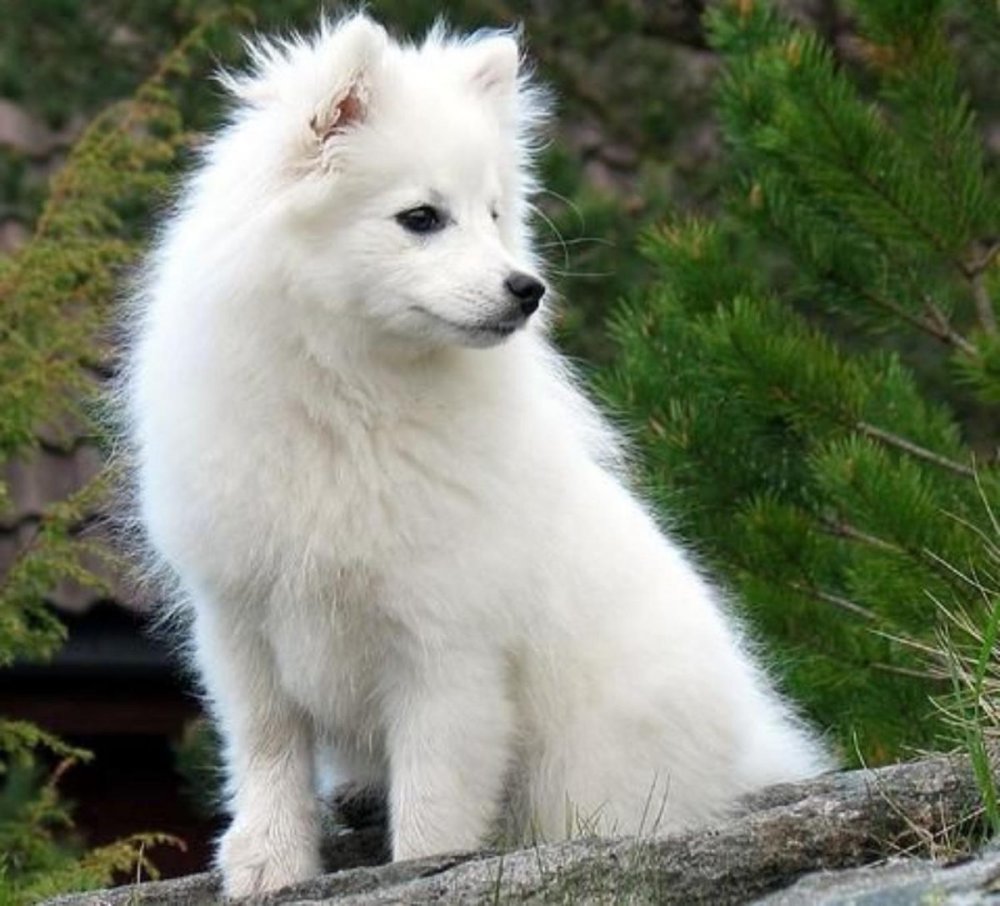
You might first notice an Indian Spitz when someone stops you in the street and asks, “Is that a Pomeranian?” Or you see a fluffy, fox-faced little dog in an Indian family home and wonder how it stays so bright and lively in warm weather. The Indian Spitz has that familiar spitz look, but it has its own story and its own set of practical needs.
It is also a breed that gets misunderstood in small ways that matter. People often assume a thick coat always means a dog will struggle in the heat, or that a small dog does not need much training or exercise. With an Indian Spitz, the reality is more nuanced: they can be wonderfully adaptable, but they still do best with thoughtful routine, sensible grooming, and calm, consistent training.
- Breed category: Companion dog
- Country of origin: India
- Typical size: Often described in “smaller” and “bigger” types, with many pets falling in the smaller range
- Coat: Double coat, fluffy, moderate shedding
- Temperament: Alert, bright, people-focused, often vocal
- Common watch-outs: Dental disease risk, weight gain, heat stress on very hot days
Getting to know the Indian Spitz
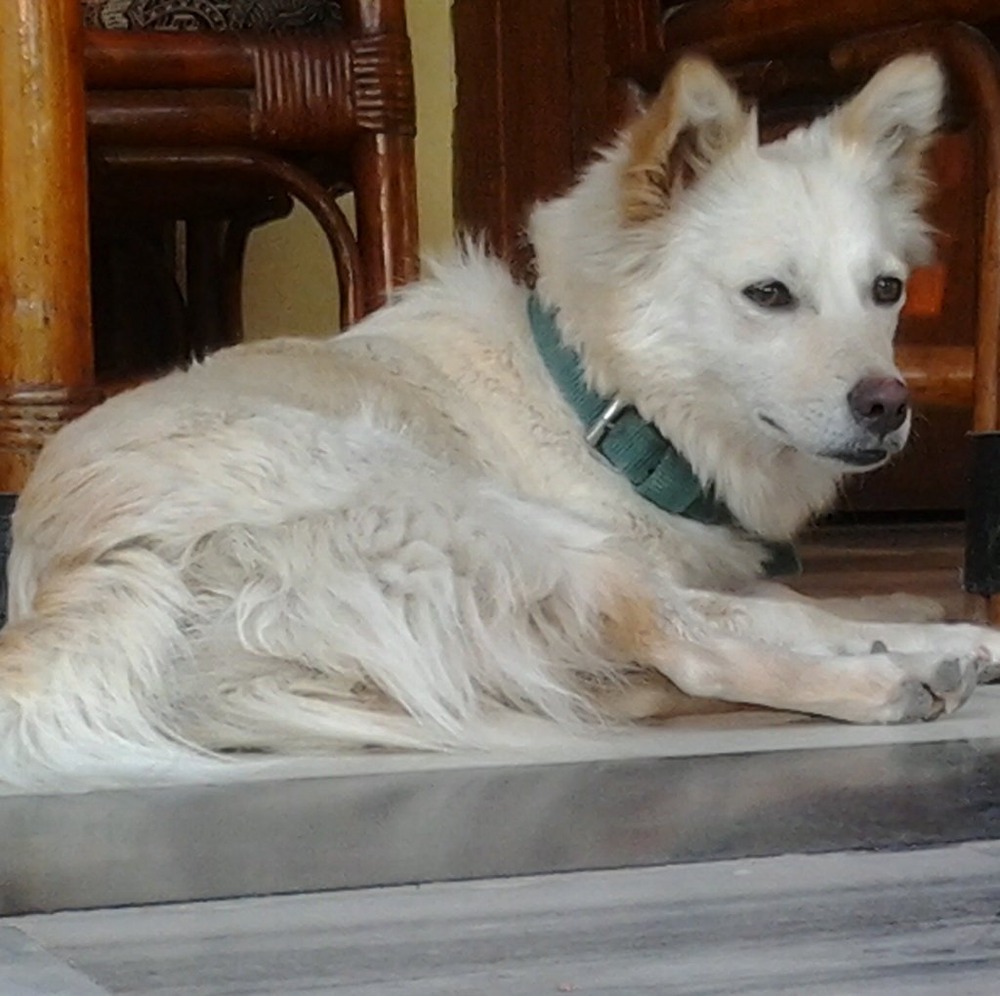
The Indian Spitz is a spitz-type companion dog that became deeply popular in India, especially in the 1980s and 1990s. Part of that rise came down to circumstance, as importing other breeds was difficult at the time, and families turned to dogs that were already established locally.1
In everyday life, what people tend to love most is the combination of watchful alertness and easy companionship. Many Indian Spitz dogs are quick to notice changes in the home, new sounds in the corridor, or someone at the front gate. That can be an advantage if you want a naturally observant little dog, but it also means you will likely be shaping barking and excitement from early on.
A quick note on “Pomeranian” confusion
Indian Spitz dogs are often mistaken for Pomeranians because they share spitz features such as pricked ears, a curled tail, and a plush coat. The Indian Spitz is commonly described as descending from German Spitz types introduced during the 19th century, with selection over time for local conditions.1
Appearance, size, and those classic spitz features
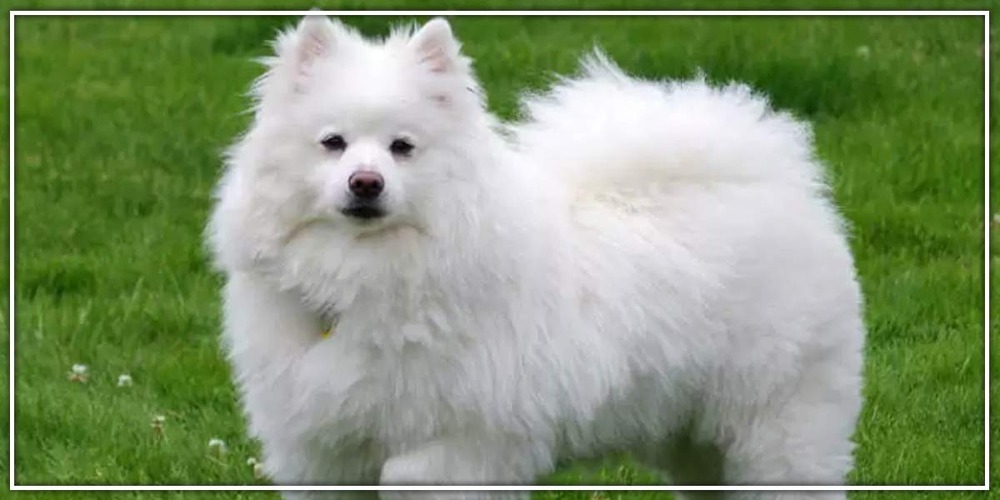
The Indian Spitz has a compact, balanced build, a wedge-shaped “fox-like” face, triangular upright ears, and a tail that typically curls over the back. The coat is double, which means there is a soft undercoat and a harsher outer coat.
Size is one area where owners can get caught out, because you will see both smaller and larger types described. Many companion dogs fall into a smaller range, often quoted at about 5 to 7 kg and 20 to 25 cm at the shoulder, while a larger type may be notably bigger.2
Coat colours are commonly white or cream, but darker coats and combinations are also seen.1
Temperament and day-to-day behaviour
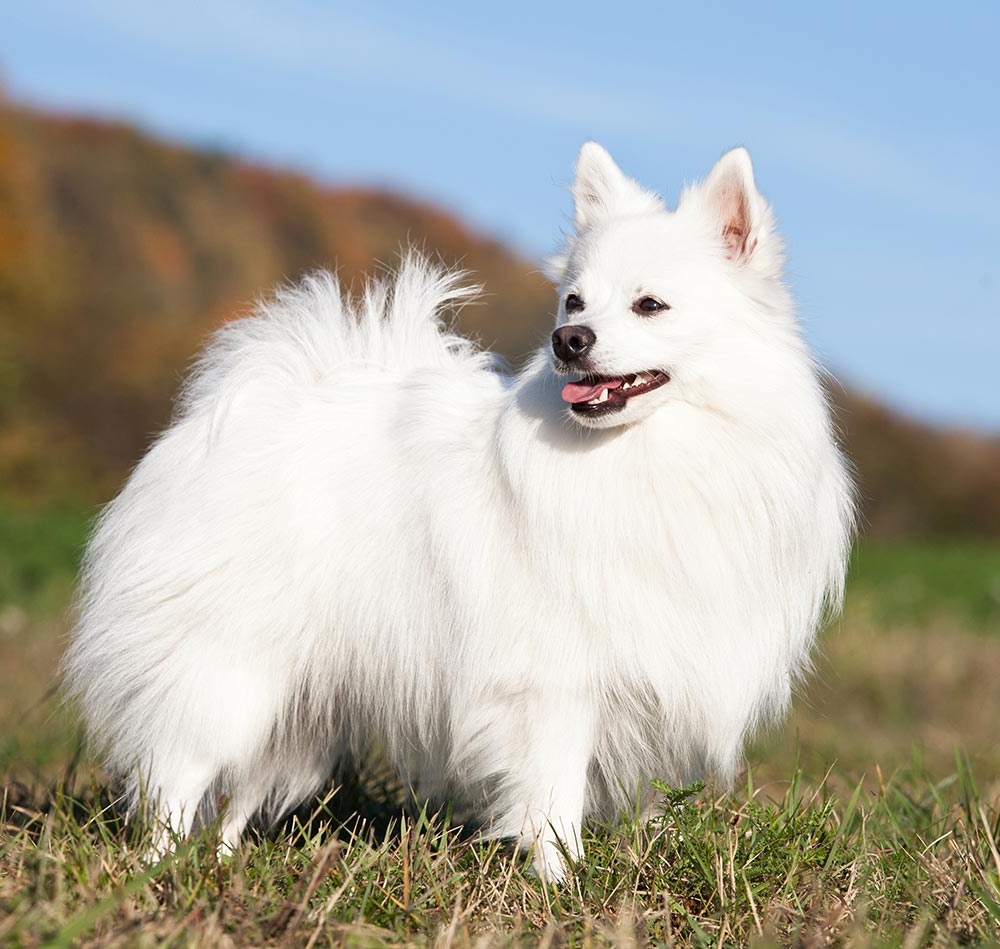
Most Indian Spitz dogs are best described as bright, responsive, and interested in what their people are doing. They tend to enjoy being included, even if that is just following you from room to room, watching dinner prep, or sitting nearby while you work.
A common theme is vocalising. Many are naturally inclined to bark when they hear movement outside, when visitors arrive, or when routines change. It is not “bad behaviour” so much as a normal spitz tendency that benefits from early, steady training and a home setup that reduces constant triggers (for example, blocking a street-facing window if your dog spends all day monitoring it).
With children and other pets
In many households, they can do well with respectful children and sociable dogs, especially when introduced carefully. As with any breed, good outcomes usually come from supervision, teaching kids how to handle a small dog gently, and making sure the dog has a quiet place to retreat.
Training and exercise that suits the breed
Indian Spitz dogs often learn quickly, but they also notice everything, which can make them a little “busy” in the brain. Training works best when it is simple, consistent, and rewarding. Think: short sessions, clear cues, and plenty of practice in real situations (the front door, the lift, the letterbox), not just in the lounge room.
Daily exercise matters, but it does not need to be extreme. A couple of walks plus some sniffing time, play, and a bit of training can meet the needs of many adults. If barking or restlessness is an issue, adding mental enrichment (food puzzles, scent games, gentle trick training) can help more than simply adding kilometres.
- Keep sessions short: 3 to 8 minutes can be plenty for focused learning.
- Reward calm: practise “settle” on a mat and reinforce quiet moments.
- Plan for triggers: doorbells, hallway noise, and visitors are worth rehearsing.
Grooming and coat care, without overdoing it
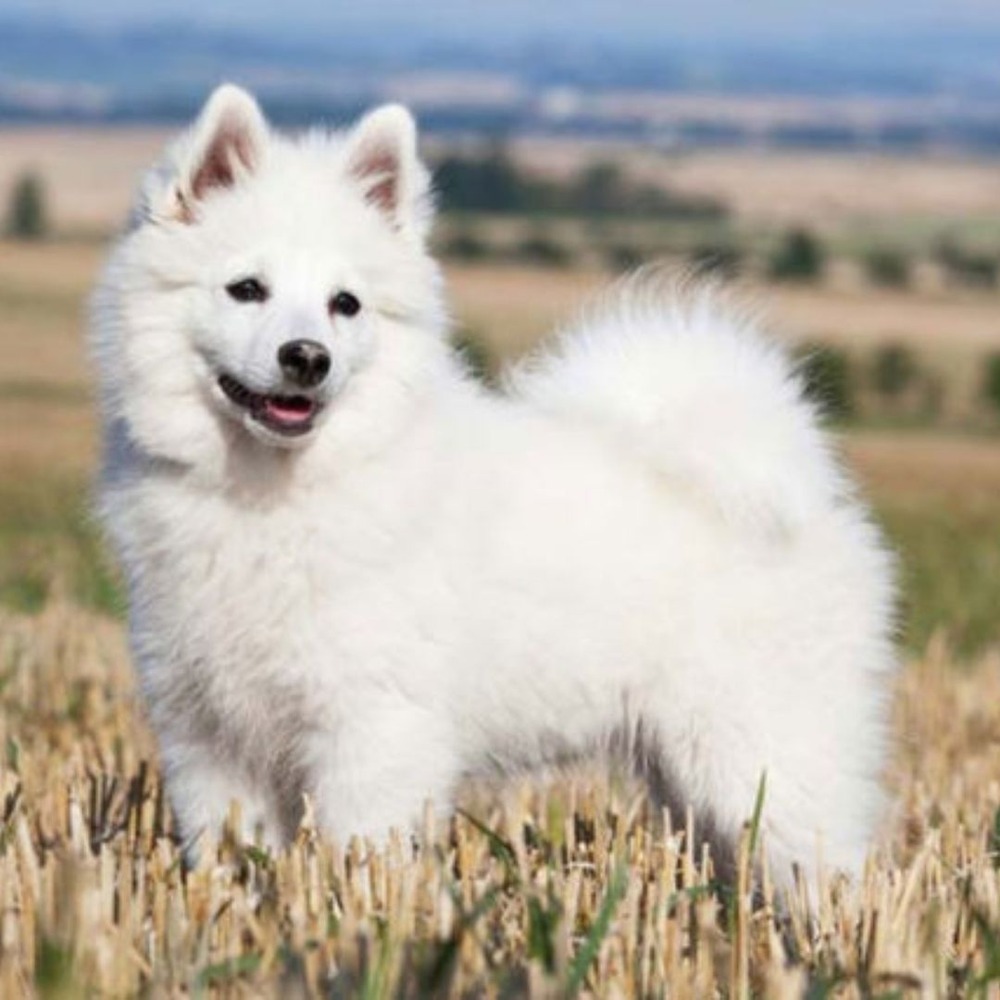
That fluffy coat is part of the appeal, but it is also where many owners either do too little, or too much. Regular brushing helps remove loose undercoat, reduces tangles, and keeps shedding manageable. For many dogs, a thorough brush a few times a week is a realistic rhythm, with more during heavier shed periods.
One common misconception is that shaving a double-coated dog is automatically helpful in summer. Coat management is usually a better focus than drastic clipping, because the coat can play a role in insulation and skin protection. If you are unsure what is appropriate for your dog’s coat, a reputable groomer can help you choose a practical trim that still respects coat function.
Also keep the basics steady: nails trimmed, ears checked, and the coat dried properly after bathing or swimming to reduce skin irritation.
Health considerations: teeth, weight, and heat
No breed comes with guarantees, but there are a few patterns worth taking seriously. Smaller dogs are often more prone to dental disease, and veterinary organisations consistently emphasise that tooth brushing is the gold standard for home dental care, with professional dental treatment as needed.8, 9
Weight gain is another quiet issue in many small companion dogs. It can creep up when treats are frequent, meals are generous “because they look hungry”, or exercise drops off. If your Indian Spitz is gaining weight, it is worth asking your vet clinic for a body condition score check and a realistic feeding plan.
Heat stress: what to watch for
Spitz coats are thick, and hot weather needs to be managed with care. On warm days, aim for shade, ventilation, and access to fresh water, then walk early or late when it is cooler. RSPCA guidance also highlights common signs of heat stress and heatstroke such as heavy panting, drooling, agitation, vomiting or diarrhoea, weakness, and collapse, and recommends urgent veterinary attention if heatstroke is suspected.3, 4
If you live somewhere that gets very hot, a simple plan helps: cool surfaces indoors, fans or air conditioning when available, and a habit of checking pavements with your hand before walking.
Living well with an Indian Spitz
The Indian Spitz tends to suit people who like a dog that is present and responsive, a dog that notices the world and wants to be part of it. In a flat or apartment, they can do well when their needs are met, but the household usually has to be honest about noise, training, and routine. Barking is easier to prevent than to “fix” later, especially if it has become a daily habit.
If you are considering one, it can help to spend time around adult dogs, not just puppies. Look for a dog that recovers well after excitement, is comfortable being handled, and can settle when nothing is happening. Those small traits often tell you more about long-term fit than coat colour or cuteness.
References
- Wikipedia: Indian Spitz
- 101DogBreeds: Indian Spitz (size ranges and overview)
- RSPCA Pet Insurance: Heatstroke (hyperthermia) in dogs
- RSPCA Australia: Warm weather worries, protect pets from heatstroke
- RSPCA NSW: Heat stress
- ABC News: How to keep pets cool in hot weather
- RSPCA ACT: Hot weather advice
- AAHA: Dental care guidelines, recommending home oral hygiene
- Veterinary Oral Health Council: Accepted products for pets