

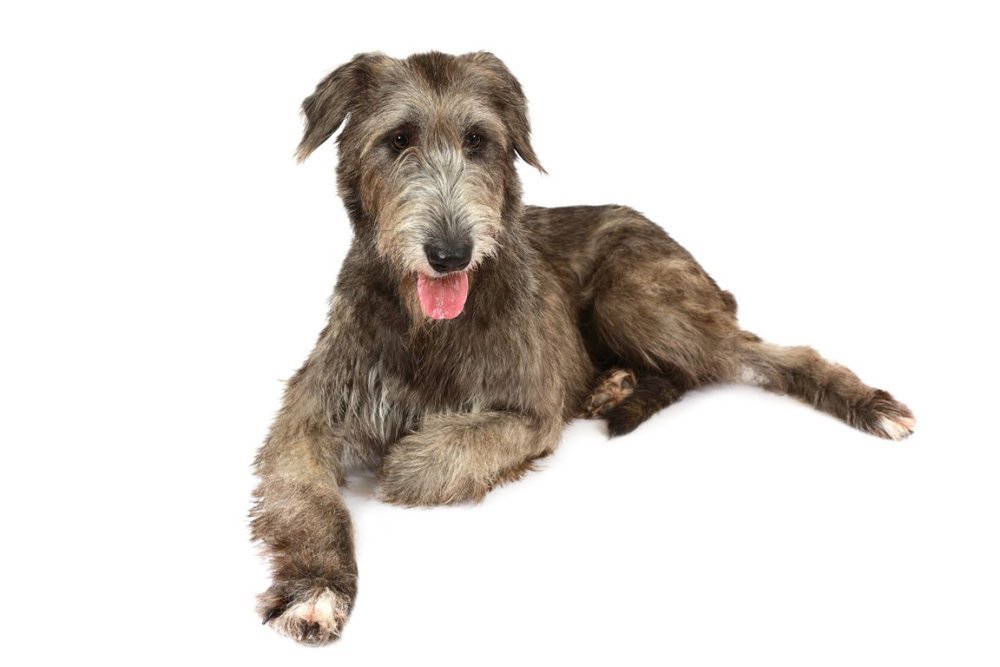
You might first notice an Irish Wolfhound the way many people do, by seeing one in the park and doing a double take. They are genuinely tall enough to change the feel of a room, yet they often move with a quiet, unhurried steadiness that does not match the “giant dog” stereotype.
That contrast is part of what draws people in. Some assume a dog bred to hunt wolves must be high-drive or hard to live with. Others assume that a calm giant will be effortless. In practice, Irish Wolfhounds tend to be gentle company, but their size, growth, and health risks mean everyday choices, like flooring, feeding routines, and vet planning, matter more than they do for many breeds.
If you are trying to work out whether this breed suits your household, it helps to look past the romance of the history and focus on what living with a giant sighthound is actually like, day to day.
Irish Wolfhound at a glance
- Breed group: Hound (sighthound type)
- Origin: Ireland
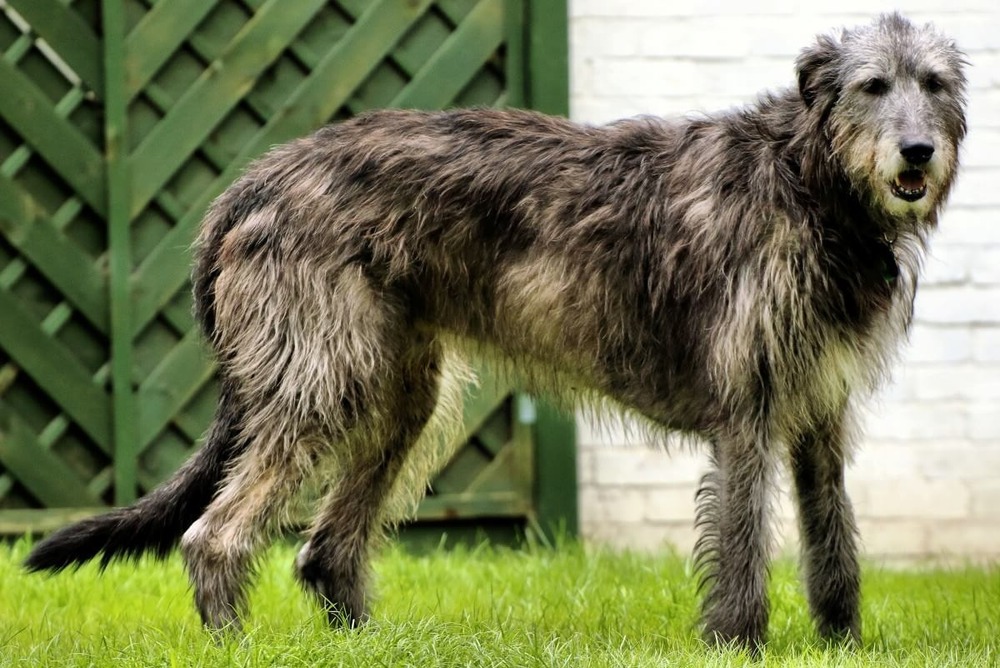
- Typical size: A giant, deep-chested dog, males are usually taller and heavier than females1
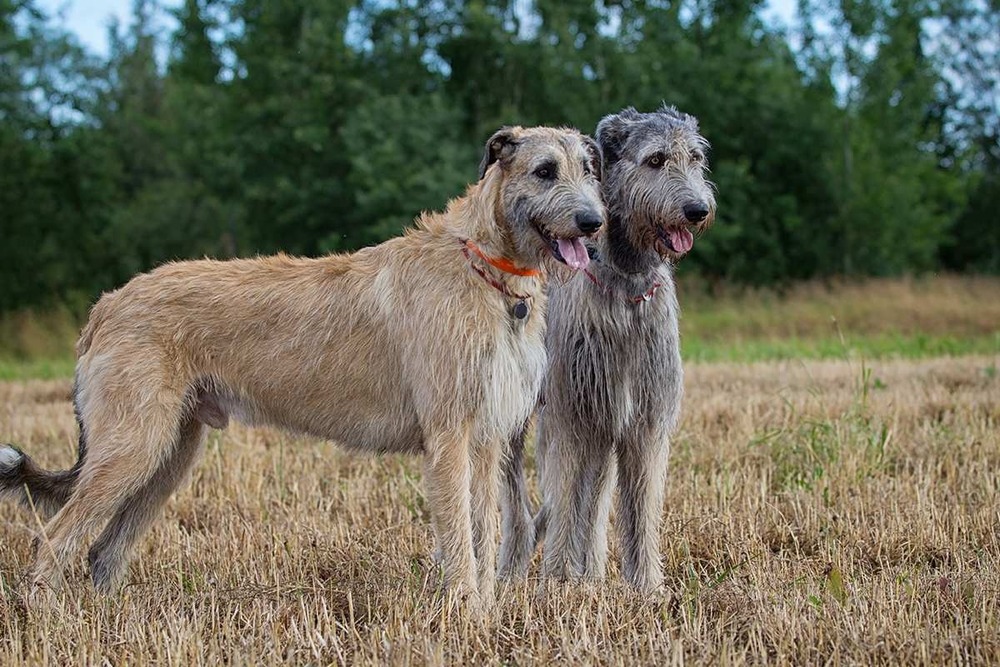
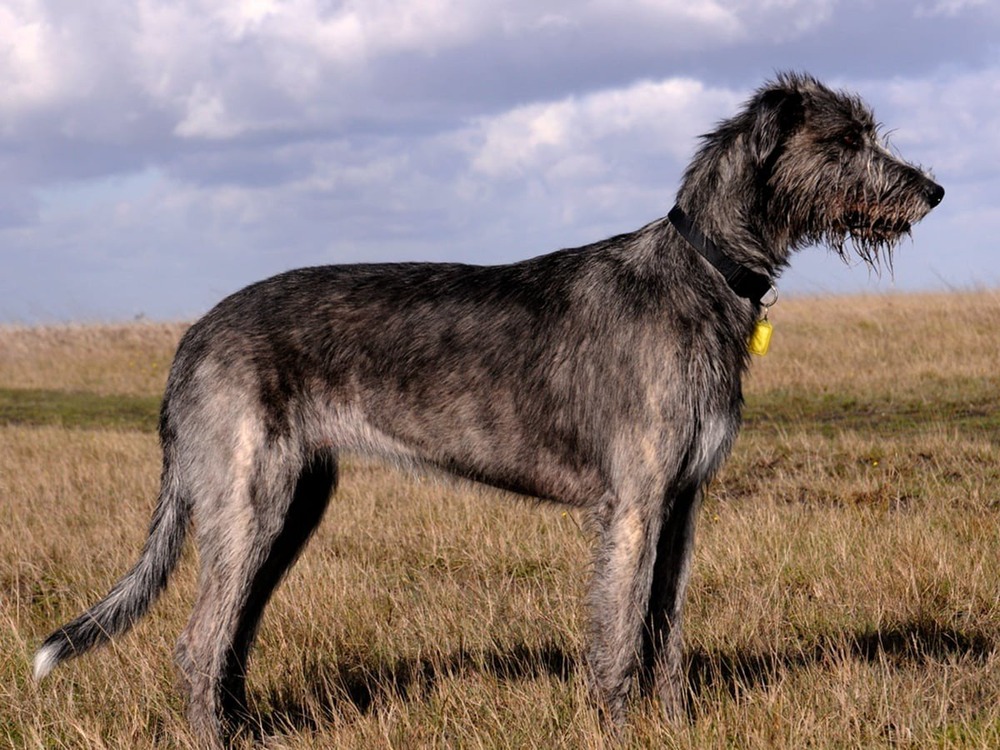
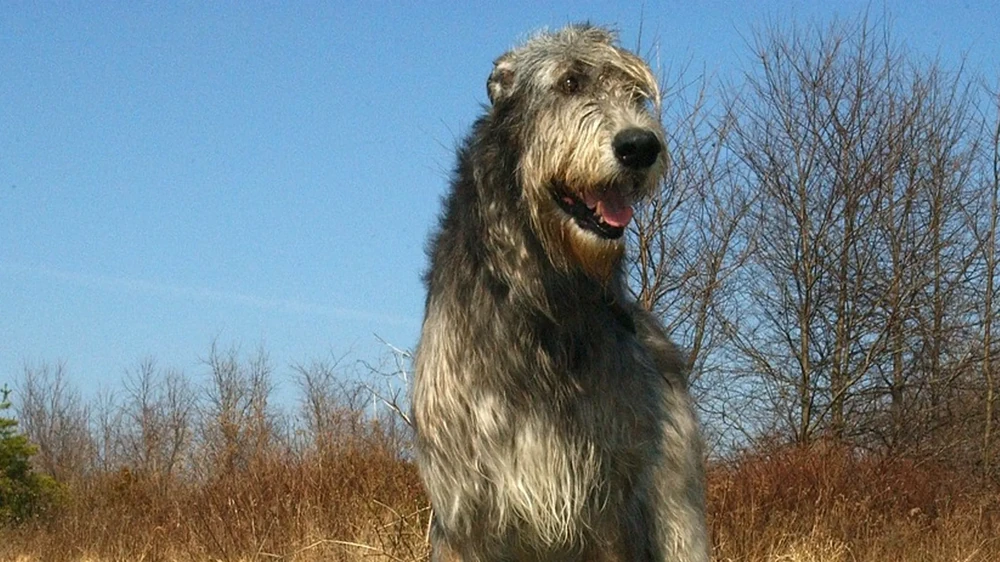
- Coat: Rough, harsh, wiry, with longer hair over the eyes and underjaw1
- Temperament (in broad terms): Often calm and steady at home, with a strong chase instinct outdoors5
- Common health concerns: Giant-breed orthopaedic issues, cardiac disease (including breed-associated DCM), and GDV (bloat)6, 7, 8
History and what it still explains today
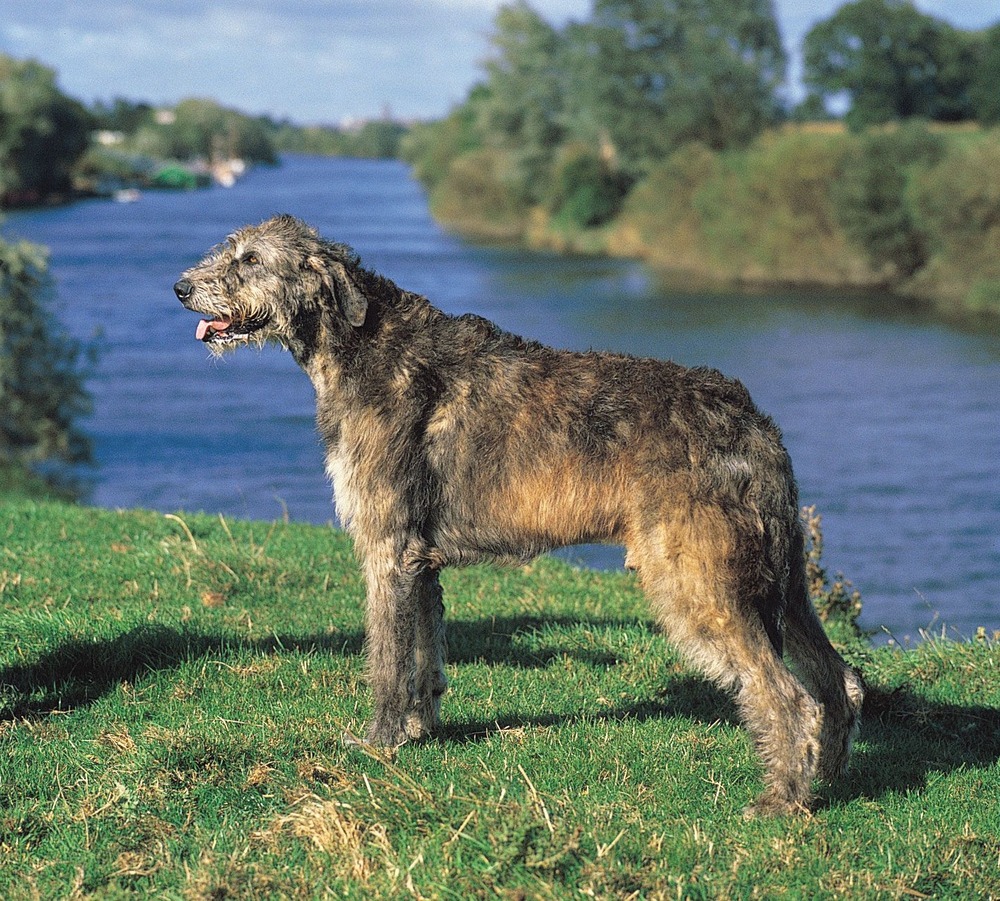
The Irish Wolfhound is tied closely to Ireland’s hunting and status traditions, and the modern breed standard still carries echoes of that purpose: great height, long stride, and enough strength to take on large game.1, 2
Those roots matter because they help you predict what you might see at home. Many Wolfhounds are content to rest for long stretches, but the “hound” part is real. Movement can trigger a chase response, and recall training often needs to be handled with humility and good management rather than bravado.
There is also an important practical legacy: a body built for size and speed is not the same as a body built for long life. With giant breeds, you are often planning for fewer years, and for more intensive health monitoring along the way.
Size, movement, and the realities of living with a giant
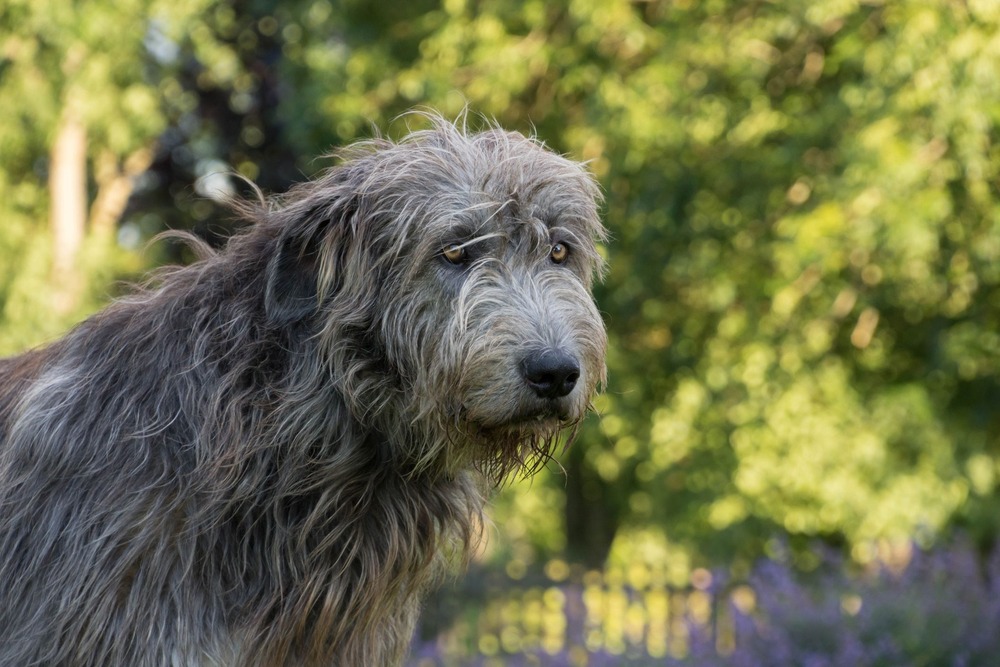
Irish Wolfhounds are among the tallest breeds. Kennel club standards set minimum heights, and they describe an ideal average range for adult males of about 81 to 86 cm at the shoulder, with bitches typically smaller, plus minimum weights for both sexes.1
That scale is not just a fun fact. It changes simple things:
- Space and footing: Slippery floors can be hard on a long-limbed dog, especially when they get up quickly or turn.
- Transport: Many cars that fit “large dogs” do not comfortably fit a fully grown Wolfhound.
- Household safety: A gentle tail can still clear a coffee table.
The breed standard also emphasises “easy and active” movement and a dog that is powerful but not cumbersome.1 That is one reason many Wolfhounds do better with steady daily walks than with sporadic bursts of strenuous exercise.
Temperament, family life, and social behaviour
In many homes, Irish Wolfhounds are affectionate without being relentlessly busy. They often enjoy being near their people, and many are polite with visitors once they have had a moment to take things in. Their sheer size can make their calm feel reassuring, but it also means you need manners early, even if the puppy seems sweet and soft.
With children, the main issue is rarely aggression. It is physics. A friendly lean can knock over a toddler, and a game of chase in a hallway can get hectic fast. The best set-up is usually supervised calm interaction and plenty of decompression time for everyone.
With other animals, outcomes vary. Some Wolfhounds live peacefully with cats and smaller dogs, particularly when raised with them. Still, as sighthounds, many are visually alert to fast movement. Early socialisation helps, but sensible management, secure fencing, and careful introductions matter just as much.
Training and exercise, gentle structure beats intensity
Training is easiest when it is quiet, consistent, and started early. A Wolfhound does not need harsh handling to learn, and heavy-handed methods can create avoidance or shutdown. Think in terms of teaching life skills: walking on lead without dragging you, settling on a mat, waiting at doors, and being comfortable with basic handling (ears, paws, mouth).
Exercise is often misunderstood with giant breeds. Irish Wolfhounds are not typically “all day” athletes, but they do need movement to keep joints, muscles, and digestion working well. Many do best with:
- Two daily walks at an easy to moderate pace
- Short play sessions, preferably on forgiving ground
- Opportunities to sniff and explore, which can be surprisingly tiring in a good way
It is also wise to protect their growing bodies. For puppies, talk with your vet about safe activity levels, because giant-breed growth is a balancing act between building strength and avoiding repetitive impact.
Health, lifespan, and planning for the “big dog” risks
The Irish Wolfhound is widely recognised as a shorter-lived breed, with many sources placing average lifespan in the mid single digits to late single digits. It can feel confronting, but it is kinder to go in with your eyes open and plan for good preventative care.6
Some of the more significant health concerns include:
- Cardiac disease, including breed-associated dilated cardiomyopathy (DCM). Regular screening is commonly recommended for the breed, particularly as adults age.7, 8
- GDV (bloat), an acute emergency risk in deep-chested breeds. Prevention is not perfect, but feeding and management routines can reduce risk, and prophylactic gastropexy is an option to discuss with your vet.8
- Orthopaedic issues
If you take only one practical step, make it this: learn the early signs of bloat, and know your nearest after-hours emergency clinic. When GDV happens, time matters.8
Grooming, coat care, and everyday handling
The coat is rough and harsh, with wiry furnishings around the face.1 Most owners find a weekly brush-out keeps things comfortable and reduces the amount of hair and debris brought into the house. It is also a good chance to check skin, lumps, sore spots, and nails.
Because Irish Wolfhounds are so tall, co-operative care is worth investing in. Teach a chin rest, a “stand” cue, and calm acceptance of light restraint. It will make nail trims, vet exams, and grooming far less stressful over the dog’s lifetime.
Feeding and reducing the risk of bloat
Feeding a giant breed is not just about quantity. It is about digestion, growth, and routine. Many vets advise splitting food into two or more meals per day, avoiding vigorous exercise around mealtimes, and discouraging fast gulping in deep-chested dogs that may be at higher risk of GDV.8, 9
Other choices are more individual. Some dogs do better on a large-breed or giant-breed formula, and puppies may benefit from diets designed for controlled growth. Your vet can help you choose a diet that fits your dog’s age, body condition, and any developing issues.
If you are considering prophylactic gastropexy (often done at the time of desexing), it is worth a calm conversation with your vet about risk, timing, and expected benefits.8
Heat, comfort, and seasonal care
Wolfhounds can struggle in hot weather. Their size, coat, and lower tolerance for heat mean they often do best with walks in the cooler parts of the day, plenty of water, shade, and access to cooler indoor spaces during heatwaves.
General hot-weather guidance for keeping cool and hydrated applies to people, and it translates well into pet care habits too: reduce exertion during the hottest hours and prioritise cooling strategies at home.10
Final thoughts
Irish Wolfhounds are often described as gentle giants, and in many homes that is an accurate shorthand. Still, it is the practical side of the breed that determines whether it is a good match: the space a giant body needs, the management a sighthound brain sometimes requires, and the health planning that comes with a shorter average lifespan.
If you love the idea of a calm companion and you can support the costs and care that a giant breed brings, an Irish Wolfhound can be deeply rewarding. The best experiences usually come from owners who prepare thoughtfully, choose breeders who health-test seriously, and build a lifestyle around steady routines rather than intensity.
References
- The Kennel Club: Irish Wolfhound breed standard
- Irish Wolfhound Club (Australia): The breed standard
- Irish Wolfhound Club of Ireland: Breed standard
- Irish Wolfhound Society: Current breed standard
- United Kennel Club (UKC): Irish Wolfhound breed standard
- Cornell University College of Veterinary Medicine: Irish Wolfhound (health overview)
- Irish Wolfhound Foundation: Heart disease and screening
- Cornell University College of Veterinary Medicine: Gastric dilatation volvulus (GDV), prevention and gastropexy
- VetZone (Australia): Gastric dilation and volvulus (bloat) in dogs
- NSW Health: Keep cool, stay hydrated (hot weather guidance)