

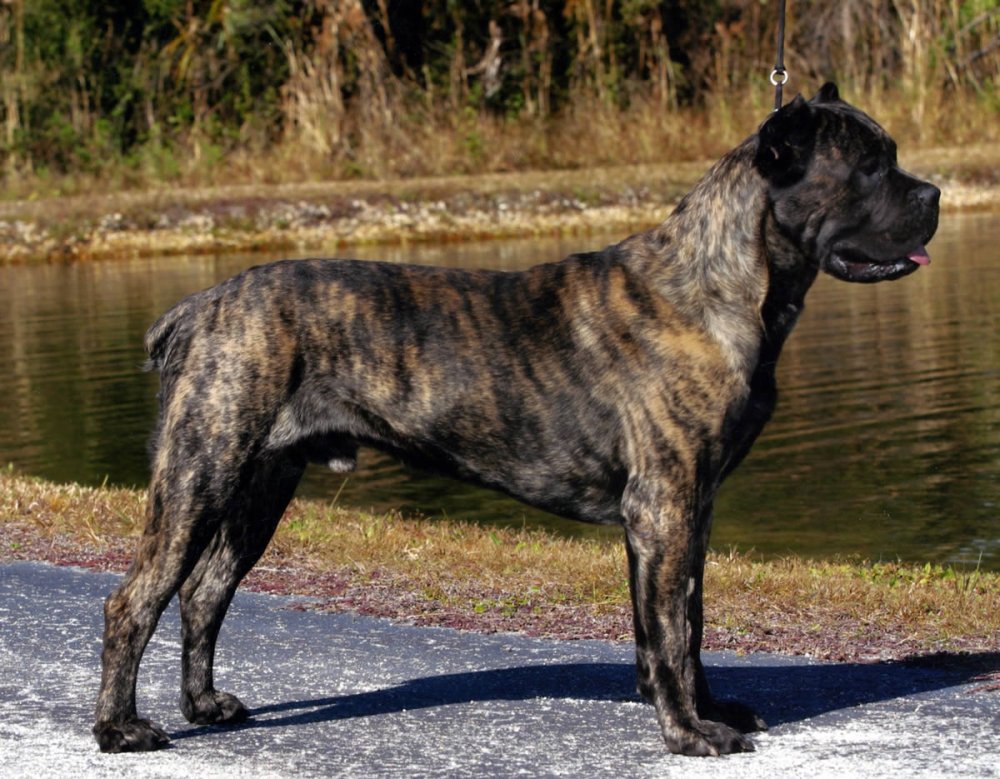
You might first notice a Cane Corso because one walks past and everything about them seems deliberate, the heavy paws, the quiet scanning, the way people give them space without quite meaning to. Or you might be considering one because you want a dog who can live closely with family, but also feel steady and capable around the home.
It is easy to assume that a big, muscular dog is either “naturally well behaved” or “naturally dangerous”. In practice, the Cane Corso tends to sit in a more complicated middle ground. They are often calm and observant, but they are also a powerful guardian breed, and that combination can be wonderful or difficult depending on training, socialisation, and day to day management.
Understanding what this breed was developed to do, and what they need to thrive now, matters because small choices add up, the kind of fencing you have, how visitors enter the house, whether you enjoy ongoing training, and how you handle adolescence in a large dog.
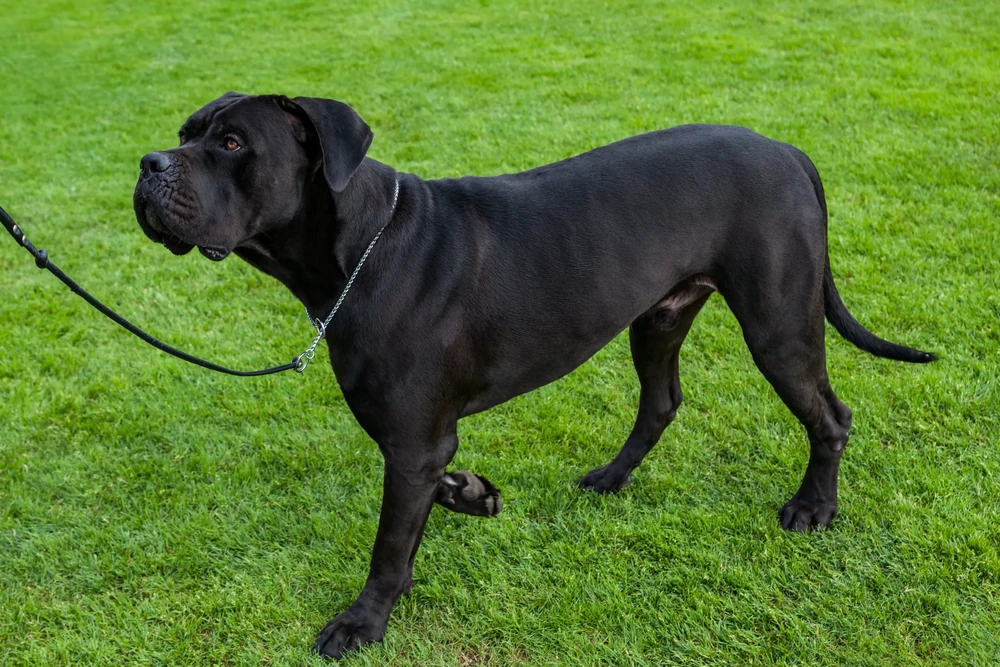
Quick breed snapshot: Cane Corso (Italian Mastiff)
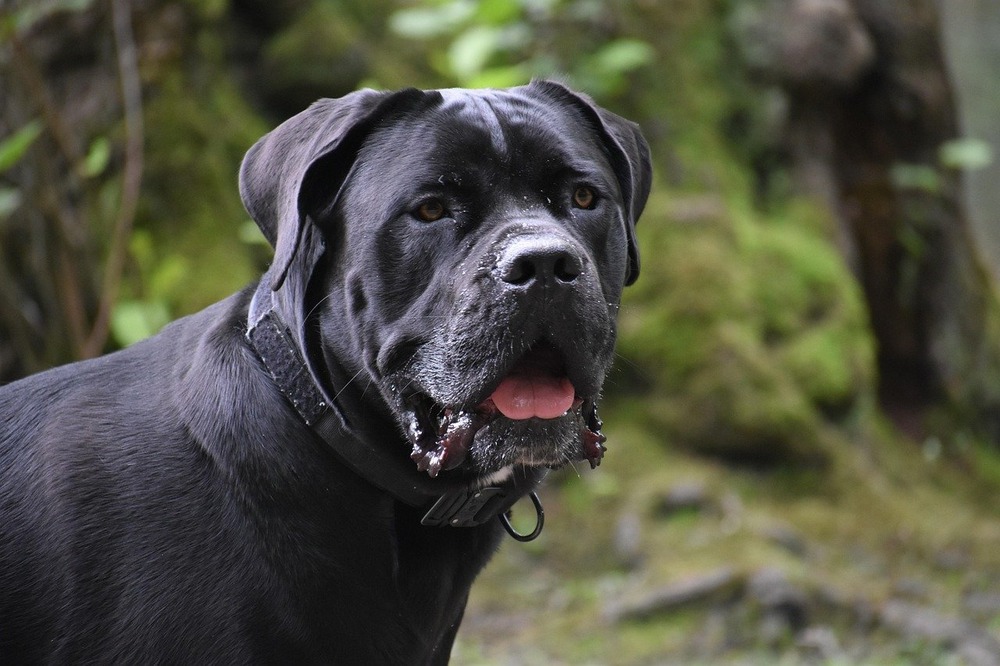
Also known as the Cane Corso Italiano, this is a large, athletic molosser breed originally developed in Italy for guarding and rural working roles.1, 2
- Height: males about 64 to 68 cm, females about 60 to 64 cm (at the withers)2
- Weight: males about 45 to 50 kg, females about 40 to 45 kg2
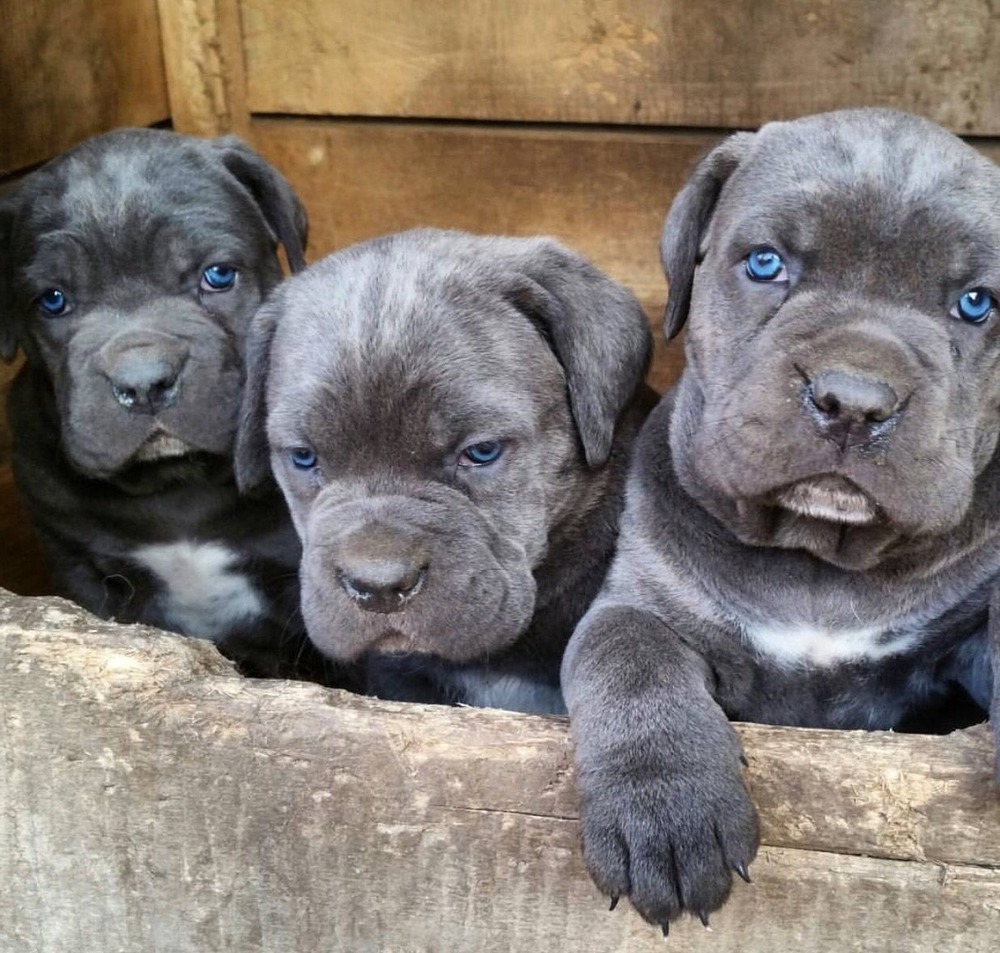
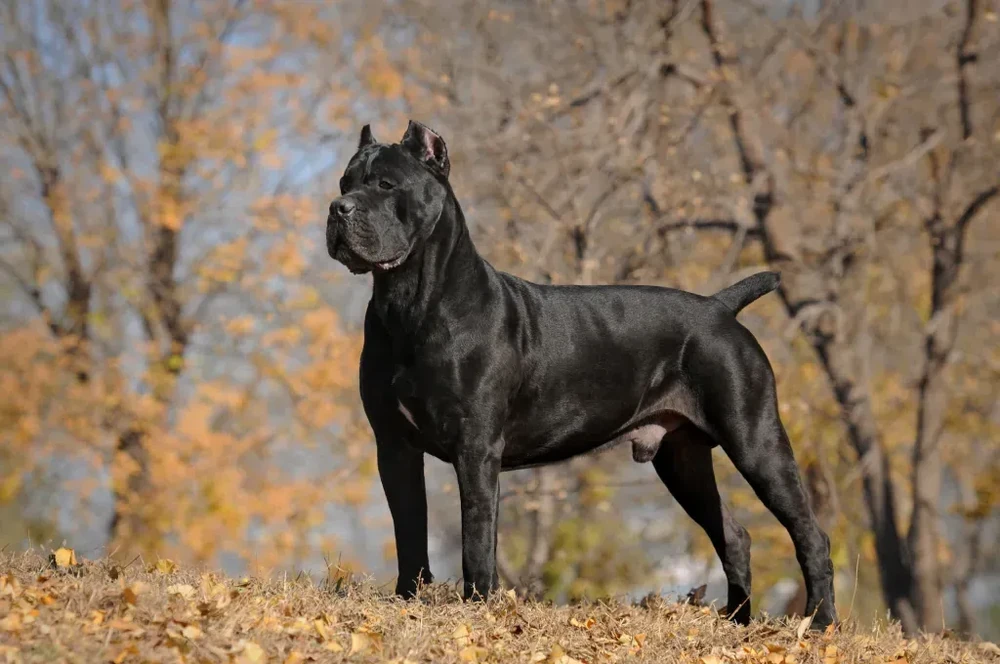
- Coat: short, dense coat in colours including black, grey, fawn, red, and brindle2
- Temperament, broadly: typically loyal, intelligent, naturally watchful, often reserved with unfamiliar people1
- Life expectancy: often around 10 to 12 years, though individuals vary with genetics, size, and health care3
History and what it still means in a modern home
The Cane Corso is recognised internationally as an Italian breed in FCI Group 2, with modern breed standards reflecting a dog built for strength, stamina, and controlled athleticism.2 In Australia, Dogs Australia lists the Cane Corso breed standard, which guides breeders and judges on structure, movement, and type.1
That history can show up in everyday behaviour. Many Cane Corsos are quietly territorial rather than noisy, and they may watch a fence line, track household routines, and respond quickly to unfamiliar activity. This is not “bad behaviour” by default, but it does mean they often need clearer guidance than breeds who naturally greet the world with easy optimism.
A common misunderstanding is that a guardian breed will “just know” when to switch off. Some do, but plenty need to learn how to settle when people arrive, how to be calmly introduced, and what is expected when the doorbell goes. Those lessons are usually easiest when they are started early and revisited often.
Temperament, social behaviour, and suitability
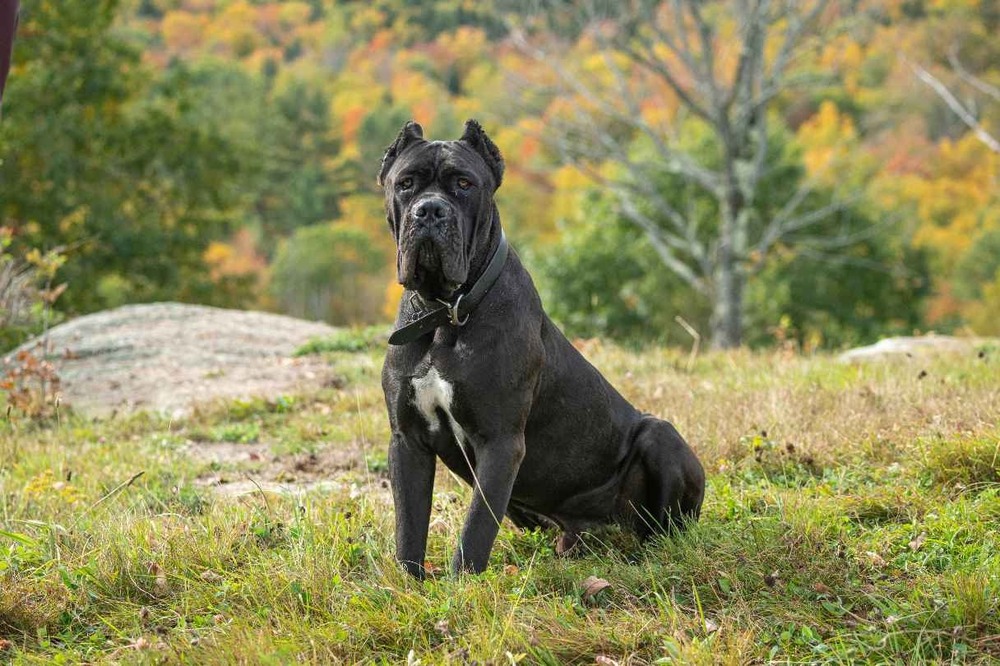
Cane Corsos are often described as loyal and protective. In day to day terms, that can look like a dog who prefers to stay close, checks in frequently, and takes a while to warm up to strangers. Reserved is not the same as unstable, but it does mean introductions and visitor management matter more than they might with a naturally social breed.
They also tend to do best with people who enjoy training as an ongoing practice, not as a puppy project you “finish”. Adolescence in a large dog can be a genuine test of consistency, especially if the dog has already learned that leaning, pushing through doorways, or ignoring a cue works for them.
Living with children
Many Cane Corsos can live well with children in the home, particularly when raised with them and when adults actively supervise and teach respectful interactions. For any large breed, it helps to think in practical safety terms rather than labels like “good with kids”. RSPCA guidance emphasises calm, controlled introductions, reading body language, and avoiding forced interactions, especially during early meetings.4, 5
Living with other animals
Some Cane Corsos are social with other dogs, others are selective, and some prefer their own space. Early, well planned socialisation can help, but it is not a guarantee that every adult will enjoy unknown dogs up close. If you already have pets, think about management as well as harmony, safe separation options, gradual introductions, and training that builds calm co existence.
Training and socialisation that fits the breed

The goal with a Cane Corso is not to flatten their instincts. It is to teach them how to live comfortably in modern environments where visitors come and go, children move unpredictably, and other dogs appear on narrow footpaths.
RSPCA advice on puppy socialisation focuses on gentle exposure to people, surfaces, sounds, and handling, paired with calm reinforcement, so the dog builds confidence without being overwhelmed.6 For guardian breeds, this kind of planned social learning is often more useful than simply “meeting everyone”.
Practical training priorities that tend to pay off in real life include:
- Settling on a mat, especially when the front door is active
- Loose lead walking and calm pauses, because strength becomes a safety issue quickly
- Polite greetings, including the skill of not greeting
- Comfort with handling of feet, mouth, and collar area for grooming and vet care6
Exercise and enrichment without winding them up
Cane Corsos are athletic dogs, but “more exercise” is not always the answer if the dog is already highly alert. Many do well with a mix of steady physical activity and brain work, such as scent games, structured obedience, and slow, decompression style walks where they can sniff and process the environment.
It can also help to separate fitness from arousal. Repetitive high intensity games can build stamina without building calmness. A thoughtful plan usually includes rest, routine, and training that teaches the dog what “off” looks like.
Health considerations to discuss with your vet
Like many large breeds, Cane Corsos can be affected by orthopaedic issues such as hip dysplasia, and they can also experience eye conditions. The details vary by bloodline, which is why health testing and transparent breeder practices matter in a very practical way, not as a badge of honour.
For day to day care, focus on the basics that make the biggest difference over time: maintaining a lean body condition, building muscle gradually, and seeing your vet early if you notice stiffness, reluctance to jump, or changes in gait. A good veterinary relationship is part of responsible ownership, particularly through growth phases and ageing.
Coat care, grooming, and day to day maintenance
Their short coat is straightforward, but not “no work”. Weekly brushing usually helps with shedding and skin health, and it is also an easy way to check for ticks, bumps, sore spots, and signs of irritation.
Because this breed is large and strong, grooming is also training. Teaching calm cooperation for nail trims, ear checks, and bathing is worth doing when they are young, when the consequences of a struggle are smaller.
Feeding and nutrition: focus on quality and body condition
People often get pulled into ingredient debates when choosing food for large breeds. WSAVA nutrition guidance is a helpful anchor here, it encourages owners and veterinary teams to base feeding decisions on the individual dog, including body condition, health risks, and realistic calorie needs, rather than marketing cues.7
For a Cane Corso, the simplest measurable target is usually staying lean. Extra weight increases load on joints and can make heat stress and exercise tolerance harder to manage. Your vet can help you assess body condition score and adjust portions across life stages.
Natural ears and tails, and the reality of cropping and docking
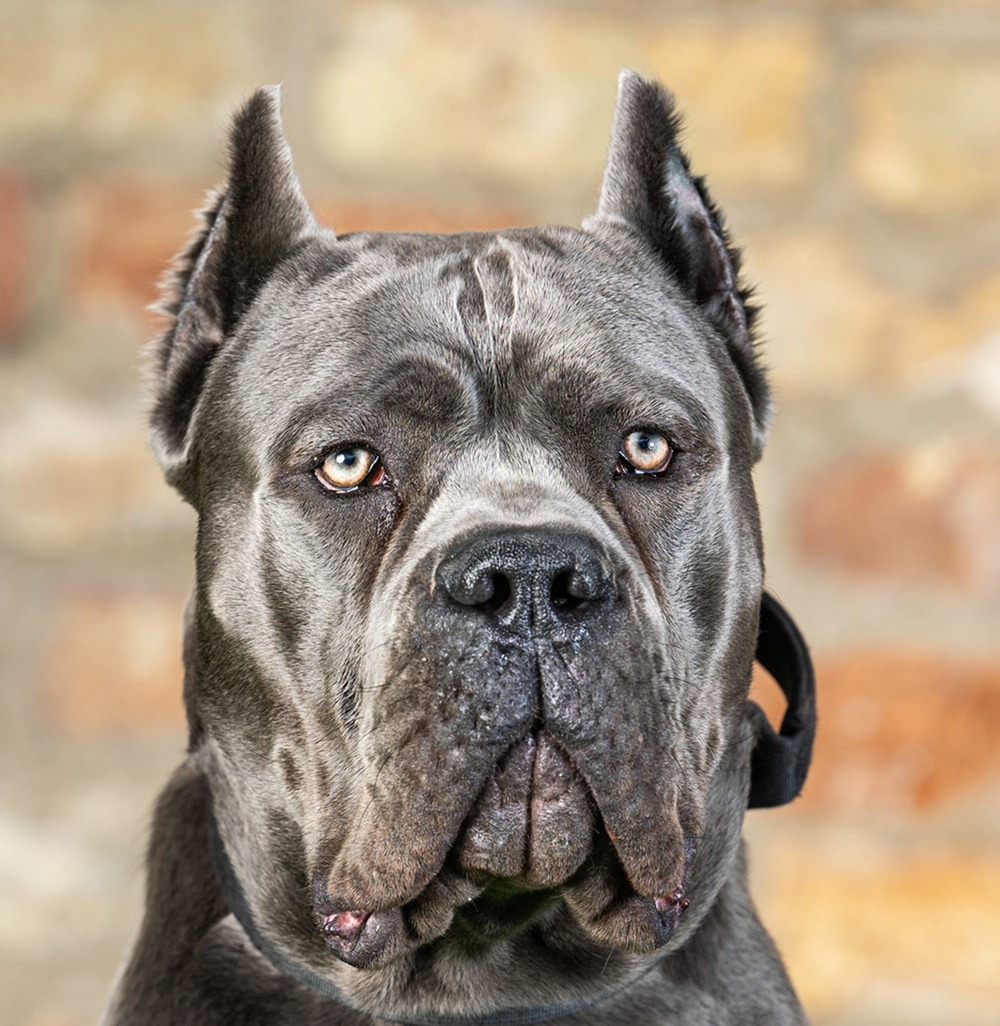
You will still see Cane Corsos with cropped ears and docked tails, especially in countries where it remains permitted or culturally common. It is also increasingly common to see them natural. If you are deciding what you are comfortable with, it helps to know that many veterinary and animal welfare organisations oppose cosmetic ear cropping and tail docking when they are not required for health or welfare reasons.8, 9
If you are buying a puppy, ask early what the breeder’s approach is, and make sure it aligns with your values and local rules.
Final thoughts: who this breed tends to suit
A Cane Corso can be a deeply steady companion in the right home, the kind of dog who wants to be near you, who notices the world, and who takes training seriously when it is taught well. They are not usually the best choice for someone who wants a low management dog, or for households where visitors come and go without structure.
If you enjoy training, can provide secure containment, and are willing to keep socialisation and manners as a living part of your routine, you are more likely to see the best of the breed. The dog in front of you still matters most, but the breed history gives you a useful starting point for the questions that count.
References
- Dogs Australia (ANKC), Breed Standards (includes Cane Corso listing)
- Federation Cynologique Internationale (FCI), Cane Corso Italiano standard and breed details
- VetzInsight (VIN), Cane Corso (breed overview and lifespan range)
- RSPCA Australia, Pets and kids (safe interactions and supervision)
- RSPCA Knowledgebase, Introducing a new dog or puppy to children
- RSPCA Australia, Socialising your puppy
- World Small Animal Veterinary Association (WSAVA), Global Nutrition Guidelines
- American Animal Hospital Association (AAHA), Ear cropping and tail docking position
- ASPCA, Position statement on elective (cosmetic) surgery (ear cropping and tail docking)