

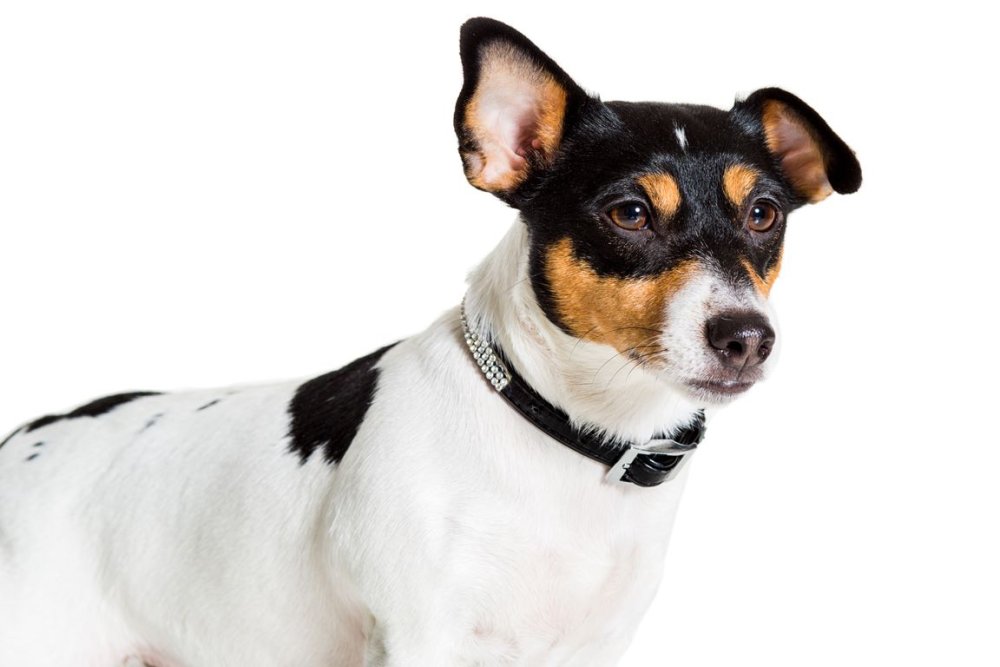
You might notice it first as a kind of restlessness. A small white terrier who cannot quite settle, who watches birds like they are a personal project, or who can turn a quiet lounge room into a game in seconds. For many people, that is how the Jack Russell Terrier enters the conversation, not as a “breed profile”, but as a dog who seems to have more drive than their size suggests.
It is easy to assume that a little dog must be a low-effort dog. With Jack Russells, that assumption usually falls apart quickly. Their bodies are compact, but their needs are closer to a working dog than a lapdog, especially when it comes to daily activity and the kind of stimulation that makes a busy brain feel satisfied.
When things go well, a Jack Russell can be a sharp, funny companion who fits neatly into family life. When things are mismatched, the same traits can show up as barking, chasing, digging, and a dog who looks “naughty” when they are really just under-employed. Understanding where the breed came from helps make sense of what you are seeing at home.
Where Jack Russell Terriers came from
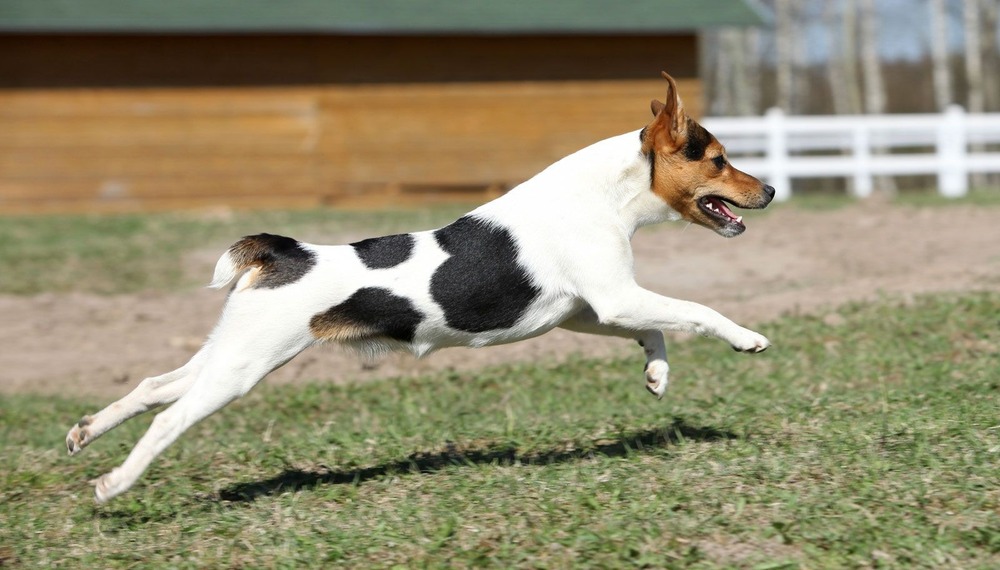
The Jack Russell Terrier was developed in England as a practical hunting terrier, shaped by the needs of fox hunting. The idea was not to create a decorative pet, but a dog with the stamina to keep up with horses and hounds, and the confidence to work close to the ground when it mattered.
That background still shows. Many Jack Russells will naturally scan for movement, track scents on walks, and get very invested in small, fast things. It can look like “high energy” in a general sense, but it is often more specific than that: purposeful energy that wants an outlet.
A note on breed names and “types”
Depending on where you live and which registry you look at, you may see Jack Russell Terrier, Parson Russell Terrier, or Russell Terrier used in different ways. In everyday life, people often use “Jack Russell” to describe a whole family of similar terriers. If you are working with a breeder, rescue, or club, it is worth clarifying which standard they follow, because size and proportions can differ.
Physical characteristics you can expect
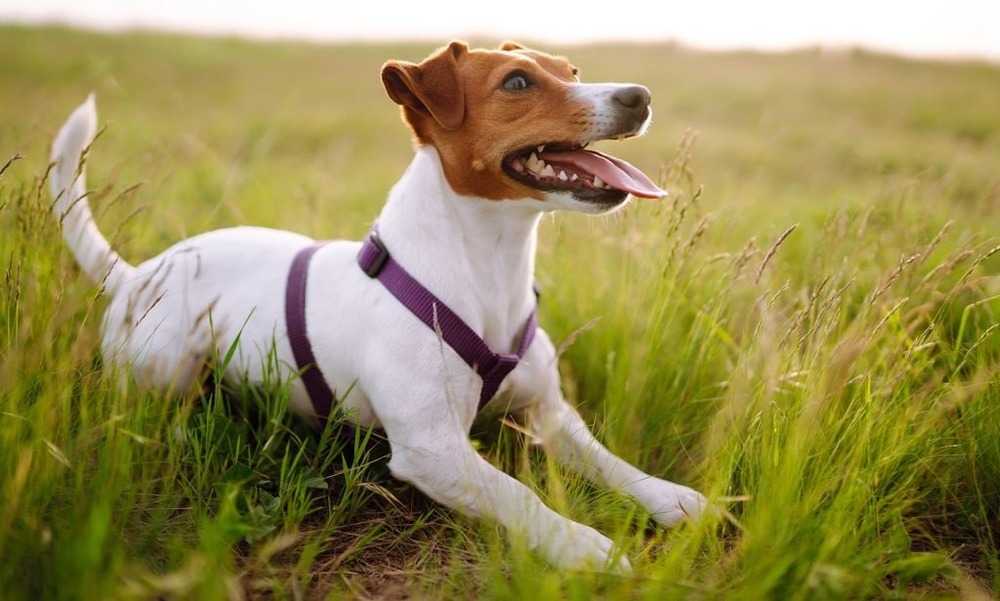
Most Jack Russell Terriers are small, athletic, and built for agility rather than delicacy. Under the Australian National Kennel Council (ANKC) standard, the ideal height is 25 to 30 cm, with weight roughly proportional to height (about 1 kg per 5 cm).1
Coats come in smooth, broken, or rough varieties, and white should predominate with black and/or tan markings.1 You will often see a white body with a darker mask or patches, which is not just “cute”, but historically useful for visibility in the field.
Docking and tails in Australia
You may still see older photos of docked tails, but tail docking is not permitted in Australia except under limited exemptions. In practice, many Australian-bred Jack Russells will have a natural tail.2
Temperament, drive, and what it looks like at home
Jack Russells are commonly described as bold, intelligent, and energetic. Those words are accurate, but they can be misleading if they are taken as personality labels rather than working traits. A Jack Russell often has a strong interest in movement, a quick response to sound, and a tendency to rehearse behaviours that get results.
This can show up as frequent barking, door guarding, intense play, or a dog who does not automatically “switch off” after a stroll around the block. Many owners find that the turning point is not more kilometres, but better mental work built into everyday routines.
- Sniffing time on walks, rather than constant heel work
- Short training games (1 to 3 minutes) scattered through the day
- Food puzzles, scatter feeding, or simple scent games at home
- Structured play that includes pauses and calm resets
Living with children and other pets
With thoughtful management, many Jack Russells do well in family homes. Their speed and intensity can be a lot for very young children, though, especially if the dog is easily startled or the child tends to grab. Supervision matters, and so does teaching children how to interact calmly, including giving the dog space when they are resting.
With other animals, it helps to be realistic. Many individuals have a strong inclination to chase, particularly smaller pets. Early socialisation can improve outcomes, but it does not erase genetics. Think in terms of management first, then training: secure fencing, controlled introductions, and appropriate separation when you cannot supervise.
Training that suits a Jack Russell
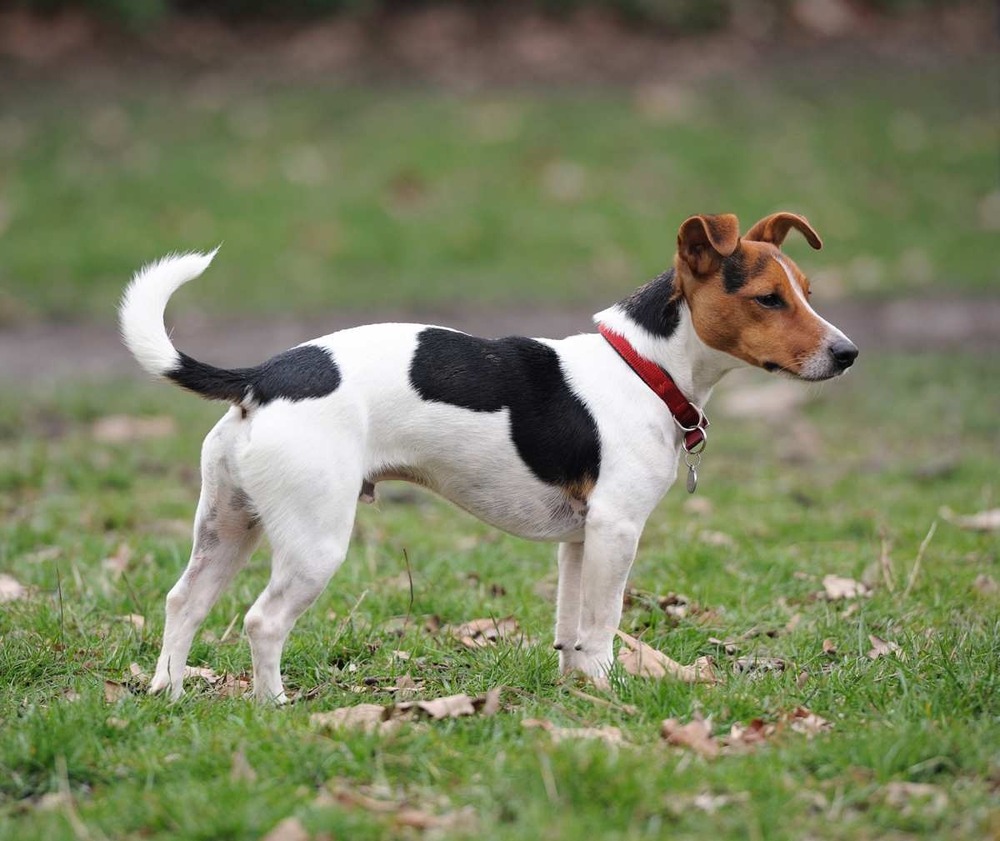
A Jack Russell is often quick to learn and equally quick to decide which behaviours are worth repeating. Reward-based training tends to work well because it gives the dog clear information about what pays off, and it helps build a cooperative pattern rather than a constant negotiation.3, 4
Keep sessions short, upbeat, and specific. If you are dealing with jumping up, barking at the fence, or rushing the door, aim to practise when you can set the dog up to succeed. In many cases, it is more effective to teach an alternative behaviour (go to mat, hand touch, sit for greetings) than to focus on stopping the unwanted one.
A gentle word about “stubbornness”
People often describe Jack Russells as stubborn. Sometimes that is true. Often, it is that the dog is under-stimulated, over-aroused, or simply not convinced the cue is worth following. If training feels stuck, look first at the basics: sleep, exercise quality, reinforcement value, and whether the environment is too difficult for the current skill level.
Exercise and enrichment without over-winding them
Jack Russells usually need daily movement, but they also need practice being calm. Long sessions of high-intensity fetch can build fitness while also building a dog who struggles to settle. A more balanced approach is usually kinder on their body and easier on your household.
Useful activities include brisk walks with sniff breaks, beginner agility foundations, tug with rules (take it, drop, settle), and supervised digging in a designated spot. The goal is not to exhaust them, but to meet their needs so their nervous system can come down afterwards.
Health considerations and preventive care
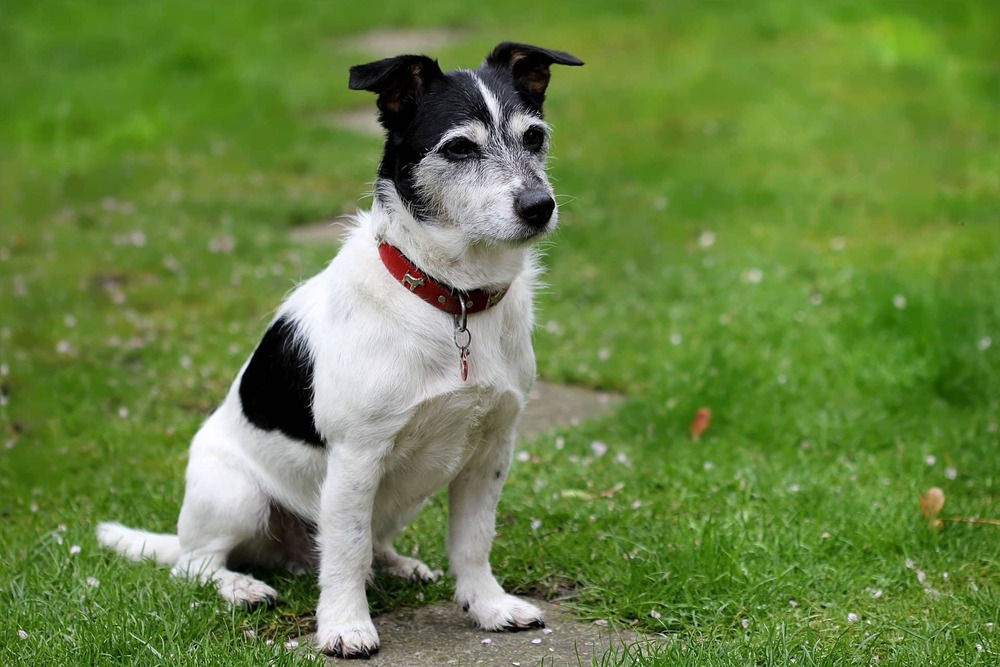
Many Jack Russells live long lives, commonly into their teens. Like any breed, they are not immune to health problems. Two conditions that are worth being aware of are patellar luxation (kneecap displacement) and primary lens luxation (an inherited eye condition that can be painful and can threaten vision).5, 6
Patellar luxation can present as intermittent skipping on a back leg or an occasional hop that resolves within a few steps. Severity varies, and treatment ranges from conservative management to surgery, depending on the grade and the dog’s comfort and function.5
Primary lens luxation is treated as an emergency if the lens shifts forward, because it can rapidly lead to glaucoma and pain. If you notice sudden squinting, redness, cloudiness, or obvious eye discomfort, treat it as urgent and contact your vet promptly.6
Everyday care that genuinely helps
- Regular veterinary check-ups, including joint and eye checks where appropriate
- Dental care at home, where daily tooth brushing is considered the gold standard, plus vet advice on safe dental products7
- Weight management, since extra weight can worsen joint strain and reduce heat tolerance
Grooming, coat care, and weather comfort
Coat care is usually straightforward. Weekly brushing is often enough for most households, with more frequent brushing during shedding periods. Rough and broken coats may benefit from occasional breed-appropriate grooming advice, especially if the coat mats or traps seeds.
Although they are hardy dogs in many ways, Jack Russells can still struggle in extremes. In hot weather, focus on shade, ventilation, water, and adjusting exercise to cooler parts of the day. Know the common warning signs of heat stress, including heavy panting, drooling, weakness, vomiting, and collapse, and seek veterinary help if you are concerned.8
Feeding and keeping treats in perspective
Most Jack Russells do well on a complete and balanced diet suited to their life stage and activity level. Because they can be enthusiastic about food and training, treats can quietly add up.
A practical guideline used by veterinary nutrition services is to keep treats and “extras” to no more than 10 percent of daily calories, with the rest coming from a nutritionally complete diet.9 If you are using treats heavily for training, you can often use part of the dog’s regular kibble allowance, or choose lower-calorie options your vet approves.
Famous Jack Russells and why they stand out
Jack Russells have a long history in film and television because they are bright, responsive, and physically expressive. Eddie from Frasier is often cited as a classic example, and it fits the breed’s reputation for quick learning and strong on-screen presence.
It is worth remembering, though, that many of the behaviours we find entertaining on screen come from careful training and thoughtful management off-camera. In real homes, the same focus and persistence can be a joy, or a challenge, depending on how well the dog’s needs are met.
Final thoughts on choosing, or keeping up with, a Jack Russell
A Jack Russell Terrier is rarely a “set and forget” dog. They tend to do best with people who enjoy engagement: short training games, daily outings, and a home routine that includes both activity and rest.
If you lean into what they are, a small working terrier with a big appetite for learning, you often get a companion who is sturdy, funny, and remarkably capable. The aim is not to suppress that terrier spark, but to give it places to go, so the dog you live with is the same dog you admired in the first place.
References
- Dogs NSW (ANKC): Jack Russell Terrier breed standard
- Jack Russell Terrier Club of Victoria: Breed standard notes (tail docking not allowed)
- RSPCA Knowledgebase: What is reward-based dog training and why does the RSPCA support it?
- RSPCA Australia: The do’s and don’ts of training your dog
- Merck Veterinary Manual: Patellar luxation in dogs and cats
- Cornell University College of Veterinary Medicine: Primary lens luxation
- Australian Veterinary Association (Vet Voice): Regular pet dental checks with vet vital to prevent dental disease
- RSPCA NSW: Heat stress
- UC Davis School of Veterinary Medicine: Treat guidelines for dogs