


People often come to the Japanese Chin after meeting one in the wild, so to speak. A small dog perched neatly on the back of a sofa, watching the room with bright eyes, then padding over as if it has places to be. It can look a bit like a tiny spaniel, a bit like a flat-faced toy breed, and a bit like something else entirely.
Because they are little, it is easy to assume they are low-effort or purely ornamental. In practice, they tend to be sensitive to handling, quite tuned-in to household rhythms, and a little particular about comfort. They can suit apartment life beautifully, but they still need thoughtful care, especially around grooming, heat, and the everyday basics of training and socialisation.
The Japanese Chin is best understood as a companion dog with a long history of living closely with people. If you like a dog that is gentle, observant, and compact, but you also want to do right by their health and temperament, it helps to know what sits underneath that elegant coat.
- Breed category: Toy
- Typical height: around 20 to 28 cm at the withers
- Typical weight: commonly 1.8 to 3.2 kg, some lines can be heavier1, 2
- Typical lifespan: often over 10 years, many live into their teens with good care3
- Coat: long, silky, straight
- Colours: black and white, or red and white (red includes lemon, orange, sable)1
The Japanese Chin as a companion breed

Despite the name, most modern breed histories point to the Chin being developed in Japan from small companion dogs that likely arrived via China or Korea. What matters day-to-day is the result: a dog shaped by generations of close living with people, rather than by a working job.3, 4
Breed descriptions often use words like “aristocratic” or “stylish”, which can sound like marketing. In real homes, it usually shows up as a dog that likes soft places, enjoys being near you (often without demanding constant fuss), and can have a quiet, cat-like independence at times.4
If you are choosing a Chin, it is worth thinking in terms of temperament fit. Many are affectionate and playful, but they are not always the best match for a very loud, hands-on household unless everyone is prepared to handle them gently and give them space when they have had enough.
Temperament, behaviour, and family fit
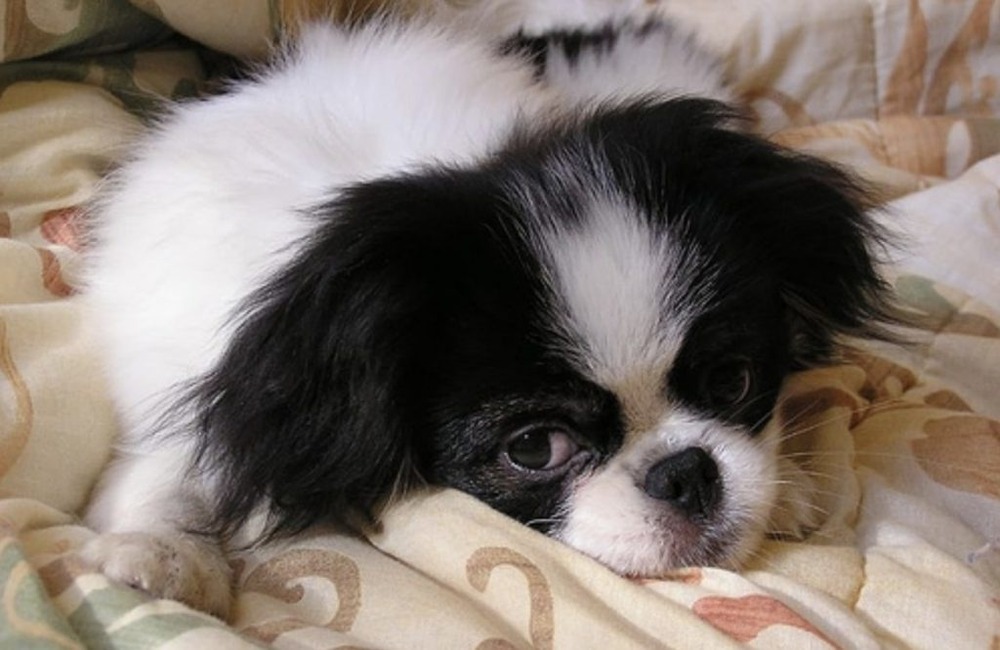
Japanese Chins are often described as charming, bright, and people-oriented. They tend to notice patterns quickly, including routines you did not realise you had, and they can be surprisingly good at choosing the comfiest spot in the house without getting under your feet.
With children, success usually comes down to two things: supervision, and teaching kids how to approach a small dog. The Chin’s small size can make them vulnerable to accidental knocks or rough cuddles. In a calm household with gentle handling, they can be lovely companions.
With other pets, many settle well, especially if introduced thoughtfully. A confident cat or a boisterous larger dog can overwhelm a Chin if introductions are rushed. Slow, controlled meet-and-greets and plenty of safe retreat spaces make a big difference.
Training and everyday exercise
Training a Japanese Chin is usually less about drilling obedience and more about building cooperation. They often respond best to short sessions, clear cues, and rewards that genuinely matter to them, which might be food, play, or simple attention.
It is common to hear they can be “stubborn”. A kinder way to frame it is that they can be sensitive and easily switched off by pressure. Positive reinforcement and calm consistency are typically the most productive approach.
Exercise needs are modest. Many Chins are content with a couple of short walks and some indoor play, plus opportunities to sniff and explore at their own pace. Overdoing it in hot weather is a bigger risk than underdoing it, particularly because the breed has a shortened muzzle.
Health considerations that matter in real life
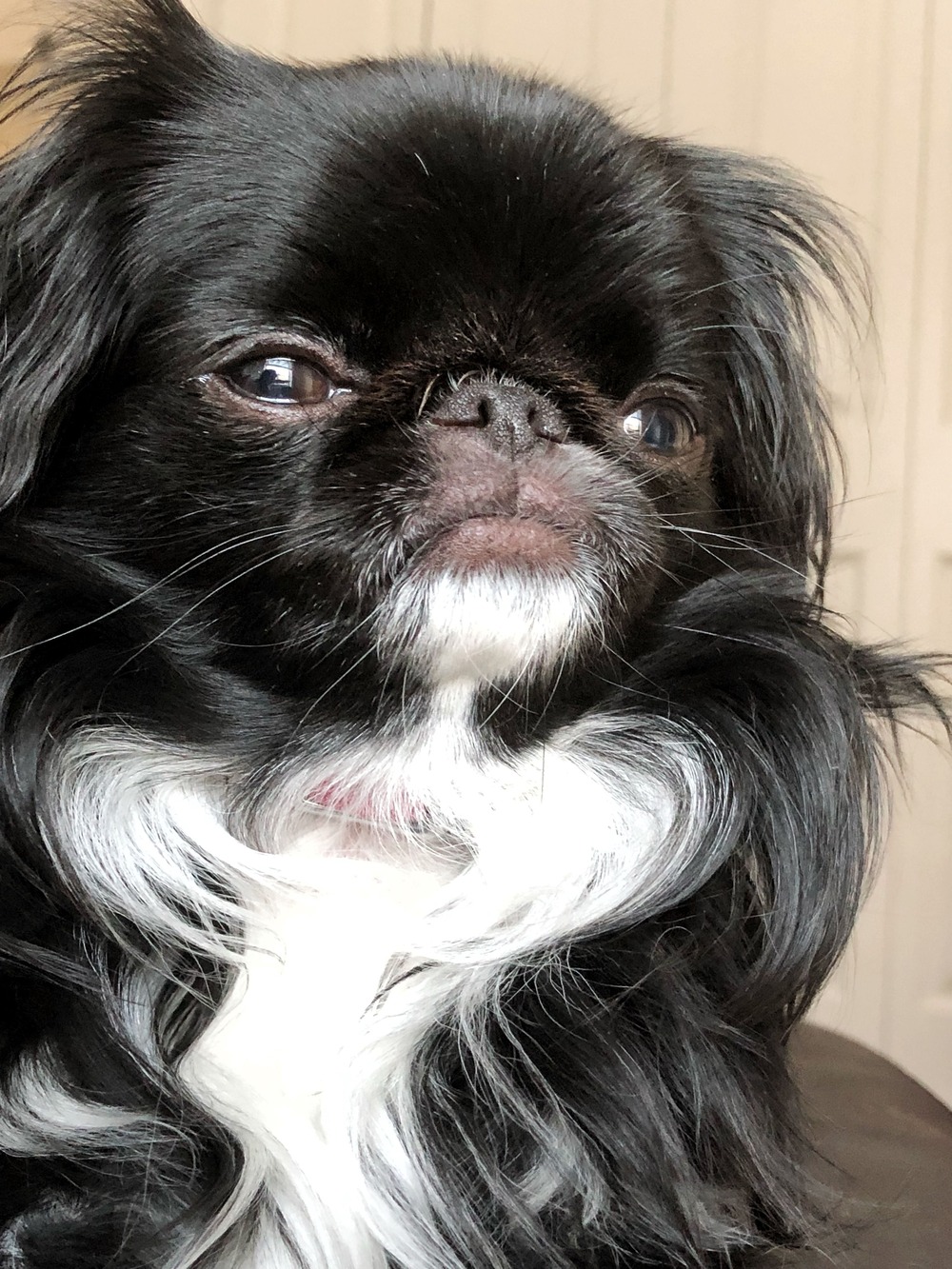
The Japanese Chin is often described as generally healthy, but there are predictable pressure points. Two that come up often in toy breeds are kneecap issues (patellar luxation) and heart disease that may present as a murmur, particularly as dogs age.5, 6
Patellar luxation can look like an intermittent skip, a sudden lift of a back leg, or occasional lameness, and severity varies widely. Mild cases may be managed conservatively, while more significant cases can require surgery, so it is worth discussing any odd gait with your vet sooner rather than later.6
The Chin’s flatter face also matters. Brachycephalic dogs can have more difficulty cooling themselves by panting, and breathing can worsen with heat, stress, or extra weight. Even if your individual dog seems fine, it pays to assume they are more heat-sensitive than they look.7, 8
Heat safety and warm-weather routines
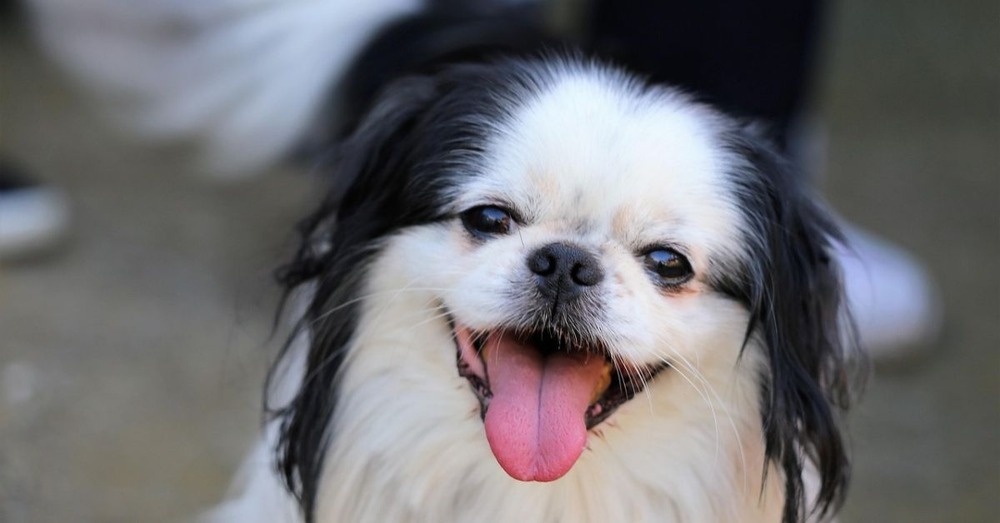
Heat stress is one of those risks that can sneak up, especially with small dogs who seem happy to trot along. RSPCA guidance for hot weather is simple and practical: avoid exercising in hot, humid conditions, ensure shade and ventilation, keep water available, and never leave a dog in a car.8
On warmer days, routine tweaks help. Walk early or late, keep sessions short, and choose shaded grass rather than hot pavement. If your Chin starts panting hard, slowing, or looking unsettled, treat it as useful information, not misbehaviour.
If you suspect heatstroke, first aid involves cooling with tepid or cool water and fanning, then prompt veterinary care. Avoid ice-cold water, which can make things worse.9
Coat care, grooming, and the small details
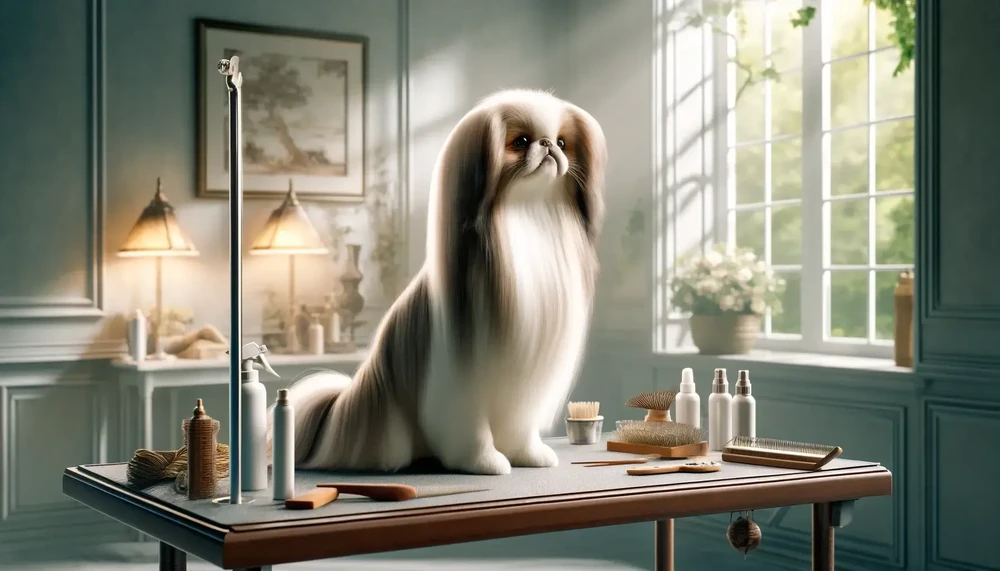
The Chin’s coat is long and silky, but it is not meant to be sculpted into something elaborate. For most households, brushing a few times a week prevents mats, especially behind the ears, under the armpits, and around the “trousers” on the back legs.
Because the breed has prominent eyes, it is also sensible to keep an eye on any redness, squinting, discharge, or rubbing at the face. If you notice changes, have your vet check it rather than trying to self-diagnose at home.
Regular nail trims, ear checks, and dental care are the unglamorous basics that keep a small dog comfortable. When nails get too long, tiny feet can splay and posture can change. With small breeds, these little maintenance tasks add up to a much easier life.
Feeding and keeping a healthy weight
With toy breeds, weight management is not about chasing an aesthetic. It is about breathing comfort, joint load, and stamina. A Japanese Chin carrying extra weight may tire sooner in warm weather and place more stress on knees that are already prone to luxation.
A good starting point is choosing a complete, balanced diet and using your dog’s body condition, not just the scales, to guide portions. The World Small Animal Veterinary Association (WSAVA) nutrition guidelines are a helpful reference point for discussing food choices with your vet, especially if you are juggling treats for training.10
- Measure meals for a week or two, then adjust based on body condition and energy.
- Keep treats small and count them as part of the day’s intake.
- If your Chin is breathless on mild walks, or is gaining steadily, ask your vet for a structured plan.
Choosing a puppy or adult dog responsibly
If you are buying from a breeder, ask what health testing they do, and ask to see evidence. Breed clubs commonly recommend screening for eyes, heart, and patellas, which aligns well with the issues owners and vets see in practice.5
If you are adopting, you can still work from the same checklist. Ask about heat tolerance, any history of lameness or “skipping”, dental status, and how the dog copes with being left alone. Many Chins settle into new homes well when the transition is quiet, predictable, and not too busy.
The best outcome is usually not about finding a “perfect” dog. It is about matching a particular dog’s needs to a home that can meet them, especially around gentle handling and climate comfort.
References
- The Kennel Club (UK): Japanese Chin breed standard
- Japanese Chin Club of America: AKC Breed Standard
- The Kennel Club (UK): Japanese Chin breed information
- American Kennel Club: Japanese Chin history
- Japanese Chin Club of America: Health and recommended testing
- Merck Veterinary Manual: Patellar luxation in dogs and cats
- RSPCA Australia: Flat-faced breeds and breathing problems (Love is Blind campaign)
- RSPCA Australia: Protect pets from heatstroke
- RSPCA Australia: Keeping your pet safe during the heat
- WSAVA: Global Nutrition Guidelines