

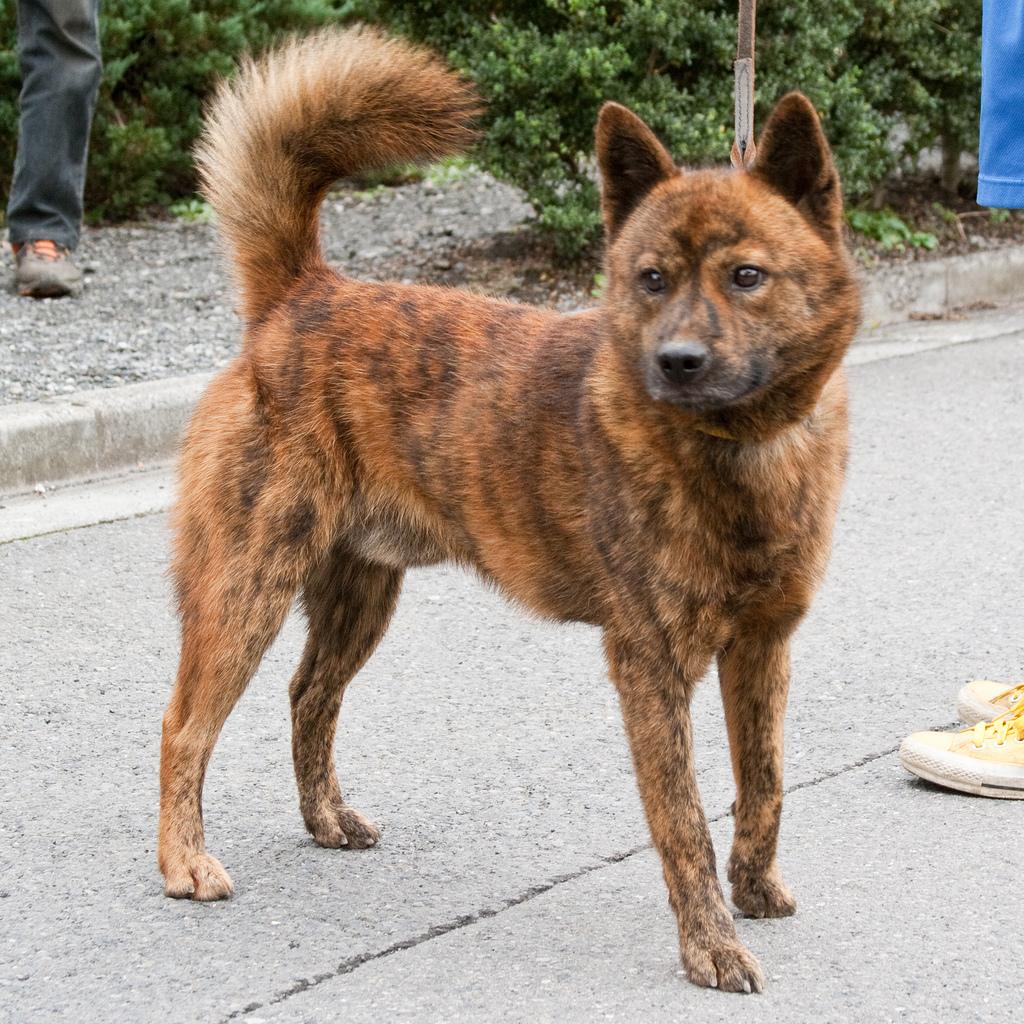
You might first notice a Kai Ken in a photo, a medium-sized dog with tiger-like striping and a watchful, quiet way of holding itself. Or you might hear the name in passing and wonder why a breed that looks so capable is still so uncommon outside Japan.
Part of the confusion comes from how we talk about “rare” dogs. Rarity can sound like novelty, but with the Kai Ken it is often tied to geography, careful preservation, and a working background that does not always fit modern suburban life. When people meet one, what stands out is not flashiness, but a steady, self-contained dog that tends to take in the world before deciding what to do with it.
If you are considering the breed, or you are simply trying to understand what makes it different, it helps to look at where it comes from and what that history still asks of the dog today: movement, problem-solving, and a home that respects its boundaries as much as its loyalty.
- Breed category: Working dog
- Country of origin: Japan
- Average height: 45 to 56 cm
- Average weight: 14 to 23 kg
- Typical lifespan: 12 to 15 years
- Coat: Double coat, short to medium
- Colours: Brindle shades (often described as red, medium, or black brindle)
- Shedding: Moderate, heavier seasonally
- Temperament: Devoted, alert, often reserved with strangers
- Exercise needs: High, daily physical and mental work
Origins that still shape the dog
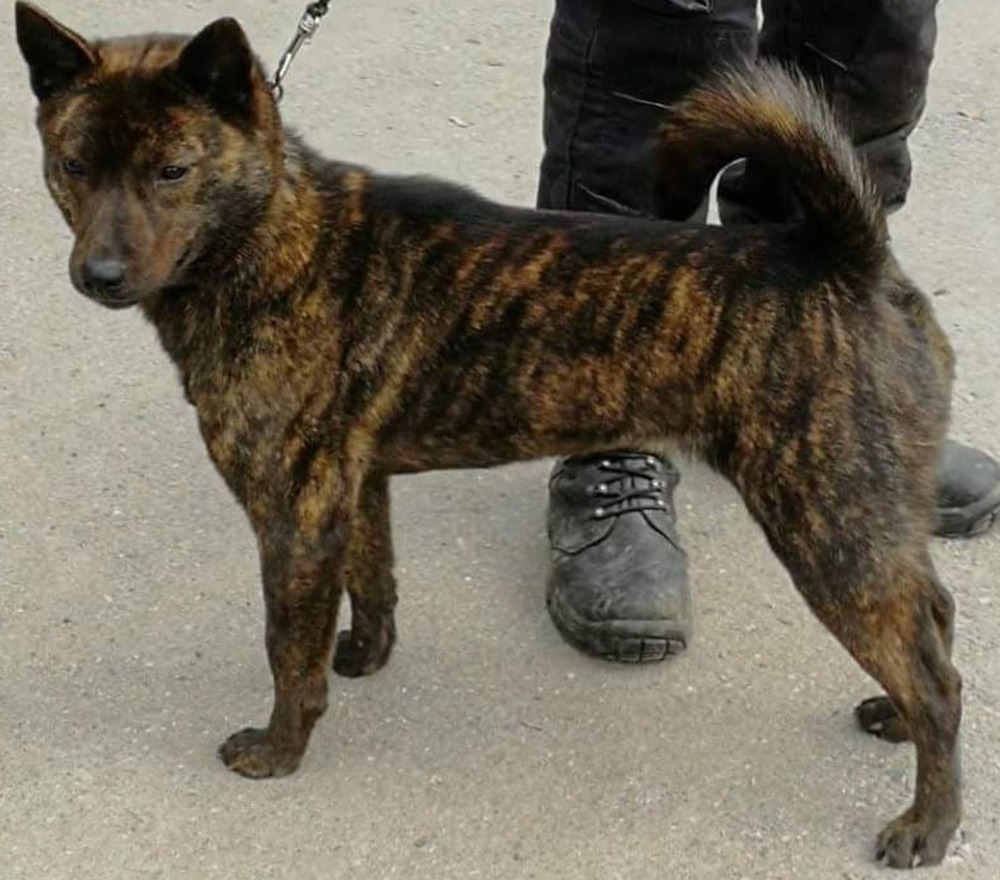
The Kai Ken developed in Japan’s mountainous regions, particularly around what is now Yamanashi Prefecture. In steep, wooded country, a useful dog needed sure-footed balance, strong hindquarters, and the kind of focus that holds up when the terrain is awkward and the scent picture is messy.1
That background is one reason the breed can look “contained” compared with more socially outgoing dogs. Many Kai Ken are observant first. They tend to notice patterns, routes, and changes in their environment, which can be a real advantage in training, but also means they do not always welcome surprises with enthusiasm.1
In Japan the Kai Ken is recognised as one of the native Nihon Ken breeds and was designated a natural monument in the 1930s, a move that reflects cultural value as much as canine history.2 It is worth treating that “national treasure” label as context rather than marketing. The point is not that the dog is delicate, but that it has been intentionally preserved.
Why the brindle matters, and why it can be misunderstood
The “tiger dog” nickname comes from brindle striping. Brindle can act as practical camouflage in forested settings, and in the Kai Ken it is a defining feature. One unusual detail is that pups may be born looking comparatively plain, with brindle developing and deepening as they mature, sometimes taking years to fully show.3
Temperament in real homes
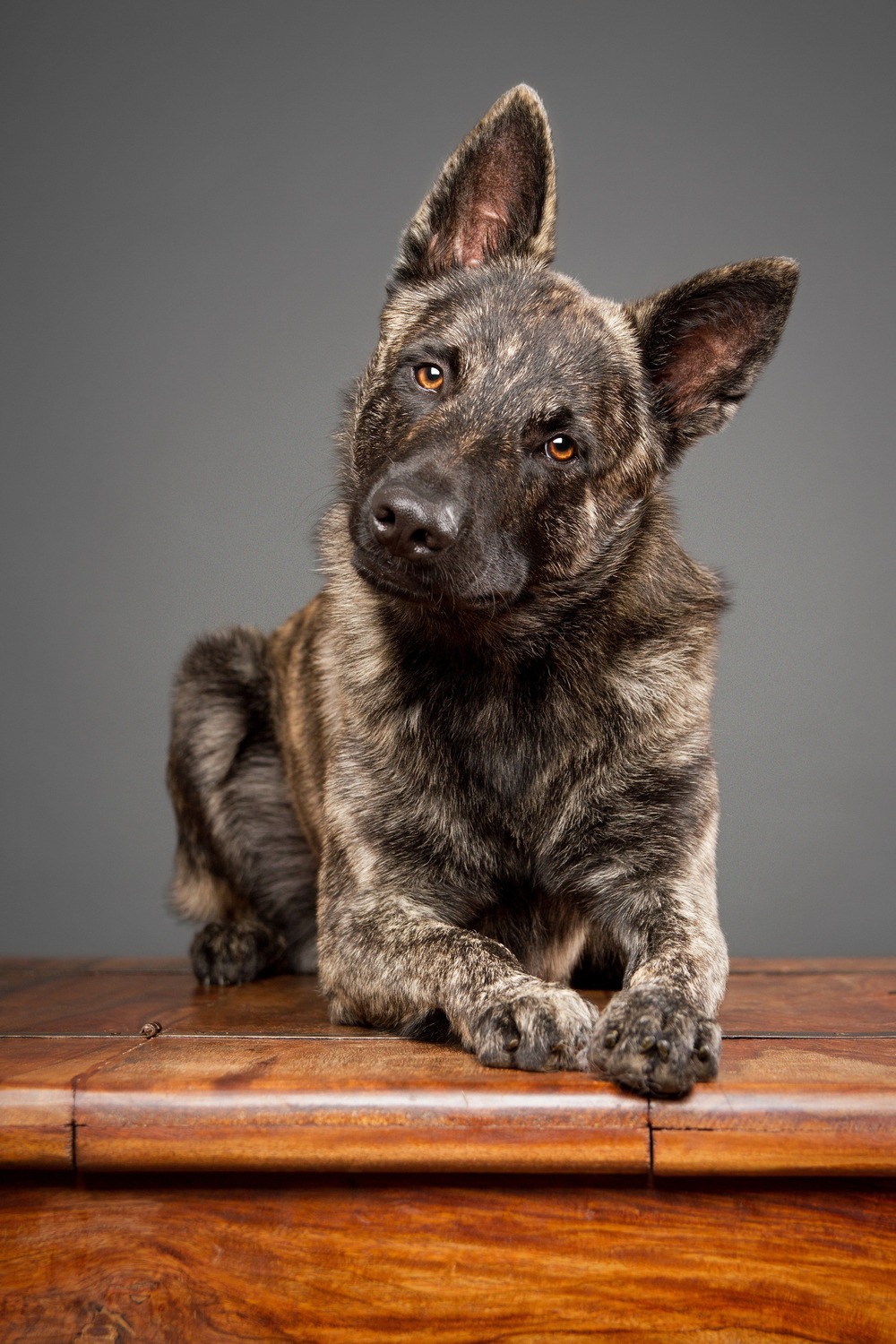
People often describe the Kai Ken as loyal and intelligent, which is broadly true, but those words can hide the practical reality. Many individuals are reserved with strangers and more selective about social contact than breeds that were shaped for constant public-facing work.1
With family, the breed can be deeply attached and responsive. The difference is that their cooperation tends to be relationship-based. They often do best when the household is consistent, cues are clear, and interactions are calm rather than overly busy or rough.
Children, visitors, and other pets
In the right setting, Kai Ken can live well with children, particularly when kids are old enough to follow boundaries and give the dog space to settle. As with any hunting breed, thoughtful management around small pets matters, and early introductions help, but they do not guarantee a “universal” dog-to-dog or dog-to-cat sociability.
If you are weighing up suitability, it can help to think less in terms of labels like “good with kids” and more in terms of a daily picture: noise levels, visitor traffic, and whether the dog can reliably opt out and rest.
Training that suits an independent, sensitive thinker
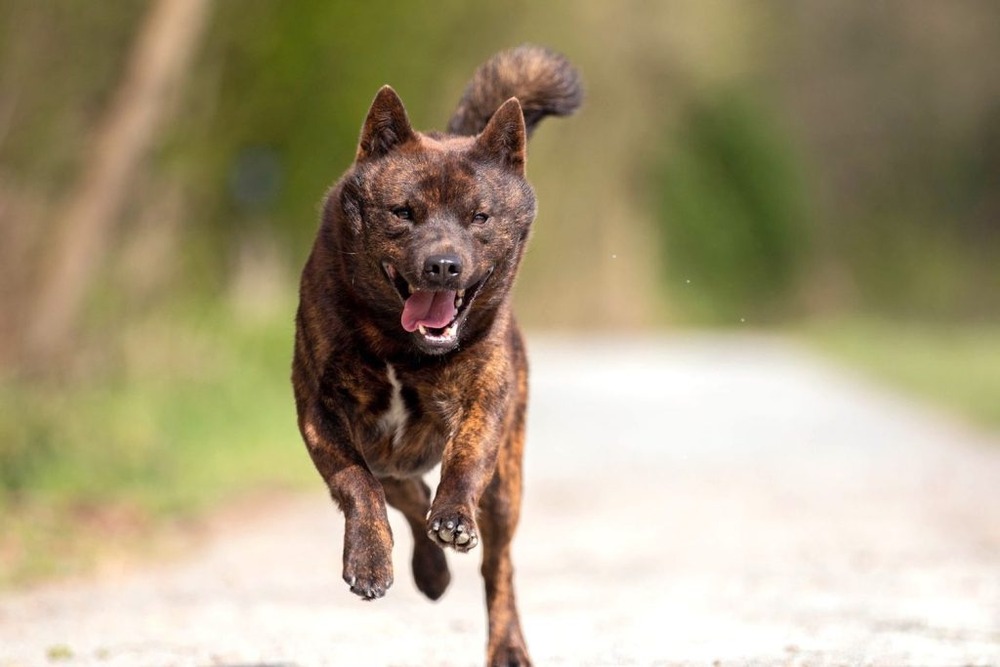
Kai Ken are often quick to learn, but not always eager to repeat drills for their own sake. A common trap is mistaking independence for stubbornness. In practice, many respond best to sessions that are short, varied, and genuinely rewarding.
Positive reinforcement is usually the most practical approach for building reliability without creating conflict. Harsh corrections can backfire with more sensitive dogs, especially those already inclined to be cautious in unfamiliar situations.
- Start early with social exposure, but keep it controlled and gentle: surfaces, sounds, calm people, and neutral dogs.
- Build automatic habits first (settle on a mat, recall games, loose lead walking) before expecting composure in busy places.
- Use management as training: baby gates, long lines, and predictable routines reduce rehearsal of unwanted behaviours.
Mental work counts as exercise
Because the breed was shaped to solve problems in complex terrain, mental work is not a luxury. Scent games, tracking-style walks, and structured training can take the edge off restlessness in a way that an aimless run sometimes does not.
Exercise needs, and why heat changes the plan
The Kai Ken is an athletic dog, and most adults need daily movement that goes beyond a quick stroll. Hiking, jogging once mature and conditioned, and skill-based activities such as agility can suit the breed well.
That said, their double coat can make hot weather harder. It is sensible to treat heat as a real constraint, not an inconvenience. In warm conditions, swap midday exercise for early mornings and evenings, and watch for heat stress warning signs such as heavy panting, drooling, lethargy, vomiting, or unsteadiness.4
If you suspect heat stroke, cool the dog with cool water (not ice cold) and contact a veterinarian promptly. Heat illness can escalate quickly even when a dog seems to “push through”.4
Health, screening, and what “generally healthy” really means
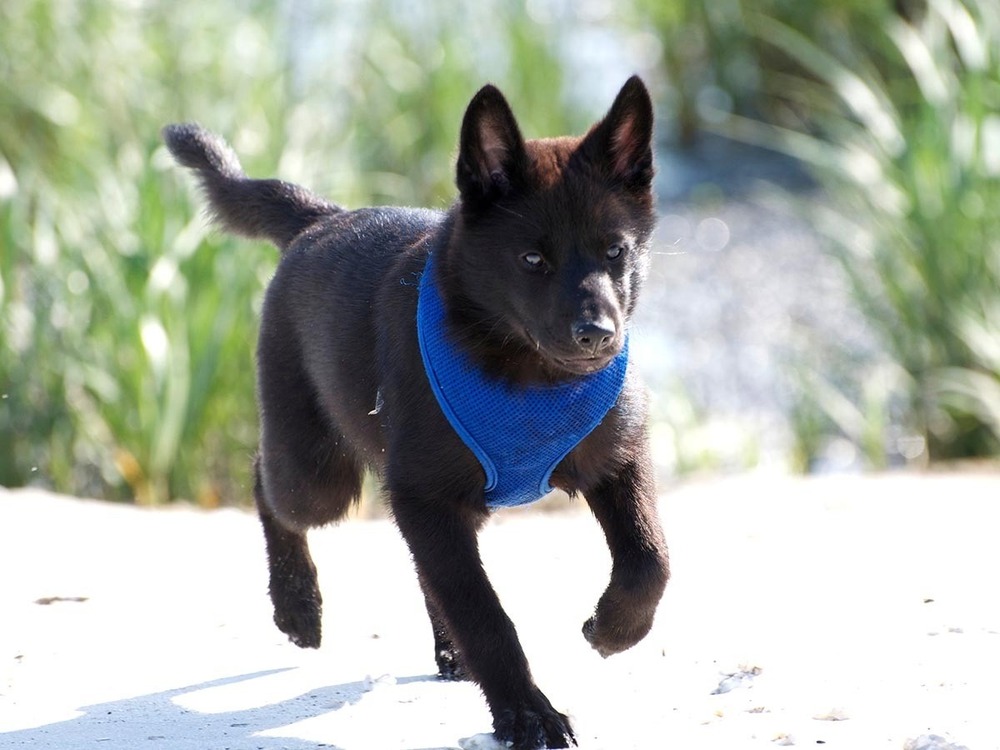
Kai Ken are often described as generally healthy, especially compared with some heavily modified modern breeds. Even so, no breed is health-proof, and it is wise to keep expectations grounded.
Hip dysplasia is a condition owners will hear about across many medium and large breeds. It involves abnormal hip development and can range from mild to severe, with signs sometimes appearing in young dogs, or later alongside arthritis.5, 6
If you are buying a puppy, ask what health screening has been done on the parents and what that means in practical terms. Screening does not guarantee outcomes, but it does reduce avoidable risk. For owners who want clarity, the Orthopedic Foundation for Animals outlines how hip grading works and why management such as weight control and appropriate exercise matters for affected dogs.5
Routine care that pays off over time
- Keep nails short and feet in good condition, especially if you do lots of trail walking.
- Check ears regularly, particularly after swimming or bathing.
- Maintain a lean body condition, since extra weight increases load on joints.
Coat care, shedding, and the calm reality of grooming
The Kai Ken coat is not high-maintenance, but it is not “no-maintenance” either. A weekly brush will usually manage day-to-day shedding, and you will likely need more help during seasonal coat blows.
Avoid over-bathing. Frequent shampooing can strip oils and dry the skin, which can make itching and flaking more likely. A rinse after muddy walks, followed by thorough drying, is often enough between baths.
Grooming is also a chance to notice small changes early: new lumps, tender spots, ear debris, or a shift in coat quality that might hint at nutrition issues or underlying illness.
Feeding, nutrition, and choosing food without getting lost in labels

For an active breed, it is tempting to chase “high protein” claims or trendy ingredients. The more useful question is whether the diet is complete and appropriate for your individual dog, including age, activity level, and health status.
The World Small Animal Veterinary Association (WSAVA) Global Nutrition Committee provides practical guidance for owners on assessing pet foods. One key point is that ingredient lists can be misleading and do not, on their own, tell you whether a food is high quality or well formulated.7, 8
If you want a simple, workable routine, aim for consistency first, then adjust based on body condition, stool quality, and your vet’s advice. Treats are best treated as part of the daily budget, not “free calories”.
Living with a rare breed, without romanticising it
Because Kai Ken are uncommon in many countries, people sometimes assume they will be instantly “special” in day-to-day life. In reality, they are still dogs with needs that can be ordinary and demanding at the same time: movement, training, companionship, and boundaries.
The best homes for the breed are usually those that enjoy a dog who is present and engaged, but not constantly seeking attention from every stranger. If you like training as a shared project, value steady routines, and can offer real exercise, a Kai Ken can be deeply satisfying to live with. If you need a carefree social butterfly, it may feel like hard work.
Rarity should never be the reason to choose one. A better reason is this: the Kai Ken suits people who appreciate quiet capability and are willing to earn trust through consistent, thoughtful handling.
References
- Kai Ken Society of America, Breed Standard
- Wikipedia (Italian), Kai Ken (history and natural monument designation)
- Wikipedia (English), Kai Ken (coat and brindle development)
- ABC News, Ways to protect your dog from heat stress in summer
- Orthopedic Foundation for Animals (OFA), Hip Dysplasia
- American Kennel Club, Hip Dysplasia in Dogs: Signs, Symptoms, Treatment
- WSAVA, Global Nutrition Guidelines (pet owner tools and label guidance)
- WSAVA, Global Nutrition Guidelines (Selecting a Pet Food and label guides)