

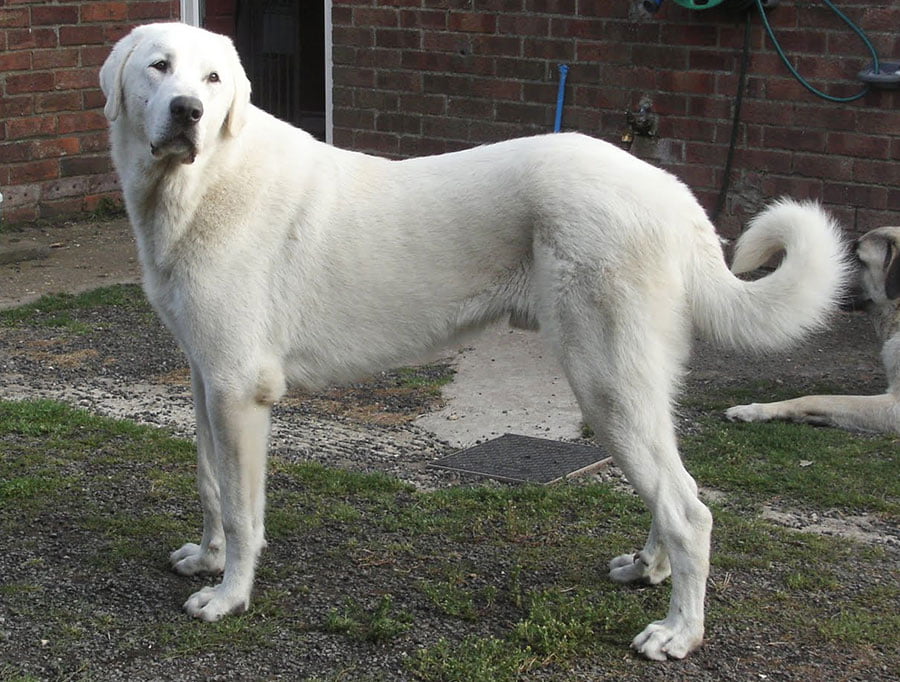
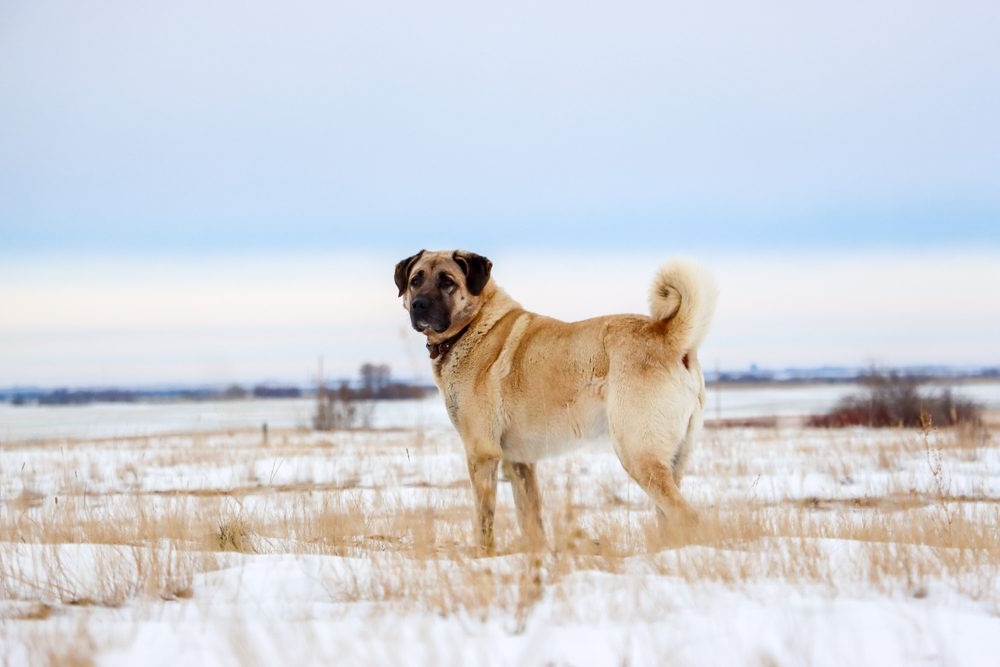
You might first notice a Kangal in a photo or video: a big, fawn dog with a dark mask, standing quietly at the edge of a flock. It is easy to assume they are simply a larger version of a familiar farm dog, or that good training can make them fit neatly into any home.
In practice, Kangals tend to make more sense once you understand what they were shaped to do. They are livestock guardians, bred to think independently, patrol boundaries, and respond to threats without waiting for human direction. That history shows up in everyday life, from how they use space, to how they relate to visitors, to how quickly they decide whether something belongs.
For the right setting, they can be steady, capable dogs. For the wrong setting, the same traits can become difficult, sometimes risky. The useful question is not whether the Kangal is “good” or “bad”, but whether your environment and expectations match a dog designed for guardianship.
At a glance: what the Kangal is built for
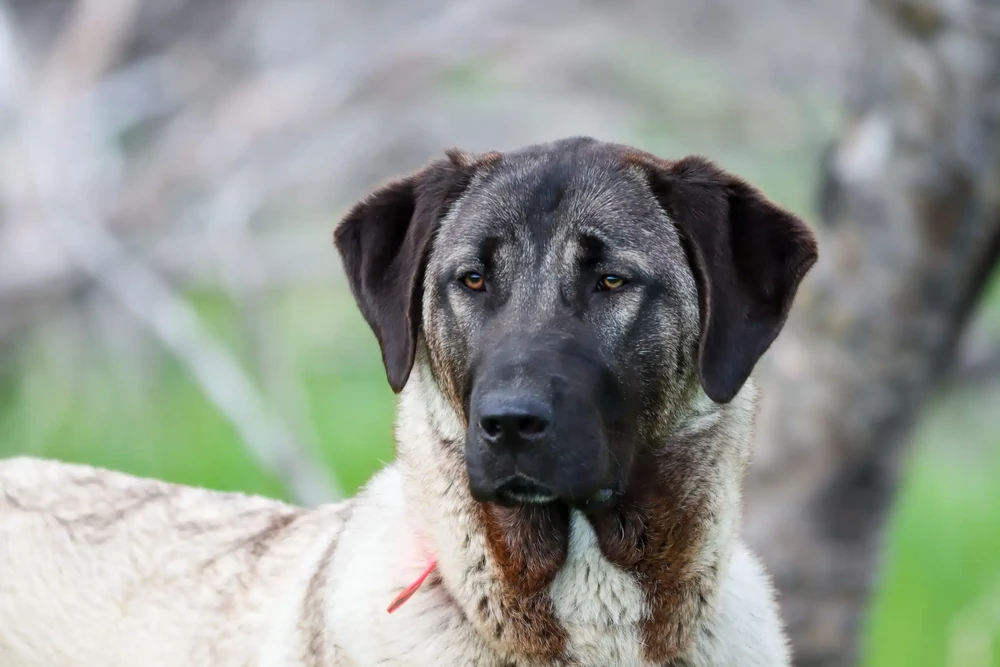
The Kangal Shepherd Dog (also called Kangal Coban Kopegi in some standards) is a large Turkish livestock guardian associated with the Kangal district in Sivas Province.1 Breed standards describe a powerful, athletic dog with a short, dense double coat, typically in fawn tones with a black mask, and drop ears.2
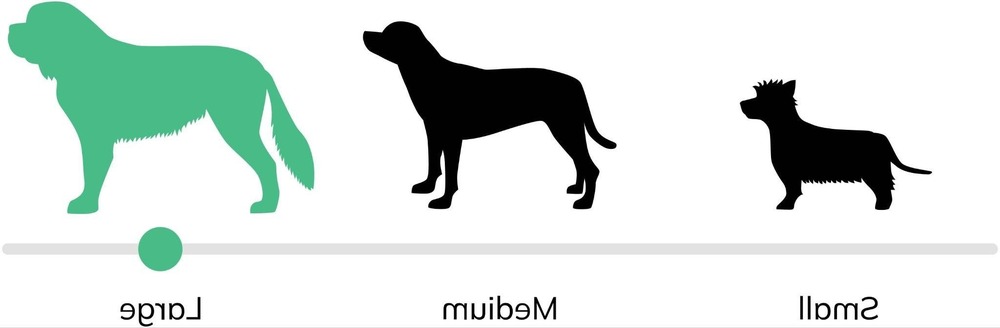
Typical adult size is substantial, with many dogs in the 40 to 65 kg range and tall at the shoulder, depending on sex and lines. That size alone changes day-to-day handling, fencing needs, transport, and veterinary costs.
They are usually described as loyal and protective, but it helps to read those words as working traits: a tendency to hold territory, watch movement, and take responsibility for what is “theirs”, rather than a constant need for human attention.
Origins and working role in Turkey
Kangals are closely tied to central Turkey, especially the Sivas region, where livestock guarding has long been part of rural life.1 In that context, a good guardian is not one that looks impressive. It is one that stays with stock, reads the landscape, and responds early enough that a threat does not become a fight.
That background matters because it explains a few common surprises. Kangals often prefer to position themselves where they can see. They may patrol a fence line, scan the distance, then settle again. When they bark, it is frequently purposeful communication rather than excitement.
International kennel organisations recognise the Kangal as a distinct breed, with the FCI accepting it on a definitive basis and publishing an updated standard in 2018.2 In some countries, you will also see overlap and debate with dogs marketed as “Anatolian Shepherd”, which can add confusion when people are trying to predict adult temperament and size from a puppy.
Temperament in real homes: calm, watchful, and not very “needy”
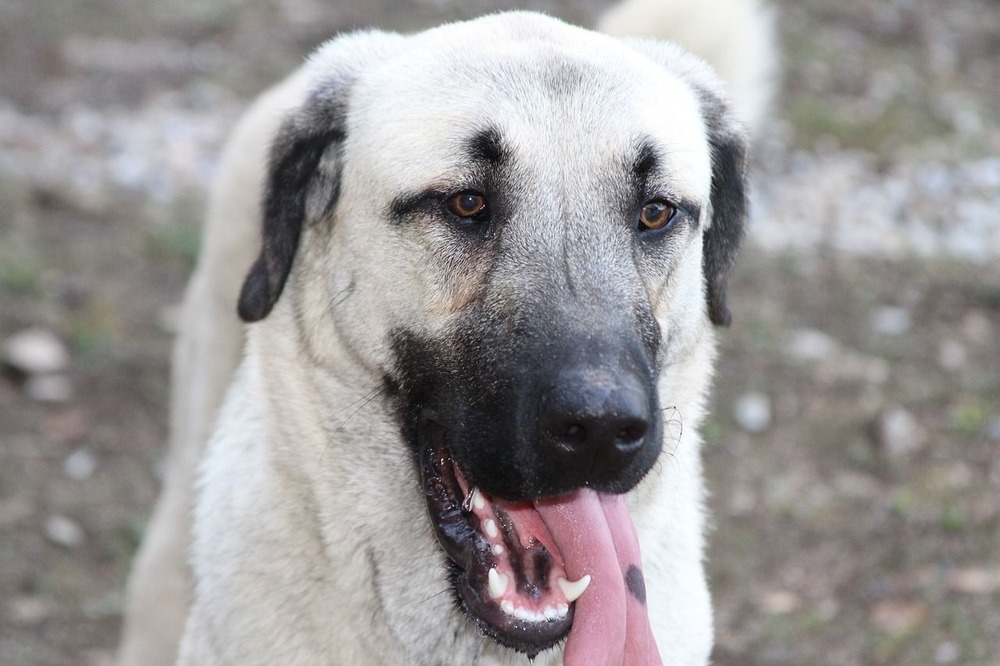
Many Kangals present as calm dogs, especially once mature. They can be quietly affectionate with their household, but they are not typically “busy” companion dogs that want constant engagement. A lot of their behaviour is about monitoring, choosing vantage points, and deciding what is normal.
That calm can be misleading, particularly with adolescents. A young Kangal may seem relaxed until something changes, a new visitor, a delivery at the gate, a dog walking past the boundary. When the dog is wired to notice and respond, the key is not to suppress reactions, but to teach a default routine for what happens when something novel appears.
They are often described as independent. In practice, this can look like a dog that listens, but also checks whether your request makes sense in the moment. That is not “dominance”. It is a working style that benefits from training built on clarity, repetition, and reinforcement.
Family suitability, children, and other animals
Kangals can live with families, including children, but the fit depends on management more than good intentions. Their size and physical confidence means accidental knocks are possible, and their guardian instincts mean supervision is sensible, especially when children have friends visiting or play becomes loud and unpredictable.
With other pets, early introductions and ongoing structure matter. Some Kangals live well with resident animals, particularly if raised together. Others can be wary of unfamiliar dogs, and in some cases same-sex dog aggression can appear. The safest approach is to plan for separation options, strong fencing, and controlled introductions, rather than assuming sociability will “come naturally”.
If you keep livestock, it is worth remembering that livestock guardian dogs are not the same as herding dogs. Guardians are expected to live alongside stock and protect them, which requires careful bonding and appropriate guidance from an early age.
Training that works for guardian breeds
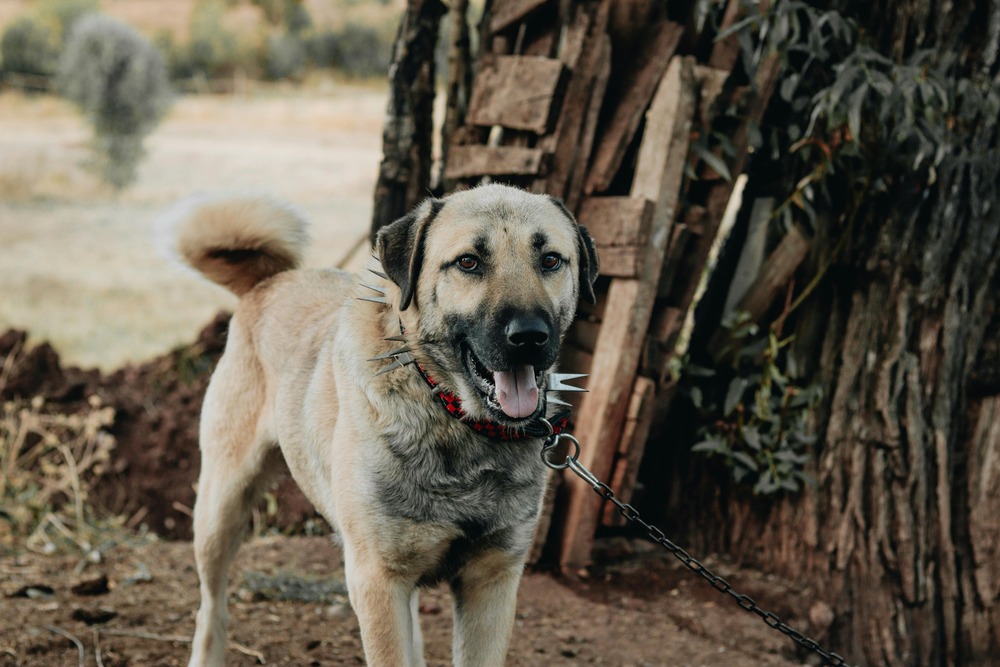
Kangals are capable learners, but they tend to respond best to training that respects how they process the world: slowly, thoughtfully, and with a strong focus on their environment. Short sessions, consistent cues, and practical skills that matter to daily life often land better than drilling obedience for its own sake.
Reward-based training is widely recommended by animal welfare organisations because it improves learning and supports welfare, while avoiding the fallout that can come with harsh or aversive tools.3 With a big, protective dog, that point is not abstract. Methods that rely on pain or intimidation can increase stress and reactivity, and can damage the handler-dog relationship when you most need cooperation.
Useful foundations for many Kangals include:
- a reliable recall in low-distraction settings, with long-line practice before any off-lead freedom
- stationing (go to a mat or place) for visitors and deliveries
- calm lead walking and polite gate manners
- habituation to handling, grooming, and veterinary checks
Exercise needs and the importance of space
People often summarise Kangals as “high exercise” dogs, but it is more accurate to say they need room to move and meaningful daily activity. Long, aimless runs do not automatically produce a settled guardian. Many do better with a blend of walking, boundary routines, training games, and calm time outdoors where they can observe.
Apartment living is rarely a good match. The combination of size, guarding instincts, and sensitivity to movement outside the home can create constant friction. Even in suburban houses, fencing, sight-lines, and neighbour proximity can be make-or-break factors.
Health considerations and preventive care
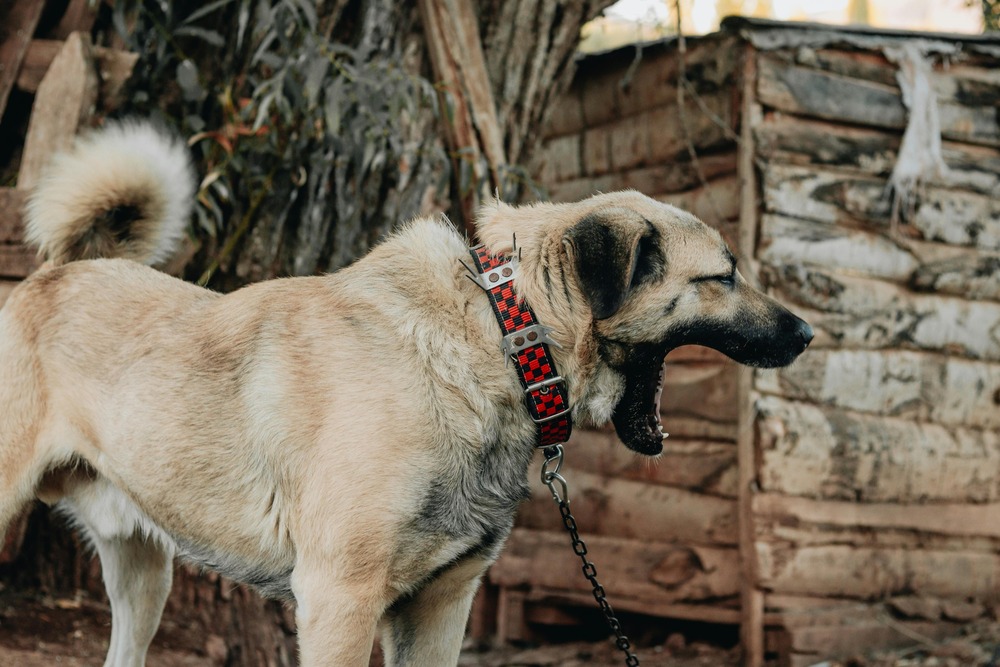
Kangals are often described as robust, but like many large breeds they can be prone to orthopaedic issues such as hip dysplasia. Screening breeding animals and managing growth in puppies (including sensible exercise and appropriate nutrition) can reduce risk and support soundness over time.4
Another concern in deep-chested dogs is gastric dilatation-volvulus (GDV), often called bloat, which is a medical emergency. If you are choosing a large guardian breed, it is worth discussing GDV risk and warning signs with your veterinarian, including whether a preventive gastropexy is appropriate for your dog and lifestyle.5
Routine care still does the heavy lifting: parasite prevention, vaccinations as advised locally, dental care, and keeping the dog in a lean body condition. For big dogs, weight control is one of the simplest, most practical ways to support joints and long-term comfort.
Coat care, shedding, and weather comfort
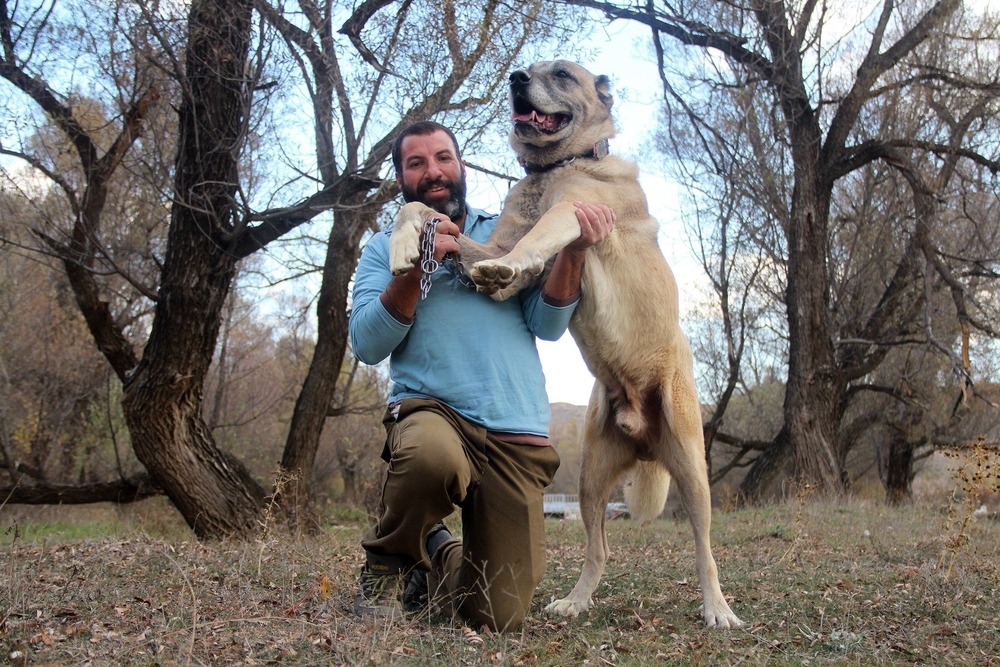
The Kangal’s short double coat is generally straightforward. Weekly brushing is often enough, with heavier shedding at seasonal change. The coat is functional, not decorative, and over-bathing can dry the skin and disrupt natural oils.
Heat management deserves attention. A dense double coat does not automatically mean a dog is comfortable in extreme heat, and large guardian breeds can struggle if they cannot find shade, cool ground, and water. On hot days, exercise tends to be safest early and late, with the middle of the day reserved for rest.
Nutrition: steady growth, strong bodies, fewer problems
A good diet for a Kangal is not about special ingredients as much as suitability: appropriate calories, complete nutrition, and a body condition that stays lean. Many large-breed puppies benefit from diets formulated to support controlled growth, which helps reduce stress on developing joints.6
Feeding routines can also support safety. If your vet considers your dog at risk of GDV, they may suggest management steps such as splitting meals, limiting high-intensity activity around feeding, and slowing down fast eaters. These decisions are individual, so it is best handled with veterinary guidance rather than one-size advice online.5
Common myths, including the “strongest bite” claim
You will often see statements that the Kangal has “the strongest bite force”. Bite force figures shared online are frequently inconsistent, hard to verify, and sometimes based on unclear testing methods. It is more reliable to focus on what is well supported: the Kangal is a large, powerful guardian bred to deter predators, and should be handled as a dog with serious physical capability.2
A calmer, more useful way to think about it is this: if you need a dog that looks imposing, there are many options. If you need a dog with working guardian judgement, you are selecting for a temperament that comes with responsibilities around containment, training, and public safety.
Modern working use and conservation links
Livestock guardian dogs, including Kangals and related Turkish guardian types, have been used in predator-friendly farming programs. The Cheetah Conservation Fund in Namibia, for example, has a long-running Livestock Guarding Dog program and reports reductions in livestock losses for many participating farmers.7, 8
This does not mean any individual Kangal will automatically succeed as a livestock guardian. Good outcomes depend on early placement, bonding, appropriate guidance, and ongoing management. Reputable programs also stress that dogs sold privately may not have the same selection or rearing background as purpose-raised working pups.9
Choosing a Kangal responsibly
If you are drawn to the breed, it helps to spend time around adult Kangals in the sort of setting you can realistically provide. Puppies are charming, but adult guardians are what you will live with for a decade or more.
Good signs include breeders or rescues that are frank about containment, dog selectivity, and maturity timelines, and that can explain how they socialise pups and assess temperaments. If someone sells the idea that a Kangal is “easy” once you show it who is boss, it is worth stepping back.
For many people, the best outcome is not forcing the Kangal into a lifestyle that does not fit, but choosing a dog whose instincts align with home, neighbours, and daily routines.
References
- Wikipedia: Kangal Shepherd Dog
- Federation Cynologique Internationale (FCI): Kangal Shepherd Dog (Standard and recognition details)
- RSPCA Australia Knowledgebase: Reward-based training recommendations
- Orthopedic Foundation for Animals (OFA): Hip dysplasia overview and screening
- Cornell University College of Veterinary Medicine: Gastric dilatation-volvulus (bloat)
- World Small Animal Veterinary Association (WSAVA): Global Nutrition Guidelines
- Cheetah Conservation Fund: 25 years of livestock guarding dog impact in Namibia
- Cheetah Conservation Fund: Livestock Guarding Dogs program information
- Cheetah Conservation Fund: Warning about misuse of livestock guarding dog program claims