

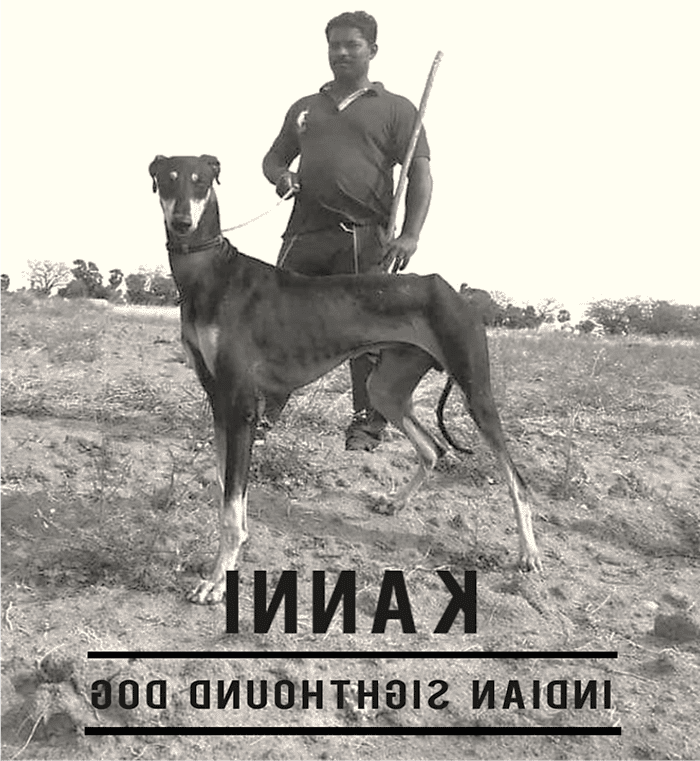
- Breed category: Sighthound
- Country of origin: India (Tamil Nadu)
- Typical height: 64 to 74 cm
- Typical weight: 16 to 22 kg
- Typical lifespan: Often reported around 12 to 15 years
- Coat: Short and smooth
- Grooming: Low, occasional brushing
- Exercise needs: High, daily outlets plus safe sprinting
- Temperament: Loyal, reserved, gentle
- Barking tendency: Often low
- Best suited to: Active households with secure space
You usually hear about the Kanni because you have seen a slim, long-legged dog that moves like it is built for speed, or because someone mentions “Indian sighthounds” and the familiar Western breeds do not quite fit the description. Sometimes it comes up when people are looking for a low-fuss coat and a calm dog indoors, but they also want a companion that can genuinely run.
It is easy to assume that a sighthound is either too driven to live as a family dog, or too delicate to cope with ordinary life. With the Kanni, the more accurate picture is a dog shaped by rural work and local tradition, then asked to settle into modern routines. When that match is done thoughtfully, Kannis can be steady, deeply attached dogs. When it is rushed, their speed, sensitivity, and prey drive can catch people off guard.
Because the breed is uncommon outside its home region, details can get repeated without context. A good Kanni guide is less about romance and more about practicalities: safe exercise, careful socialisation, and the kind of home where a dog that can accelerate in seconds is still managed kindly and securely.
The Kanni’s background in Tamil Nadu
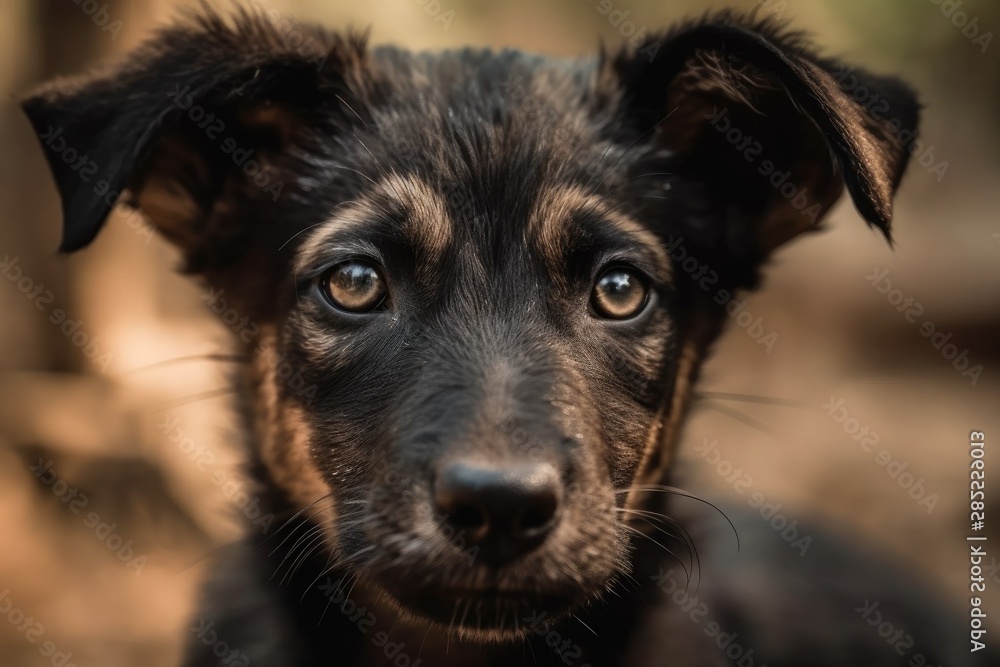
The Kanni is a rare indigenous sighthound from the Indian state of Tamil Nadu, traditionally kept in and around rural districts such as Tirunelveli, Virudhunagar, and Thoothukudi.1 The breed’s job has historically been coursing and hunting small game, work that rewards quick sight, fast acceleration, and the confidence to operate at a distance from the handler.1
You will also see the Kanni discussed alongside other South Indian sighthounds, especially the Chippiparai. Some sources describe “Kanni” as referring to particular coat varieties, while others treat Kanni and Chippiparai as distinct breeds. If you are speaking with breeders or rescues, it is worth asking what they mean by the name in that specific context, rather than assuming everyone is using the same definition.1
A commonly repeated piece of cultural context is that Kanni pups were traditionally gifted at weddings as a sign of protection and loyalty. This is reported in modern coverage of native breed preservation efforts, although like many local traditions it may be more common in some areas and periods than others.2
What a Kanni looks like, and why it matters
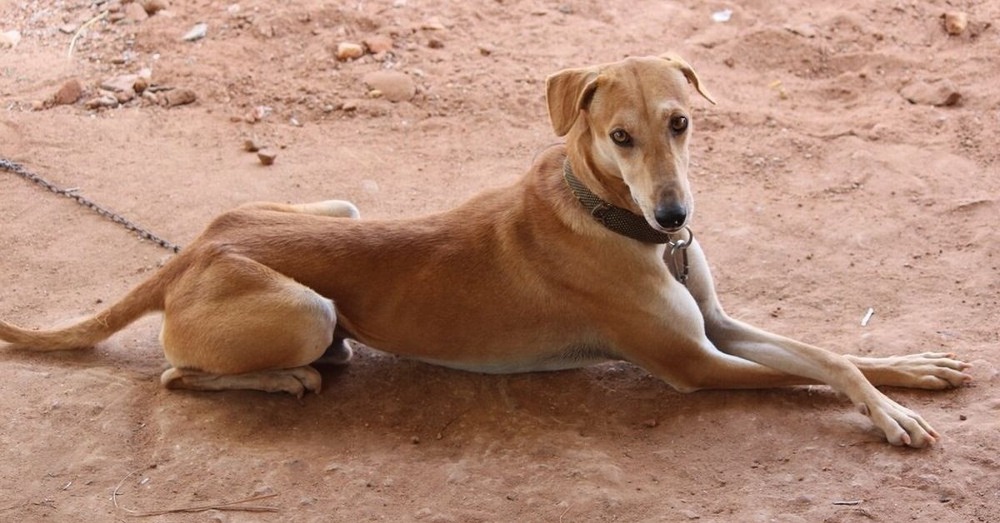
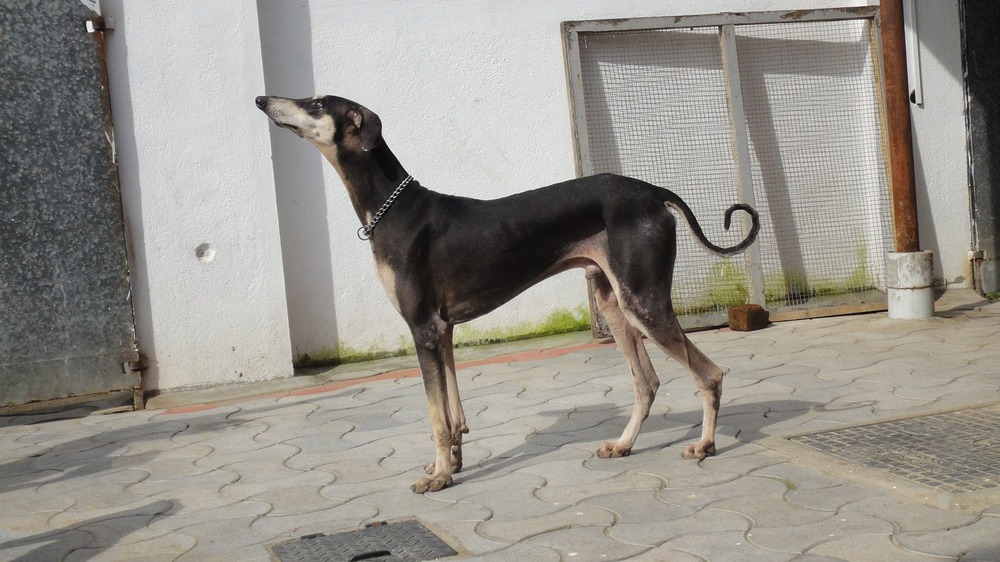
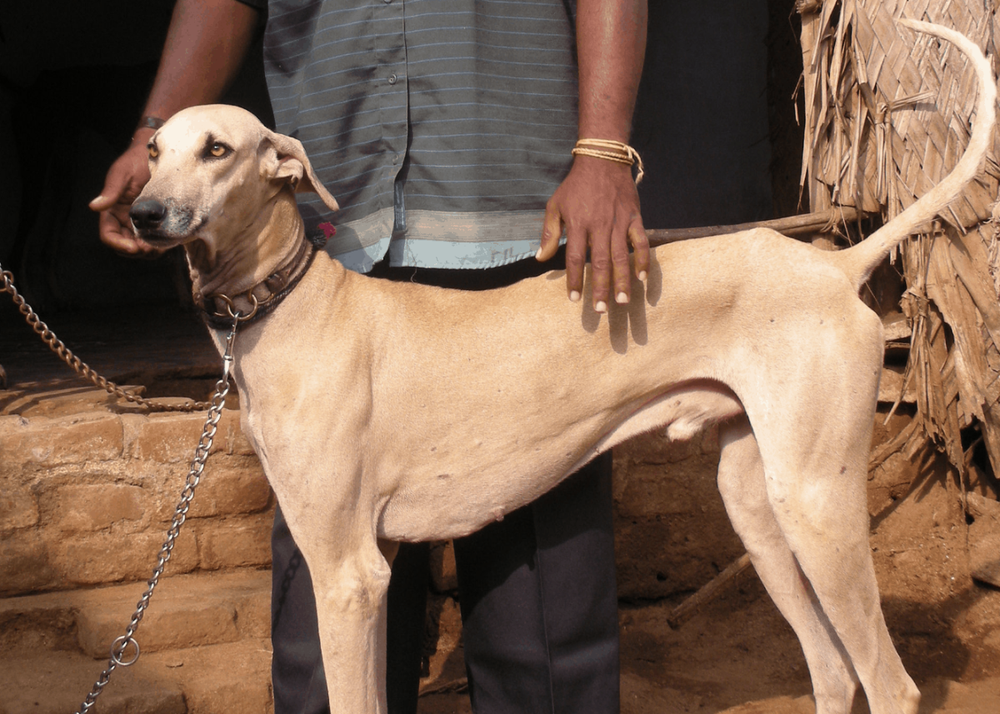
Kanni dogs are typically medium-sized, lightly built, and athletic, with a tucked-up abdomen, long limbs, and a narrow head. Those features are not just aesthetic, they are functional. A sighthound’s body is designed for efficient running and rapid turns, which is why secure fencing and safe off-lead choices matter so much in day-to-day life.1
The coat is short and smooth, usually low-odour and low-maintenance. Many people find that appealing, but it comes with trade-offs. A thin coat and lean body can mean they feel the cold more readily than heavier-coated breeds, so winter comfort often looks like indoor lounging spots, coats on cold walks, and avoiding long periods outside in bad weather.
Ear carriage and tail shape can vary, and colour descriptions can be surprisingly detailed in regional writing. You will often see the classic black-and-tan or black-and-sable pattern associated with the name “Kanni”, but other colours are also mentioned in breed descriptions.1
Temperament: loyalty, reserve, and a sighthound mind
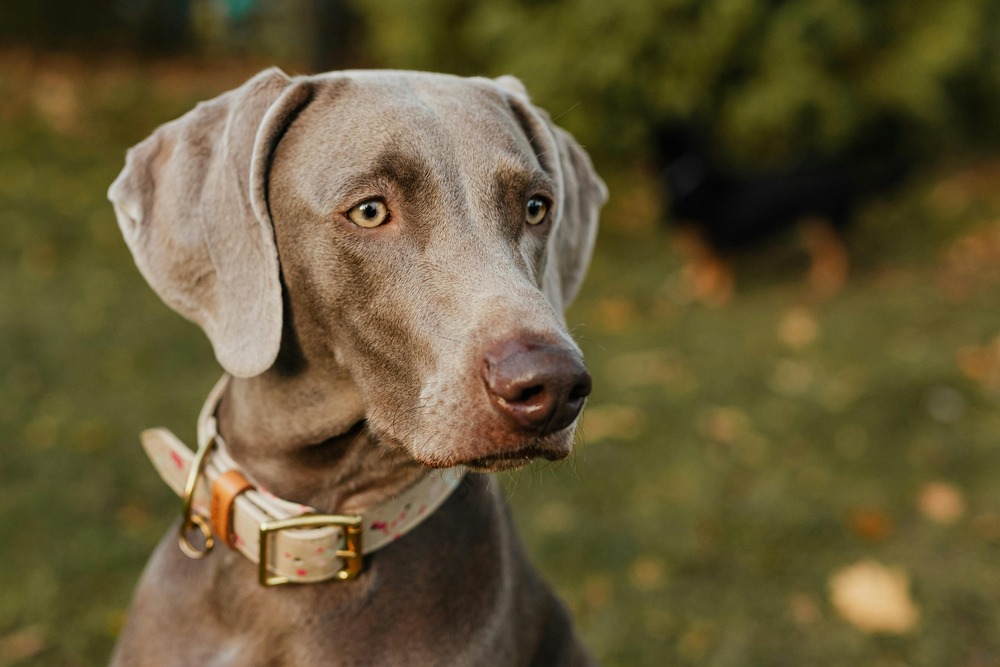
In many households, the Kanni comes across as quietly devoted. They often attach strongly to familiar people, while staying reserved with strangers. That reserve is not the same as aggression, but it does mean you should plan introductions carefully and avoid forcing social contact, especially during adolescence.
Like most sighthounds, Kannis can show an independent streak. They are capable learners, but “obedience” tends to work best when it is built on trust, repetition, and rewards that genuinely matter to the dog. Reward-based training is widely recommended by welfare organisations because it supports learning without the fallout that can come with punishment-based methods and tools.3
It also helps to be honest about prey drive. A Kanni may live peacefully with another dog, especially if raised together, yet still be highly motivated to chase moving animals outdoors. Management is not a failure of training. It is a normal, predictable part of living with a dog bred for coursing.
Living with a Kanni: exercise without chaos
Kannis need daily movement, but not all exercise is equal. Long, slow walks build routine and sniffing time. Short bursts of speed meet different needs. The difficult part is that sprinting must happen in places where you can guarantee safety, because a sighthound can cover ground fast before you have time to react.
For many owners, the sweet spot looks like:
- Two daily walks, with at least one being brisk.
- A few short training sessions that stay fun and end early.
- Access to a fully secure, fenced area for occasional free running, or structured lure-style games where permitted.
It is wise to assume that recall will be variable around wildlife, even with training. That is why long lines, fenced spaces, and careful route choice are often what make life calmer, not stricter.
Training and socialisation that respects sensitivity
Early socialisation is less about “meeting everyone” and more about learning that the world is predictable. For a Kanni, that can mean gentle exposure to traffic noise, visitors who ignore the dog at first, different floor surfaces, calm dog friends, and vet handling that is paired with treats.
Reward-based training is a sensible default, particularly for dogs that may shut down or become avoidant when they are handled harshly. The RSPCA’s guidance is clear: choose training that relies on positive reinforcement, and avoid aversive methods and equipment that can harm welfare and increase problem behaviours over time.3
If you are adopting an adult Kanni (including a rehomed village dog or a mix with sighthound traits), take a slower approach than you think you need. Give the dog time to watch and learn your household rhythms. In many cases, calm consistency does more than “confidence building” exercises that push too hard, too soon.
Health considerations: what to watch, what to ask your vet
Specific, breed-wide health data on Kanni dogs is limited in the way it often is for rare landrace-type breeds, especially outside formal registry systems. Many owners describe them as generally hardy, but it is still sensible to plan for the health issues that can show up in deep-chested, athletic dogs.
One topic to discuss with your vet is gastric dilatation-volvulus (GDV), sometimes called bloat. Risk is associated with deep chest conformation, family history, and feeding patterns such as one large meal per day. Veterinary surgical sources describe typical signs as restlessness, unproductive retching, drooling, abdominal distension, and rapid deterioration, which is why it is treated as an emergency.4, 5
Practical steps that are commonly recommended for at-risk dogs include feeding multiple smaller meals rather than one large meal, and avoiding hard exercise right around mealtimes. Your vet can help you judge whether your individual dog’s build and history makes GDV a realistic concern, and whether preventative gastropexy is ever worth considering in your circumstances.4, 5
Coat care and everyday grooming
The Kanni’s coat is usually simple to manage. An occasional brush removes loose hair and dust, and it is often enough to keep the coat glossy. Because the coat is short, you will notice small skin changes more readily, which is helpful if you regularly run your hands over the dog as part of grooming.
A basic routine is usually:
- Weekly to fortnightly brushing (more often during seasonal shedding).
- Regular nail trims, especially if the dog is not wearing nails down on rough ground.
- Ear checks and dental care as advised by your vet.
Bathing can be occasional, and gentle shampoos tend to suit best. Over-bathing can dry the skin, particularly in dogs with naturally low body fat and fine coats.
Feeding a Kanni: simple, evidence-based choices
Kanni dogs do not need exotic feeding plans, but they do benefit from consistency. A balanced, complete diet that suits the dog’s age, body condition, and activity level is the goal. If you are comparing foods, it helps to look beyond marketing and focus on whether the diet is formulated as complete and balanced, and whether the company can answer basic questions about quality control and nutritional expertise.
The World Small Animal Veterinary Association (WSAVA) provides practical guidance and tools for veterinary teams and owners on nutritional assessment and choosing diets sensibly, including the idea that nutrition should be individually tailored rather than based on one-size-fits-all rules.6
If your Kanni is very active, you may find they stay lean easily, but that does not always mean they are underfed. Use body condition scoring with your vet, and adjust portions gradually. Rapid changes, whether in quantity or in diet type, tend to cause more trouble than slow, measured tweaks.
Choosing the right home setup
Kannis often suit people who enjoy an active routine but also value a peaceful dog indoors. They are not always the best match for busy, open-door households where visitors come and go all day, or for unfenced properties where wildlife moves through.
Before you commit, think about:
- Fencing and gates that prevent accidental escapes.
- How you will provide safe sprinting outlets.
- Whether you can keep social experiences calm, especially early on.
- Your tolerance for management around cats, chickens, and wildlife.
And if your Kanni is being transported internationally, or you are planning a move, pay attention to identification rules early. For example, Australia’s import process relies on an ISO-compliant microchip as the approved method of identification, and the microchip must be readable and consistent across documentation.7, 8
Final thoughts
The Kanni is not a fashionable breed, and that is part of its appeal. It is a dog shaped by function, place, and tradition, then carried into modern life by people who value speed, grace, and a steady presence at home.
If you can meet the need for daily movement, kind training, and secure management, a Kanni can be a quietly remarkable companion. The goal is not to “tame” the sighthound traits, it is to make room for them safely, so the dog can be what it is and still live well alongside you.
References
- Wikipedia: Kanni
- Times of India: TN’s native dog breeding centre stays shut despite 5cr revamp
- RSPCA Knowledgebase: Reward-based dog training recommendations
- American College of Veterinary Surgeons: Gastric dilatation-volvulus and gastropexy
- Today’s Veterinary Practice: GDV risk factors and presentation
- WSAVA: Global Nutrition Guidelines
- Australian Government (DAFF): Step-by-step guide for importing dogs (microchip verification)
- Australian Government (DAFF): Microchips for importing cats and dogs