

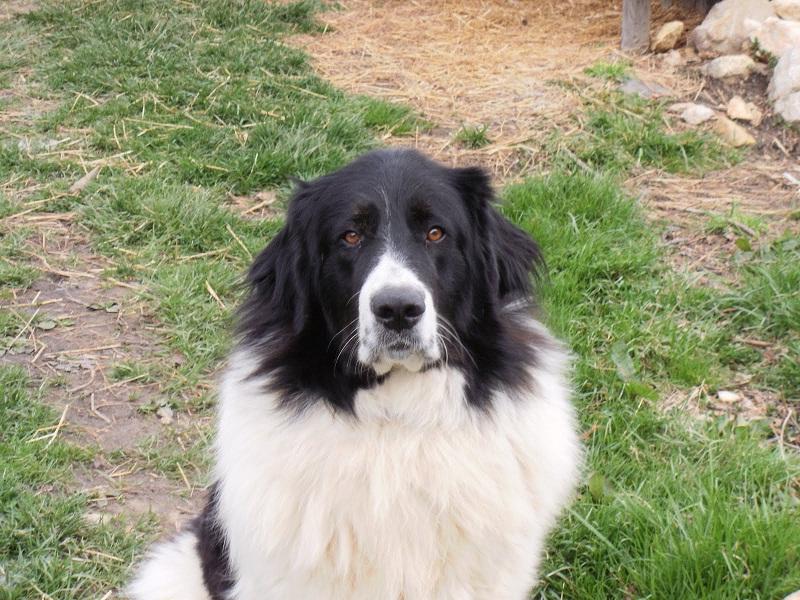
You might come across a Karakachan because you have seen photos of a big, bear-like black and white dog on a farm, or you have heard someone call them a “Bulgarian shepherd”, and you are trying to work out what that actually means in day-to-day life.
They are often described as loyal and protective, which is true as far as it goes. The part people only discover later is that a livestock guardian dog is not “a big family dog”, just larger. It is a working type with its own priorities: watching, assessing, and holding a boundary.
When that matches your setting, the Karakachan can be steady, capable company. When it does not, the same traits can turn into stress for the dog and frustration for the household. Understanding what the breed was built for is the kindest starting point.
At a glance: Karakachan dog basics
- Breed type: Livestock guardian dog (LGD)
- Origin: Bulgaria
- Typical size: Large, powerful build (sizes vary by line)
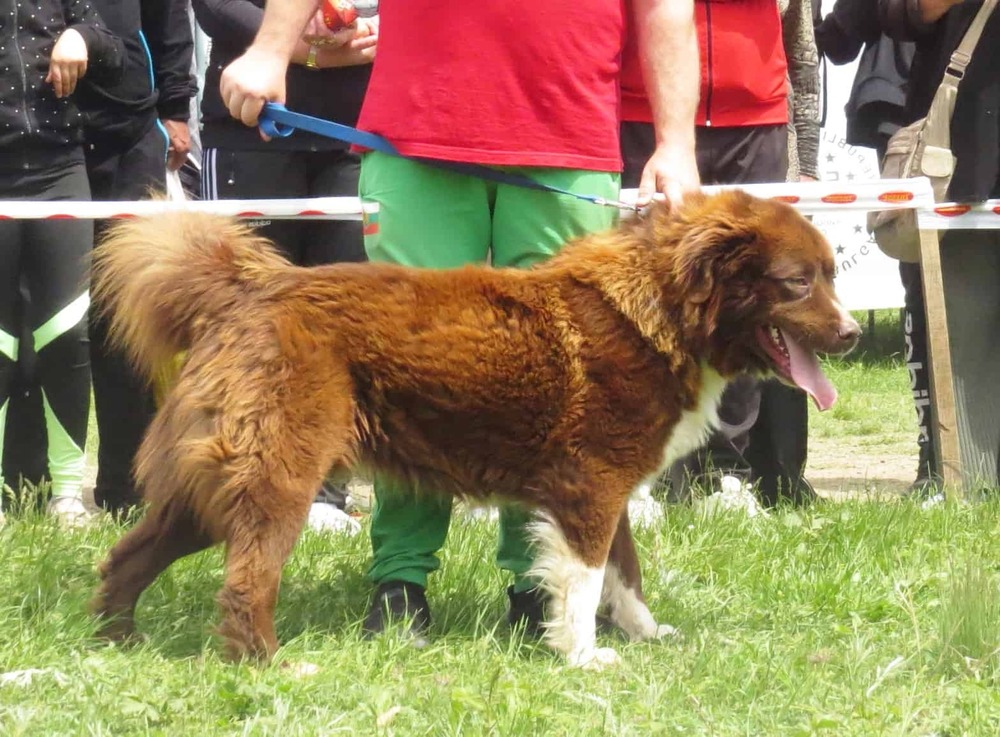
- Coat: Dense, weather-protective double coat, moderate to heavy seasonal shed
- Temperament: Territorial and watchful, typically steady with their own people when well raised and managed
- Best suited to: Rural properties, farms, and homes with space plus secure boundaries
Where the Karakachan comes from, and why that matters
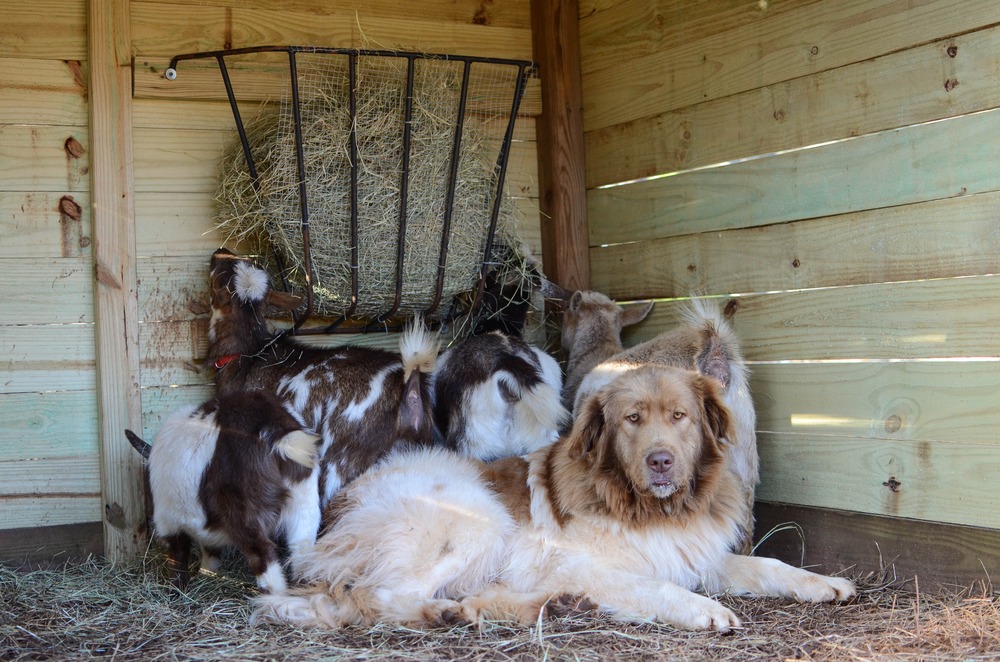
The Karakachan dog developed in Bulgaria alongside pastoral life, where dogs needed to stay with stock, cope with rough weather, and make decisions at a distance from people. In that context, “independent” is not stubbornness so much as a job requirement.1
The breed name is commonly linked to the Karakachans, a nomadic shepherding people in the Balkans. You will sometimes see the breed discussed alongside the “Bulgarian Shepherd”, and it is worth treating those labels carefully because different groups use them in different ways.1
Many modern Karakachans, especially those kept as working dogs, still show the classic LGD pattern: they notice small changes, they patrol, and they prefer to manage perceived threats at the boundary rather than wait for a cue.2
Appearance and the traits people notice first
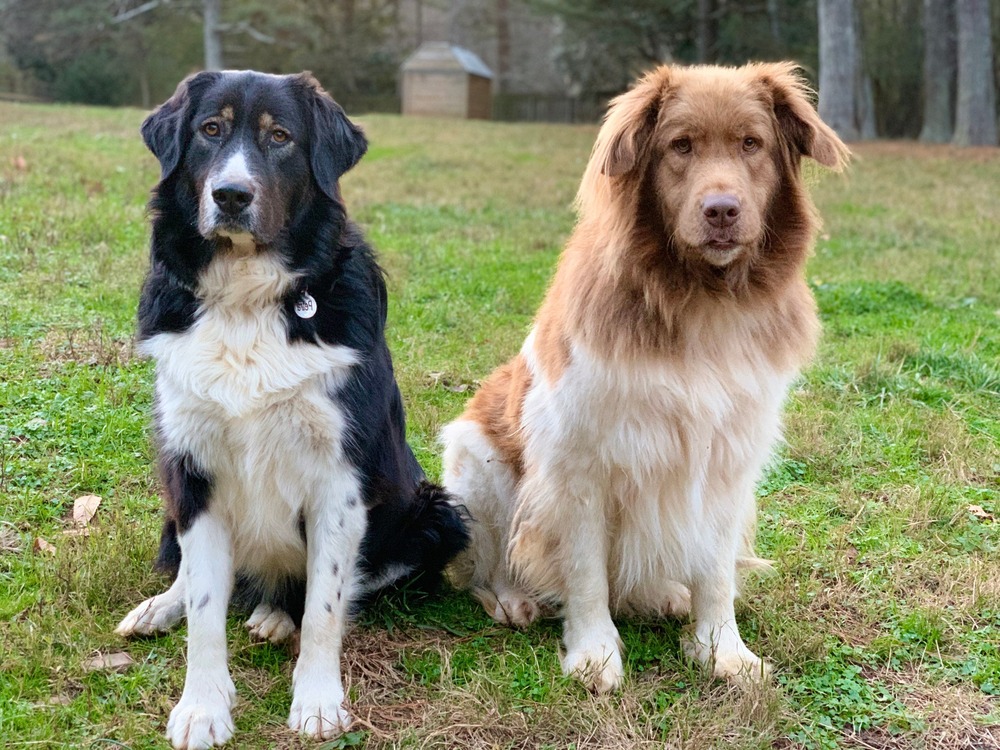
Karakachans are large, strongly built dogs with a thick coat suited to cold and wet conditions. Coat length and markings can vary, but many are pied (white with darker patches), which is common in livestock guardian types because the dog is easier for a shepherd to spot at distance.1
That heavy coat is practical in a mountain setting. In warmer parts of Australia, it means you will need to think about shade, airflow, water access, and exercise timing much more deliberately than you would with a lighter-coated breed.6
Temperament: protective does not mean aggressive
Well-bred and well-raised Karakachans are often calm in their own territory, but naturally suspicious of novelty. They tend to watch first, then act if they think action is needed. This can look like “good guarding”, or like “a dog that is hard to have visitors around”, depending on how the home is set up.
It also helps to understand what an LGD is protecting. On a farm, that is usually stock and a defined area. In suburbia, the “thing to guard” can become the front fence line, the carport, the kids playing in the yard, or even the daily routine. The dog is not trying to be difficult, it is doing what it was selected to do.
If you want a dog that happily welcomes strangers on cue, or regularly accompanies you into busy public places, a Karakachan may not be the easiest fit. If you want a dog that can live outdoors with purpose, tolerate weather, and take boundary work seriously, that is closer to their natural strengths.2
Home setup and suitability
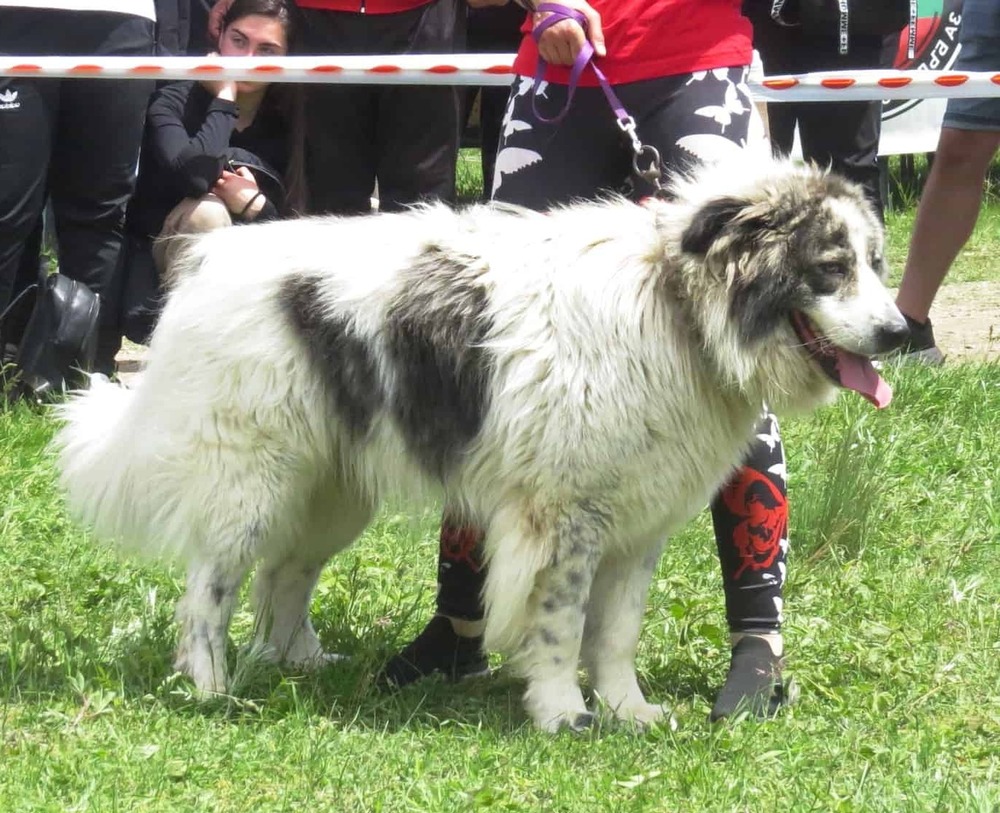
This is not a breed that thrives on “a big walk and then a nap” as its only outlet. Many Karakachans do best when they have:
- Secure fencing and clear boundaries
- Room to move and a predictable routine
- Thoughtful exposure to visitors, vehicles, and neighbouring activity
- A role that makes sense, whether that is livestock work or property guardianship managed responsibly
If you are considering one as a family dog, look closely at the adults in the line, not just the puppy. With guardian breeds, you are selecting for an adult temperament that will become more pronounced with maturity.
Training and socialisation: what works with an LGD mind
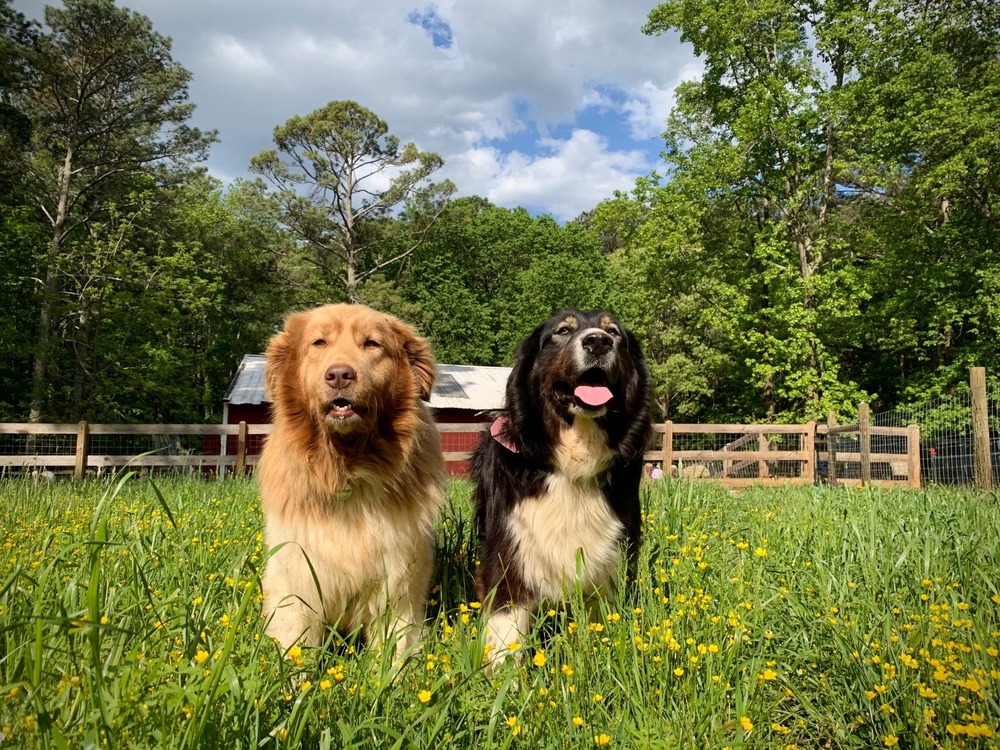
Early socialisation matters, but for guardian breeds it is less about “everyone must pat the puppy” and more about building neutral, confident exposure to the world. The goal is a dog that can notice something new without feeling it must respond strongly.
Positive reinforcement based training is a good match for many dogs because it helps build cooperation without creating fallout that can show up later as avoidance or defensive behaviour.8
Practical priorities tend to be:
- calm lead skills and a reliable recall where appropriate (many working LGDs are managed differently)
- stationing or settling on a mat when visitors arrive
- carefully taught boundary habits (for example, not rushing gates)
- handling tolerance for brushing, nail trims, and vet checks
Exercise and enrichment: more than just kilometres
Karakachans are athletic enough, but their “exercise need” is often misunderstood. You can do a long walk and still have a dog that is restless because what it really wants is information and responsibility.
In safe, sensible ways, they usually benefit from enrichment that uses their natural patterns:
- supervised property patrols with guidance
- scent-based games and scatter feeding
- structured observation time (for example, a settle spot where they can watch without rehearsing fence running)
Be cautious with highly arousing games (like repetitive ball throwing) if they tip your dog into vigilant, reactive behaviour afterwards.
Health considerations in a large guardian breed
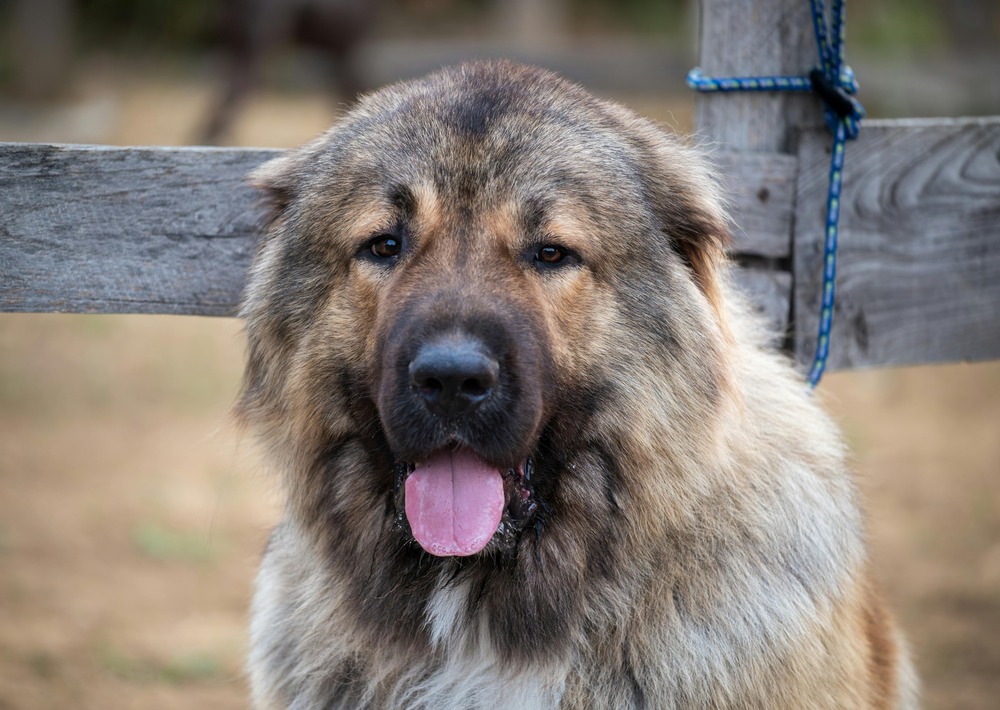
Any large breed can be at risk of orthopaedic issues, including hip dysplasia. It is influenced by genetics and environment, which is why reputable breeders screen, and why growth rate, body condition, and sensible exercise during development matter.9
It is also wise to ask about eye screening in the breeding line, and to have a vet check anything unusual early rather than waiting for it to “settle”. With big dogs, small issues can become harder to manage once pain and compensatory movement set in.
Grooming and coat care, including shedding seasons
That thick coat is protective but it comes with upkeep. A weekly brush is often enough most of the year, then more frequent grooming during seasonal coat blow.
A simple, realistic routine helps:
- line brushing through the undercoat, not just the top layer
- checking ears and paws after burrs, grass seeds, or mud
- keeping nails short, especially on a heavy dog where long nails can alter gait
Bathing can be occasional, but thorough drying is important to avoid skin irritation under a dense coat.
Heat management in Australia
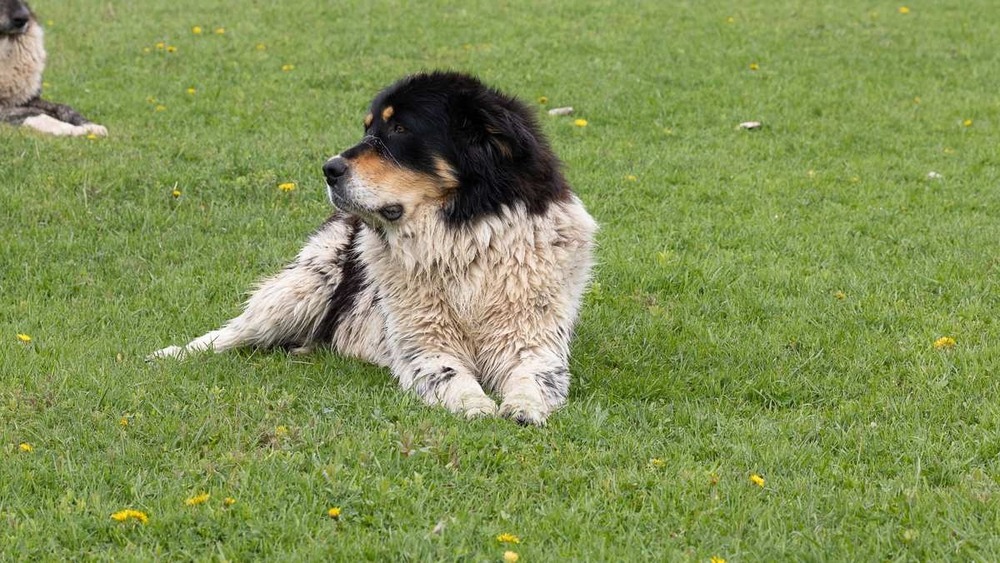
Even dogs that cope well with cold can struggle in heat, particularly if they are heavy-coated, overweight, older, or unwell. Plan exercise for cooler parts of the day, provide reliable shade and water, and avoid hot surfaces that can burn paw pads.6, 7
If you see signs consistent with heat stress, such as heavy panting, drooling, vomiting, weakness, or collapse, start cooling with cool (not icy) water and airflow, then seek veterinary help promptly.6, 7
Feeding and growth: supporting a big body properly
Large breeds do best when they are kept lean, especially through growth. Rapid weight gain can put extra stress on developing joints, so portion control and regular body condition checks are practical, protective habits.9
Look for diets that are complete and balanced for the dog’s life stage, and ask your vet if you are unsure about calcium, supplements, or switching to a large-breed growth formula. The goal is steady development, not maximum size as fast as possible.10
Final thoughts on living with a Karakachan
A Karakachan is not “too much dog” so much as a dog designed for a particular job. When you match that design with the right environment, you often get a steady guardian that takes its responsibilities seriously, without needing constant direction.
If your life is busy, social, and close to neighbours, you may need to work harder on management, training, and boundaries than you expect. If you are on land, value a dog that can think for itself, and are prepared to raise and handle a powerful guardian thoughtfully, the breed can make a great deal of sense.
References
- Wikipedia: Karakachan dog
- FWFF: Guarding Dog Project (Bulgaria)
- American Karakachan Dog Association: Karakachan USA
- Livestock Guardian Dog Education Network: Karakachan
- RSPCA ACT: Hot weather advice for pets
- RSPCA Australia: Keeping your pet safe during the heat
- RSPCA Australia: Protect pets from heatstroke
- AVMA: Welfare implications of dog training methods (literature review)
- American College of Veterinary Surgeons: Canine hip dysplasia overview
- WSAVA: Global Nutrition Guidelines