

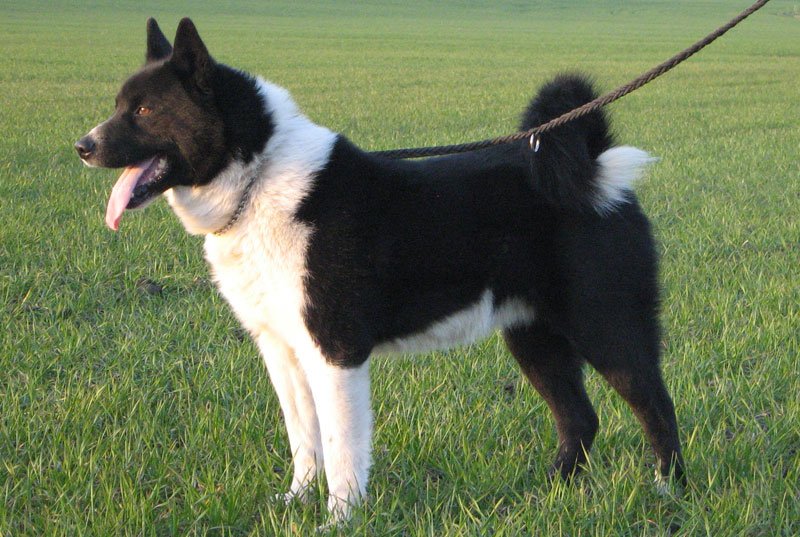
People usually meet the Karelian Bear Dog in passing. You see a compact black-and-white spitz with a curled tail, and then you hear the stories. A “bear dog” that can work in the bush. A rare Finnish breed that looks suited to cold weather and hard miles.
It is tempting to reduce the Karelian to a single idea, bravery, toughness, or “good guard dog”. In practice, living with one is more specific than that. This is a dog shaped by hunting work that involves distance, independence, and a very strong interest in scent and movement. Those traits can be deeply satisfying in the right home, and surprisingly difficult in the wrong one.
Understanding what the breed was built to do helps you make sense of what you see day to day: the alert posture, the quick decisions, and the need for a life that includes real outlets, not just a backyard and good intentions.
At a glance: what the breed is like
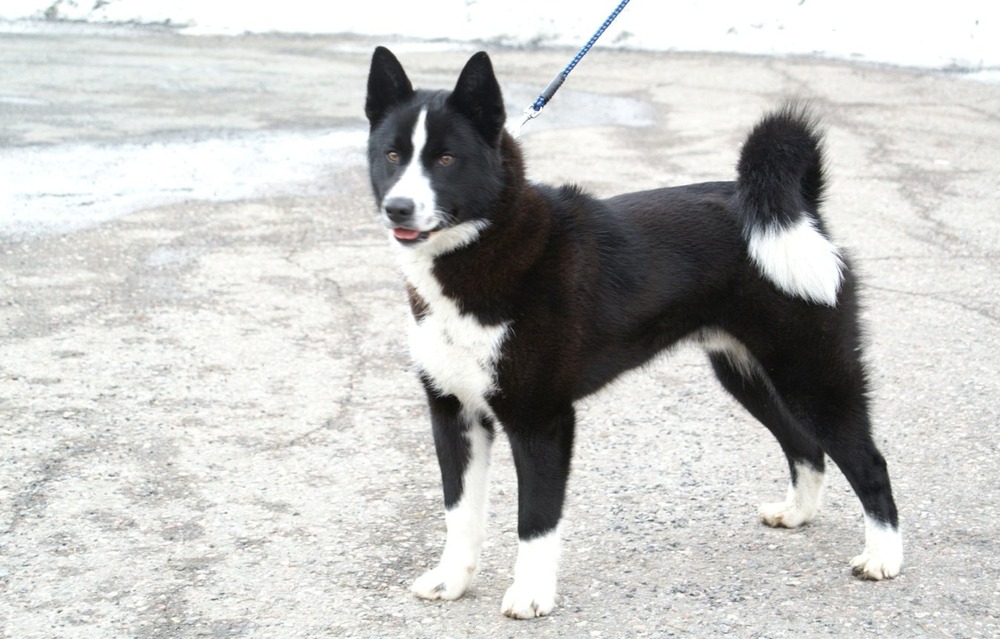
The Karelian Bear Dog (Karjalankarhukoira) is a medium-sized Nordic hunting spitz from Finland, developed for big-game hunting and for holding game at bay by barking.1, 2
- Height: males 54 to 60 cm, females 49 to 55 cm3
- Weight (ideal): males 25 to 28 kg, females 17 to 20 kg (some sources list slightly higher for females)4
- Coat: harsh outer coat with a soft, dense undercoat3
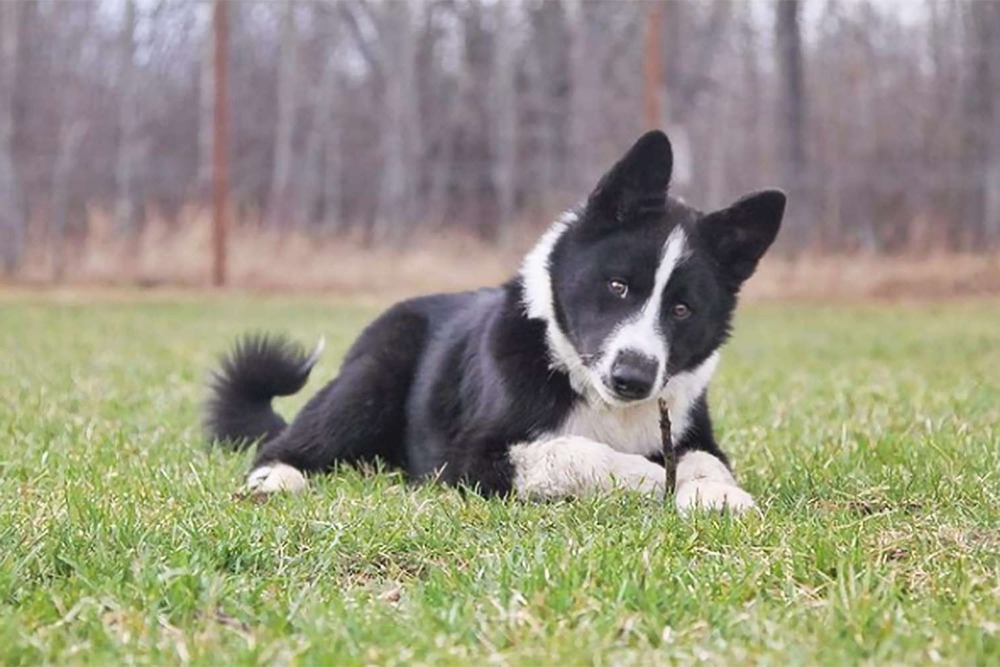
- Colour: black (sometimes with brownish nuance) with clear white markings3
- Temperament in the standard: eager hunter, very independent, persistent, may be territorial toward other males, not meant to be aggressive toward people3
If you are choosing a breed based on “low fuss”, it helps to be honest here. Karelians are often described as low grooming, high management: the coat is straightforward, but the instincts require planning.
Where the Karelian Bear Dog comes from
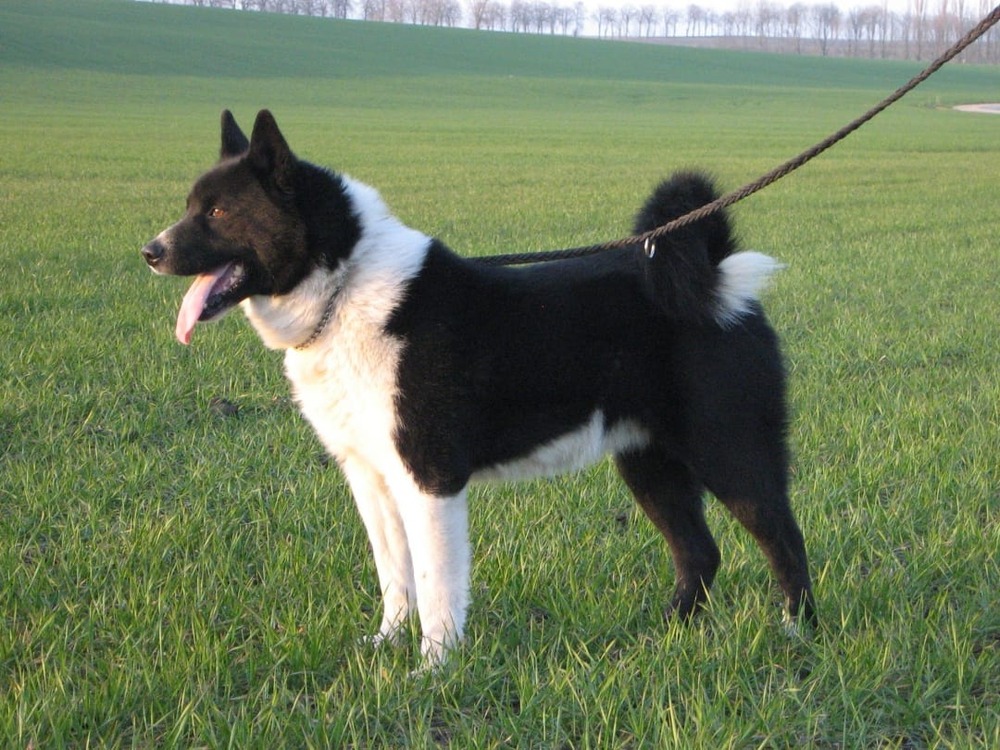
The breed’s modern, systematic development began in Finland in 1936, with the goal of producing a sturdy dog that would bark at big game. The first breed definition was confirmed in 1945, and the first dogs were registered in 1946.3, 5
In the official history shared by the Finnish Kennel Club, the Karelian Bear Dog is linked to spitz-type hunting dogs that spread through Karelia and surrounding regions over centuries, used for a wide range of game depending on local needs and season.5
Today, the breed is recognised internationally by the FCI as a Nordic hunting dog (Group 5, Section 2).1 Breed standards matter because they describe the dog’s working shape and behavioural tendencies, which is often what owners notice first.
Temperament: independence, drive, and social expectations
A Karelian Bear Dog is often confident and self-directed. That is not a flaw, it is a working feature. In hunting terms, this is a dog expected to range, make decisions, and stay engaged with the task rather than constantly checking in.
For family life, that can look like a dog that learns quickly but questions repetition, or one that is affectionate in its own way while still preferring a bit of personal space. Many are somewhat reserved with strangers, and the breed standard also notes potential territorial behaviour toward other males.3
It is worth saying gently: “loyal” does not automatically mean “easy with other pets”. A dog bred for hunting can be perfectly stable and still find small fast animals extremely interesting. Early socialisation helps, but it does not erase genetics, it teaches skills and boundaries.
Training that suits the breed (and the household)
Karelians tend to do best with training that respects how they think. Consistency without force is the theme: clear rules, fair consequences, and rewards that actually matter to the dog.
Because independence is part of the package, focus on practical life skills early, especially recall foundations, lead manners, calm behaviour around gates and doors, and structured introductions to visitors. Short sessions, variety, and an emphasis on problem-solving usually land better than drilling.
If you are not an experienced handler, it can still work, but you will likely need support. A trainer who understands hunting and spitz breeds can help you build a plan that fits your dog’s drive and your daily routine.
Exercise and enrichment: more than “a walk”
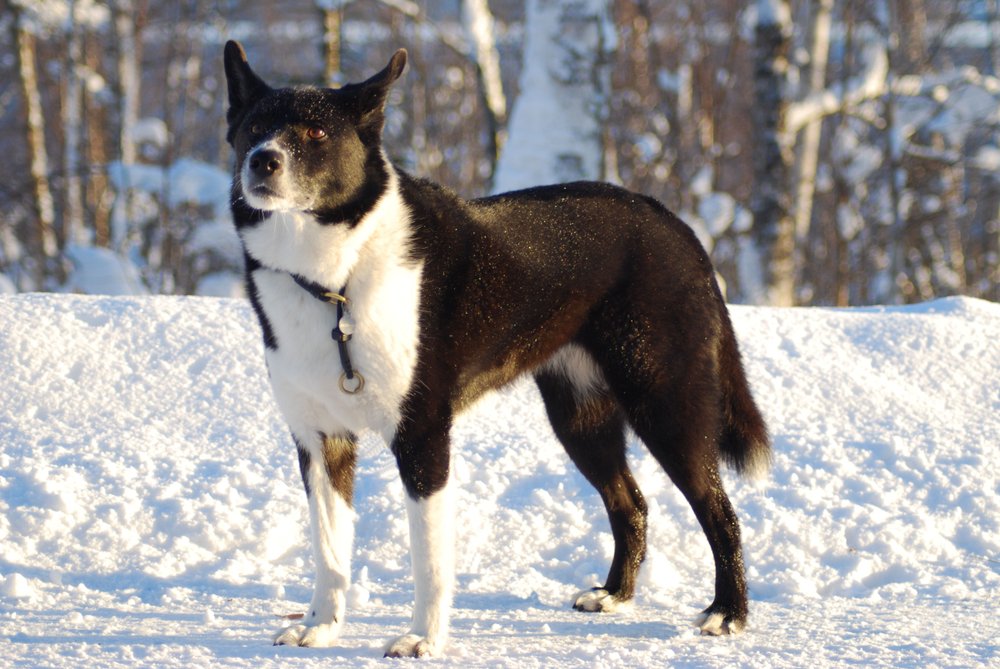
This is a high-energy, high-stamina breed. In the original work, the dog’s body and brain are both occupied for long stretches. In a home environment, you will get the best results when you recreate that feeling in safe ways.
Good options often include:
- Long-line sniff walks where the dog can range and investigate without practising disappearing
- Canine sports that reward focus and athleticism, such as scent work, tracking-style games, or agility foundations
- At-home enrichment that uses the nose, such as scatter feeding, food puzzles, and simple hide-and-seek games with treats
Without enough meaningful activity, many dogs become busy in unhelpful ways. It is not “bad behaviour” so much as a working dog trying to give itself a job.
Living set-up: space, fences, and heat
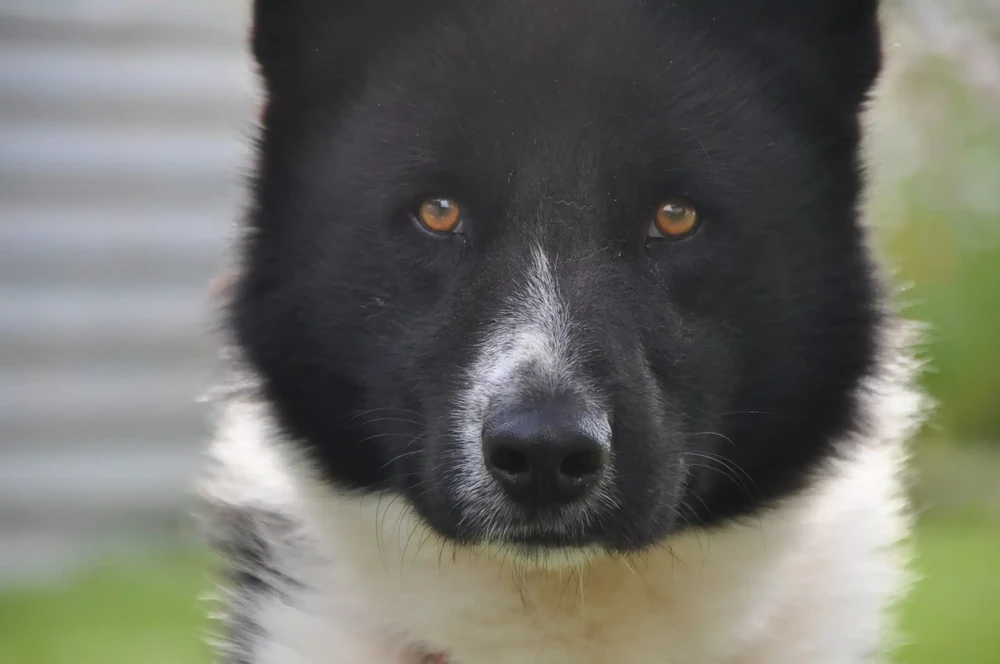
Karelians are often a better fit for homes where they can move, explore, and decompress. That can be rural, semi-rural, or simply a household that spends a lot of time outdoors with the dog.
Secure fencing matters. When a dog is designed to track and hold game at bay, the combination of scent drive and confidence can make “maybe it will stay close” a risky assumption.
Heat is the other practical piece, particularly in Australia. A dense double coat can increase heat-load, and overexertion is a common contributor to heat stress. Learn the early signs and adjust exercise to cooler parts of the day. RSPCA guidance includes signs such as relentless panting, drooling, agitation, very red or pale gums, vomiting or diarrhoea, weakness, and collapse. Seek veterinary help urgently if you suspect heatstroke.6
Health: what to watch for, and how to plan ahead
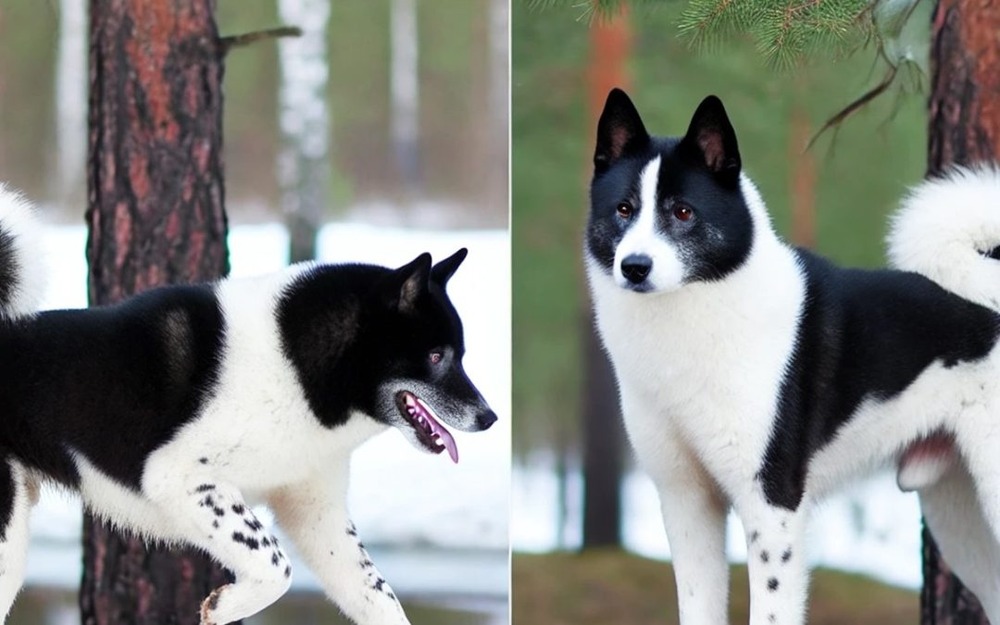
No breed is “problem free”, even when generally robust. For Karelians, owners and breed information sources commonly mention orthopaedic concerns such as hip dysplasia, plus eye issues.7
Hip dysplasia is a developmental condition of the hip joint seen across many breeds. The practical approach is to stack the odds in your favour: choose breeders who health test, keep your young dog lean, avoid excessive high-impact exercise while growing, and talk with your vet if you notice stiffness, bunny-hopping, or reluctance to jump.8
If you are sourcing a puppy, ask what screening is done in that breeding program and what results mean in plain language. Health testing is most useful when it is transparent.
Coat care and routine grooming
The Karelian’s coat is designed for weather protection: a harsh outer coat with a dense undercoat.3 That usually translates to fairly simple maintenance, plus seasonal shedding.
A weekly brush is a realistic baseline for most households, with extra brushing during heavy moults. Bathing can be occasional, and more frequent bathing is not always better if it dries the skin.
Do the small, regular jobs that keep a dog comfortable:
- Nails trimmed often enough that they do not click loudly on hard floors
- Ears checked for redness, smell, or debris
- Teeth cared for with brushing if your dog will allow it
Feeding: supporting an active body without overdoing it
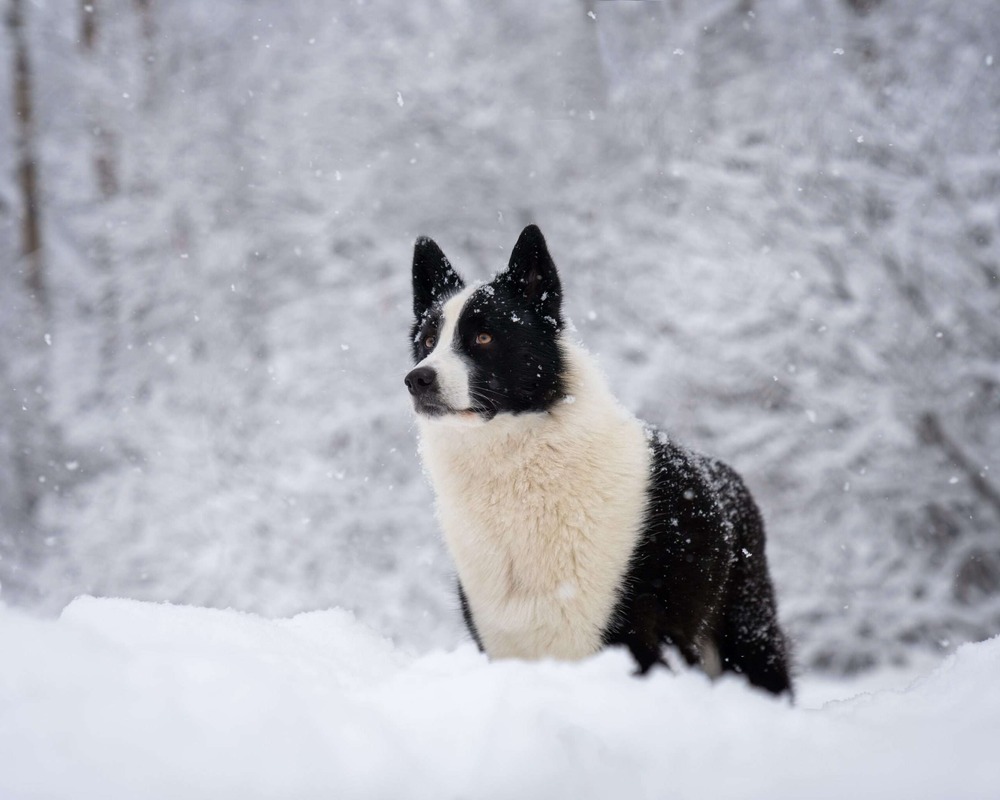
Most Karelians do well on a complete and balanced diet that matches their age and activity level. Because they are often athletic, it can be easy to assume “more food equals more energy”. In reality, staying lean is one of the simplest ways to support joint comfort over time.
If your dog is very active, your vet can help you adjust calories and protein appropriately, and check whether treats used in training are quietly making up a large portion of the day’s intake.
As with all breeds, some human foods are unsafe. If you are ever unsure about a food, treat it as a vet question rather than a guess.
Working roles today, including wildlife conflict work
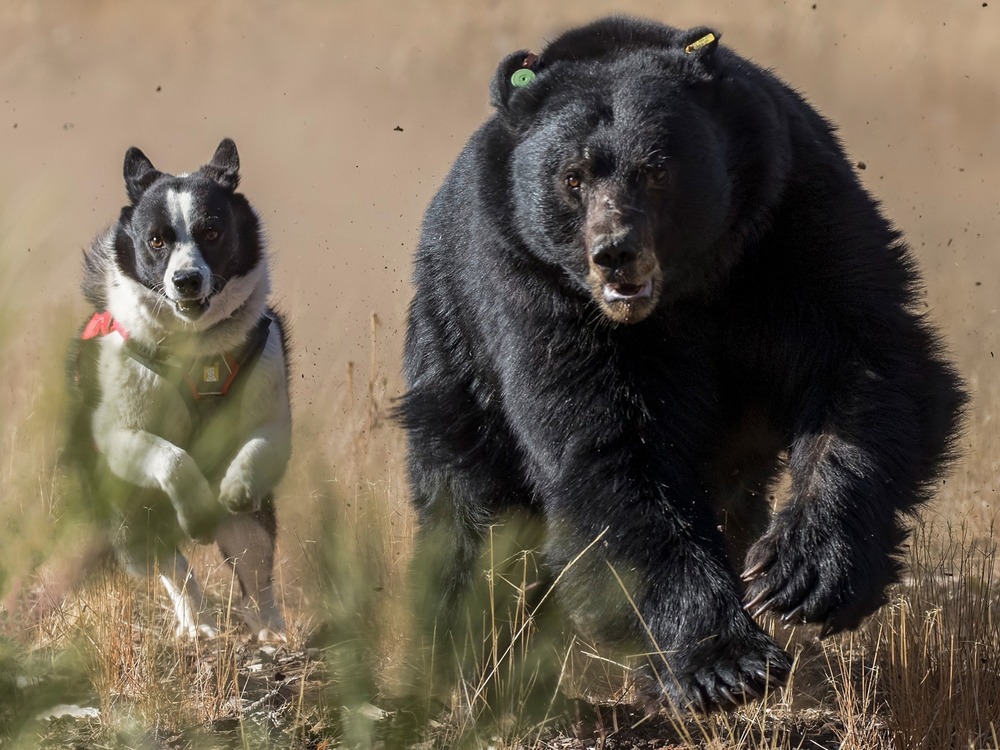
The Karelian Bear Dog’s reputation is not just historical. In some regions, Karelians have been used in wildlife management to discourage bears from human areas, relying on the dog’s confidence, bark, and ability to pressure an animal to move away.7
It is important to view this with clear eyes. These programs are specialised, run by professionals, and involve careful handling, training, and risk management. For pet owners, the key takeaway is simpler: the breed’s instincts are real, and they show up even in ordinary suburban moments.
Final thoughts: who this breed suits best
The Karelian Bear Dog can be an extraordinary companion for the right person. Not because it is “easy”, but because it is coherent: a dog with strong design, clear preferences, and an honest need for a life that includes movement, training, and purpose.
If you want a dog that will happily follow along with minimal input, you may find the Karelian frustrating. If you enjoy training, spend time outdoors, and can provide structure with warmth, you may find the relationship unusually rewarding.
References
- FCI: Karelian Bear Dog (Standard No. 48)
- Dogs Australia: Karelian Bear Dog breed standard (FCI Standard No. 48)
- Dogs NSW: Karelian Bear Dog breed standard
- Dogs NSW: Karelian Bear Dog breed information
- The Finnish Kennel Club: Karelian Bear Dog (history and breed overview)
- RSPCA Australia: Warm weather worries, protect pets from heatstroke
- PetMD: Karelian Bear Dog (breed overview and care)
- AAHA: How can I prevent heatstroke in my pet?