

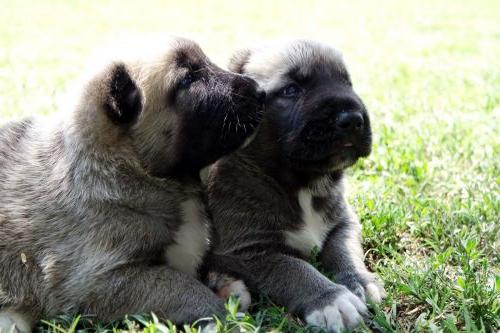
You usually notice a Kars Dog in the same way you notice any good guardian breed: not because it is doing something flashy, but because it is quietly taking stock of its surroundings. People come across the name when they are comparing livestock guardians, watching rural dog videos from Türkiye, or trying to identify a large, heavy-coated dog that looks a bit like a Caucasian Shepherd.
It is tempting to assume that any big, protective dog will fit neatly into family life if you provide enough love and exercise. With traditional flock guardians, it is rarely that simple. Much of what makes them steady around stock, self-directed, watchful, calm in harsh weather, can also make them slow to trust novelty and inclined to make their own decisions.
Understanding the Kars Dog means looking past the headline traits and noticing the everyday patterns: how they read movement at the gate, how they manage distance with strangers, and how they settle when they have clear boundaries and meaningful work.
- Breed category: Working (livestock guardian)
- Country of origin: Türkiye (Turkey)
- Typical height: Large, often around 60 to 75 cm at the withers (varies)
- Typical weight: Large, often around 35 to 55 kg (varies)
- Life expectancy: Commonly around 10 to 12 years (varies)
- Coat: Dense double coat, often long and heavy
- Temperament (general): Watchful, independent, loyal, protective
- Best suited to: Space, secure fencing, and experienced handling
The Kars Dog in context, where it comes from and what it was bred to do
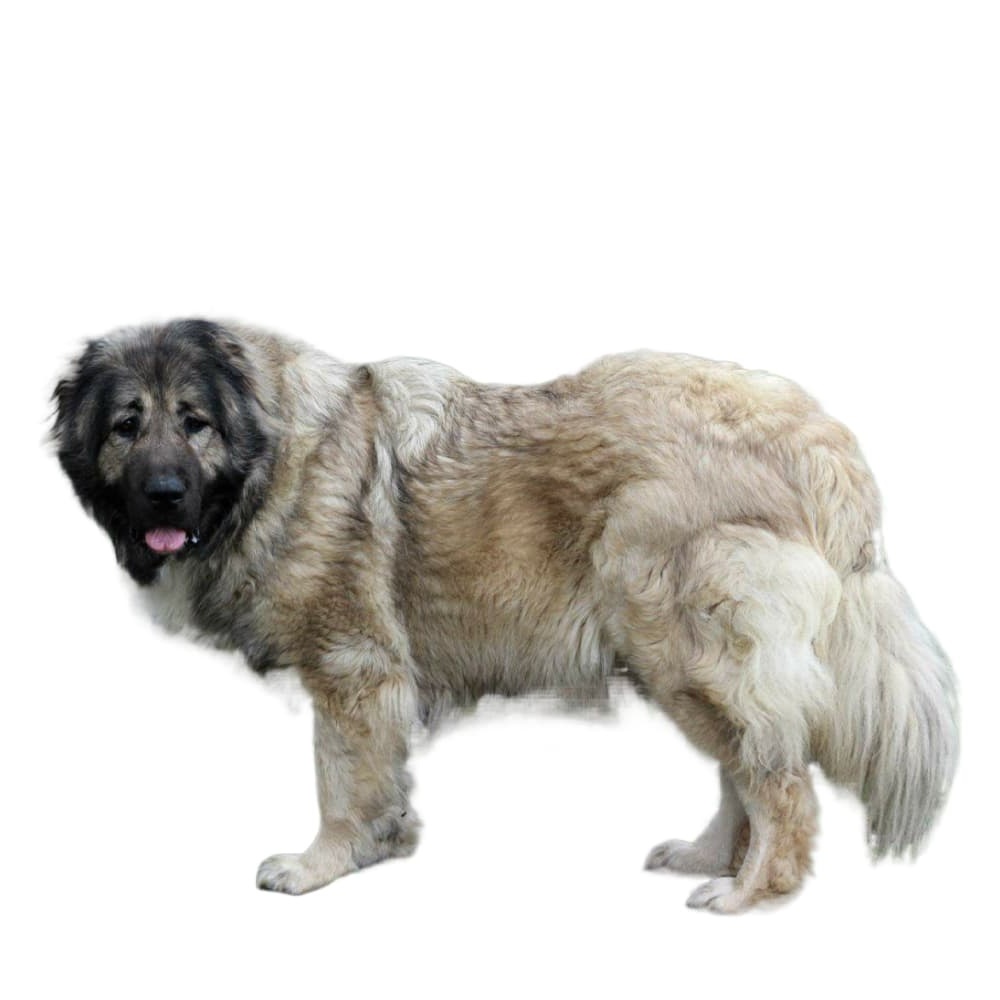
The Kars Dog (also called the Kars Shepherd) is associated with eastern Türkiye, including provinces such as Kars and neighbouring areas, and is traditionally kept as a livestock guardian.1 The job description is simple on paper, but demanding in real life: stay with the animals, notice what does not belong, and respond in a way that prevents trouble from escalating.
That history matters because it shapes the modern dog. A guardian is not bred to wait for a cue every time something changes. It is bred to make decisions at a distance, often in poor weather, at night, and with real consequences if it gets it wrong.
In practice, many Kars Dogs show a steady, observant style rather than constant reactivity. They may watch quietly, shift their body position to block access, and only escalate if the situation continues. For owners, that can feel reassuring, but it also means you need to manage their environment thoughtfully, especially with visitors and unfamiliar dogs.
What the Kars Dog looks like, coat, build, and everyday movement

Most descriptions of the Kars Dog emphasise a substantial, athletic frame and a heavy double coat, often long, designed for cold, windy conditions in its home region.1 Coat colour can vary widely, so it is better to think in terms of function than fashion: insulation, weather resistance, and durability.
When you live with a large guardian, the physical details quickly become practical details. Turning circles in the hallway, jumping in and out of a car, slipping on polished floors, all of these are real considerations. A well-conditioned Kars Dog often moves with a grounded, economical stride, not with the springiness of a herding dog or the tight patterning of a sport-bred working breed.
If you are choosing this breed, plan for the basics: a comfortable space to rest, secure fencing, shade in warm weather, and a routine that supports joint health and steady fitness.
Temperament and behaviour, loyalty, independence, and guarding instincts
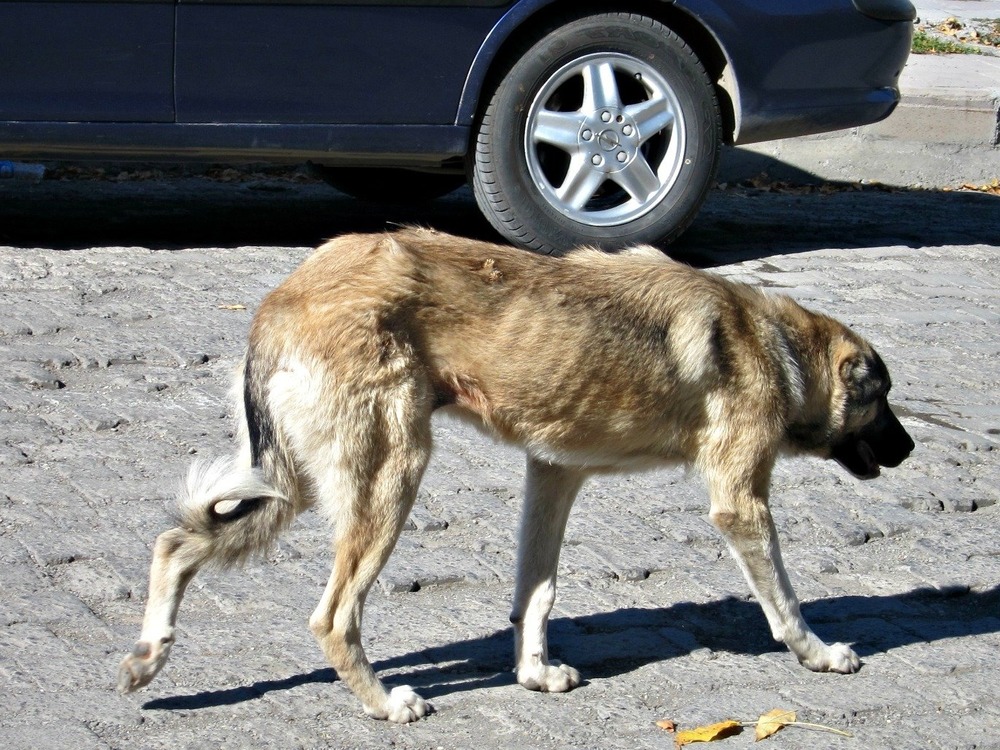
The temperament most people notice first is the combination of closeness and distance. A Kars Dog can be deeply bonded to its household, while still keeping a watchful reserve with strangers. That is not “stubbornness” so much as a normal expression of guardian genetics: caution is useful when your job is to stop problems before they reach the flock.
Guarding behaviour often shows up as boundary-setting rather than immediate confrontation. You might see the dog place itself between a guest and the family, follow a visitor at a measured distance, or become more alert when routines change. With thoughtful management, that alertness can stay calm and predictable.
It is also worth holding a gentle truth in mind: some dogs do not enjoy constant social novelty. A Kars Dog may tolerate busy environments, but many do best when they can retreat, observe, and interact on their own terms.
Family life, children, other pets, and visitor management
Many livestock guardians can live well with children when the match is right. The key is not a romantic idea of the “gentle giant”, but an honest plan for supervision, training, and safe routines. Large dogs, even calm ones, can knock over toddlers, react to shrieking play, or become conflicted when children’s friends arrive unannounced.
With other pets, early and ongoing socialisation helps, but it is not a guarantee. A guardian may be tolerant of animals it is raised with, and more cautious with unfamiliar dogs. If you have cats, small dogs, or poultry, assume you will need careful introductions, separation options, and management that stays consistent even when life gets busy.
For visitors, set the dog up to succeed:
- Use a gate, crate, or secure room for arrivals and deliveries.
- Ask guests to ignore the dog at first and allow sniffing space.
- Reward calm behaviour and avoid forcing interactions.
- Keep greetings structured until you know what your dog finds comfortable.
Training and exercise, what works for a self-directed working dog
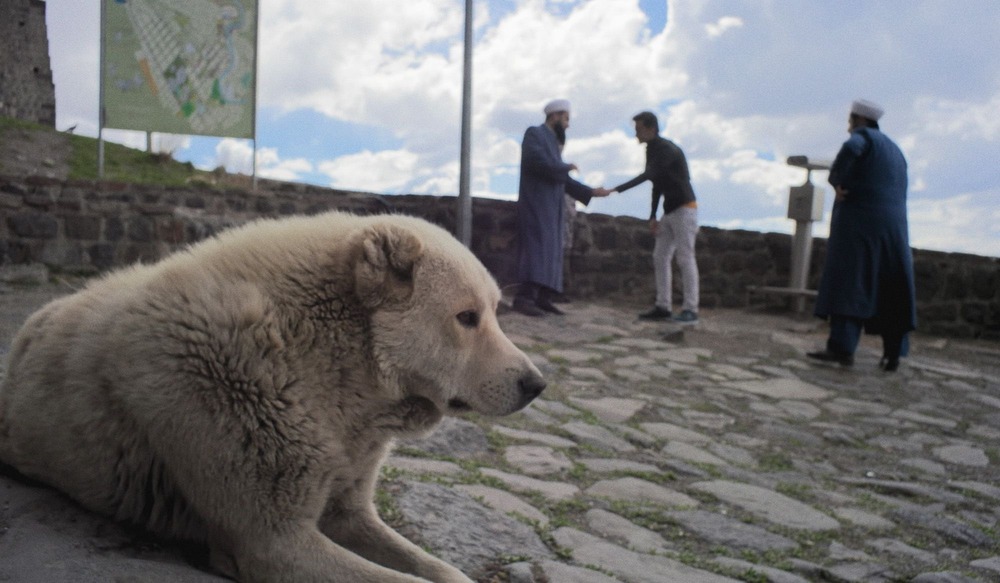
Training a Kars Dog is often less about drilling commands and more about building a working relationship. Consistency matters, but so does fairness. Many guardians respond best to clear boundaries and rewards, with sessions kept brief and practical.
Early socialisation should focus on calm exposure, not overwhelming the dog with constant handling and crowds. A young guardian benefits from learning that people can pass by without interaction, that dogs can be seen at a distance without drama, and that new environments are safe when you provide structure.
Exercise needs are usually best met through steady movement and meaningful outlets: long walks, roaming in a secure yard, scent work games, and training that asks for calm behaviour around real-life distractions. High-impact repetitive exercise is not always ideal for large dogs, especially during growth phases.
Health considerations, joint care and bloat (GDV)
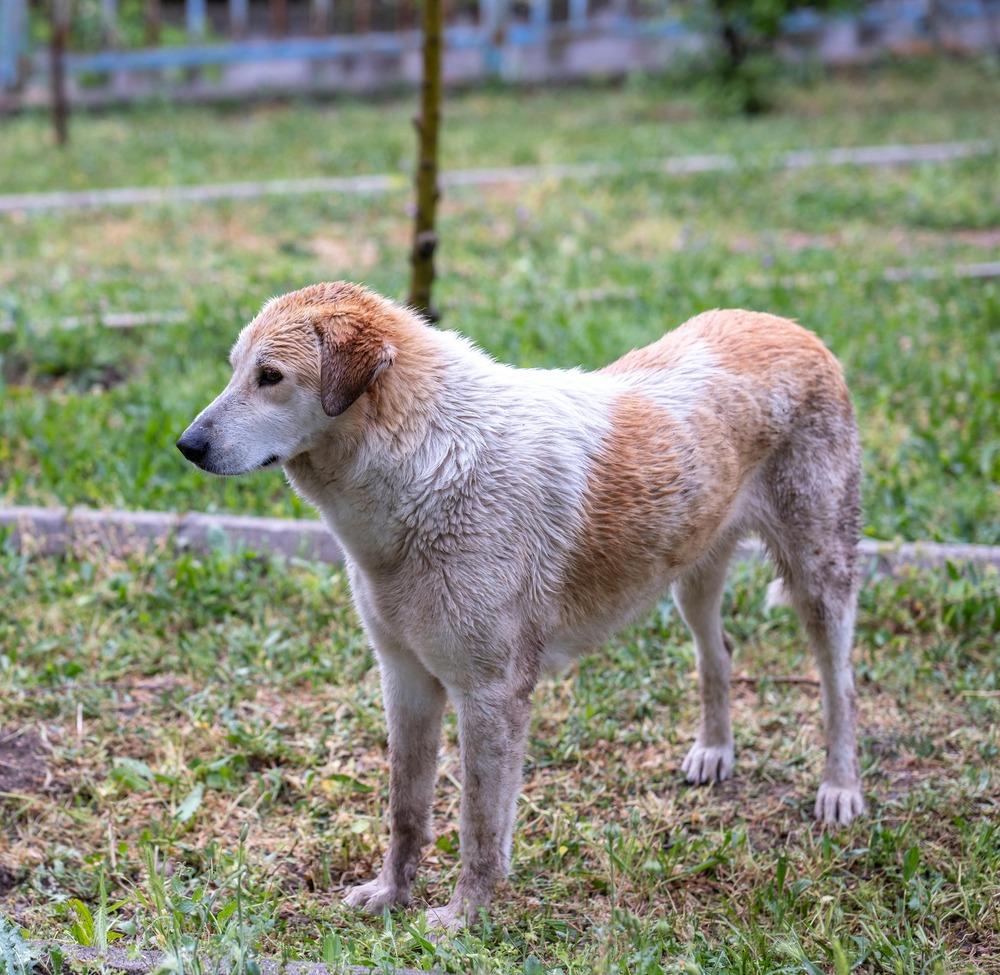
No single health list fits every Kars Dog, especially because breed lines and record-keeping can vary. Still, with large guardian breeds, it is sensible to plan around two common themes: orthopaedic strain over a lifetime and the risk of gastric dilatation-volvulus (GDV), sometimes called bloat.
GDV is a sudden, life-threatening emergency where the stomach distends and can twist, and it is seen most often in large, deep-chested dogs.2, 3 Knowing the early signs matters because it is not the sort of problem you “wait and see” with. Restlessness, unproductive retching, a rapidly enlarging abdomen, and weakness can all be red flags that warrant urgent veterinary care.2, 4
Risk reduction is not perfect, but there are practical steps that veterinary sources commonly recommend: feeding multiple smaller meals, slowing down fast eaters, avoiding vigorous activity straight after meals, and discussing whether a preventative gastropexy is appropriate for your dog.2, 3, 5
Grooming and coat care, what “moderate” really looks like
A dense double coat tends to be forgiving in bad weather and demanding in the laundry room. Regular brushing is not just cosmetic. It helps remove loose undercoat, reduces matting, and lets you notice skin changes, parasites, or small injuries early.
In shedding seasons, you may need to brush more often. Aim for a routine that your dog can tolerate calmly, especially around sensitive areas like the belly, behind the ears, and the tail.
Simple helps:
- Brush a few times a week, and more often when the undercoat “blows”.
- Keep nails trimmed for joint comfort and traction.
- Check ears and paws regularly, particularly after long walks.
- Bathe only as needed, and dry thoroughly in cooler weather.
Feeding and daily care, supporting a big body and a busy brain
Feeding a large guardian is a long game. The goal is steady condition, good muscle, and joints that are not carrying unnecessary weight. Many owners do best when they stop chasing a “big-boned” look and instead aim for a body condition where ribs are easy to feel and the waist is visible from above.
Choose a complete, balanced diet appropriate for the dog’s life stage, and work with your vet if you are unsure about growth, supplements, or feeding amounts. If your dog gulps food, consider a slow feeder and split the day’s intake across meals, which can also support bloat risk reduction strategies in at-risk dogs.2, 3
Finally, remember that “care” for this breed is not only physical. Guardians often settle best when they have predictable routines, a defined place to rest, and gentle mental outlets, such as scent games, boundary work, and calm observation time.
Final thoughts on living well with a Kars Dog
The Kars Dog can be an impressive companion when its instincts are understood rather than fought. It is not a breed for everyone, and that is not a criticism. It is simply a recognition that a dog bred to guard independently brings a particular set of strengths, and a particular set of responsibilities.
If you can offer space, structure, and patient handling, you may find that the best moments are the quiet ones: a dog lying where it can see the gate, lifting its head when something changes, then settling again because it trusts the home, and it trusts you.
References
- Wikipedia: Kars dog
- Cornell University College of Veterinary Medicine: Gastric dilatation volvulus (GDV) or “bloat”
- American Animal Hospital Association (AAHA): Understanding canine bloat (GDV)
- American College of Veterinary Surgeons (ACVS): Gastropexy
- Today’s Veterinary Practice: Gastric Dilatation and Volvulus, Stabilization and Surgery
- PetMD: Gastric Dilatation-Volvulus (GDV) in Dogs
- RSPCA Australia: How can I keep my dog healthy?
- Australian Veterinary Association (AVA): Puppy socialisation
- VetCompass Australia: Research on companion animal health